Menu
Y-DNA Haplogroup • Paternal Lineage

G2A2B2A1

Y-DNA Haplogroup G2A2B2A1

~6,000 years ago
West Asia / Caucasus
1 subclades
Scroll to explore
Chapter I

The Story

The journey of Y-DNA haplogroup G2A2B2A1

Origins and Evolution

Y-DNA haplogroup G2A2B2A1 is a downstream branch of G2A2B2A, itself a Neolithic offshoot of G2a associated with early agriculturalist expansions out of West Asia and the Caucasus. Based on its phylogenetic position and the pattern of diversity in modern and ancient samples, G2A2B2A1 most likely differentiated in the West Asian/Caucasus–Anatolian zone during the later Neolithic (roughly around 6.0 kya, with uncertainty of a few centuries to a millennium). The higher haplotype diversity observed in the Caucasus and Anatolia compared with Europe is consistent with a West Asian/Caucasian origin followed by spread into neighbouring regions.

Subclades

As a terminal or near-terminal subclade beneath G2A2B2A, G2A2B2A1 sits on a branch that is relatively specific compared with broader G2a diversity. The clade shows limited internal substructure in published datasets and in public SNP trees, which is typical for lineages that expanded during the Neolithic and then persisted at low-to-moderate frequencies. Some downstream private SNP clusters are observable among modern samples from the Caucasus, Anatolia and sporadic European carriers; continued genomic sampling and targeted SNP discovery will refine internal subclades and coalescence estimates.

Geographical Distribution

G2A2B2A1 has its highest diversity and frequency in the Caucasus and parts of Anatolia / West Asia, consistent with a source region there. Outside that core, it occurs at low-to-moderate frequencies across:

  • Southern Europe (notably insular and some continental Mediterranean populations such as Sardinia and parts of Italy),
  • Parts of Western and Central Europe in reduced frequencies (France, Switzerland, Germany),
  • Selected populations in the Middle East, Iran and Turkey,
  • Small proportions of Central and South Asian samples (reflecting long-distance gene flow or older eastward contacts),
  • Some Jewish communities (including Ashkenazi and other groups) where founder effects and historical admixture elevated particular branches.

Ancient DNA has identified G2A2B2A1 and closely related G2a sublineages in multiple Neolithic and later archaeological contexts (the database referenced here lists 51 aDNA occurrences), reinforcing its role among Neolithic farmer-associated Y lineages that moved with early agricultural communities.

Historical and Cultural Significance

The phylogeography of G2A2B2A1 matches the broader signal of Neolithic farmer expansions out of Anatolia and the Caucasus into Europe. It is therefore associated with archaeological phenomena linked to the spread of farming technology and demographic movement, such as Anatolian Neolithic dispersals into Southeastern Europe and subsequent diffusion along Mediterranean and continental routes. In later periods the lineage persisted in local populations, sometimes being enriched by founder effects (e.g., insular Sardinia or particular Jewish paternal lines), while in many parts of Europe it became a minor component as other lineages (e.g., I2, R1b) rose in frequency through later migrations and expansions.

Conclusion

G2A2B2A1 is best interpreted as a Neolithic-derived, West Asian/Caucasian-rooted paternal lineage that participated in early farmer dispersals into Anatolia and Europe and that today remains most frequent and diverse in its presumed source region while surviving at lower frequencies across parts of Europe, West/Central/South Asia, and within some Jewish populations. Continued targeted sequencing of modern carriers and ancient DNA sampling from Anatolia, the Caucasus and early Neolithic sites will clarify the timing of internal splits and the specific migration routes taken by this subclade.

Key Points

  • Origins and Evolution
  • Subclades
  • Geographical Distribution
  • Historical and Cultural Significance
  • Conclusion
Chapter II

Tree & Relationships

Phylogenetic context and subclades

Evolution Path

This haplogroup's evolutionary journey from its earliest ancestor to the present.

Steps Haplogroup Age Estimate Archaeology Era Time Passed Immediate Descendants Tested Modern Descendants Ancient Connections
1 G2A2B2A1 Current ~6,000 years ago 🪨 Chalcolithic 6,000 years 1 18 0

Siblings (1)

Other branches from the same parent haplogroup

Chapter III

Where in the World

Geographic distribution and modern presence

Place of Origin

West Asia / Caucasus

Modern Distribution

The populations where Y-DNA haplogroup G2A2B2A1 is found include:

  1. Caucasus populations (e.g., Georgians, Armenians, Chechens)
  2. Some populations in the Middle East and Anatolia (e.g., Iran, Turkey, Levant)
  3. Some populations in Mediterranean Europe (e.g., Sardinia, Italy)
  4. Some populations in Western and Central Europe (e.g., France, Switzerland, Germany)
  5. Some Central Asian populations (in lower frequencies)
  6. Some South Asian populations (in lower frequencies)
  7. Ashkenazi and other Jewish communities (moderate/variant frequencies)

Regional Presence

West Asia & Caucasus High
Southern Europe (Mediterranean) Moderate
Western & Central Europe Low
Central Asia Low
South Asia Low
CHAPTER IV

When in Time

Your haplogroup in the context of human history

~10k years ago

Neolithic Revolution

Agriculture begins, settled communities form

~6k years ago

Haplogroup G2A2B2A1

Your Y-DNA haplogroup emerged in West Asia / Caucasus

West Asia / Caucasus
~5k years ago

Bronze Age

Metalworking, writing, and early civilizations

~3k years ago

Iron Age

Iron tools, expanded trade networks

~2k years ago

Classical Antiquity

Greek and Roman civilizations flourish

Present

Present Day

Modern era

Your Haplogroup
Historical Era
Chapter IV-B

Linked Cultures

Ancient cultures associated with Y-DNA haplogroup G2A2B2A1

Cultural Heritage

These ancient cultures have been linked to haplogroup G2A2B2A1 based on matching ancient DNA samples from archaeological excavations. The presence of this haplogroup in these cultures provides insights into the migrations and population movements of populations carrying this haplogroup.

French Neolithic Linear Pottery Culture Middle Neolithic French Vinča Culture
Culture assignments are based on archaeological context of ancient DNA samples and may represent regional associations during specific time periods.
Chapter V

Sample Catalog

8 direct carriers and 13 subclade carriers of haplogroup G2A2B2A1

21 / 21 samples
Portrait Sample Country Era Date Culture Y-DNA Match
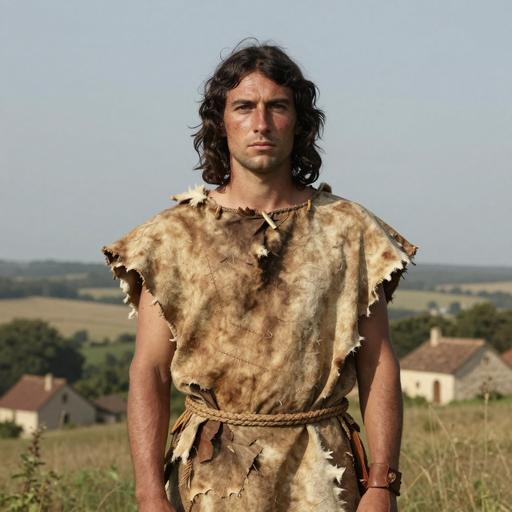
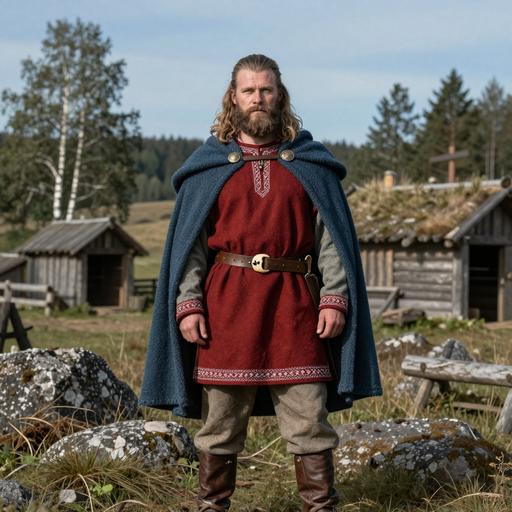
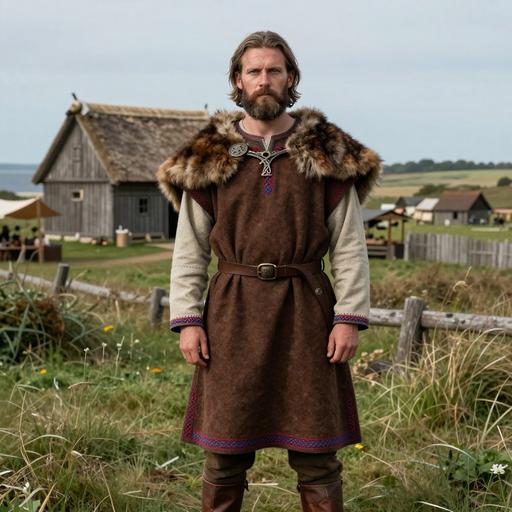
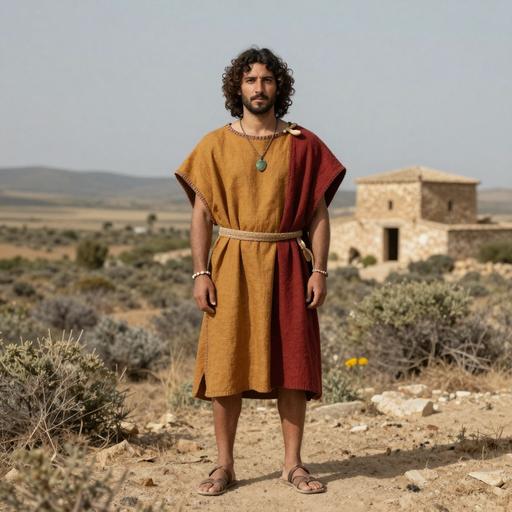
Portrait of ancient individual GRG016 from France, dated 4542 BCE - 4363 BCE
GRG016
France Middle Neolithic France 4542 BCE - 4363 BCE Middle Neolithic French G2a2b2a1 Direct
Portrait of ancient individual GRG057 from France, dated 4786 BCE - 4547 BCE
GRG057
France Middle Neolithic France 4786 BCE - 4547 BCE Middle Neolithic French G2a2b2a1 Direct
Portrait of ancient individual GRG027 from France, dated 4840 BCE - 4615 BCE
GRG027
France Middle Neolithic France 4840 BCE - 4615 BCE Middle Neolithic French G2a2b2a1 Direct
Portrait of ancient individual GRG003 from France, dated 5000 BCE - 4000 BCE
GRG003
France Middle Neolithic France 5000 BCE - 4000 BCE Middle Neolithic French G2a2b2a1 Direct
Portrait of ancient individual GRG008 from France, dated 5000 BCE - 4000 BCE
GRG008
France Middle Neolithic France 5000 BCE - 4000 BCE Middle Neolithic French G2a2b2a1 Direct
Portrait of ancient individual GRG021 from France, dated 5000 BCE - 4000 BCE
GRG021
France Middle Neolithic France 5000 BCE - 4000 BCE Middle Neolithic French G2a2b2a1 Direct
Portrait of ancient individual GRG047 from France, dated 5000 BCE - 4000 BCE
GRG047
France Middle Neolithic France 5000 BCE - 4000 BCE Middle Neolithic French G2a2b2a1 Direct
Portrait of ancient individual HBS009 from Germany, dated 5250 BCE - 4800 BCE
HBS009
Germany Early Neolithic Linear Pottery Culture, Germany 5250 BCE - 4800 BCE Linear Pottery Culture G2a2b2a1 Direct
Portrait of ancient individual I19587 from United Kingdom, dated 195 BCE - 7 BCE
I19587
United Kingdom Late Iron Age England 195 BCE - 7 BCE British Late Iron Age G2a2b2a1a1b Downstream
Portrait of ancient individual I11152 from United Kingdom, dated 355 BCE - 59 BCE
I11152
United Kingdom Middle to Late Iron Age England 355 BCE - 59 BCE Late Iron Age British G2a2b2a1a1b1a1a2b Downstream
Chapter VI

Carrier Distribution Map

Geographic distribution of 21 ancient DNA samples (direct and subclade carriers of G2A2B2A1)

Direct carrier Subclade carrier
Time Period Filter
All Time Periods
Showing all samples
Chapter VII

Temporal Distribution

Distribution of carriers across archaeological periods

Chapter VIII

Geographic Distribution

Distribution by country of origin (direct and subclade carriers shown by default)

Chapter IX

Country × Era Distribution

Cross-tabulation of carrier countries and archaeological periods (direct and subclade carriers shown by default)

Data

Data & Provenance

Source information and data quality

Last Updated 2026-02-16
Confidence Score 50/100
Coverage Low
Data Source

We use the latest phylotree for YDNA haplogroup classification and data.