The Story
The journey of Y-DNA haplogroup I2A1A
Origins and Evolution
Y-DNA haplogroup I2A1A is a downstream subclade of I2A1, itself part of the broader European haplogroup I2. In phylogenetic terms, it belongs to one of the oldest autochthonous paternal lineages in Europe, with ultimate roots in prehistoric hunter-gatherer groups that persisted in refugial zones during and after the Last Glacial Maximum.
Although the deepest branches of haplogroup I are ancient, I2A1A is best understood as a lineage that diversified in southeastern Europe during the late Upper Paleolithic or early Mesolithic, roughly around the early postglacial period. Its age is inferred from the broader timing of I2A1 diversification and the later regional expansion of descendant lineages in the Balkans and adjacent areas.
Subclades
I2A1A is an intermediate or derived branch within the I2A1 lineage framework. Because phylogenetic nomenclature continues to be refined as new SNPs are identified, the exact internal structure of I2A1A may vary across testing platforms and research datasets. In general, it represents a branch connecting older Balkan-associated I2 lineages with later regional substructure found in southeastern, central, and eastern Europe.
Geographical Distribution
The strongest modern concentrations of I2-derived paternal lineages occur in the Balkans, where frequencies can be especially notable in parts of Bosnia and Herzegovina, Croatia, Serbia, Montenegro, and neighboring populations. Subclades related to I2A1A also appear in East Slavic, Central European, Baltic, and Germanic-speaking populations at lower frequencies, reflecting historical migration, founder effects, and admixture over millennia.
Outside Europe, the haplogroup is found in diaspora populations in the Americas and Australia, where it was carried by recent European migration. Its presence in these settings is typically a result of modern demographic movement rather than ancient local origin.
Historical and Cultural Significance
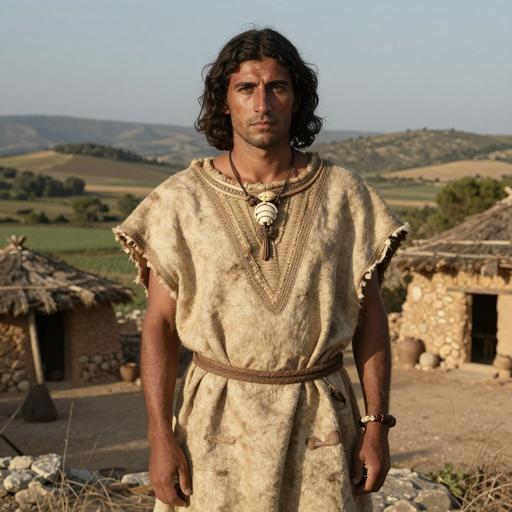
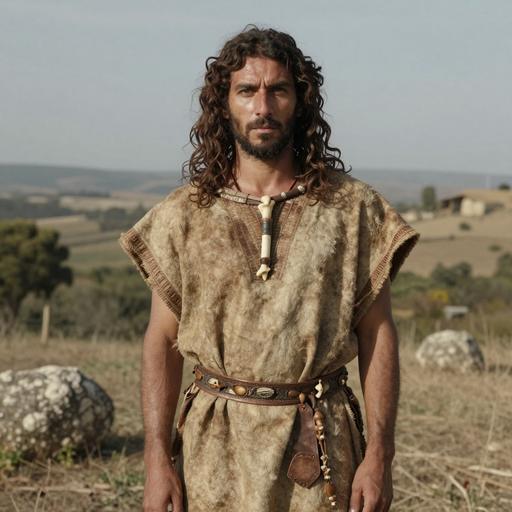
As a descendant of an ancient European hunter-gatherer paternal lineage, I2A1A is associated with the long persistence of pre-Neolithic ancestry in Europe. In the Balkans, related I2 subclades are often discussed in the context of continuity from Mesolithic populations and later integration into Neolithic, Copper Age, Bronze Age, and Iron Age demographic systems.
This lineage does not map cleanly onto a single archaeological culture, but broader I2 subclades are frequently observed in ancient DNA from southeastern and central Europe, including contexts connected to postglacial hunter-gatherers and later European population turnovers. Over time, the lineage likely persisted through repeated episodes of farmer expansion, steppe-related admixture, and regional bottlenecks that reshaped its frequency distribution.
Conclusion
Y-DNA haplogroup I2A1A is a relatively old European paternal branch with deep prehistoric roots and a strong historical association with southeastern Europe. Its modern spread reflects both ancient survival in Balkan refugia and later dispersals across Europe, making it an informative lineage for studying the long-term demographic history of European populations.
Key Points
- Origins and Evolution
- Subclades
- Geographical Distribution
- Historical and Cultural Significance
- Conclusion