Menu
Y-DNA Haplogroup • Paternal Lineage

N1

Y-DNA Haplogroup N1

~22,000 years ago
Northeast / East Asia
2 subclades
14 ancient samples
Scroll to explore
Chapter I

The Story

The journey of Y-DNA haplogroup N1

Origins and Evolution

Y-DNA haplogroup N1 is a primary branch of haplogroup N and is generally inferred to have formed in Northeast/East Asia during the Late Pleistocene, after the initial emergence of haplogroup N (estimated ~36 kya). Divergence of N1 is often dated to the period after the Last Glacial Maximum (LGM) or in the terminal Pleistocene/early Holocene (~20–25 kya by phylogenetic estimates), with subsequent population movements and expansions during the Holocene. The phylogeographic pattern of N1 shows an initial diversification in interior and northeastern Asia followed by migrations north into Siberia and west across the Eurasian boreal zone.

Modern and ancient DNA evidence indicates multiple regional sublineages of N1 expanded at different times: some branches remained concentrated in northeastern Asia and Siberia, while others moved westward and became prominent in Northern and Northeastern Europe. These patterns reflect a combination of post-glacial recolonization, localized founder effects, and later cultural expansions.

Subclades

N1 contains several downstream lineages with distinctive geographic signatures. Nomenclature has changed across studies (e.g., older labels such as N1a/N1c correspond to different marker systems), but key features include:

  • Northern Siberian subclades — deep-rooted branches that are frequent among native Siberian groups (e.g., Evenks, Yakuts). These reflect long-term presence in interior/northeastern Eurasia.
  • Northwest Eurasian subclades — lineages that expanded into Fennoscandia, the Baltics and parts of northern Russia and show high frequency in Finnic and some Balto-Finnic populations.
  • Peripheral and low-frequency branches — occur at low levels in Central Asia and northern East Asia (e.g., among Mongolian and northern Han populations), consistent with complex local admixture.

Because research uses different marker sets and naming conventions, caution is advised when comparing older and newer haplogroup labels; targeted SNP resolution is required to place a Y chromosome precisely within the N1 tree.

Geographical Distribution

N1 today has a clear concentration in northern Eurasia. High frequencies occur in many Uralic-speaking and other northern populations: Finns, Saami, Estonians and Latvians frequently carry N1 sublineages, and it is common among multiple Siberian groups such as Yakuts and Evenks. Eastern European populations (including northern Russians and some Baltic groups) show moderate frequencies reflecting westward spread and admixture. Small amounts of N1 are detected in parts of Northeast Asia (northern China, Mongolia) and at low levels in some Central Asian groups; these occurrences reflect either ancient northerly distributions or later gene flow.

Ancient DNA has identified N1 lineages in archaeological contexts spanning the Holocene in northern Eurasia, consistent with a role in postglacial recolonization of the boreal zone and in later population dynamics during the Neolithic and Bronze Age.

Historical and Cultural Significance

Population genetics and linguistic correlations link many N1 subclades to Uralic-speaking populations, and the haplogroup is frequently cited in studies of the genetic history of Finns, Saami, and related groups. Archaeologically, N1 sublineages are often discussed in connection with northeastern European Mesolithic/Neolithic hunter-gatherer groups and later Neolithic cultural horizons that spread across the forest zone (for example, Comb Ceramic-related contexts are sometimes implicated). During the Bronze Age and later, admixture with Indo-European-associated Y haplogroups (such as R1a) and local founder events created the modern clinal and patchy distribution.

N1 has therefore been used as a genetic marker for reconstructing north Eurasian demographic processes: postglacial recolonization routes, the formation and dispersal of Uralic-speaking groups, and later contacts between Siberian and European populations.

Conclusion

Haplogroup N1 represents a major paternal lineage of northern Eurasia, originating in Northeast/East Asia in the Late Pleistocene and shaping the genetic landscape of Siberia and Northern Europe through a series of expansions and local differentiations. Its distribution and substructure provide important insights into postglacial population movements, the formation of Uralic-speaking groups, and complex interactions between hunter-gatherer, Neolithic, and Bronze Age populations across the boreal belt.

(Notes: SNP-based resolution is essential to assign samples accurately within the N1 tree; terminology in older literature can differ from current phylogenies.)

Key Points

  • Origins and Evolution
  • Subclades
  • Geographical Distribution
  • Historical and Cultural Significance
  • Conclusion
Chapter II

Tree & Relationships

Phylogenetic context and subclades

Evolution Path

This haplogroup's evolutionary journey from its earliest ancestor to the present.

Steps Haplogroup Age Estimate Archaeology Era Time Passed Immediate Descendants Tested Modern Descendants Ancient Connections
1 N1 Current ~22,000 years ago 🏹 Mesolithic 22,000 years 2 15 14
2 N ~36,000 years ago 🦴 Paleolithic 36,000 years 3 106 17
3 NO ~45,000 years ago 🦴 Paleolithic 45,000 years 4 238 12

Siblings (2)

Other branches from the same parent haplogroup

Chapter III

Where in the World

Geographic distribution and modern presence

Place of Origin

Northeast / East Asia

Modern Distribution

The populations where Y-DNA haplogroup N1 is found include:

  1. Northern Europeans (e.g., Finns, Estonians, Latvians, Lithuanians)
  2. Siberian populations (e.g., Evenks, Yakuts)
  3. Some populations in Eastern Europe (e.g., Russians)
  4. Some Uralic-speaking populations (e.g., Saami, Hungarians in lower frequencies)
  5. Some Central Asian populations (in lower frequencies)
  6. Some populations in Northeast Asia (e.g., Mongolians, Chinese in northern regions)

Regional Presence

Northern Europe High
Siberia High
Eastern Europe Moderate
Northeast Asia Low
Central Asia Low
CHAPTER IV

When in Time

Your haplogroup in the context of human history

~22k years ago

Haplogroup N1

Your Y-DNA haplogroup emerged in Northeast / East Asia

Northeast / East Asia
~20k years ago

Last Glacial Maximum

Peak of the last ice age, populations isolated

~10k years ago

Neolithic Revolution

Agriculture begins, settled communities form

~5k years ago

Bronze Age

Metalworking, writing, and early civilizations

~3k years ago

Iron Age

Iron tools, expanded trade networks

~2k years ago

Classical Antiquity

Greek and Roman civilizations flourish

Present

Present Day

Modern era

Your Haplogroup
Historical Era
Chapter IV-B

Linked Cultures

Ancient cultures associated with Y-DNA haplogroup N1

Cultural Heritage

These ancient cultures have been linked to haplogroup N1 based on matching ancient DNA samples from archaeological excavations. The presence of this haplogroup in these cultures provides insights into the migrations and population movements of populations carrying this haplogroup.

Avar Culture Danish Medieval Early Avar Early Medieval Mongolian Fatyanovo Gorokhov Khovd Long-Term Piliny-Kyjatice Sargat Culture Saxon Schleswig
Culture assignments are based on archaeological context of ancient DNA samples and may represent regional associations during specific time periods.
Chapter V

Sample Catalog

14 subclade carriers of haplogroup N1 (no exact N1 samples sequenced yet)

14 / 14 samples
Portrait Sample Country Era Date Culture Y-DNA Match
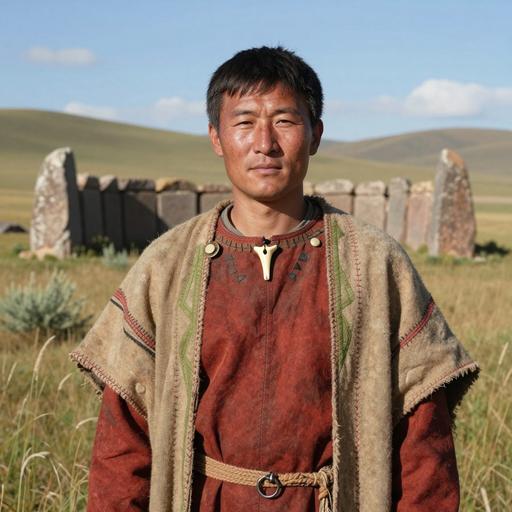
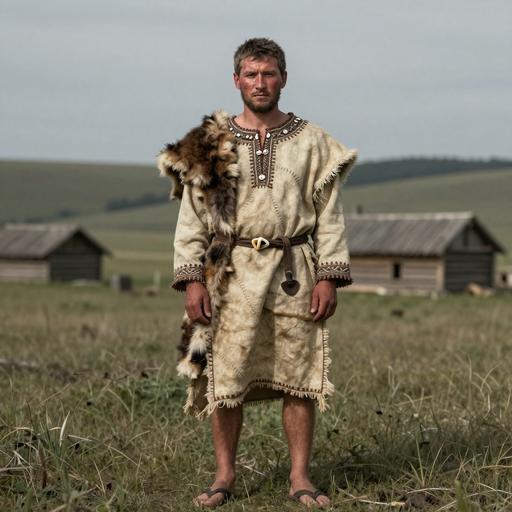
Portrait of ancient individual I6365 from Mongolia, dated 809 BCE - 779 BCE
I6365
Mongolia Early Iron Age Slab Grave Culture 1, Mongolia 809 BCE - 779 BCE Slab Grave Culture N1a1a1a1a-M1999 Downstream
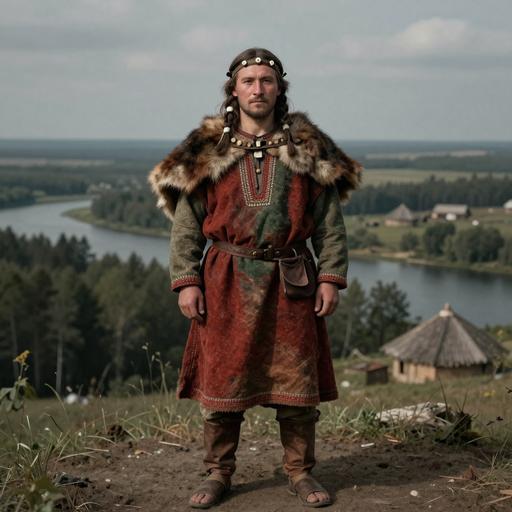
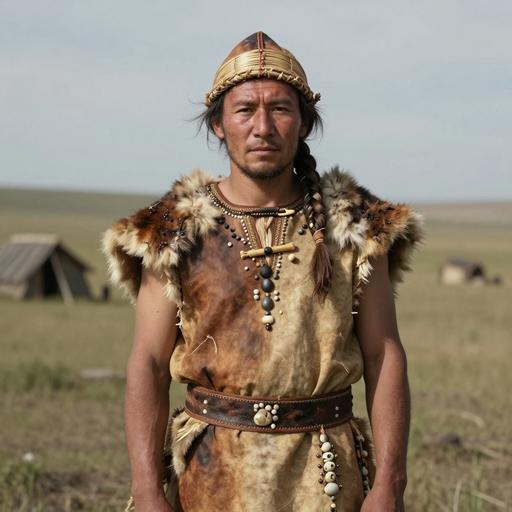
Portrait of ancient individual I1202 from Russia, dated 997 BCE - 825 BCE
I1202
Russia Iron Age Yankovsky Culture, Russia 997 BCE - 825 BCE Yankovsky Culture N1a-F1206 Downstream
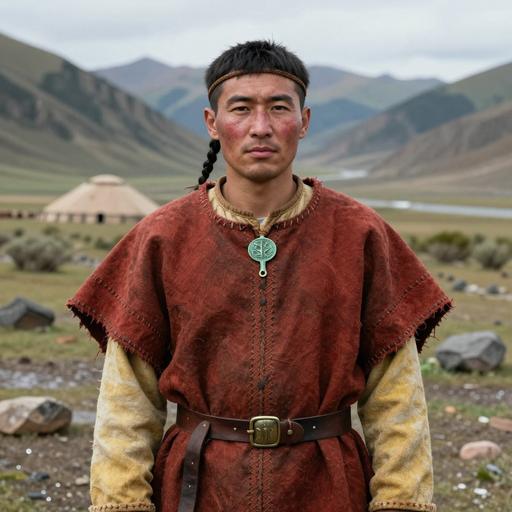
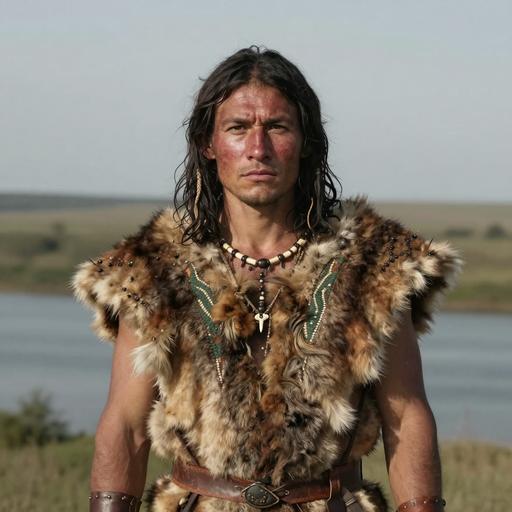
Portrait of ancient individual I12976 from Mongolia, dated 1441 BCE - 1304 BCE
I12976
Mongolia Late Bronze Age Mongun-Taiga 3, Mongolia 1441 BCE - 1304 BCE Mongun-Taiga Culture N1a-M2114 Downstream
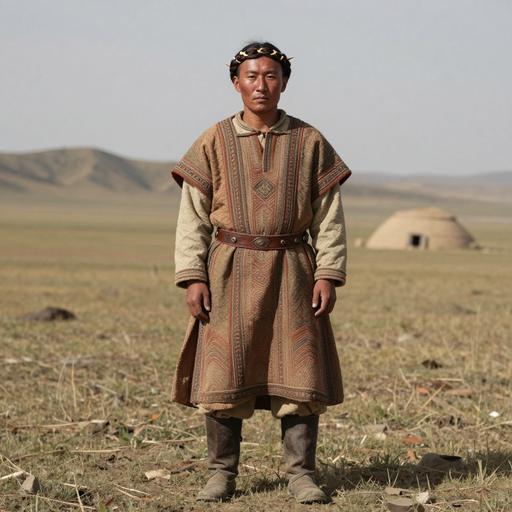
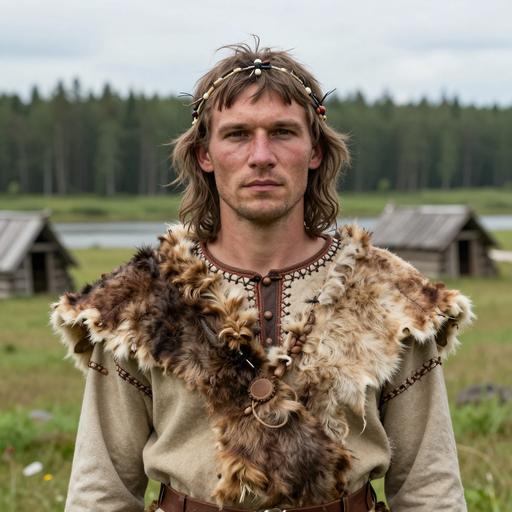
Portrait of ancient individual I12955 from Mongolia, dated 1949 BCE - 1774 BCE
I12955
Mongolia Middle Bronze Age Munkhkhairkhan 1, Mongolia 1949 BCE - 1774 BCE Munkhkhairkhan Culture N1a1a1-CTS7728 Downstream
Portrait of ancient individual Han1994 from China, dated 2000 CE
Han1994
China Modern China 2000 CE Chinese N1c1 Downstream
Portrait of ancient individual KZ83 from China, dated 2000 CE
KZ83
China Modern China 2000 CE Chinese N1c1 Downstream
Portrait of ancient individual QH1 from China, dated 2000 CE
QH1
China Modern China 2000 CE Chinese N1c1 Downstream
Portrait of ancient individual BM02 from China, dated 2000 CE
BM02
China Modern China 2000 CE Chinese N1c1 Downstream
Portrait of ancient individual kra001 from Russia, dated 2340 BCE - 2064 BCE
kra001
Russia Bronze Age Krasnoyarsk, Russia 2340 BCE - 2064 BCE Krasnoyarsk Culture N1c1a1a Downstream
Portrait of ancient individual N4a1 from Russia, dated 2663 BCE - 2469 BCE
N4a1
Russia Late Neolithic Central Yakutia, Russia 2663 BCE - 2469 BCE Yakutian Neolithic N1c2b2 Downstream
Chapter VI

Carrier Distribution Map

Geographic distribution of 14 ancient DNA samples (direct and subclade carriers of N1)

Subclade carrier
Time Period Filter
All Time Periods
Showing all samples
Chapter VII

Temporal Distribution

Distribution of carriers across archaeological periods

Chapter VIII

Geographic Distribution

Distribution by country of origin (direct and subclade carriers shown by default)

Chapter IX

Country × Era Distribution

Cross-tabulation of carrier countries and archaeological periods (direct and subclade carriers shown by default)

Data

Data & Provenance

Source information and data quality

Last Updated 2026-02-16
Confidence Score 50/100
Coverage Low
Data Source

We use the latest phylotree for YDNA haplogroup classification and data.