Menu
Y-DNA Haplogroup • Paternal Lineage

Q1A2

Y-DNA Haplogroup Q1A2

~15,000 years ago
Central Asia / Siberia
2 subclades
Scroll to explore
Chapter I

The Story

The journey of Y-DNA haplogroup Q1A2

Origins and Evolution

Y-DNA haplogroup Q1A2 is a subclade of Q1A, itself a major Eurasian branch of haplogroup Q that formed on the broad M242 trunk. Given its phylogenetic position beneath Q1A, Q1A2 most likely arose in the Central Asian–Siberian region during the Late Pleistocene to early Holocene (on the order of ~15 kya in our estimate). Its emergence reflects the continued diversification of Q lineages among hunter-gatherer groups of northern Eurasia after the Last Glacial Maximum, with subsequent local expansions and long-distance dispersals during the Holocene.

Q1A2 is one of a set of Q sublineages that show a pattern of deep roots in northern Eurasia and later participation in movements that contributed paternal ancestry to populations across Central Asia, Siberia and, through founding or secondary migration streams, to some Indigenous peoples of the Americas. Ancient DNA recovery of Q-lineage Y chromosomes in northern Eurasian archaeological contexts supports this pattern of long-term regional continuity with episodic demographic expansions.

Subclades

As a defined subbranch of Q1A, Q1A2 may include further downstream subclades that have more geographically restricted distributions (for example branches concentrated in particular Siberian ethnic groups or in parts of Central Asia). The internal structure of Q1A2 is shaped by a sequence of SNPs that arose after the Q1A split; some descendant lineages may be more common in eastern Siberia and the Russian Far East, while others show elevated frequencies in western Central Asia. Ongoing genotyping and sequencing efforts continue to refine the subclade topology and to identify geographically diagnostic SNPs.

Geographical Distribution

Q1A2 shows a core presence in Siberia and Central Asia, where frequencies are highest and where diverse sublineages are found among a range of indigenous and historically nomadic groups. The haplogroup is also reported at moderate frequencies across parts of East Asia and at low to moderate frequencies among some Indigenous peoples of the Americas, reflecting either direct descent from Pleistocene/Holocene Siberian populations that contributed to the peopling of the Americas or later contacts. Low-frequency occurrences in parts of Eastern Europe, Scandinavia and the Middle East reflect long-distance gene flow, historical migrations, or low-level admixture.

Patterns seen in modern population surveys are supported by a small number of ancient DNA hits for Q1A and related subclades from northern Eurasian archaeological contexts, indicating persistence over millennia.

Historical and Cultural Significance

Because Q1A2 descends from a lineage that was present in northern Eurasia before and after the Last Glacial Maximum, it is associated with populations practicing a range of subsistence strategies over time, from Paleolithic and Mesolithic hunter-gatherers to later pastoralist and nomadic groups in the Bronze Age and historic periods. In Central Asia and Siberia, Q1A2-bearing lineages plausibly participated in demographic shifts associated with Bronze Age movements (steppe-related cultural horizons) and later medieval-era population processes (e.g., expansions of Turkic and other steppe peoples), although Q-type lineages were typically less dominant in classical steppe-associated cultures than R- and I-derived lineages.

In the Americas, some Q sublineages are central to founding paternal ancestry; while the principal Native American Q branches are distinct (and often defined by downstream SNPs), the presence of Q1A2 or closely related lineages in some Indigenous groups highlights the complex set of Siberian source populations involved in the initial and subsequent migrations into the Americas.

Conclusion

Q1A2 represents a geographically and temporally deep Y-haplogroup within northern Eurasia that documents continuity of paternal lineages in Central Asia and Siberia from the Late Pleistocene into the present. Its modern distribution—concentrated in northern Eurasia with spillovers into East Asia, parts of South Asia, low-level presence in Europe and some representation in the Americas—mirrors the long history of population movements, local survival, and periodic expansions that characterize human prehistory and history in these regions. Continued high-resolution SNP discovery and ancient DNA sampling will further clarify the branching pattern and migratory episodes that shaped Q1A2's current distribution.

Key Points

  • Origins and Evolution
  • Subclades
  • Geographical Distribution
  • Historical and Cultural Significance
  • Conclusion
Chapter II

Tree & Relationships

Phylogenetic context and subclades
Evolution Path

This haplogroup's evolutionary journey from its earliest ancestor to the present.

Steps Haplogroup Age Estimate Archaeology Era Time Passed Immediate Descendants Tested Modern Descendants Ancient Connections
1 Q1A2 Current ~15,000 years ago 🏹 Mesolithic 15,000 years 2 138 0

Siblings (1)

Other branches from the same parent haplogroup

Chapter III

Where in the World

Geographic distribution and modern presence

Place of Origin

Central Asia / Siberia

Modern Distribution

The populations where Y-DNA haplogroup Q1A2 is found include:

  1. Indigenous peoples of the Americas
  2. Central Asian populations (e.g., Kazakhstan, Mongolia and neighboring groups)
  3. Siberian ethnic groups (including Arctic and sub-Arctic peoples)
  4. Some populations in Eastern Europe (low frequencies)
  5. Some populations in Scandinavia (low frequencies)
  6. Some populations in the Middle East (low frequencies)
  7. Parts of South Asia (low frequencies)
  8. Parts of East Asia (low to moderate frequencies)

Regional Presence

Central Asia High
Northern Asia / Siberia High
East Asia Moderate
North America (Indigenous groups) Moderate
South Asia Low
Eastern Europe Low
Northern Europe / Scandinavia Low
Middle East Low
CHAPTER IV

When in Time

Your haplogroup in the context of human history
~20k years ago

Last Glacial Maximum

Peak of the last ice age, populations isolated

~15k years ago

Haplogroup Q1A2

Your Y-DNA haplogroup emerged in Central Asia / Siberia

Central Asia / Siberia
~10k years ago

Neolithic Revolution

Agriculture begins, settled communities form

~5k years ago

Bronze Age

Metalworking, writing, and early civilizations

~3k years ago

Iron Age

Iron tools, expanded trade networks

~2k years ago

Classical Antiquity

Greek and Roman civilizations flourish

Present

Present Day

Modern era

Your Haplogroup
Historical Era
Chapter IV-B

Linked Cultures

Ancient cultures associated with Y-DNA haplogroup Q1A2

Cultural Heritage

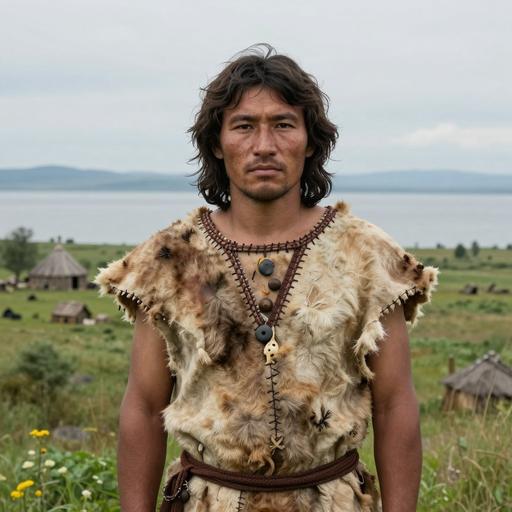
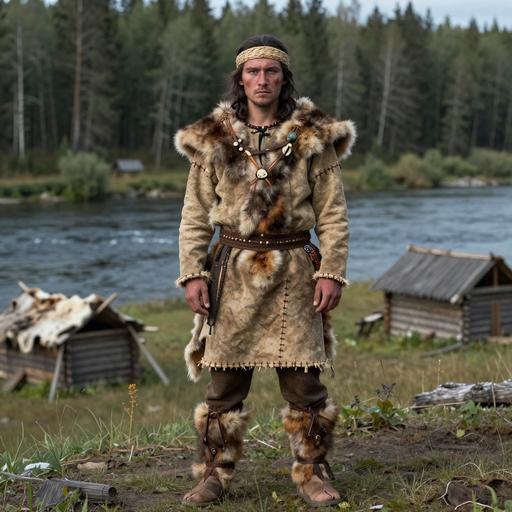
These ancient cultures have been linked to haplogroup Q1A2 based on matching ancient DNA samples from archaeological excavations. The presence of this haplogroup in these cultures provides insights into the migrations and population movements of populations carrying this haplogroup.

Altai-Sayan Andronovo Culture Angara River Culture Jierzankale Culture Lake Baikal Culture Lena River Culture Liushui Culture Murzikha Ob River Culture Ust-Belaya Culture Ust-Ida Culture
Culture assignments are based on archaeological context of ancient DNA samples and may represent regional associations during specific time periods.
Chapter V

Sample Catalog

6 direct carriers and 32 subclade carriers of haplogroup Q1A2

38 / 38 samples
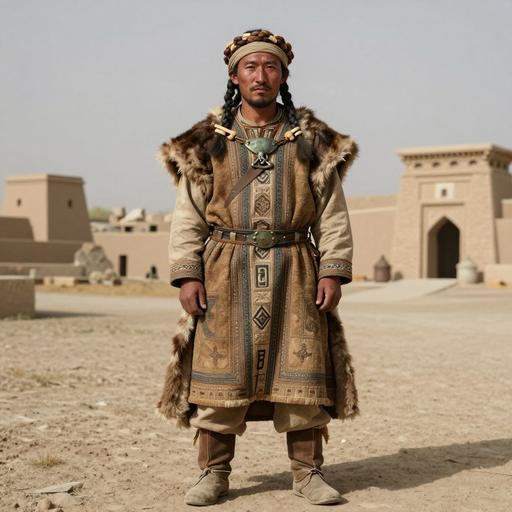
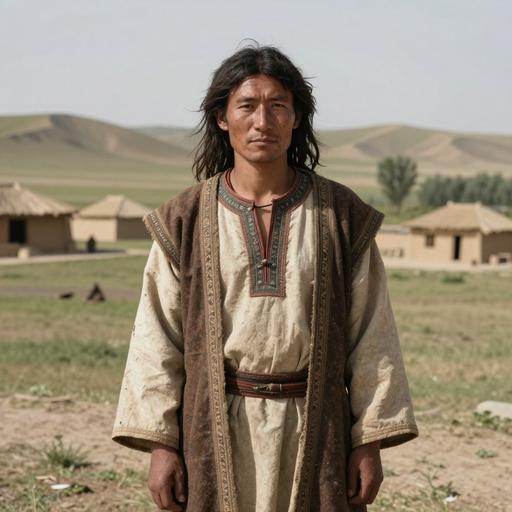
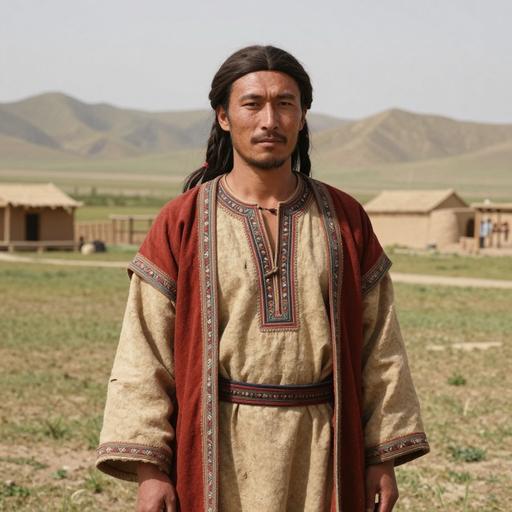
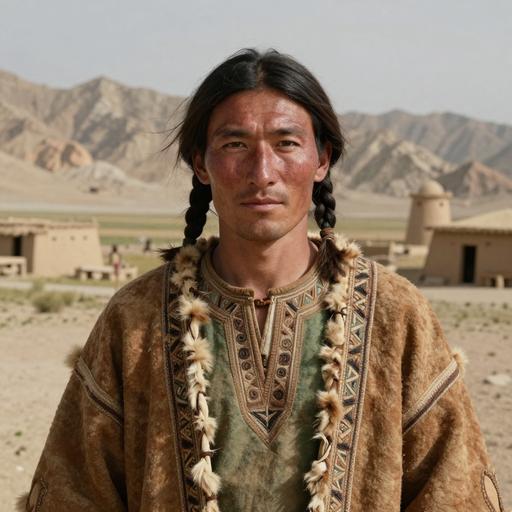
Portrait Sample Country Era Date Culture Y-DNA Match
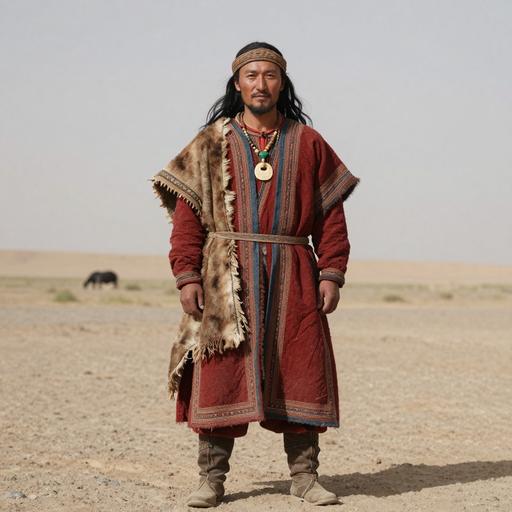
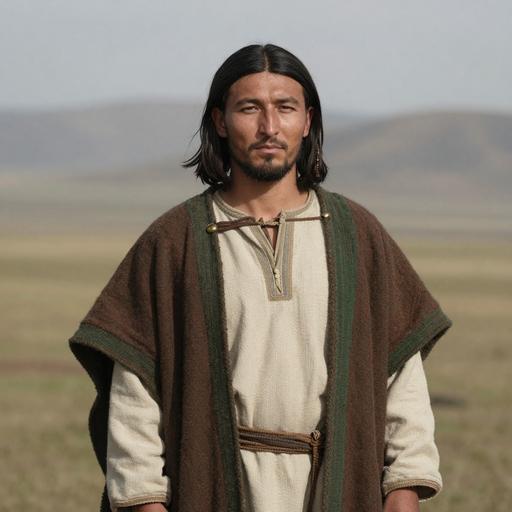
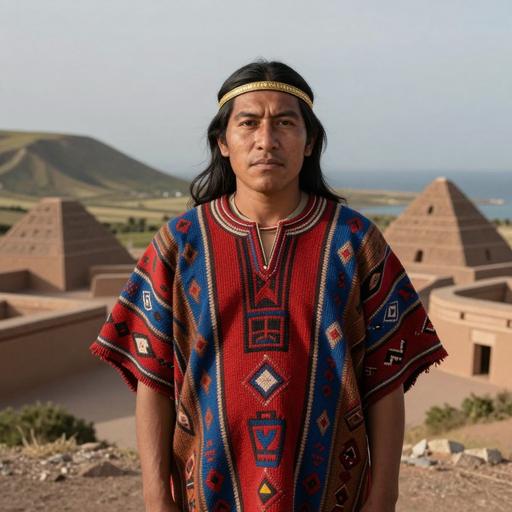
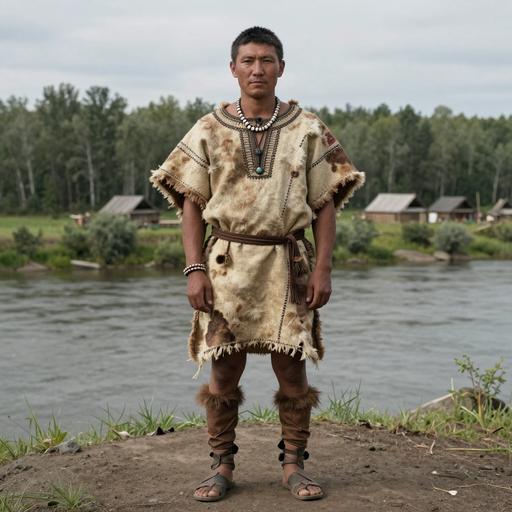
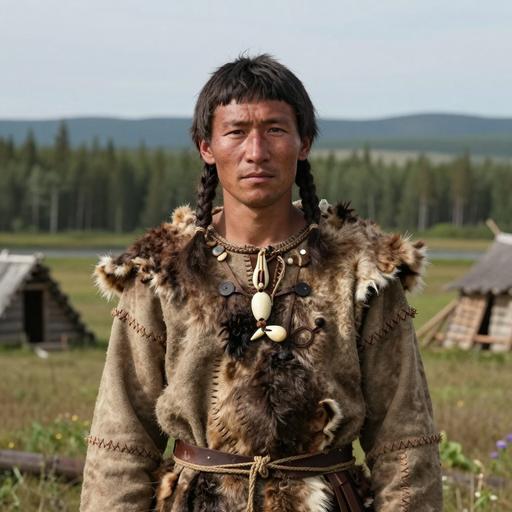
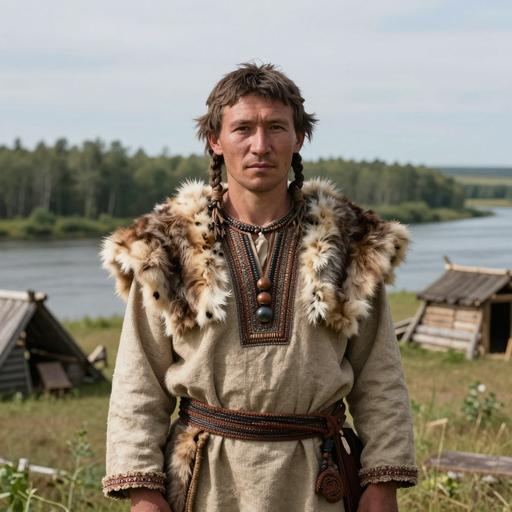
Portrait of ancient individual C1192 from China, dated 733 BCE - 397 BCE
C1192
China Iron Age Jierzankale, Xinjiang, China 733 BCE - 397 BCE Jierzankale Culture Q1a2 Direct
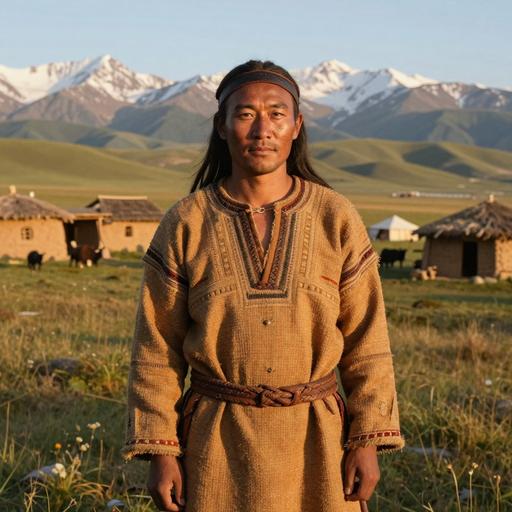
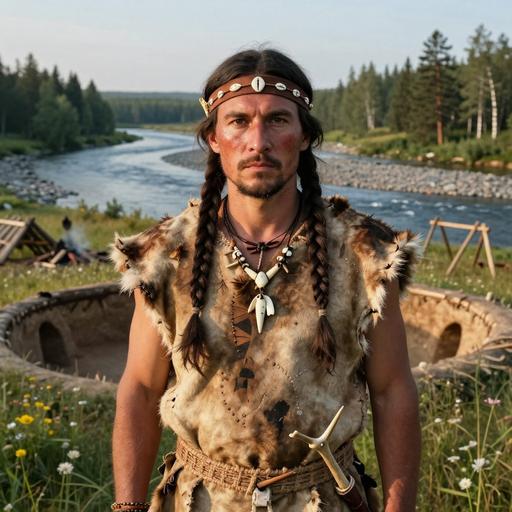
Portrait of ancient individual C1246 from China, dated 893 BCE - 795 BCE
C1246
China Iron Age Liushui, Xinjiang, China 893 BCE - 795 BCE Liushui Culture Q1a2 Direct
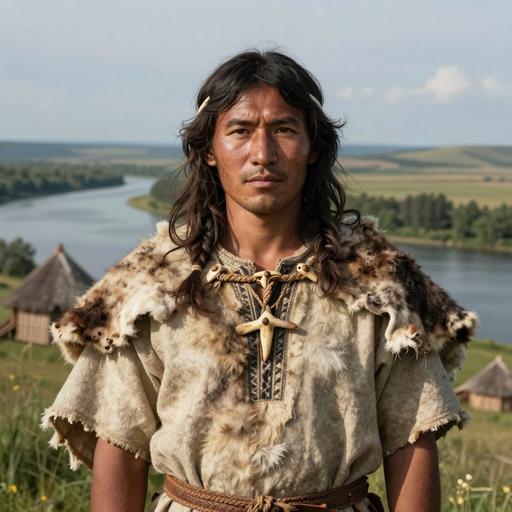
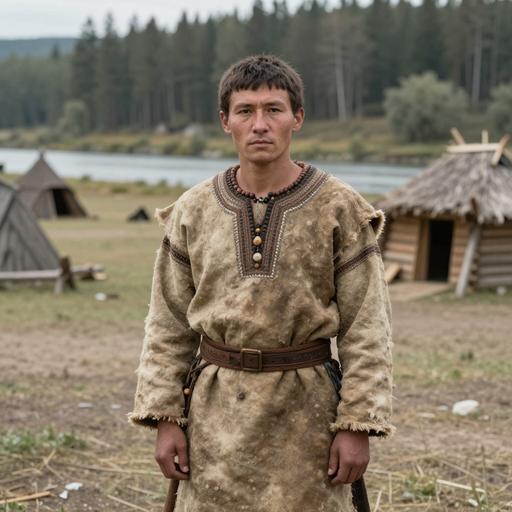
Portrait of ancient individual C1639 from China, dated 1620 BCE - 1462 BCE
C1639
China Late Bronze Age Andronovo Culture Wutulan, Xinjiang, China 1620 BCE - 1462 BCE Andronovo Culture Q1a2 Direct
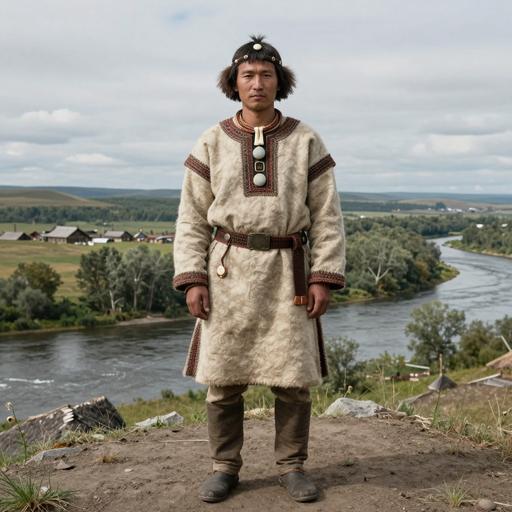
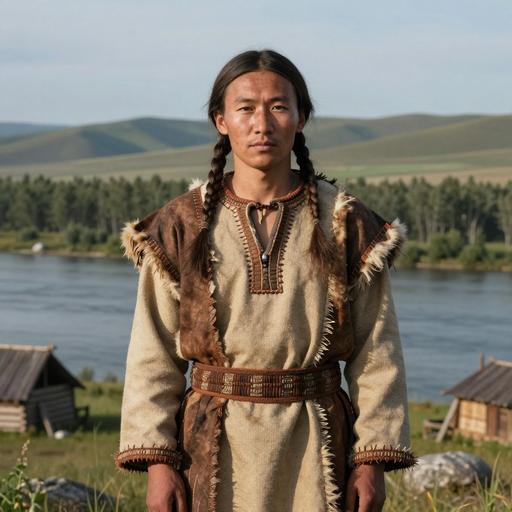
Portrait of ancient individual KAG002 from Russia, dated 1878 BCE - 1697 BCE
KAG002
Russia Early Bronze Age Lena River, Siberia, Russia 1878 BCE - 1697 BCE Lena River Culture Q1a2 Direct
Portrait of ancient individual irk057 from Russia, dated 2566 BCE - 2305 BCE
irk057
Russia The Angara River Broze Age Culture of Russia 2566 BCE - 2305 BCE Angara River Culture Q1a2 Direct
Portrait of ancient individual DA355 from Russia, dated 3644 BCE - 3372 BCE
DA355
Russia Late Neolithic Ust-Ida, Russia 3644 BCE - 3372 BCE Ust-Ida Culture Q1a2 Direct
Portrait of ancient individual C3625 from China, dated 84 CE - 239 CE
C3625
China Historical Sampula, China 84 CE - 239 CE Sampula Q1a2a1c Downstream
Portrait of ancient individual C3325 from China, dated 161 BCE - 8 BCE
C3325
China Iron Age Possible Scythian Wusun G218, Xinjiang, China 161 BCE - 8 BCE Wusun Culture Q1a2b2 Downstream
Portrait of ancient individual C4283 from China, dated 352 BCE - 109 BCE
C4283
China Iron Age Wutulan, Xinjiang, China 352 BCE - 109 BCE Wutulan Culture Q1a2a1c Downstream
Portrait of ancient individual I7022 from Mongolia, dated 389 BCE - 208 BCE
I7022
Mongolia Early Iron Age Sagly Culture 4, Mongolia 389 BCE - 208 BCE Sagly Culture Q1a2a-F4793 Downstream
Chapter VI

Carrier Distribution Map

Geographic distribution of 38 ancient DNA samples (direct and subclade carriers of Q1A2)

Direct carrier Subclade carrier
Time Period Filter
All Time Periods
Showing all samples
Chapter VII

Temporal Distribution

Distribution of carriers across archaeological periods

Chapter VIII

Geographic Distribution

Distribution by country of origin (direct and subclade carriers shown by default)

Chapter IX

Country × Era Distribution

Cross-tabulation of carrier countries and archaeological periods (direct and subclade carriers shown by default)

Data

Data & Provenance

Source information and data quality

Last Updated 2026-02-16
Confidence Score 50/100
Coverage Low
Data Source

We use the latest phylotree for YDNA haplogroup classification and data.