The Story
The journey of Y-DNA haplogroup Q1A2A1
Origins and Evolution
Y-DNA haplogroup Q1A2A1 is a subclade of Q1A2A, itself nested within the broader haplogroup Q branch of the Y-chromosome tree. Haplogroup Q is one of the most important paternal lineages linked to North Eurasian prehistory and the early population history of the Americas. As a downstream branch, Q1A2A1 likely represents a lineage that diversified after the establishment of its parent clade in northern Eurasian populations, probably during the late Upper Paleolithic or early Holocene.
Because detailed ancient-DNA resolution for this specific subclade is limited, its reconstruction relies on phylogenetic placement and the distribution of related Q lineages. The lineage is most plausibly associated with post-glacial population movements across Siberia and adjacent steppe-forest zones, where ancestral Q subclades expanded and later contributed to the ancestry of populations that moved into Beringia and the Americas.
Subclades
As an intermediate downstream clade, Q1A2A1 serves as a bridge between broader paternal ancestry in Q1A2A and more recently defined terminal branches. Exact internal branching may vary depending on the reference tree and the testing resolution used, but its phylogenetic significance lies in its position as part of the finer-scale diversification of Q lineages in northern Eurasia.
Geographical Distribution
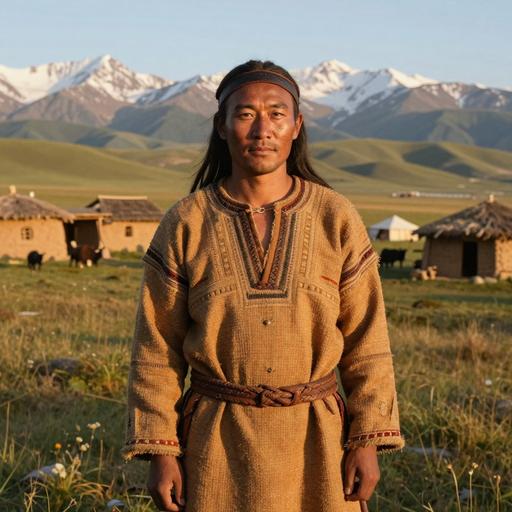
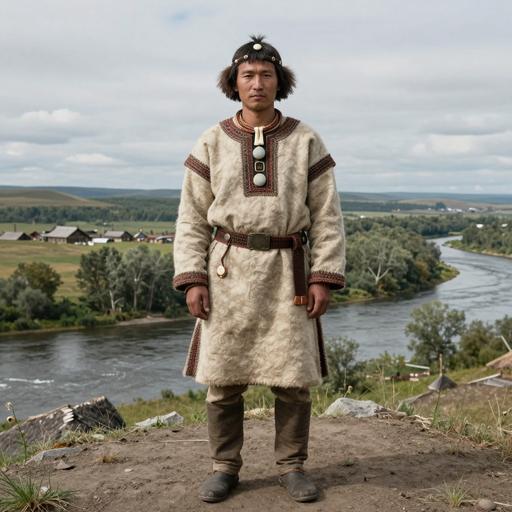
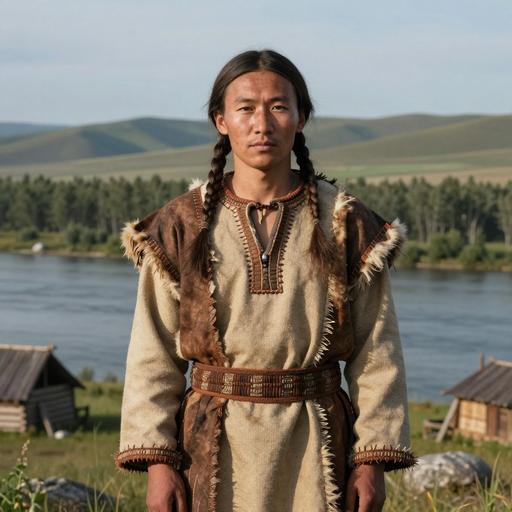
Q1A2A1 is expected to be found at low frequencies in several regions, with strongest relevance in Indigenous American, Siberian, and some Central Asian contexts. Like many subclades of haplogroup Q, its present-day distribution likely reflects a combination of ancient founder effects, population bottlenecks, and later regional expansions.
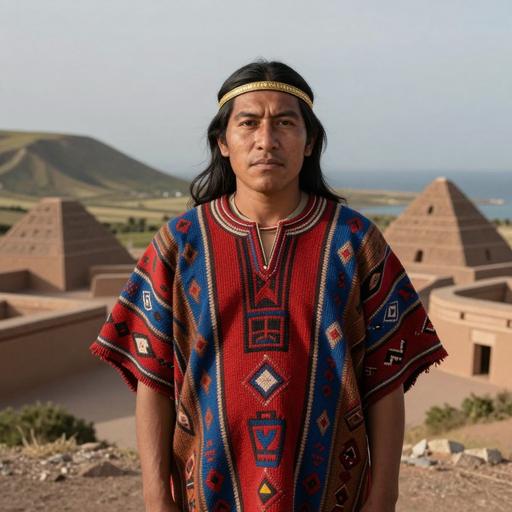
In the Americas, related Q branches are especially important among Indigenous peoples of North and South America, where paternal lineages descended from Beringian source populations became widespread. In Eurasia, this clade may persist in Siberian indigenous groups and in scattered form among Central Asian and limited West Eurasian populations, reflecting ancient gene flow and historical mobility across the northern Eurasian landmass.
Historical and Cultural Significance
Although Q1A2A1 itself is not yet strongly tied to a single named archaeological culture, its broader phylogenetic context connects it to major prehistoric developments:
- Late Upper Paleolithic / Early Holocene North Eurasian hunter-gatherers
- Beringian and pre-Beringian population structure relevant to the peopling of the Americas
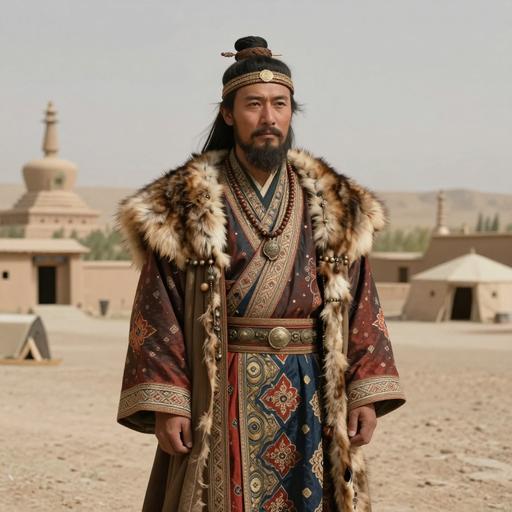
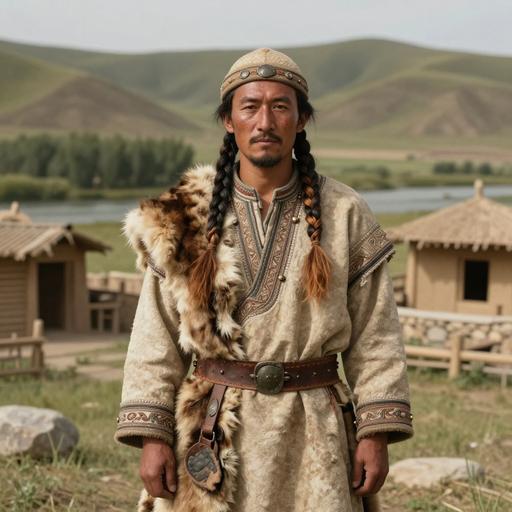
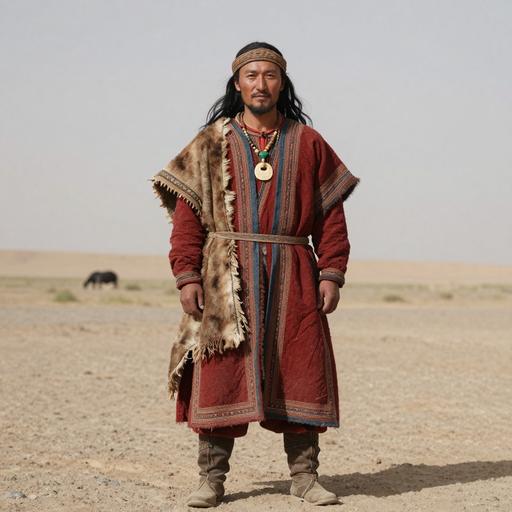
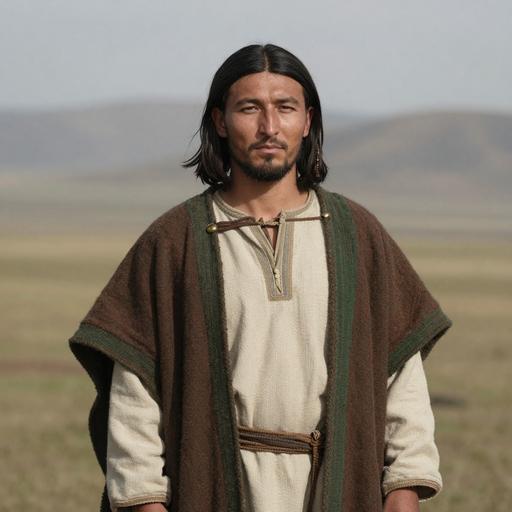
- Later Siberian and Central Asian mobility networks
The lineage is part of the wider story of how paternal lineages associated with northern Eurasian populations contributed to the ancestry of Native American founding populations. Its value in population genetics lies less in a single cultural label and more in its role as evidence for the deep structure and branching history of haplogroup Q.
Geographic Distribution by Region
The most plausible regional pattern for Q1A2A1 is a sparse but broad distribution across northern Eurasia and the Americas, usually at low frequency and often seen in highly specific subpopulations rather than across entire nations.
Conclusion
Y-DNA haplogroup Q1A2A1 is a relatively specific paternal lineage within haplogroup Q that reflects the deep population history of North Eurasia. Its phylogenetic placement suggests an origin in prehistoric northern Eurasian groups, with later dispersal and retention in Siberian, Central Asian, and Indigenous American-related populations through founder effects and long-range migrations.
Key Points
- Origins and Evolution
- Subclades
- Geographical Distribution
- Historical and Cultural Significance
- Geographic Distribution by Region