Menu
Y-DNA Haplogroup • Paternal Lineage

R1B1A

Y-DNA Haplogroup R1B1A

~20,000 years ago
West Eurasia
2 subclades
39 ancient samples
Scroll to explore
Chapter I

The Story

The journey of Y-DNA haplogroup R1B1A

Origins and Evolution

Y-DNA haplogroup R1B1A sits as an early downstream branch of R1B1 and likely formed in West Eurasia during the Late Upper Paleolithic to the early postglacial period. Its inferred age (on the order of ~20 kya) places its origin after the deeper split of R1B but before the major Neolithic and Bronze Age demographic shifts that reshaped European paternal lineages. As with many early R1b branches, R1B1A's history is reconstructed from a combination of modern Y-chromosome diversity, phylogenetic placement, and the increasing, but still sparse, ancient DNA record (26 identified ancient occurrences in the referenced database). Modern reclassification of R1b subclades means that older literature may label related lineages differently; many downstream lineages important in Europe (notably M269-bearing clades) are distinguished in current nomenclature.

Subclades (if applicable)

R1B1A itself is an upstream grouping that gave rise to multiple descendant lineages over the Late Pleistocene and Holocene. In contemporary phylogenies, some lineages once grouped under R1B1A have been redefined or moved into more specific downstream labels (for example, lineages that later lead to the widespread M269 clade). Because nomenclature and marker definitions have evolved, specific subclade names and defining SNPs should be checked against up-to-date Y-SNP trees (ISOGG, YFull, or primary literature). Archaeogenetic sampling suggests that some sub-branches persisted regionally through the Mesolithic and Neolithic and later contributed to Bronze Age expansions.

Geographical Distribution

R1B1A shows its strongest representation in western parts of Europe but also appears at lower frequencies across parts of Central and Eastern Europe, the Caucasus, North Africa, the Near East, and pockets of Central Asia. The pattern is consistent with an origin in West Eurasia followed by localized persistence and later dispersals. Its modern distribution is shaped by a combination of deep Paleolithic settlement, interactions with incoming Neolithic farmers, and Bronze Age migrations that redistributed R1b diversity across Europe. Lower-frequency occurrences in North Africa and parts of Sub-Saharan Africa likely reflect later gene flow, ancient trans-Mediterranean contacts, or local survival of older lineages.

Historical and Cultural Significance

While R1B1A predates named archaeological cultures, its descendant lineages intersect with major cultural horizons. The later, more derived R1b lineages (which share ancestry with R1B1A) are prominent in contexts tied to the Bronze Age steppe expansions, the Bell Beaker phenomenon in Western Europe, and the spread of Indo-European-associated groups in some models. R1B1A and its descendants thus provide a genetic thread linking Paleolithic substrata with Neolithic farmers and Bronze Age mobile pastoralists, and they are informative for understanding population turnovers, continuity, and admixture in prehistoric Europe.

Evidence and Limitations

The picture of R1B1A's history uses modern Y-chromosome sampling, targeted ancient DNA recoveries, and phylogenetic inference. The limited number of ancient R1B1A-classified samples (26 in the referenced database) constrains fine-scale reconstruction; ongoing ancient DNA studies and high-resolution Y-SNP genotyping are crucial to clarify internal branching, precise ages, and migration pathways. Additionally, changes in haplogroup naming conventions mean historical reports must be interpreted with care.

Conclusion

R1B1A represents an important early branch of the R1b family with deep West Eurasian roots and a role in the complex demographic processes that produced modern European paternal variation. It bridges Paleolithic ancestry and the later demographic events of the Neolithic and Bronze Age, and continued sampling and phylogenetic refinement will improve resolution of its substructure and historical movements.

Key Points

  • Origins and Evolution

  • Subclades (if applicable)
  • Geographical Distribution

  • Historical and Cultural Significance
  • Evidence and Limitations
Chapter II

Tree & Relationships

Phylogenetic context and subclades

Evolution Path

This haplogroup's evolutionary journey from its earliest ancestor to the present.

Steps Haplogroup Age Estimate Archaeology Era Time Passed Immediate Descendants Tested Modern Descendants Ancient Connections
1 R1B1A Current ~20,000 years ago 🏹 Mesolithic 20,000 years 2 22 39

Siblings (1)

Other branches from the same parent haplogroup

Chapter III

Where in the World

Geographic distribution and modern presence

Place of Origin

West Eurasia

Modern Distribution

The populations where Y-DNA haplogroup R1B1A is found include:

  1. Western Europeans (especially in the British Isles, France, and Spain)
  2. Central Europeans (Germany, Switzerland, Austria)
  3. Some populations in Eastern Europe
  4. Basques
  5. North Africans (lower frequencies)
  6. Sub-Saharan African groups (notably some Chadic-speaking peoples, lower frequencies)
  7. Populations in the Caucasus region
  8. Some populations in the Middle East
  9. Some populations in Central Asia

Regional Presence

Western Europe High
Central Europe Moderate
Eastern Europe Low
North Africa Low
Sub-Saharan Africa Low
Near East / Western Asia Low
Central Asia Low
Caucasus Low
CHAPTER IV

When in Time

Your haplogroup in the context of human history

~20k years ago

Last Glacial Maximum

Peak of the last ice age, populations isolated

~20k years ago

Haplogroup R1B1A

Your Y-DNA haplogroup emerged in West Eurasia

West Eurasia
~10k years ago

Neolithic Revolution

Agriculture begins, settled communities form

~5k years ago

Bronze Age

Metalworking, writing, and early civilizations

~3k years ago

Iron Age

Iron tools, expanded trade networks

~2k years ago

Classical Antiquity

Greek and Roman civilizations flourish

Present

Present Day

Modern era

Your Haplogroup
Historical Era
Chapter IV-B

Linked Cultures

Ancient cultures associated with Y-DNA haplogroup R1B1A

Cultural Heritage

These ancient cultures have been linked to haplogroup R1B1A based on matching ancient DNA samples from archaeological excavations. The presence of this haplogroup in these cultures provides insights into the migrations and population movements of populations carrying this haplogroup.

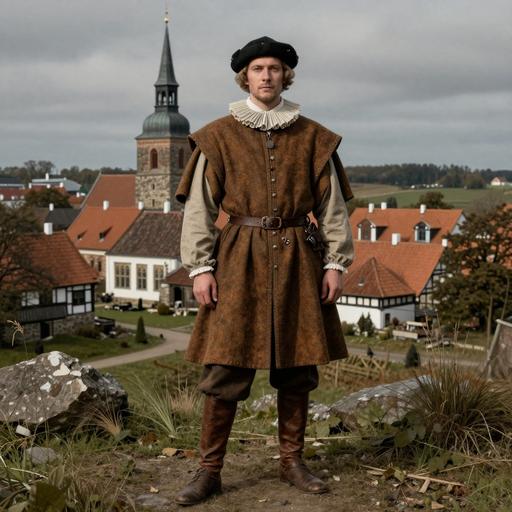
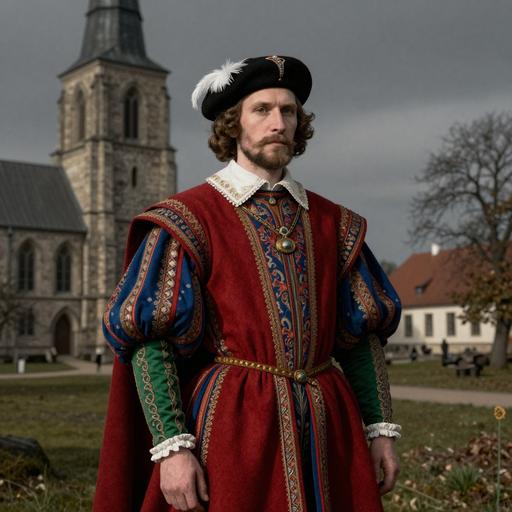
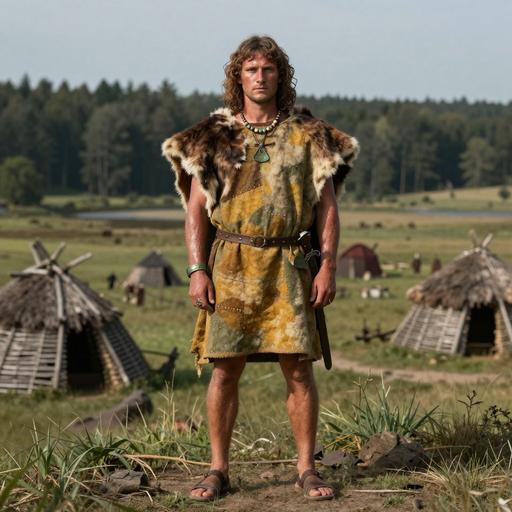
Cardial Culture Danish Medieval Danish Post-Medieval Los Millares
Culture assignments are based on archaeological context of ancient DNA samples and may represent regional associations during specific time periods.
Chapter V

Sample Catalog

25 direct carriers and 14 subclade carriers of haplogroup R1B1A

39 / 39 samples
Portrait Sample Country Era Date Culture Y-DNA Match
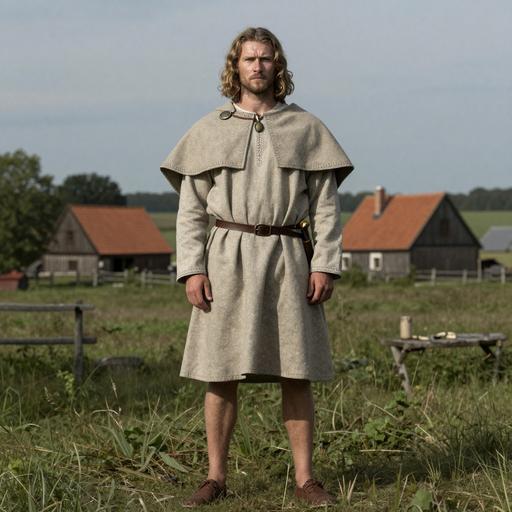
Portrait of ancient individual CGG100686 from Denmark, dated 1000 CE - 1300 CE
CGG100686
Denmark Medieval Danish 1000 CE - 1300 CE Danish Medieval R1b1a Direct
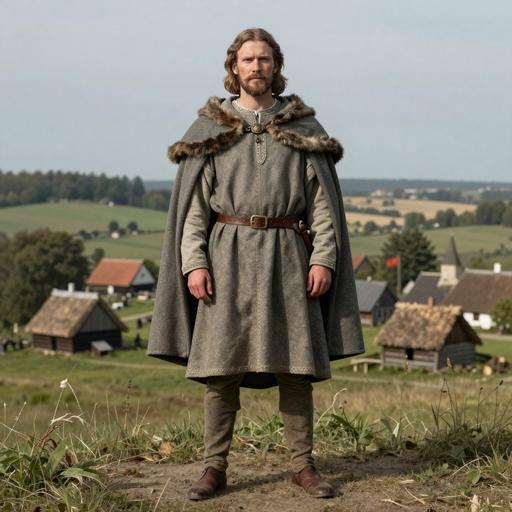
Portrait of ancient individual CGG100750 from Denmark, dated 1000 CE - 1300 CE
CGG100750
Denmark Medieval Danish 1000 CE - 1300 CE Danish Medieval R1b1a Direct
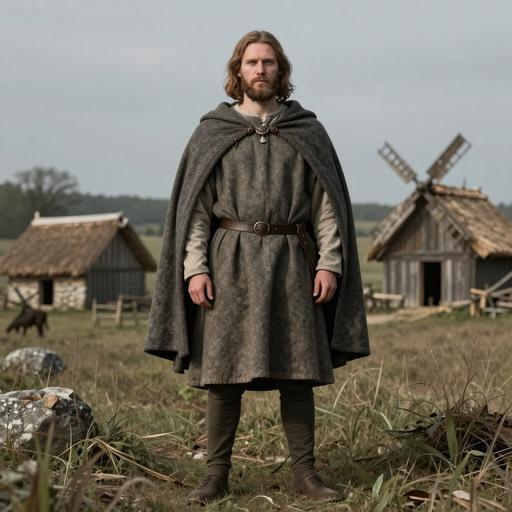
Portrait of ancient individual CGG100918 from Denmark, dated 1000 CE - 1300 CE
CGG100918
Denmark Medieval Danish 1000 CE - 1300 CE Danish Medieval R1b1a Direct
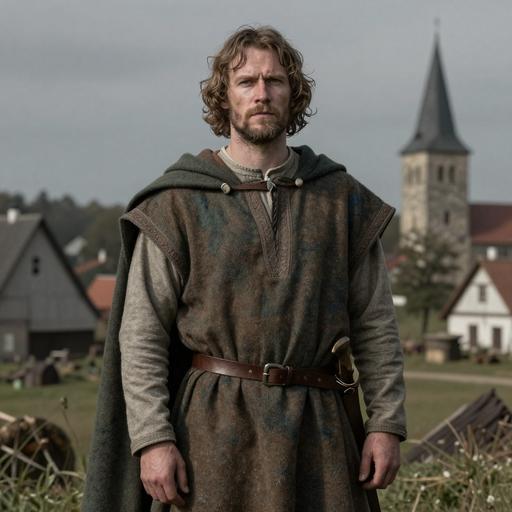
Portrait of ancient individual CGG100951 from Denmark, dated 1000 CE - 1300 CE
CGG100951
Denmark Medieval Danish 1000 CE - 1300 CE Danish Medieval R1b1a Direct
Portrait of ancient individual CGG101873 from Denmark, dated 1000 CE - 1800 CE
CGG101873
Denmark Medieval Danish 1000 CE - 1800 CE Danish Medieval R1b1a Direct
Portrait of ancient individual CGG100493 from Denmark, dated 1275 CE - 1400 CE
CGG100493
Denmark Medieval Danish 1275 CE - 1400 CE Danish Medieval R1b1a Direct
Portrait of ancient individual CGG100512 from Denmark, dated 1280 CE - 1392 CE
CGG100512
Denmark Medieval Danish 1280 CE - 1392 CE Danish Medieval R1b1a Direct
Portrait of ancient individual CGG100678 from Denmark, dated 1300 CE - 1350 CE
CGG100678
Denmark Medieval Danish 1300 CE - 1350 CE Danish Medieval R1b1a Direct
Portrait of ancient individual CGG100682 from Denmark, dated 1300 CE - 1350 CE
CGG100682
Denmark Medieval Danish 1300 CE - 1350 CE Danish Medieval R1b1a Direct
Portrait of ancient individual CGG100689 from Denmark, dated 1300 CE - 1350 CE
CGG100689
Denmark Medieval Danish 1300 CE - 1350 CE Danish Medieval R1b1a Direct
Chapter VI

Carrier Distribution Map

Geographic distribution of 39 ancient DNA samples (direct and subclade carriers of R1B1A)

Direct carrier Subclade carrier
Time Period Filter
All Time Periods
Showing all samples
Chapter VII

Temporal Distribution

Distribution of carriers across archaeological periods

Chapter VIII

Geographic Distribution

Distribution by country of origin (direct and subclade carriers shown by default)

Chapter IX

Country × Era Distribution

Cross-tabulation of carrier countries and archaeological periods (direct and subclade carriers shown by default)

Data

Data & Provenance

Source information and data quality

Last Updated 2026-02-16
Confidence Score 50/100
Coverage Low
Data Source

We use the latest phylotree for YDNA haplogroup classification and data.