انتقل إلى المحتوى الرئيسي
mtDNA · سلالة أمومية

L0D2

mtDNA Haplogroup L0D2

ملف مرجعي لفرع واحد من السلالة. لا تثبت المجموعات الفردانية المشتركة صلة عائلية ولا تحدّد الهوية الثقافية.

الملف المرجعي

خلفية الفرع

السياق التاريخي لفرع L0D2 من سلالة mtDNA

Origins and Evolution

Haplogroup L0D2 is a subclade of the deep-rooting African lineage L0d, itself part of the earliest branching of the human mitochondrial tree (haplogroup L0). As a descendant of the L0d1'2 node, L0D2 represents a lineage that likely arose in southern Africa during the Late Pleistocene, with a plausible coalescence time on the order of tens of thousands of years ago (here estimated around ~70 kya based on the time depth of L0d and observed internal diversity). The deep divergence of L0 lineages indicates that L0D2 is part of an ancient maternal substratum that predates many later population movements across Africa.

Subclades (if applicable)

L0D2 itself can contain internal diversity (subclades often labeled L0d2a, L0d2b etc. in different phylogenies), but many of these finer branches are relatively rare and geographically restricted. Because L0d lineages are highly diverse and their internal branching is still refined as more complete mitochondrial genomes are analyzed, the detailed subclade structure of L0D2 continues to be clarified by ongoing sequencing studies. Where present, subclades of L0D2 reflect long-term local differentiation in southern African forager populations.

Geographical Distribution

L0D2 is primarily documented in southern Africa, especially among Khoe-San (often referred to in older literature as "Khoisan") groups and social populations with substantial Khoe-San ancestry. Its geographic distribution is strongly centered on regions that are the traditional territories of San and Khoe-speaking peoples (parts of present-day Namibia, Botswana, and South Africa). Low-frequency occurrences of L0D2 (or closely related L0d lineages) are reported in neighboring Bantu-speaking populations and admixed groups, reflecting female-mediated gene flow from Khoe-San groups into incoming agriculturalist communities during the Holocene.

Ancient DNA research from southern Africa has corroborated that deep-branching L0d lineages were present in pre-agricultural populations of the region, supporting a model of long-term maternal continuity in parts of southern Africa.

Historical and Cultural Significance

Because L0D2 and related L0d lineages are concentrated in Khoe-San and allied populations, they are important genetic markers for reconstructing the demographic history of southern African hunter-gatherers and pastoralists. The presence of L0D2 in some Bantu-speaking and admixed populations documents Holocene-era admixture events during and after the Bantu expansions, as well as continued interaction between forager and farmer groups. In population-genetic studies, L0D2 contributes to estimates of ancient population structure, local continuity, and the timing of population splits in southern Africa.

Conclusion

mtDNA L0D2 is an ancient maternal lineage characteristic of southern African Khoe-San populations and their genetic legacy. It serves as a useful marker for studies of Late Pleistocene and Holocene demographic processes in southern Africa, and ongoing whole-mitochondrial sequencing continues to refine its internal structure and geographic history.

أبرز النقاط

  • Origins and Evolution
  • Subclades (if applicable)
  • Geographical Distribution
  • Historical and Cultural Significance
  • Conclusion
الملف المرجعي

شجرة السلالة والفروع المرتبطة

موضع الفرع في شجرة السلالة وفروعه الفرعية

مسار تفرّع السلالة

تتبّع الفروع الأصلية المسجّلة وصولًا إلى L0D2. التواريخ تقديرية وقد تتغيّر عند تحديث البيانات المرجعية.

خطوات التفرّع المجموعة الفردانية العمر التقديري الحقبة الأثرية المدة المنقضية الفروع المباشرة العينات الحديثة المختبَرة الارتباطات القديمة
1 L0D2 الفرع الحالي ~70,000 years ago Paleolithic 70,000 سنة 2 5 0
2 L0D1'2 - - - 2 14 0
3 L0d ~120,000 years ago Paleolithic 120,000 سنة 2 24 4
4 L0 ~170,000 years ago Paleolithic 170,000 سنة 3 384 6
5 L ~160,000 years ago Paleolithic 160,000 سنة 2 32,236 5

الفروع الشقيقة (1)

فروع أخرى من المجموعة الفردانية الأصلية نفسها

الملف المرجعي

أماكن وجود الفرع

التوزيع الجغرافي والوجود الحالي

الأصل المسجّل

Southern Africa

التوزيع الحالي

The populations where mtDNA haplogroup L0D2 is found include:

  1. San / Ju|'hoan and other San groups (southern Africa)
  2. Khoe-speaking populations (e.g., Nama, Khomani)
  3. Coloured and admixed populations of South Africa and Namibia
  4. Southern African Bantu-speaking groups (low frequency, due to admixture)
  5. Neighbouring pastoralist and forager groups in Botswana and Angola (localized occurrences)
  6. Low-frequency occurrences reported in broader southern African archaeological samples and some modern populations with Khoe-San ancestry
السياق التاريخي

تاريخ الفرع

تقدير زمن نشأة الفرع ضمن تسلسل تاريخي عام. توفّر الفترات سياقًا زمنيًا دون إثبات صلة بثقافات بعينها.

  1. ~70k سنة مضت

    الهجرة من أفريقيا

    هجرة كبرى للبشر المعاصرين من أفريقيا

  2. ~70k سنة مضت

    المجموعة الفردانية L0D2

    تقدير نشأة فرع mtDNA. التواريخ والمواقع تقديرات مرجعية.

    هذا الفرع
  3. ~50k سنة مضت

    العصر الحجري القديم الأعلى

    تطوّر صناعة الأدوات والفنون وتنوّع الممارسات الثقافية

  4. ~20k سنة مضت

    ذروة العصر الجليدي الأخير

    بلغ التجلّد ذروته وانعزلت مجموعات سكانية

  5. ~10k سنة مضت

    ثورة العصر الحجري الحديث

    ظهور الزراعة وتشكّل المجتمعات المستقرّة

  6. ~5k سنة مضت

    العصر البرونزي

    صناعة المعادن والكتابة والحضارات المبكرة

  7. ~3k سنة مضت

    العصر الحديدي

    أدوات الحديد واتّساع شبكات التجارة

  8. ~2.5k سنة مضت

    العصور الكلاسيكية القديمة

    ازدهار الحضارتين اليونانية والرومانية

  9. Present

    الحاضر

    العصر الحديث

الملف المرجعي

السياق الأثري

الارتباطات الأثرية المسجّلة لفرع L0D2 من mtDNA

الارتباطات المسجّلة

تصف هذه التسميات السياقات الأثرية المسجّلة للعينات المرجعية المرتبطة بـ L0D2. لا يثبت الارتباط انتماء جميع حاملي الفرع إلى ثقافة بعينها أو اتّباعهم مسار هجرة محدّدًا.

Early Iron Age Fingira Culture Makwasinyi Malawian LSA Middle Iron Age Mtwapa Pemba Phase I Tanzanian Prehistoric Terminal Stone Age
يستند تصنيف الثقافات إلى السياق الأثري لعينات الحمض النووي القديم، وقد يعكس ارتباطات إقليمية خلال فترات محدّدة.
الملف المرجعي

فهرس العينات

عينات المجموعة الفردانية L0D2: 1 مطابقة مباشرة و@downstreamCount من الفروع الفرعية

5 معروضة · 5 عينة مطابقة

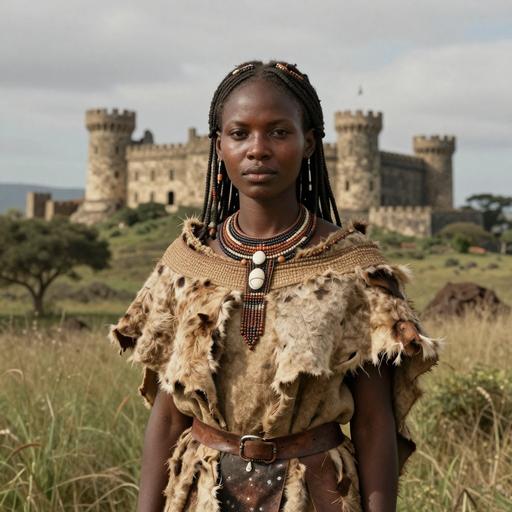
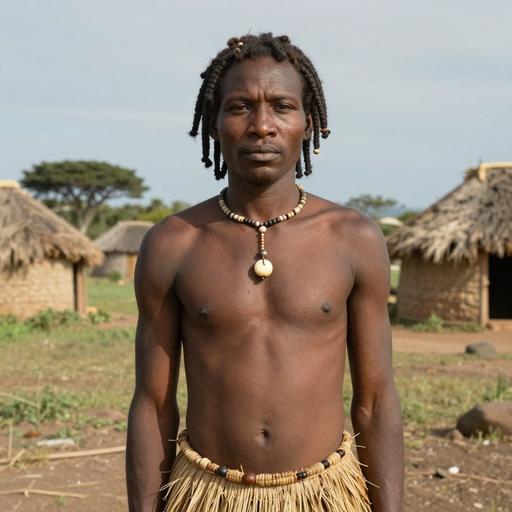
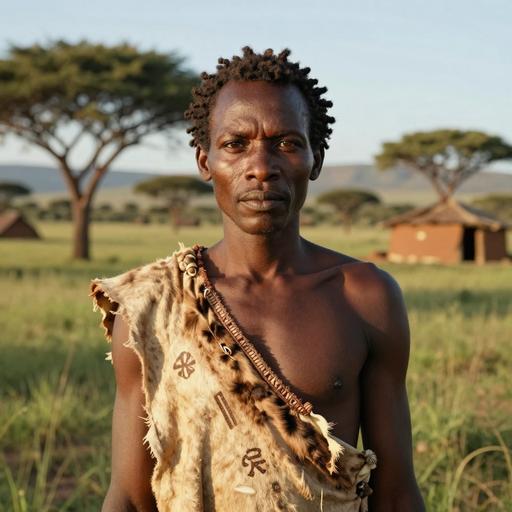
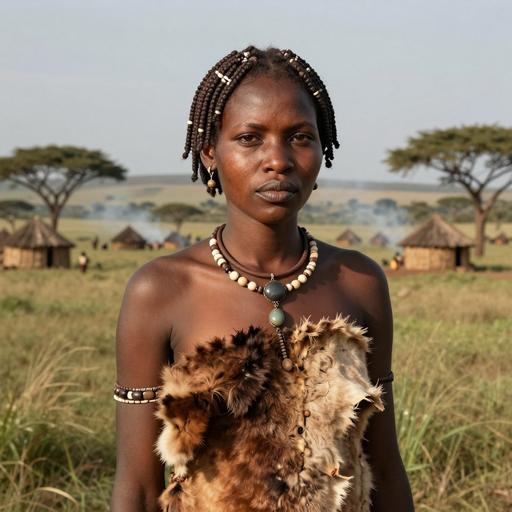
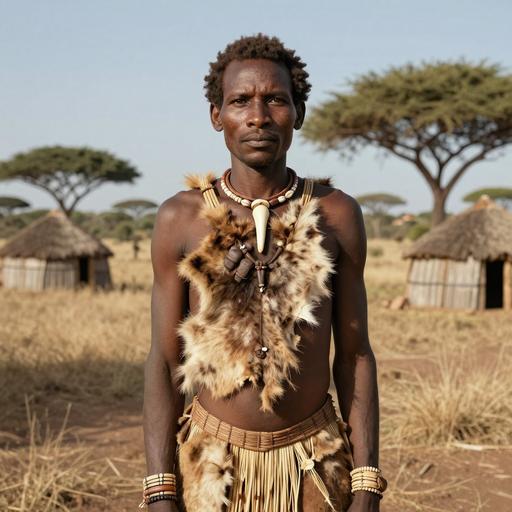
الصور الشخصية رسوم مولّدة بالذكاء الاصطناعي. تحدّد أسماء العينات ومعرّفات الإيداع السجلات المرجعية.

الصورة الشخصية العينة البلد الحقبة التاريخ الثقافة mtDNA نوع التطابق
صورة توضيحية مولّدة بالذكاء الاصطناعي للعينة South Africa individual, Champagne Castle, South Africa (1,504-1,793 CE)
معرّف العينة: cha001
South Africa South Africa 2200 Years Before Present 1504-1793 calCE (310±30 BP, Beta-398218) Terminal Stone Age L0d2 تطابق مباشر
صورة توضيحية مولّدة بالذكاء الاصطناعي للعينة South Africa individual, Ballito Bay A, South Africa (38-120 BCE)
معرّف العينة: baa001
South Africa SouthAfrica 1900BP 38 calBCE - 120 calCE (1980±20 BP, Pta-5796) Middle Iron Age L0d2c1 فرع فرعي
صورة توضيحية مولّدة بالذكاء الاصطناعي للعينة Bantu individual, Ballito Bay B, South Africa (163-20 BCE)
معرّف العينة: bab001
South Africa South Africa 2000 Years Before Present 163 BCE - 20 BCE Early Iron Age L0d2a1 فرع فرعي
صورة توضيحية مولّدة بالذكاء الاصطناعي للعينة Bantu individual, Doonside, South Africa (343-56 BCE)
معرّف العينة: doo001
South Africa South Africa 2000 Years Before Present 343 BCE - 56 BCE Early Iron Age L0d2a1a فرع فرعي
صورة توضيحية مولّدة بالذكاء الاصطناعي للعينة Bantu individual, St. Helena, South Africa (403-201 BCE)
معرّف العينة: KhoesanLeipzigHunter
South Africa South Africa 2200 Years Before Present 403 BCE - 201 BCE Terminal Stone Age L0d2c1 فرع فرعي
أمومية · الحمض النووي القديم

خريطة الأدلة القديمة للسلالة

تتبّع الفروع الأصلية المؤدية إلى هذا الفرع واستكشف مواقع العثور على العينات القديمة المرتبطة به.

جارٍ تحميل السجلات القديمة…

تشير العلامات إلى مواقع الاكتشافات الأثرية. يشير الخط المتقطّع إلى انتقال جغرافي محتمل بين فرعين متتاليين تدعمه عدة سجلات مؤرّخة. لا يحدّد مسارًا دقيقًا أو مكان نشأة ولا يثبت انحدارًا مباشرًا. قد تنتمي عينات الفروع الأصلية إلى فروع متفرّعة أخرى. تبقى الفجوات حيث لا تكفي الأدلة. تختلف تواريخ العينات عن تواريخ نشأة المجموعات الفردانية.

الملف المرجعي

خريطة توزيع العينات

التوزيع الجغرافي لعينات الحمض النووي القديم المطابقة مباشرةً للمجموعة L0D2 أو لفروعها الفرعية. عدد العينات: 5

عينة مطابقة مباشرةً عينة من فرع فرعي
التصفية حسب الفترة
جميع الفترات
تُعرض جميع العينات
الملف المرجعي

التوزيع الزمني

توزيع العينات عبر الفترات الأثرية

الملف المرجعي

التوزيع الجغرافي

عدد العينات حسب بلدها المسجّل. تعكس الأعداد العينات المرجعية المتاحة دون قياس تواتر المجموعات الفردانية بين السكان.

الملف المرجعي

توزيع العينات حسب البلد والحقبة

قارن أعداد العينات المسجّلة حسب البلدان والفترات الأثرية. اختر خلية تحتوي على نتائج للاطّلاع على إحدى العينات.

البيانات

البيانات ومصادرها

معلومات المصادر وجودة البيانات

آخر تحديث 2026-06-14
درجة الثقة 50/100
التغطية Low

مصدر البيانات

يعكس التصنيف والتواريخ التقديرية والسياق الجغرافي البيانات المرجعية المسجّلة، وقد تتغيّر مع مراجعة الأدلة. تختلف تغطية العينات، ولا تثبت المواقع المسجّلة والارتباطات الأثرية الأصول الشخصية أو الهوية الثقافية.