انتقل إلى المحتوى الرئيسي
mtDNA · سلالة أمومية

M3C

mtDNA Haplogroup M3C

ملف مرجعي لفرع واحد من السلالة. لا تثبت المجموعات الفردانية المشتركة صلة عائلية ولا تحدّد الهوية الثقافية.

الملف المرجعي

خلفية الفرع

السياق التاريخي لفرع M3C من سلالة mtDNA

Origins and Evolution

mtDNA haplogroup M3C is an internal subclade of the broader South Asian haplogroup M3, itself derived from macro-haplogroup M. While the parent clade M3 is estimated to have arisen in South Asia in the Late Pleistocene (roughly ~25 kya), M3C appears to be a younger offshoot that most likely diversified in the Early to Mid Holocene (on the order of ~8–12 kya). The emergence of M3C reflects continued local diversification of maternal lineages in South Asia after the Last Glacial Maximum as populations adapted to changing environments and demographic shifts.

The phylogenetic position of M3C as an intermediate clade means it retains diagnostic mutations that connect it to M3 while also possessing unique private mutations distinguishing descendant lineages. Its age and topology are consistent with a lineage that developed within long-standing South Asian maternal diversity rather than representing a recent immigrant lineage.

Subclades (if applicable)

As an intermediate clade within the M3 tree, M3C may contain internal sub-branches (for example M3C1, M3C2 where defined by specific studies) although published sampling is often sparse compared with major continental haplogroups. Where subclades have been reported, they tend to show localized geographic structure (restricted to particular states, tribal groups, or island populations) consistent with limited female-mediated gene flow and retention of maternal founder effects.

Geographical Distribution

M3C is largely a South Asian-centered lineage with detectable low-frequency occurrences beyond the subcontinent due to historical and prehistoric gene flow. Observed distribution patterns include:

  • Concentrations across India among both tribal (indigenous) groups and many caste populations, often at low to moderate frequencies depending on the sampled group.
  • Presence in Sri Lanka and Nepal with sporadic occurrences reflecting regional continuity across the Indian Ocean rim and Himalayan foothills.
  • Low-frequency occurrences in Pakistan, Bangladesh, and parts of Central and Southeast Asia that are best interpreted as results of prehistoric connectivity and later trans-regional movements.
  • Very low frequencies in modern diaspora populations in Europe and the Americas, reflecting recent migration from South Asia.

Ancient DNA surveys from South Asia have also recovered M3-class haplotypes in a small number of Holocene individuals, supporting its long-term presence in the region.

Historical and Cultural Significance

Because M3C is nested within a deeply rooted South Asian maternal clade, it is informative for reconstructing regional demographic history: the persistence of M3C indicates continuity of maternal lineages through the Late Pleistocene into the Holocene and through major cultural transitions. Although M3C is not tied exclusively to any single archaeological culture, its distribution overlaps with:

  • Mesolithic and early Holocene forager communities, reflecting continuity from pre-agricultural populations in parts of the subcontinent.
  • Neolithic sites such as Mehrgarh and other early farming contexts in South Asia where maternal lineages show both continuity and admixture between forager and incoming agricultural groups.
  • Bronze Age Indus Valley (Harappan) populations and later South Asian cultural horizons in which M3-derived lineages persisted, often in mixed form with other regional maternal haplogroups.

Overall, M3C functions as a marker of deep indigenous maternal ancestry in South Asia rather than an identifier of a single culture or migration event.

Conclusion

mtDNA haplogroup M3C is a South Asian-rooted maternal lineage that illustrates local post-glacial diversification of the M3 clade. Its age in the Early Holocene, concentration in the subcontinent, and spotty presence in adjacent regions align with a model of long-term regional continuity punctuated by limited female-biased dispersals and later historical migrations. As sampling increases (especially ancient DNA from South Asia), the internal structure and precise demographic history of M3C will become clearer, refining its role in reconstructing South Asian maternal population history.

أبرز النقاط

  • Origins and Evolution
  • Subclades (if applicable)
  • Geographical Distribution
  • Historical and Cultural Significance
  • Conclusion
الملف المرجعي

شجرة السلالة والفروع المرتبطة

موضع الفرع في شجرة السلالة وفروعه الفرعية

مسار تفرّع السلالة

تتبّع الفروع الأصلية المسجّلة وصولًا إلى M3C. التواريخ تقديرية وقد تتغيّر عند تحديث البيانات المرجعية.

خطوات التفرّع المجموعة الفردانية العمر التقديري الحقبة الأثرية المدة المنقضية الفروع المباشرة العينات الحديثة المختبَرة الارتباطات القديمة
1 M3C الفرع الحالي ~9,000 years ago Neolithic 9,000 سنة 2 11 1
2 M3 ~25,000 years ago Paleolithic 25,000 سنة 4 95 3
3 M ~60,000 years ago Paleolithic 60,000 سنة 42 2,671 41
4 L3 ~70,000 years ago Paleolithic 70,000 سنة 7 30,162 6
5 L3'4 - - - 2 30,212 0
6 L3'4'6 - - - 2 30,216 0
7 L2'3'4'6 - - - 2 31,333 0
8 L2'3'4'5'6'7 - - - 2 31,349 0
9 L1'2'3'4'5'6'7 - - - 2 31,852 0
10 L ~160,000 years ago Paleolithic 160,000 سنة 2 32,236 5

الفروع الشقيقة (3)

فروع أخرى من المجموعة الفردانية الأصلية نفسها

الملف المرجعي

أماكن وجود الفرع

التوزيع الجغرافي والوجود الحالي

الأصل المسجّل

South Asia

التوزيع الحالي

The populations where mtDNA haplogroup M3C is found include:

  1. Various South Asian populations (tribal groups and caste populations across India)
  2. Sri Lankan populations (Tamil and Sinhalese groups)
  3. Pakistani populations (selected groups in Punjab, Sindh and adjoining regions)
  4. Bangladeshi populations (low to moderate frequencies in some groups)
  5. Nepalese and Himalayan highland populations (sporadic occurrences)
  6. Central Asian populations (low frequency, typically due to gene flow)
  7. Southeast Asian groups (rare occurrences in Myanmar/Thailand region)
  8. Regional island populations in the Indian Ocean rim (low frequency)
  9. Modern diaspora populations in Europe and the Americas (very low frequency)
  10. Ancient South Asian archaeological individuals (identified in a small number of Holocene ancient DNA samples)
السياق التاريخي

تاريخ الفرع

تقدير زمن نشأة الفرع ضمن تسلسل تاريخي عام. توفّر الفترات سياقًا زمنيًا دون إثبات صلة بثقافات بعينها.

  1. ~10k سنة مضت

    ثورة العصر الحجري الحديث

    ظهور الزراعة وتشكّل المجتمعات المستقرّة

  2. ~9k سنة مضت

    المجموعة الفردانية M3C

    تقدير نشأة فرع mtDNA. التواريخ والمواقع تقديرات مرجعية.

    هذا الفرع
  3. ~5k سنة مضت

    العصر البرونزي

    صناعة المعادن والكتابة والحضارات المبكرة

  4. ~3k سنة مضت

    العصر الحديدي

    أدوات الحديد واتّساع شبكات التجارة

  5. ~2.5k سنة مضت

    العصور الكلاسيكية القديمة

    ازدهار الحضارتين اليونانية والرومانية

  6. Present

    الحاضر

    العصر الحديث

الملف المرجعي

السياق الأثري

الارتباطات الأثرية المسجّلة لفرع M3C من mtDNA

الارتباطات المسجّلة

تصف هذه التسميات السياقات الأثرية المسجّلة للعينات المرجعية المرتبطة بـ M3C. لا يثبت الارتباط انتماء جميع حاملي الفرع إلى ثقافة بعينها أو اتّباعهم مسار هجرة محدّدًا.

British Neolithic Caishichang Culture Goyet Cave Gravettian Hetian Culture Ostuni Culture Roopkund Culture Spanish Gravettian
يستند تصنيف الثقافات إلى السياق الأثري لعينات الحمض النووي القديم، وقد يعكس ارتباطات إقليمية خلال فترات محدّدة.
الملف المرجعي

فهرس العينات

عدد عينات الفروع الفرعية للمجموعة الفردانية M3C هو 1. لا توجد عينات مطابقة مباشرةً في المجموعة المرجعية الحالية.

1 معروضة · 1 عينة مطابقة

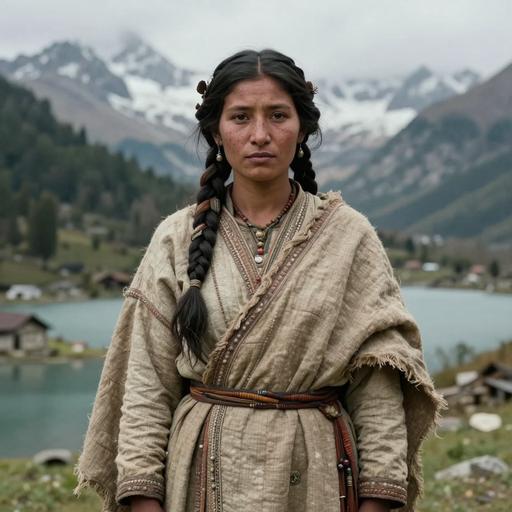
الصور الشخصية رسوم مولّدة بالذكاء الاصطناعي. تحدّد أسماء العينات ومعرّفات الإيداع السجلات المرجعية.

الصورة الشخصية العينة البلد الحقبة التاريخ الثقافة mtDNA نوع التطابق
صورة توضيحية مولّدة بالذكاء الاصطناعي للعينة Roopkund- A individual, Uttaranchal. Himalaya. Roopkund, India (772-950 CE)
معرّف العينة: I2872
India India Roopkund A 772-950 calCE (1175±20 BP, PSUAMS-5431) Roopkund Culture M3c2 فرع فرعي
أمومية · الحمض النووي القديم

خريطة الأدلة القديمة للسلالة

تتبّع الفروع الأصلية المؤدية إلى هذا الفرع واستكشف مواقع العثور على العينات القديمة المرتبطة به.

جارٍ تحميل السجلات القديمة…

تشير العلامات إلى مواقع الاكتشافات الأثرية. يشير الخط المتقطّع إلى انتقال جغرافي محتمل بين فرعين متتاليين تدعمه عدة سجلات مؤرّخة. لا يحدّد مسارًا دقيقًا أو مكان نشأة ولا يثبت انحدارًا مباشرًا. قد تنتمي عينات الفروع الأصلية إلى فروع متفرّعة أخرى. تبقى الفجوات حيث لا تكفي الأدلة. تختلف تواريخ العينات عن تواريخ نشأة المجموعات الفردانية.

الملف المرجعي

خريطة توزيع العينات

التوزيع الجغرافي لعينات الحمض النووي القديم المطابقة مباشرةً للمجموعة M3C أو لفروعها الفرعية. عدد العينات: 1

عينة من فرع فرعي
التصفية حسب الفترة
جميع الفترات
تُعرض جميع العينات
الملف المرجعي

التوزيع الزمني

توزيع العينات عبر الفترات الأثرية

الملف المرجعي

التوزيع الجغرافي

عدد العينات حسب بلدها المسجّل. تعكس الأعداد العينات المرجعية المتاحة دون قياس تواتر المجموعات الفردانية بين السكان.

الملف المرجعي

توزيع العينات حسب البلد والحقبة

قارن أعداد العينات المسجّلة حسب البلدان والفترات الأثرية. اختر خلية تحتوي على نتائج للاطّلاع على إحدى العينات.

البيانات

البيانات ومصادرها

معلومات المصادر وجودة البيانات

آخر تحديث 2026-02-16
درجة الثقة 50/100
التغطية Low

مصدر البيانات

يعكس التصنيف والتواريخ التقديرية والسياق الجغرافي البيانات المرجعية المسجّلة، وقد تتغيّر مع مراجعة الأدلة. تختلف تغطية العينات، ولا تثبت المواقع المسجّلة والارتباطات الأثرية الأصول الشخصية أو الهوية الثقافية.