انتقل إلى المحتوى الرئيسي
mtDNA · سلالة أمومية

U6A6

mtDNA Haplogroup U6A6

ملف مرجعي لفرع واحد من السلالة. لا تثبت المجموعات الفردانية المشتركة صلة عائلية ولا تحدّد الهوية الثقافية.

الملف المرجعي

خلفية الفرع

السياق التاريخي لفرع U6A6 من سلالة mtDNA

Origins and Evolution

mtDNA haplogroup U6A6 is a downstream branch of U6A, itself a major subclade of U6 that has long been associated with North African maternal lineages. U6A is thought to have diverged in North Africa during the Late Pleistocene (~22 kya) and subsequently diversified. U6A6 likely arose later, during the Early Holocene (roughly 9 kya, with uncertainty), as local U6A diversity increased following the Last Glacial Maximum and during post-glacial demographic expansions in North Africa.

The precise coalescence date for U6A6 is uncertain because of limited published ancient DNA samples assigned specifically to this subclade. Estimates here rely on the position of U6A6 within the U6A phylogeny and typical mutation-rate calibrations used in mitochondrial studies. As with many downstream mtDNA clades, U6A6's emergence likely reflects local population growth and substructure rather than a single abrupt migration event.

Subclades (if applicable)

U6A6 is an intermediate terminal clade in published phylogenies; depending on sequencing depth and sample coverage, small downstream branches of U6A6 may be recognized in large dataset analyses. Published literature more frequently treats U6A and its major subdivisions; therefore, U6A6 may be represented by a few population-specific lineages rather than a broad, deeply branched subclade. Continued mitogenome sequencing of North African and adjacent Mediterranean populations will clarify whether U6A6 contains stable, geographically structured sub-branches.

Geographical Distribution

U6A6 shows its highest frequencies and diversity in North Africa, particularly among Berber-speaking communities of Morocco, Algeria and Tunisia. From North Africa it has been carried at low to moderate frequencies into adjacent regions: the Iberian Peninsula (southwestern Spain and Portugal) via prehistoric and historic trans-Mediterranean contacts, the Canary Islands through pre-Hispanic colonization from North Africa (where other U6 lineages are common), and into parts of East Africa and the Near East at low frequencies likely driven by ancient and historic gene flow.

The geographic pattern of U6A6 — concentrated in North Africa with scattered presence around the western Mediterranean and into East Africa — mirrors the broader distribution of U6 sublineages and supports a model of long-term local continuity in North Africa combined with episodic dispersals across the Mediterranean and along African corridors.

Historical and Cultural Significance

Genetically, U6 lineages (including U6A and its subclades) are often used as markers of indigenous North African maternal ancestry. U6A6's presence in Berber populations links it to the deep pre-Neolithic and Holocene history of the Maghreb. Archaeologically, U6A6 is plausibly associated with North African Mesolithic and early Holocene cultural horizons (for example, cultures collectively characterized in some literature as the Capsian or regional hunter-gatherer/early food-procurement groups), though direct ancient-DNA attribution to specific archaeological cultures is still limited.

The subclade's low-frequency occurrence in Iberia and the Canary Islands is consistent with prehistoric trans-Mediterranean movements (including maritime contacts) and later historic interactions (Phoenician, Roman, Islamic periods), as well as with the well-documented North African contribution to the maternal gene pool of the Canary Islands' indigenous Guanche population.

Conclusion

U6A6 represents a regionally informative, North African-centered maternal lineage deriving from the broader U6A clade. Its pattern — concentrated in the Maghreb with peripheral low-frequency occurrences in neighboring regions — underscores North Africa's role as both a long-term refugium and a source of limited outward maternal gene flow into the western Mediterranean and parts of Africa and the Near East. Continued targeted mitogenome sequencing and ancient DNA recovery from North Africa and adjacent regions will refine the age, internal structure, and dispersal history of U6A6.

أبرز النقاط

  • Origins and Evolution
  • Subclades (if applicable)
  • Geographical Distribution
  • Historical and Cultural Significance
  • Conclusion
الملف المرجعي

شجرة السلالة والفروع المرتبطة

موضع الفرع في شجرة السلالة وفروعه الفرعية

مسار تفرّع السلالة

تتبّع الفروع الأصلية المسجّلة وصولًا إلى U6A6. التواريخ تقديرية وقد تتغيّر عند تحديث البيانات المرجعية.

خطوات التفرّع المجموعة الفردانية العمر التقديري الحقبة الأثرية المدة المنقضية الفروع المباشرة العينات الحديثة المختبَرة الارتباطات القديمة
1 U6A6 الفرع الحالي ~9,000 years ago Neolithic 9,000 سنة 1 2 0
2 U6A ~25,000 years ago Paleolithic 25,000 سنة 5 87 5
3 U6A'B'D - - - 2 127 0
4 U6 ~35,000 years ago Paleolithic 35,000 سنة 3 146 10
5 U ~46,000 years ago Paleolithic 46,000 سنة 5 5,557 110
6 R ~55,000 years ago Paleolithic 55,000 سنة 17 22,830 57
7 NA - - - 1 22,830 0
8 N ~60,000 years ago Paleolithic 60,000 سنة 16 26,150 13
9 L3 ~70,000 years ago Paleolithic 70,000 سنة 7 30,162 6
10 L3'4 - - - 2 30,212 0
11 L3'4'6 - - - 2 30,216 0
12 L2'3'4'6 - - - 2 31,333 0
13 L2'3'4'5'6'7 - - - 2 31,349 0
14 L1'2'3'4'5'6'7 - - - 2 31,852 0
15 L ~160,000 years ago Paleolithic 160,000 سنة 2 32,236 5

الفروع الفرعية (1)

الفروع الشقيقة (4)

فروع أخرى من المجموعة الفردانية الأصلية نفسها

الملف المرجعي

أماكن وجود الفرع

التوزيع الجغرافي والوجود الحالي

الأصل المسجّل

North Africa

التوزيع الحالي

The populations where mtDNA haplogroup U6A6 is found include:

  1. North African Berber populations (Morocco, Algeria, Tunisia)
  2. Indigenous Guanche population of the Canary Islands (and their descendants)
  3. Iberian Peninsula (southwestern Spain and Portugal)
  4. East African populations (Ethiopia, Somalia) at low frequencies
  5. Near Eastern coastal populations at low frequencies
  6. Sporadic presence in southern France, Sicily and other Mediterranean coastal populations
السياق التاريخي

تاريخ الفرع

تقدير زمن نشأة الفرع ضمن تسلسل تاريخي عام. توفّر الفترات سياقًا زمنيًا دون إثبات صلة بثقافات بعينها.

  1. ~10k سنة مضت

    ثورة العصر الحجري الحديث

    ظهور الزراعة وتشكّل المجتمعات المستقرّة

  2. ~9k سنة مضت

    المجموعة الفردانية U6A6

    تقدير نشأة فرع mtDNA. التواريخ والمواقع تقديرات مرجعية.

    هذا الفرع
  3. ~5k سنة مضت

    العصر البرونزي

    صناعة المعادن والكتابة والحضارات المبكرة

  4. ~3k سنة مضت

    العصر الحديدي

    أدوات الحديد واتّساع شبكات التجارة

  5. ~2.5k سنة مضت

    العصور الكلاسيكية القديمة

    ازدهار الحضارتين اليونانية والرومانية

  6. Present

    الحاضر

    العصر الحديث

الملف المرجعي

السياق الأثري

الارتباطات الأثرية المسجّلة لفرع U6A6 من mtDNA

الارتباطات المسجّلة

تصف هذه التسميات السياقات الأثرية المسجّلة للعينات المرجعية المرتبطة بـ U6A6. لا يثبت الارتباط انتماء جميع حاملي الفرع إلى ثقافة بعينها أو اتّباعهم مسار هجرة محدّدًا.

Epipalaeolithic North African Iberomaurusian Ifri n'Amr Kaf Taht el-Ghar Medieval Norse Moroccan Transitional Nazari Culture Peștera Muierii Tunisia_N
يستند تصنيف الثقافات إلى السياق الأثري لعينات الحمض النووي القديم، وقد يعكس ارتباطات إقليمية خلال فترات محدّدة.
الملف المرجعي

فهرس العينات

عدد عينات الفروع الفرعية للمجموعة الفردانية U6A6 هو 3. لا توجد عينات مطابقة مباشرةً في المجموعة المرجعية الحالية.

3 معروضة · 3 عينة مطابقة

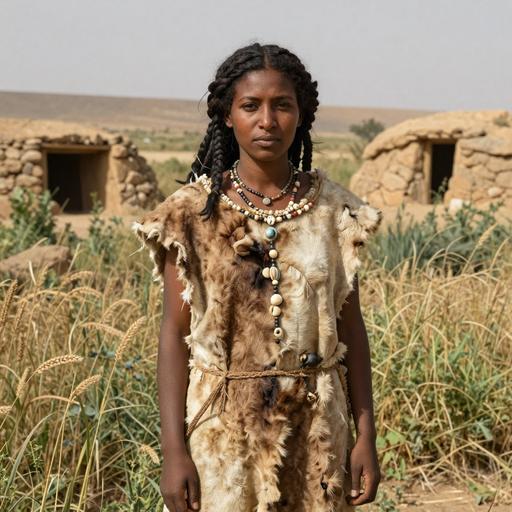
الصور الشخصية رسوم مولّدة بالذكاء الاصطناعي. تحدّد أسماء العينات ومعرّفات الإيداع السجلات المرجعية.

الصورة الشخصية العينة البلد الحقبة التاريخ الثقافة mtDNA نوع التطابق
صورة توضيحية مولّدة بالذكاء الاصطناعي للعينة Epipaleolithic individual, Ifri Ouberrid, Morocco (5,710-5,556 BCE)
معرّف العينة: oub002
Morocco Epipalaeolithic Era in North Africa 5680-5550calBCE (6706±31; Ua56649) Epipalaeolithic North African U6a6b فرع فرعي
صورة توضيحية مولّدة بالذكاء الاصطناعي للعينة Paleolithic individual, Taforalt, Morocco (12,849-12,097 BCE)
معرّف العينة: TAF009
Morocco Morocco Iberomaurusian 12849 BCE - 12097 BCE Iberomaurusian U6a6b فرع فرعي
صورة توضيحية مولّدة بالذكاء الاصطناعي للعينة Iberomaurusian individual, Taforalt, Morocco (12,849-12,097 BCE)
معرّف العينة: TAF009
Morocco The Iberomaurusian Culture 12849 BCE - 12097 BCE Iberomaurusian U6a6b فرع فرعي
أمومية · الحمض النووي القديم

خريطة الأدلة القديمة للسلالة

تتبّع الفروع الأصلية المؤدية إلى هذا الفرع واستكشف مواقع العثور على العينات القديمة المرتبطة به.

جارٍ تحميل السجلات القديمة…

تشير العلامات إلى مواقع الاكتشافات الأثرية. يشير الخط المتقطّع إلى انتقال جغرافي محتمل بين فرعين متتاليين تدعمه عدة سجلات مؤرّخة. لا يحدّد مسارًا دقيقًا أو مكان نشأة ولا يثبت انحدارًا مباشرًا. قد تنتمي عينات الفروع الأصلية إلى فروع متفرّعة أخرى. تبقى الفجوات حيث لا تكفي الأدلة. تختلف تواريخ العينات عن تواريخ نشأة المجموعات الفردانية.

الملف المرجعي

خريطة توزيع العينات

التوزيع الجغرافي لعينات الحمض النووي القديم المطابقة مباشرةً للمجموعة U6A6 أو لفروعها الفرعية. عدد العينات: 3

عينة من فرع فرعي
التصفية حسب الفترة
جميع الفترات
تُعرض جميع العينات
الملف المرجعي

التوزيع الزمني

توزيع العينات عبر الفترات الأثرية

الملف المرجعي

التوزيع الجغرافي

عدد العينات حسب بلدها المسجّل. تعكس الأعداد العينات المرجعية المتاحة دون قياس تواتر المجموعات الفردانية بين السكان.

الملف المرجعي

توزيع العينات حسب البلد والحقبة

قارن أعداد العينات المسجّلة حسب البلدان والفترات الأثرية. اختر خلية تحتوي على نتائج للاطّلاع على إحدى العينات.

البيانات

البيانات ومصادرها

معلومات المصادر وجودة البيانات

آخر تحديث 2026-02-16
درجة الثقة 50/100
التغطية Low

مصدر البيانات

يعكس التصنيف والتواريخ التقديرية والسياق الجغرافي البيانات المرجعية المسجّلة، وقد تتغيّر مع مراجعة الأدلة. تختلف تغطية العينات، ولا تثبت المواقع المسجّلة والارتباطات الأثرية الأصول الشخصية أو الهوية الثقافية.