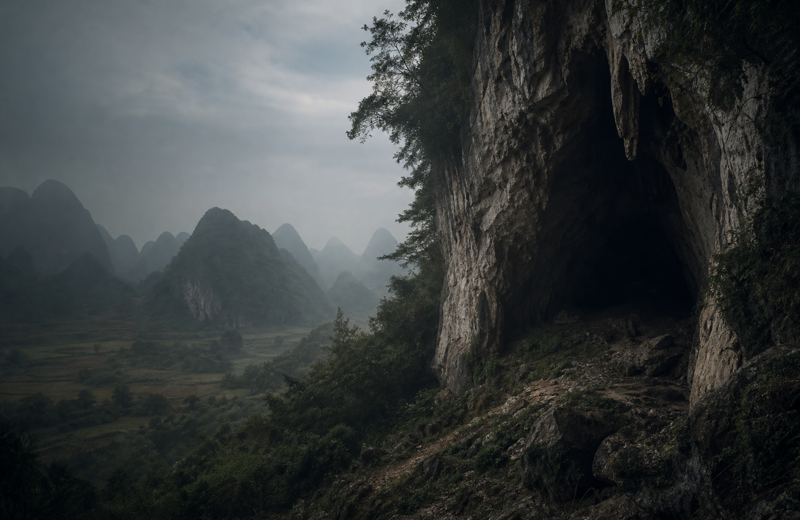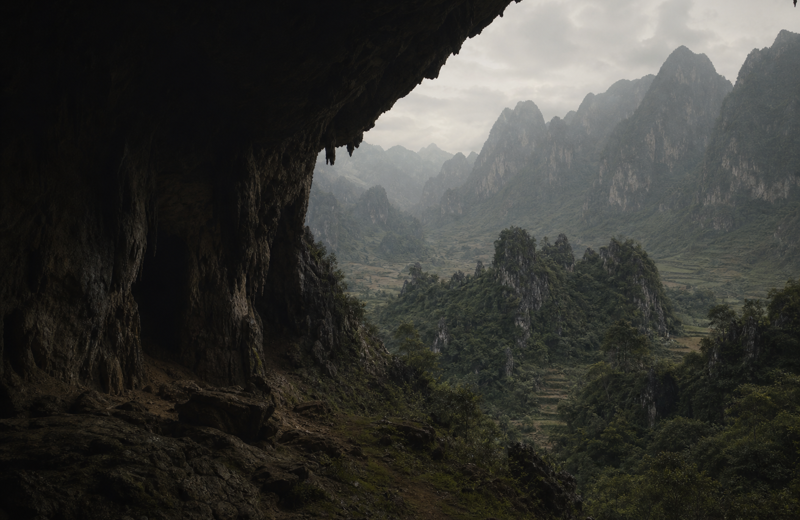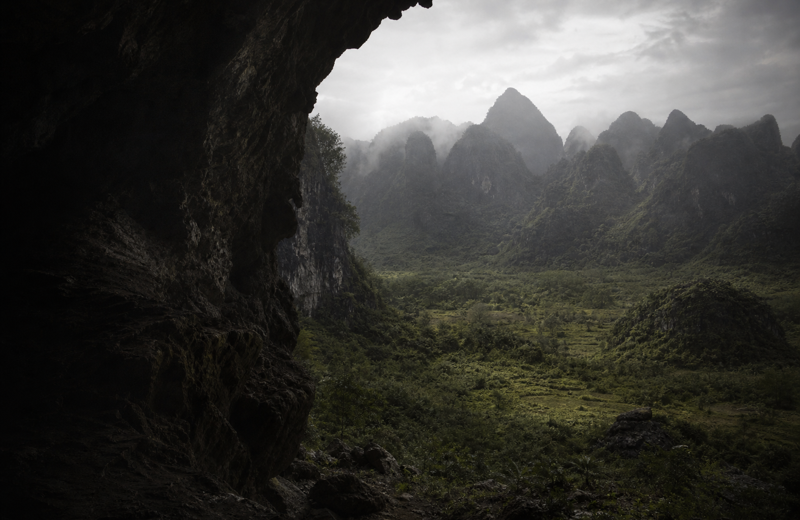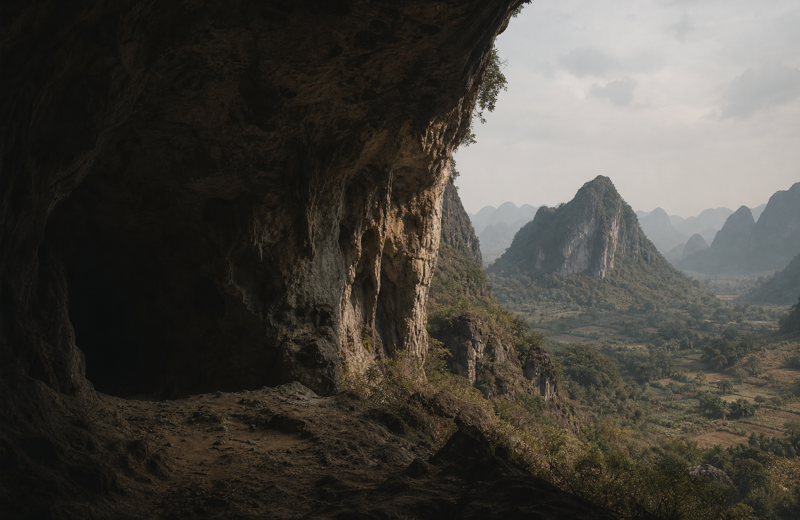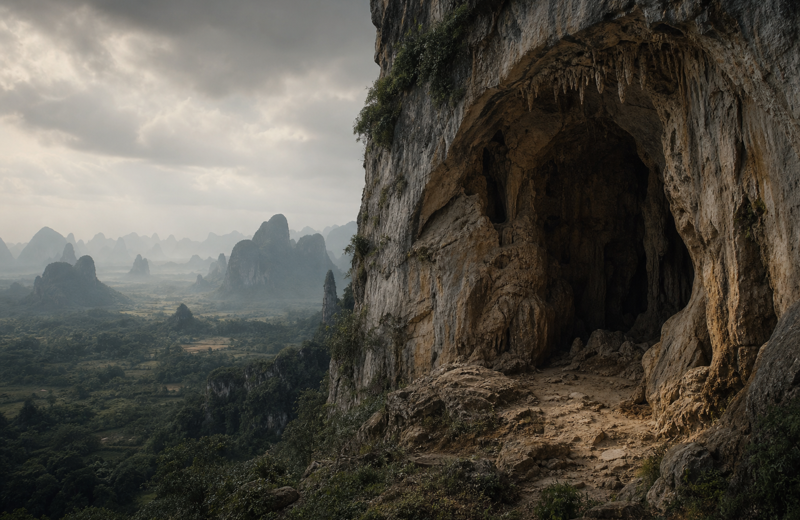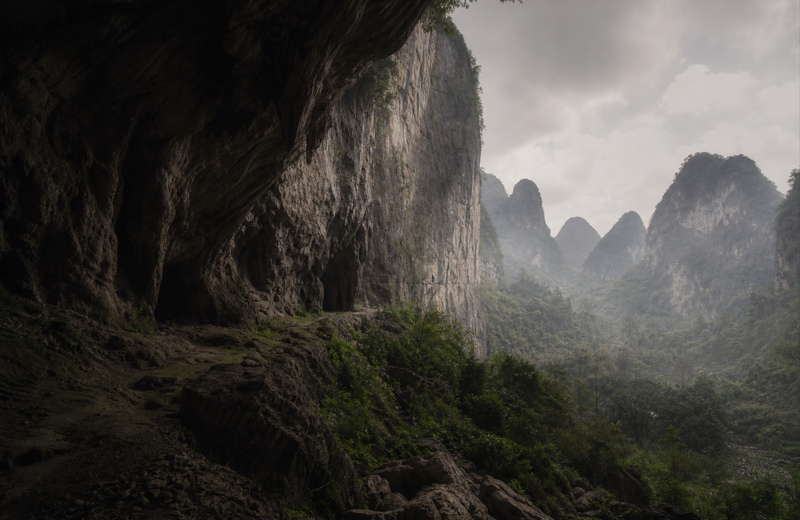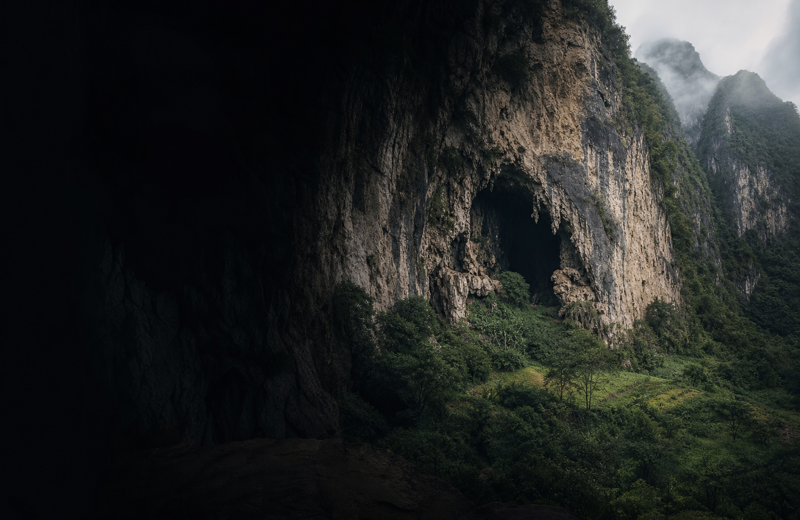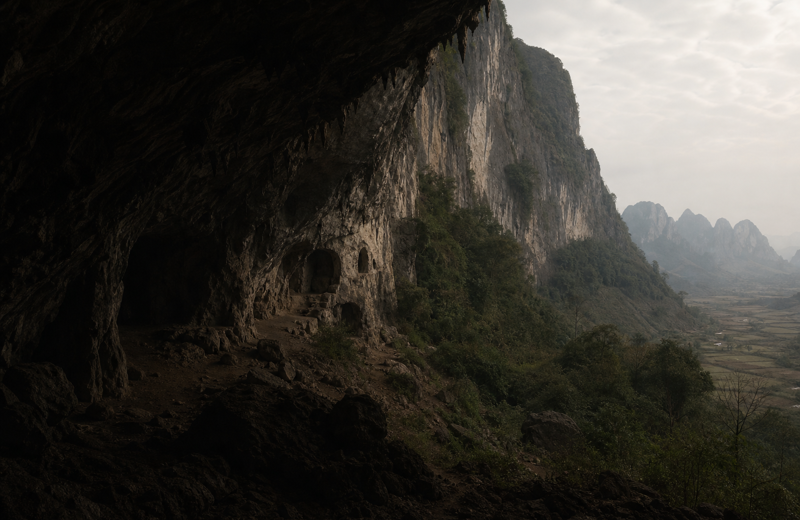
Balong Cave: Southern China, 250–550 CE
Tiny sample, deep stories — maternal lineages from Guangxi's Balong Cave illuminate movement during the Jin and Northern–Southern Dynasties
تعرّف على أماكن عينات الحمض النووي القديم وفتراتها والأبحاث المنشورة حولها، واستكشف الثقافات المرتبطة بها.
تصفّح المجموعةالنتائج من 1 إلى 12 من أصل 20
Tiny sample, deep stories — maternal lineages from Guangxi's Balong Cave illuminate movement during the Jin and Northern–Southern Dynasties
Three 440–658 CE individuals from Guangxi point to southern maternal continuity during Sui–Tang transition
Small cave community in Hechi County (1400–1700 CE) connecting archaeology with maternal lineages
Two maternal lineages from a karst cave speak to deep southern China roots
Three early medieval individuals linking cave archaeology in Guangxi with ancient mitochondrial lineages
Human remains from Guangxi that whisper of southern China during 250–550 CE
Two early medieval burials (433–644 CE) from Dahua Yao County reveal southern Chinese lifeways and maternal lineages.
A single ancient genome hints at life in Guangxi's Neolithic world (7025–6644 BCE)
A single late imperial genome from Guangxi links cave burial archaeology to maternal lineages
A single Ming‑era individual from Baitai Mountain offers a whisper of maternal ancestry in southern China.
Cave burials in Hechi reveal maternal lineages spanning late Ming to early Qing transitions
A single burial from 419–548 CE that hints at life and movement in southern China