


Ancient DNA Reveals the Avar Woman Who Looked East
New ancient DNA from a Kunpeszér burial shows the earliest Avar elite in Hungary carried strong Northeast Asian ancestry, reshaping ideas about migration and identity.
Read articleDNA Genics / Journal
Articles and perspectives from the DNA Genics journal.
The journal
Showing 37-48 of 133
New ancient DNA from a Kunpeszér burial shows the earliest Avar elite in Hungary carried strong Northeast Asian ancestry, reshaping ideas about migration and identity.
Read article
Ancient DNA shows the Guanches were North African Berbers who settled the Canary Islands around the 3rd century AD, lived in isolation, and shaped today’s Canarians.
Read article
Ancient DNA reveals a complex Hun story, a small elite with Xiongnu-linked ancestry, and a largely European population in Attila's realm.
Read article
Ancient DNA from Roopkund, the Skeleton Lake, shows at least three groups of people, spanning South Asia, the Aegean, and Southeast Asia, across centuries.
Read article
A 2026 genome-wide study reveals the Agotes had a local Basque origin, challenging centuries of theories about this stigmatized Pyrenean community.
Read article
Explore how modern Greenlanders trace most ancestry to Thule Inuit and a smaller Danish contribution, with no detectable Norse legacy.
Read article
A first Pompeii genome shows how ancient DNA, haplogroups, and population genetics reveal a cosmopolitan Roman city with eastern Mediterranean ties.
Read article
Ancient DNA from Vix helps reveal whether the richest woman in Iron Age Europe was local or foreign, and what her tomb says about Celtic ancestry.
Read article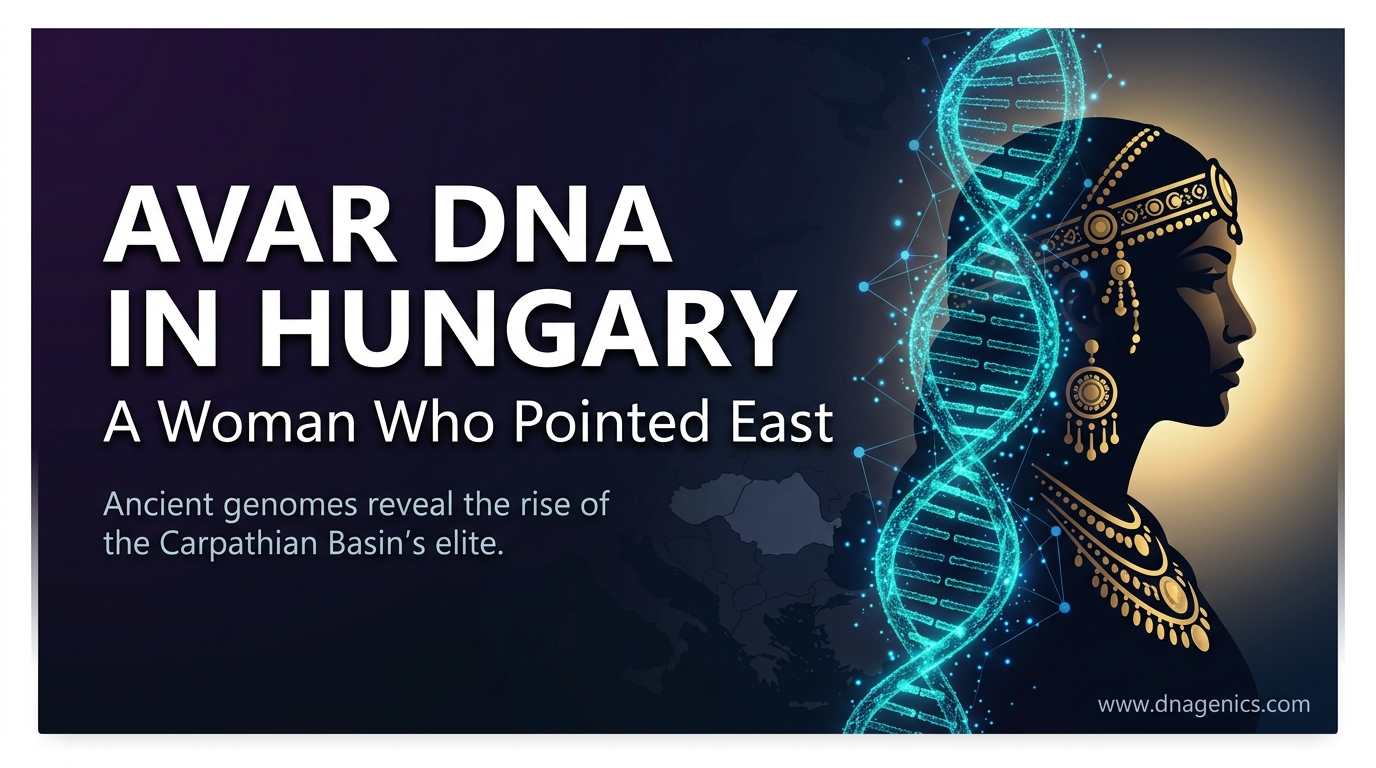
Ancient DNA from an elite Avar woman and five men reveals how fast the first Avars reached Hungary, and why their genomes matter for ancestry.
Read article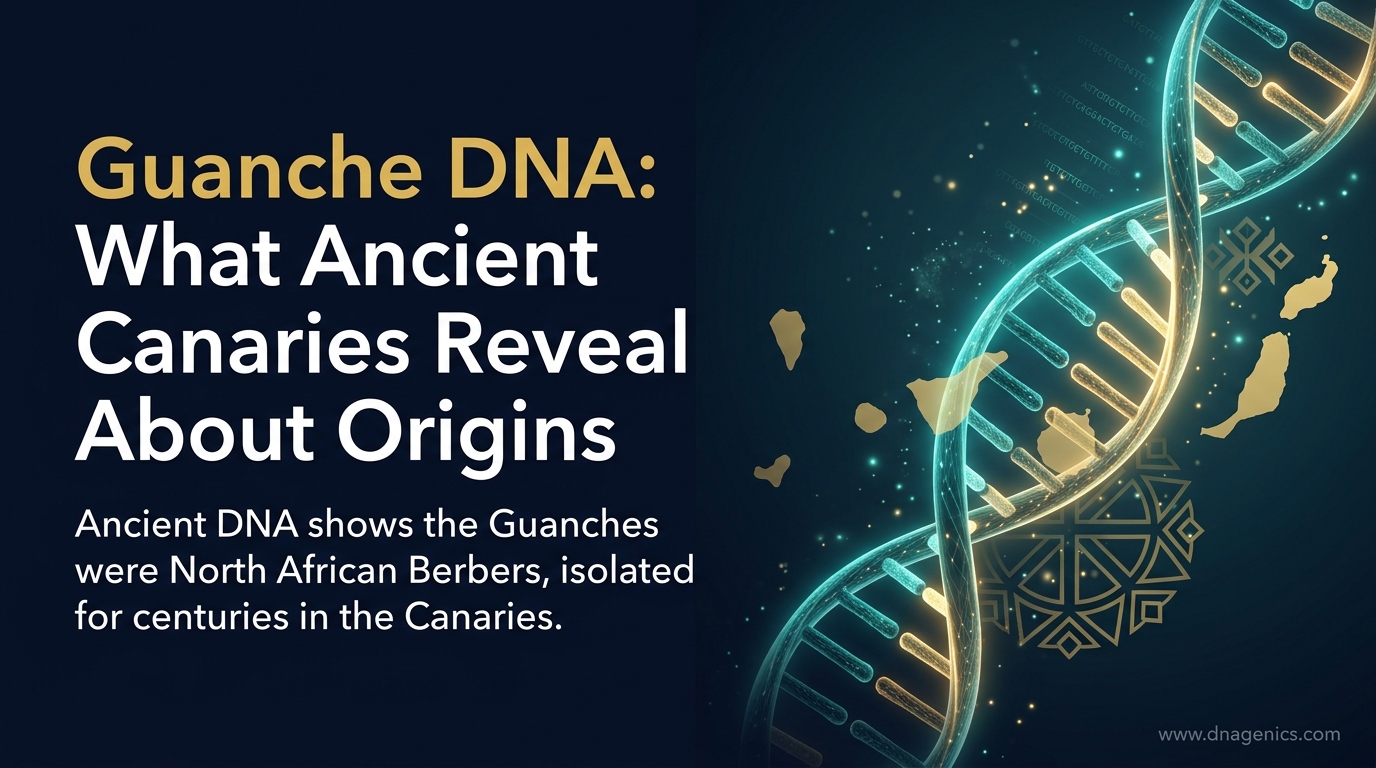
Ancient DNA shows the Guanches were North African Berbers, isolated for centuries in the Canaries, and still leave a genetic legacy in modern Canarians.
Read article
Why does Paraguay speak Guarani? Explore the DNA, migration history, and sex-biased ancestry that made this Indigenous language endure.
Read article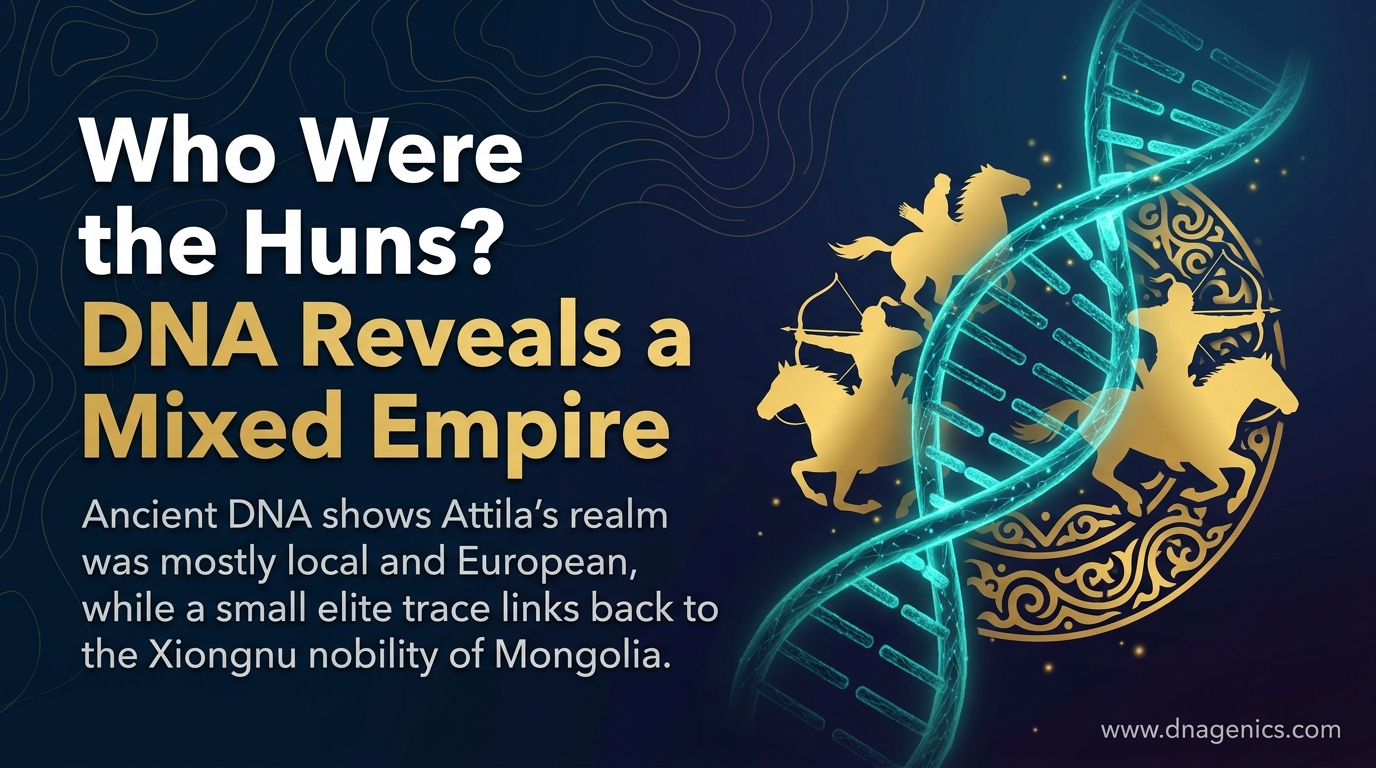
Ancient DNA shows Attila's realm was mostly local and European, while a small elite trace links back to the Xiongnu nobility of Mongolia.
Read articleOur guides explain the methods we use, from population comparisons to matching segments of DNA.