
Denisovan Heritage Report

Download PDF creates a visual, rasterized copy. Use Print for selectable text and better assistive-technology support.

Denisovan report

Preparing a chapter of deep human history

Preparing the available report content...

Your report will open automatically.

Skip to main content
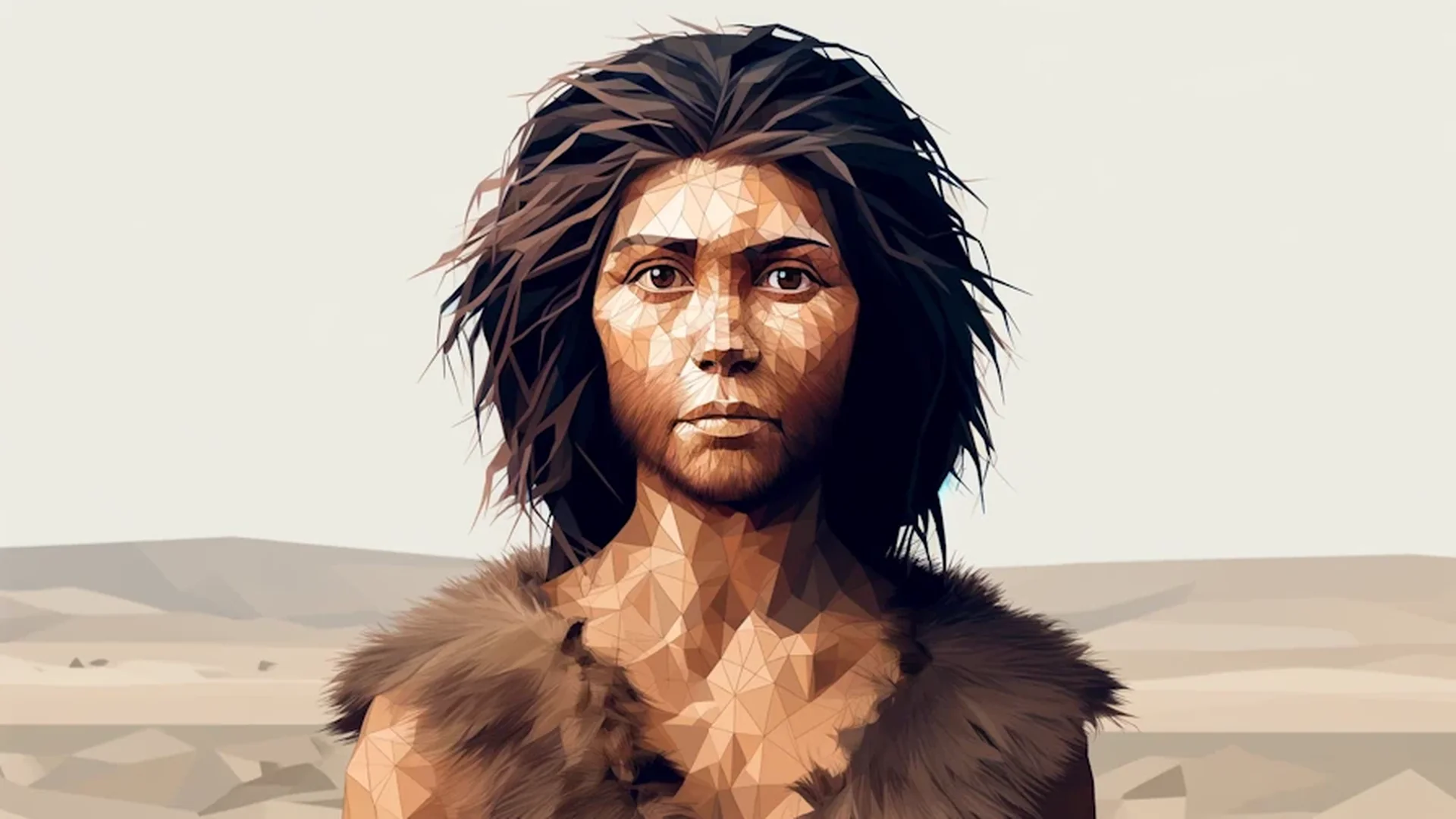
Illustrative artwork accompanying the Denisovan report
Deep human history Asia, across millennia

AI-generated artistic reconstruction, not a photograph of the individual.

The archaic collection II / Denisovan

Denisovan.
A trace of deep time.

The Denisovan report. A small signal, a vast human story. Explore your genetic similarity alongside the fragments that changed our understanding of humanity.

Sample: (SSUAJF) Demo Report
0.01%
Denisovan similarity index

A report-specific estimate, not a measured fraction of your genome or a medical finding.

Genetic similarity offers context. It does not establish a personal genealogy, identity, or specific inherited adaptation.

Chapter 1

Reading your result

A signal, with its limits in view

Your Denisovan similarity index is 0.01%.

This estimate summarizes genetic similarity to an archaic reference. It is not a count of Denisovan DNA positions, proof of direct descent, or evidence that you carry a particular adaptation.

The research context below describes populations and ancient DNA. Its published estimates use different samples and methods and cannot directly calibrate an individual report index.

0.01%

Read as a genetic similarity index. Interpretation depends on reference coverage and method, with uncertainty that a single number cannot fully describe.

Chapter 2

Global Distribution

Population research, not a personal ranking

Denisovan-related estimates vary across population studies. The ranges shown here provide historical research context; they are not a calibrated comparison with your report-specific index.

Your report index 0.01%
Oceanians (Papua New Guinea, Australia) 3-5%
East Asians (China, Japan, Korea) 0.2-0.4%
Native Americans 0.1-0.2%
Europeans ~0.1%
Africans Minimal
Chapter 3

The Denisovan Story

Known from fragments. Remembered through inheritance.

They are known almost entirely from what they left behind in others.

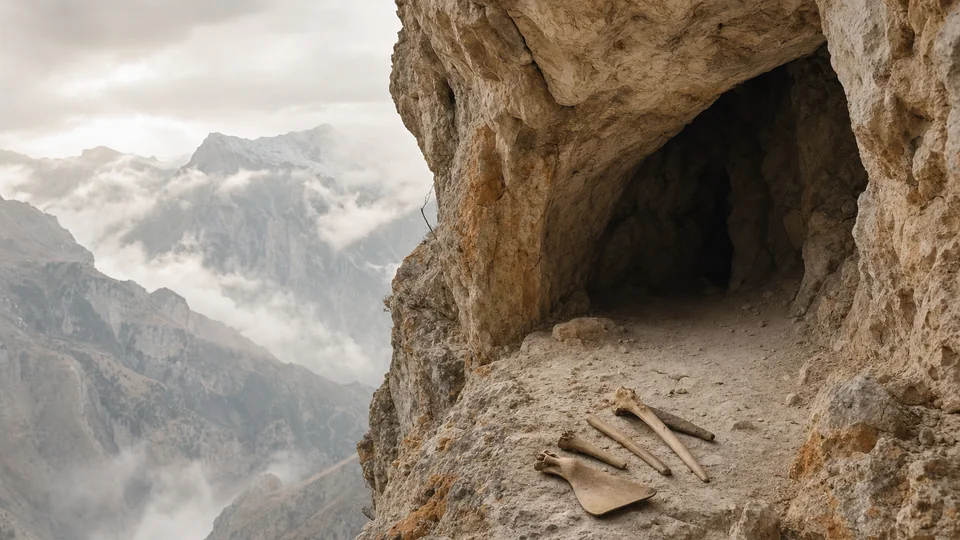
In 2010, scientists extracted DNA from a finger bone found in Denisova Cave, deep in the Altai Mountains of Siberia. What they discovered rewrote human history: a distinct lineage of archaic humans, previously unknown, who had lived and thrived for hundreds of thousands of years across vast stretches of Asia.

We have only fragments, a finger bone, teeth, a jawbone from Tibet. No complete skeleton. No cave paintings attributed to them. No burial sites we can identify as theirs. Yet their genetic signature persists in living populations today, proof that they existed, that they met our ancestors, and that something of them mattered enough to survive.

"A lineage first known through fragments, understood through DNA."

Discovered Through DNA

Unlike other ancient human species identified through fossils, Denisovans were first recognized through their genome, extracted from a fragment smaller than a coin. Science revealed what stone could not.

Spread Across Asia

From Siberia to Tibet to Southeast Asia, Denisovan DNA appears in populations spanning thousands of miles, suggesting a species that adapted to diverse environments across a vast continent.

Part of Our Family

Denisovans shared a common ancestor with Neanderthals and modern humans. They were not separate from human history, they were woven into it, contributing DNA that persists in billions of people today.

Chapter 4

Genetic Contributions

What the Denisovans gave us

The Denisovans did not simply survive, they adapted. To cold that would freeze lesser beings. To altitudes where the air itself becomes thin. Their bodies evolved solutions that modern science is only now beginning to understand.

Quiet brilliance. Not conquest, but adaptation.
Not dominance, but survival.

High-Altitude Adaptation

The EPAS1 gene variant enables life above 4,000 meters. Tibetans carry this Denisovan inheritance, allowing them to thrive where others struggle to breathe.

Cold Climate Resilience

Metabolic adaptations for cold environments, efficient fat processing and thermoregulation, may trace back to Denisovan ancestry in populations that inherited these traits.

Immune System Contributions

Denisovan genes contributed to immune function in modern populations, helping descendants fight pathogens they encountered as they spread across new environments.

Chapter 5

Health Insights

Research context, without personal health predictions

Topics studied in populations

  • EPAS1 and high-altitude adaptation
  • Archaic variants and immune pathways
  • Population-level metabolic associations
  • Environmental adaptation over time

What this report cannot establish

  • Whether you carry a specific Denisovan-related variant
  • Your disease risk or an individual protective effect
  • Your response to altitude, medicines, or diet
  • A diagnosis or recommendation for treatment
Chapter 6

AI-Powered Analysis

Get personalized insights about your results

AI ASSISTANT by DNAGENICS

Enabled until 2027-11-10 19:07 UTC

This optional AI interpretation uses the existing Denisovan report context. It may make mistakes and cannot establish a specific genotype, health effect, identity, or genealogy.

Try these questions:

Chapter 7

Technical Details & FAQ

How is Denisovan DNA identified in modern humans?

Denisovan DNA is identified by comparing your genome to the reference genome extracted from Denisova Cave remains. Scientists look for specific genetic patterns, long stretches of DNA that match Denisovan sequences but differ from both modern human and Neanderthal patterns. Statistical methods determine which segments are truly Denisovan in origin.

What does my 0.01% Denisovan index mean?

It summarizes genetic similarity to an archaic reference. It must not be converted into a number of DNA positions or treated as a measured fraction of your genome. Population research ranges use different methods and are provided for context. The index cannot establish a personal family history or a specific inherited trait.

When did the interbreeding between Denisovans and modern humans occur?

Multiple interbreeding events occurred between 50,000-40,000 years ago as modern humans migrated through Asia. Evidence suggests at least 2-3 distinct interbreeding episodes in regions including Central Asia, Southeast Asia, and possibly New Guinea. These events significantly shaped the genetic landscape of non-African populations and provided crucial survival advantages.

What is the significance of the EPAS1 gene?

EPAS1 is a gene that regulates the body's response to low oxygen. The Denisovan variant allows for efficient oxygen use at high altitudes without overproducing red blood cells. Over 80% of Tibetans carry this variant, inherited from Denisovan ancestors, enabling them to thrive above 4,000 meters where most humans struggle. This is one of the strongest examples of adaptive introgression in human evolution.

How accurate is this analysis?

Interpretation depends on the input file, reference coverage, and the method used to produce the report. The Denisovan similarity index is not a clinically validated estimate of genomic proportion. Research links provide scientific background; they do not validate an individual result or imply researcher endorsement.

Should I be concerned about my results?

No. Denisovan ancestry is a normal part of human genetic diversity for non-African populations. It represents an ancient connection to our evolutionary relatives and has contributed beneficial adaptations to modern populations. This report does not assess personal health risk. Discuss health concerns with a qualified clinician or genetic counselor.

Summary

Understanding Your Results

Your 0.01% index is one lens on genetic similarity to an archaic reference. Read it together with the method's limitations and the wider population research.

Keep in mind

  • A reference-based estimate: The index depends on the input file and reference coverage.
  • Population context: Published research ranges are not a personal ranking or a calibrated comparator.
  • No gene-level finding: The index alone does not identify a particular adaptation.
  • No medical inference: It does not predict individual benefits, risks, or treatment needs.
  • No proven genealogy: Genetic similarity does not identify a named ancestor or establish identity.
Your Heritage
0.01%
Denisovan similarity index
Sample Database Updated 01 Oct 2026
Algorithm Version v1.0
Chapter 9

Your Heritage Summary

A personal reading card, with the interpretation limits attached.

Denisovan Heritage Report

Demo Report
0.01% Similarity index
Reference-based Estimate type
3-5% Population research range
Interpretation Read alongside reference coverage and method limitations
Population Context Population ranges describe research, not personal origin

A genetic similarity estimate, not a measured genomic proportion, a gene-level finding, or proof of personal genealogy.

DEMO Sample report with example data. Not your results.
SAMPLE REPORT Example DNA profile This is a sample report with example data. It is not your personal report, and the results do not describe you.
Sample data, not your report
Use code for 35% off • Expires Nov 12