The Story
The journey of mtDNA haplogroup B2B2A
Origins and Evolution
mtDNA haplogroup B2B2A is a downstream maternal lineage nested within the Native American B2 clade. B2 itself is one of the principal pan-American maternal lineages derived from Asian-derived founder lineages that colonized the Americas during the Late Pleistocene. B2B2A represents a later, mid-Holocene diversification event that likely arose in the ecological transition zone between the high Andes and adjacent Amazonian lowlands. Its emergence is consistent with local differentiation following long-term settlement of the region and reflects demographic processes such as founder effects, drift in relatively isolated highland populations, and limited gene flow across ecological boundaries.
Because sampling of ancient DNA in many parts of South America remains sparse, age estimates and phylogenetic placement are inferred from the parent B2B2 node and from geographic clustering of modern lineages. The pattern—higher frequencies and deeper diversity in Andean highland groups and restricted, patchy occurrences in nearby Amazonian and coastal groups—supports a local origin in the Andean–Amazonian fringe during the mid-Holocene, followed by limited dispersal.
Subclades (if applicable)
As a named subclade of B2B2, B2B2A may itself contain further micro-lineages detected in high-resolution sequencing of local populations. Published datasets and regional mitogenome surveys occasionally reveal downstream private variants within B2B2A in single communities, reflecting microevolutionary differentiation. At present, characterized sub-subclades are limited by sampling density; increased mitogenome sequencing of Andean and adjacent Amazonian populations may identify additional internal structure.
Geographical Distribution
The geographic signature of B2B2A is localized and uneven. The highest frequencies and haplotype diversity are reported among certain indigenous Andean highland groups, indicating long-term continuity and in situ evolution. Adjacent Amazonian populations along the eastern Andean foothills show localized, lower-frequency occurrences consistent with gene flow across the ecotone. Central American and coastal Caribbean occurrences are generally rarer and patchy, likely reflecting episodic prehistoric mobility (including maritime interaction) and post-contact movement. A small number of ancient Holocene samples (~1 reported in curated databases for this specific subclade) and occasional detections in modern admixed populations outside the Americas document both antiquity and recent diasporic spread.
Historical and Cultural Significance
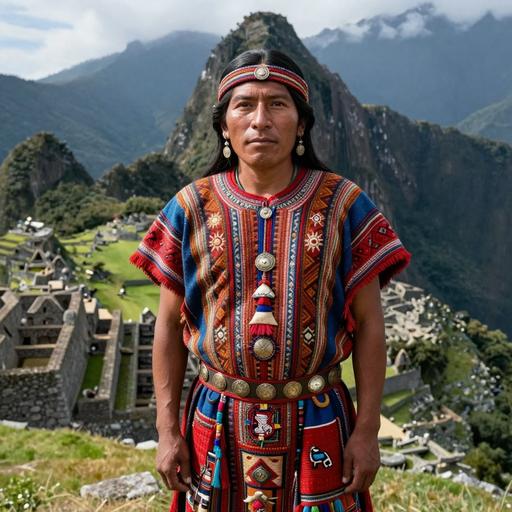
The demographic history inferred from B2B2A—local diversification in the Andean–Amazonian frontier—aligns with archaeological evidence for increasing sedentism, regional interaction, and cultural complexity through the mid- to late-Holocene in the central Andes and adjacent lowlands. While the lineage is not a marker for any single archaeological culture, its concentration in highland groups suggests continuity through Formative and later periods in some valleys and altiplano regions. Patchy Amazonian presence indicates riverine and foothill connections that mediated gene flow, trade, and cultural exchange across ecological zones.
Because the haplogroup is regionally concentrated and has relatively low overall frequency, it is most informative for studies of local maternal continuity, microevolutionary processes (drift and founder effects), and fine-scale biogeographic structure rather than for continent-wide migration events.
Conclusion
B2B2A is a mid-Holocene, regionally restricted maternal lineage that exemplifies post-settlement diversification within Native American mtDNA diversity. Its distribution—centered on the Andean–Amazonian fringe with lower-frequency peripheral occurrences—highlights the role of ecological boundaries and localized demographic processes in shaping maternal genetic structure in South America. Continued mitogenome sequencing, focused sampling of understudied Andean and Amazonian populations, and additional ancient DNA recovery will refine the phylogeny, age estimates, and the demographic history of B2B2A.
Note: Age and distributional inferences are conditional on current sampling and may be updated as new ancient and modern mitogenomes become available.
Key Points
- Origins and Evolution
- Subclades (if applicable)
- Geographical Distribution
- Historical and Cultural Significance
- Conclusion