Menu
mtDNA Haplogroup • Maternal Lineage

B2B2

mtDNA Haplogroup B2B2

~6,000 years ago
Andean–Amazonian fringe (Central/South America)
1 subclades
Scroll to explore
Chapter I

The Story

The journey of mtDNA haplogroup B2B2

Origins and Evolution

mtDNA haplogroup B2B2 is a subclade nested within B2B, itself a derived branch of the broader Native American maternal haplogroup B2. The phylogenetic position of B2B2 indicates a Holocene coalescence, probably arising after the initial Late Pleistocene entry and early diversification of B2-bearing founders into the Americas. Based on mutational differences from B2B and the geographic patterning seen in modern and ancient samples, a mid-Holocene origin around ~6 kya is a reasonable estimate for the emergence of B2B2. Its evolution is consistent with local diversification in populations living along the Andean slopes and adjoining Amazonian foothills, where relative isolation, demographic fluctuation, and founder effects can promote the rise of regionally restricted mtDNA subclades.

Subclades (if applicable)

As a derived branch of B2B, B2B2 may itself include one or more minor internal sublineages detectable only through high-resolution whole-mitochondrial genome sequencing. Current published and database samples indicate limited internal diversity relative to older pan-American haplogroups, reflecting a more recent origin and a geographically restricted distribution. Continued mitogenome sampling in under-studied Andean and Amazonian groups could resolve additional internal branches.

Geographical Distribution

The distribution of B2B2 is localized rather than pan-American. It is most frequently observed in indigenous populations of the central and southern Andes and in Amazonian groups that are closely adjacent to the Andean highlands. Lower and patchy frequencies appear in some Central American indigenous groups and are occasionally observed in Caribbean coastal and admixed populations, reflecting prehistoric coastal contacts and more recent admixture events. Ancient DNA evidence (including two identified archaeological samples attributed to Holocene contexts) confirms that B2B2 was present in some Preceramic/Formative occupations in South America, supporting continuity in certain regions.

Historical and Cultural Significance

The geographic focus of B2B2 places it within cultural spheres that include early Andean preceramic societies and later Formative communities. Its presence in archaeological contexts suggests that carriers of B2B2 were participants in local subsistence systems (highland agriculture and riverine/coastal resource use) and regional interaction networks. Because B2B2 is not widespread, its occurrence can be informative for fine-scale studies of maternal ancestry, microevolutionary processes (drift, founder effects), and prehistoric population structure in the Andean–Amazonian interface.

Conclusion

B2B2 exemplifies a mid-Holocene, regionally restricted Native American mtDNA lineage that highlights how local demographic dynamics and geographic barriers shaped maternal genetic diversity in South America. It is most useful in population- and archaeogenetic studies focused on the Andes and adjacent Amazonia, and its clearer resolution will depend on increased mitogenome sampling of indigenous and ancient remains from these areas.

Key Points

  • Origins and Evolution
  • Subclades (if applicable)
  • Geographical Distribution
  • Historical and Cultural Significance
  • Conclusion
Chapter II

Tree & Relationships

Phylogenetic context and subclades

Evolution Path

This haplogroup's evolutionary journey from its earliest ancestor to the present.

Steps Haplogroup Age Estimate Archaeology Era Time Passed Immediate Descendants Tested Modern Descendants Ancient Connections
1 B2B2 Current ~6,000 years ago 🪨 Chalcolithic 6,000 years 1 2 0
2 B2B ~9,000 years ago 🌾 Neolithic 9,000 years 2 65 17
3 B2 ~15,000 years ago 🏹 Mesolithic 15,000 years 11 768 4
4 B ~50,000 years ago 🦴 Paleolithic 50,000 years 4 1,196 75

Siblings (1)

Other branches from the same parent haplogroup

Chapter III

Where in the World

Geographic distribution and modern presence

Place of Origin

Andean–Amazonian fringe (Central/South America)

Modern Distribution

The populations where mtDNA haplogroup B2B2 is found include:

  1. Indigenous peoples of the Andes (high frequency in some local groups)
  2. Amazonian indigenous populations adjacent to the Andes (localized occurrences)
  3. Indigenous populations of Central America (lower, regionally patchy frequencies)
  4. Indigenous and admixed populations in the Caribbean and coastal regions (sporadic occurrences linked to prehistoric maritime interaction and later contact)
  5. Ancient Holocene archaeological samples from Preceramic and Formative contexts in South America (2 identified samples in the referenced database)
  6. Occasional occurrences in admixed populations outside the Americas reflecting recent gene flow
CHAPTER IV

When in Time

Your haplogroup in the context of human history

~10k years ago

Neolithic Revolution

Agriculture begins, settled communities form

~6k years ago

Haplogroup B2B2

Your mtDNA haplogroup emerged in Andean–Amazonian fringe (Central/South America)

Andean–Amazonian fringe (Central/South America)
~5k years ago

Bronze Age

Metalworking, writing, and early civilizations

~3k years ago

Iron Age

Iron tools, expanded trade networks

~2k years ago

Classical Antiquity

Greek and Roman civilizations flourish

Present

Present Day

Modern era

Your Haplogroup
Historical Era
Chapter IV-B

Linked Cultures

Ancient cultures associated with mtDNA haplogroup B2B2

Cultural Heritage

These ancient cultures have been linked to haplogroup B2B2 based on matching ancient DNA samples from archaeological excavations. The presence of this haplogroup in these cultures provides insights into the migrations and population movements of populations carrying this haplogroup.

Chincha Chumash Laguna Chica Maya Classic Pacapaccari Palpa Pre-Columbian Sambaqui Santa Rosa Island Culture Tiwanaku Culture
Culture assignments are based on archaeological context of ancient DNA samples and may represent regional associations during specific time periods.
Chapter V

Sample Catalog

2 direct carriers and 1 subclade carrier of haplogroup B2B2

3 / 3 samples
Portrait Sample Country Era Date Culture mtDNA Match
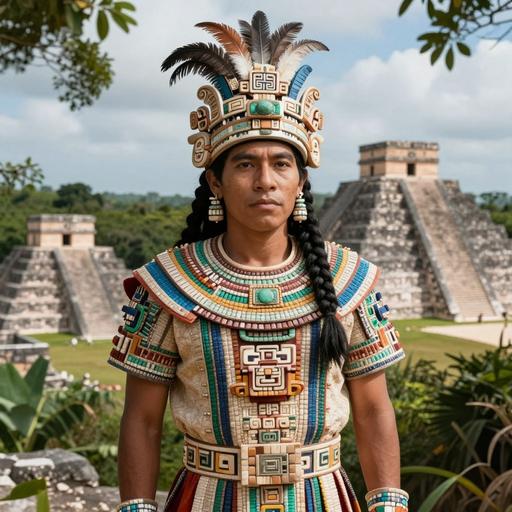
Portrait of ancient individual YCH027 from Mexico, dated 978 CE - 1031 CE
YCH027
Mexico Maya Lowland Classic 978 CE - 1031 CE Maya Classic B2b2 Direct
Portrait of ancient individual YCH027 from Mexico, dated 978 CE - 1031 CE
YCH027
Mexico Maya Lowland Classic 978 CE - 1031 CE Maya Classic B2b2 Direct
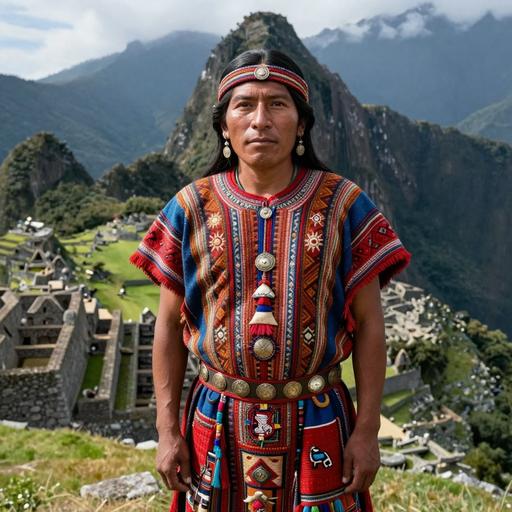
Portrait of ancient individual SHN-355 from Peru, dated 1420 CE - 1532 CE
SHN-355
Peru Pre-Columbian America 1420 CE - 1532 CE Pre-Columbian B2b2a Downstream
Chapter VI

Carrier Distribution Map

Geographic distribution of 3 ancient DNA samples (direct and subclade carriers of B2B2)

Direct carrier Subclade carrier
Time Period Filter
All Time Periods
Showing all samples
Chapter VII

Temporal Distribution

Distribution of carriers across archaeological periods

Chapter VIII

Geographic Distribution

Distribution by country of origin (direct and subclade carriers shown by default)

Chapter IX

Country × Era Distribution

Cross-tabulation of carrier countries and archaeological periods (direct and subclade carriers shown by default)

Data

Data & Provenance

Source information and data quality

Last Updated 2026-02-16
Confidence Score 50/100
Coverage Low
Data Source

We use the latest phylotree for MTDNA haplogroup classification and data.