Menu
mtDNA Haplogroup • Maternal Lineage

H1B1

mtDNA Haplogroup H1B1

~8,000 years ago
Iberian Peninsula / Western Europe
4 subclades
Scroll to explore
Chapter I

The Story

The journey of mtDNA haplogroup H1B1

Origins and Evolution

mtDNA haplogroup H1B1 sits as a subclade beneath H1B, itself a branch of the widespread Western European haplogroup H1. H1 experienced a strong post‑glacial expansion from refugia on the Atlantic/Iberian fringe in the early Holocene; H1B was likely formed during this period (~9 kya) and H1B1 represents a later lineage that diversified within that Iberian/Atlantic context roughly ~8 kya. The phylogenetic position of H1B1 within H1 indicates a primarily West European origin with subsequent dispersal events during Neolithic and later prehistoric population movements.

Ancient DNA studies have identified H1B/H1B1‑related lineages in multiple archaeological contexts across Western Europe and adjacent regions; in the user's database H1B1 appears in 24 ancient samples, consistent with a modest but persistent presence in archaeological populations from the early Holocene onward.

Subclades

H1B1 is itself a defined downstream clade of H1B. Depending on ongoing sequencing and phylogenetic refinement, H1B1 may contain further fine branches (H1B1a, H1B1b, etc.) detectable only with complete mitochondrial genomes. As with many H1 subclades, internal diversity is often low to moderate, reflecting a pulse of expansion followed by regionally restricted drift.

Geographical Distribution

H1B1 is most frequent and diverse in the Atlantic façade and Iberian Peninsula, with measurable frequencies across Western and Southern Europe and sporadic occurrences in Northwest Africa and the Near East. Its distribution pattern is typical of maternal lineages that expanded from a southwestern European refugium and later spread via maritime/coastal corridors and Neolithic cultural networks. Present-day frequencies are generally low to moderate, higher in some Iberian and adjacent populations and lower but detectable in northern Europe, the central Mediterranean and parts of North Africa.

Historical and Cultural Significance

H1B1 and related H1 subclades are often interpreted in light of two overlapping processes: (1) post‑glacial reexpansion of Paleolithic/Mesolithic maternal lineages from Iberian refugia and (2) Neolithic and later prehistoric movement of people and genes (for example via Cardial/Impressed‑ware seafaring, Chalcolithic networks and Bronze Age cultural horizons such as Bell Beaker). H1 lineages, including H1B derivatives, are commonly found in ancient individuals attributed to Mesolithic, Neolithic and Chalcolithic contexts in the western Mediterranean, and they also appear intermittently in Bronze Age and historic period samples associated with coastal and Atlantic-facing populations.

Genetic interactions across the Gibraltar/Alboran corridor and along Mediterranean maritime routes provide a plausible route for H1B1 occurrences in Northwest Africa and the Near East. The haplogroup's presence in later populations reflects both continuity from early Holocene inhabitants and admixture with incoming farmer and steppe‑related groups that reshaped European maternal landscape over millennia.

Conclusion

H1B1 is a regional Western European maternal lineage that exemplifies the patterns of post‑glacial survival in Iberia followed by Neolithic and later dispersals across Western Europe and into adjacent regions. While not among the highest‑frequency mtDNA clades, it is a useful marker for studying Iberian‑derived maternal ancestry, coastal dispersal routes, and the complex layering of Mesolithic, Neolithic and Bronze Age contributions to modern Mediterranean and Atlantic populations.

Key Points

  • Origins and Evolution
  • Subclades
  • Geographical Distribution
  • Historical and Cultural Significance
  • Conclusion

Chapter II

Tree & Relationships

Phylogenetic context and subclades

Evolution Path

This haplogroup's evolutionary journey from its earliest ancestor to the present.

Steps Haplogroup Age Estimate Archaeology Era Time Passed Immediate Descendants Tested Modern Descendants Ancient Connections
1 H1B1 Current ~8,000 years ago 🌾 Neolithic 8,000 years 4 81 0
2 H1B ~9,000 years ago 🌾 Neolithic 9,000 years 15 193 47
3 H1 ~15,000 years ago 🏹 Mesolithic 15,000 years 28 2,656 74
4 H ~25,000 years ago 🦴 Paleolithic 25,000 years 9 6,551 991
5 HV ~30,000 years ago 🦴 Paleolithic 30,000 years 10 7,905 228
6 R ~60,000 years ago 🦴 Paleolithic 60,000 years 12 10,987 57
7 N ~60,000 years ago 🦴 Paleolithic 60,000 years 15 15,452 13
8 L3 ~70,000 years ago 🦴 Paleolithic 70,000 years 11 17,621 6
9 L ~160,000 years ago 🦴 Paleolithic 160,000 years 7 18,987 5
Chapter III

Where in the World

Geographic distribution and modern presence

Place of Origin

Iberian Peninsula / Western Europe

Modern Distribution

The populations where MTDNA haplogroup H1B1 is found include:

  1. Iberian populations (Spain, Portugal, including Basques)
  2. Western European populations (France, Britain, Ireland)
  3. Southern Europe (Italy, Sardinia, Sicily)
  4. Northwest African populations (Morocco, Algeria, Berber groups)
  5. Scandinavian populations (Norway, Sweden, Denmark) at low to moderate frequencies
  6. Central and Eastern European populations (Germany, Poland) at lower frequencies
  7. Near Eastern populations (Anatolia, Levant) at low frequencies
  8. Mediterranean island and some Jewish communities sporadically
CHAPTER IV

When in Time

Your haplogroup in the context of human history

~10k years ago

Neolithic Revolution

Agriculture begins, settled communities form

~8k years ago

Haplogroup H1B1

Your mtDNA haplogroup emerged in Iberian Peninsula / Western Europe

Iberian Peninsula / Western Europe
~5k years ago

Bronze Age

Metalworking, writing, and early civilizations

~3k years ago

Iron Age

Iron tools, expanded trade networks

~2k years ago

Classical Antiquity

Greek and Roman civilizations flourish

Present

Present Day

Modern era

Your Haplogroup
Historical Era
Chapter IV-B

Linked Cultures

Ancient cultures associated with mtDNA haplogroup H1B1

Cultural Heritage

These ancient cultures have been linked to haplogroup H1B1 based on matching ancient DNA samples from archaeological excavations. The presence of this haplogroup in these cultures provides insights into the migrations and population movements of populations carrying this haplogroup.

Bell Beaker Danish Early Neolithic Danish Medieval French Bronze Age German Classical-Romantic Late Viking Gotland Medieval Swedish Ostrów Lednicki Culture Proto-Nagyrév Viking Viking Culture
Culture assignments are based on archaeological context of ancient DNA samples and may represent regional associations during specific time periods.
Chapter V

Sample Catalog

17 direct carriers and 13 subclade carriers of haplogroup H1B1

30 / 30 samples
Portrait Sample Country Era Date Culture mtDNA Match
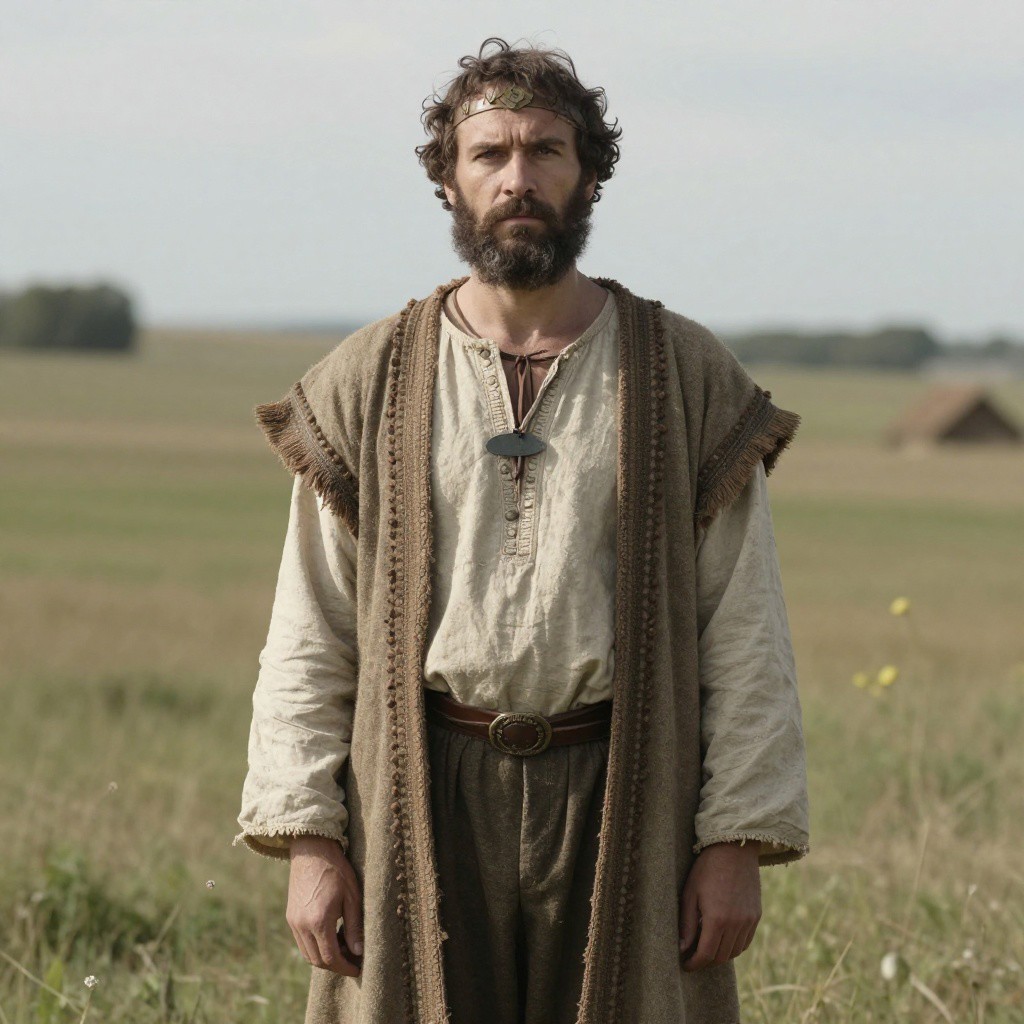
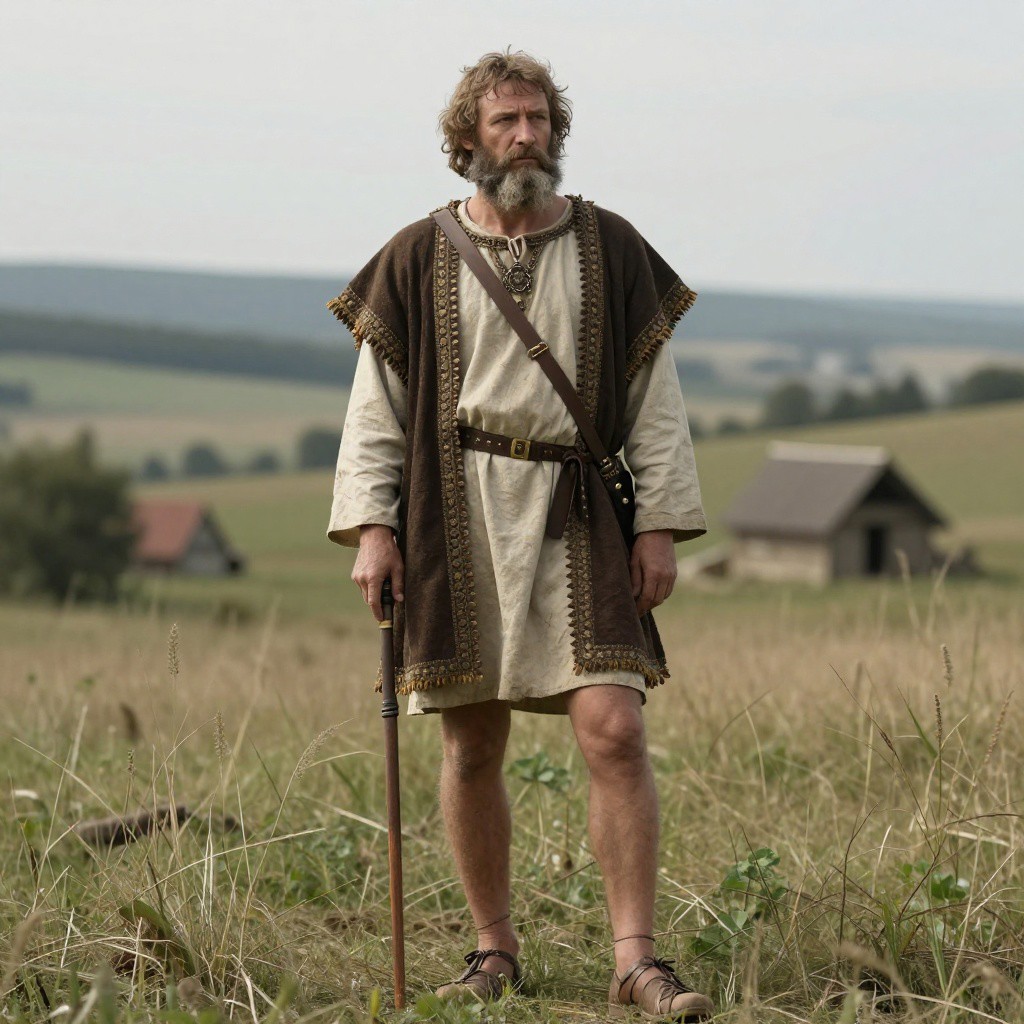
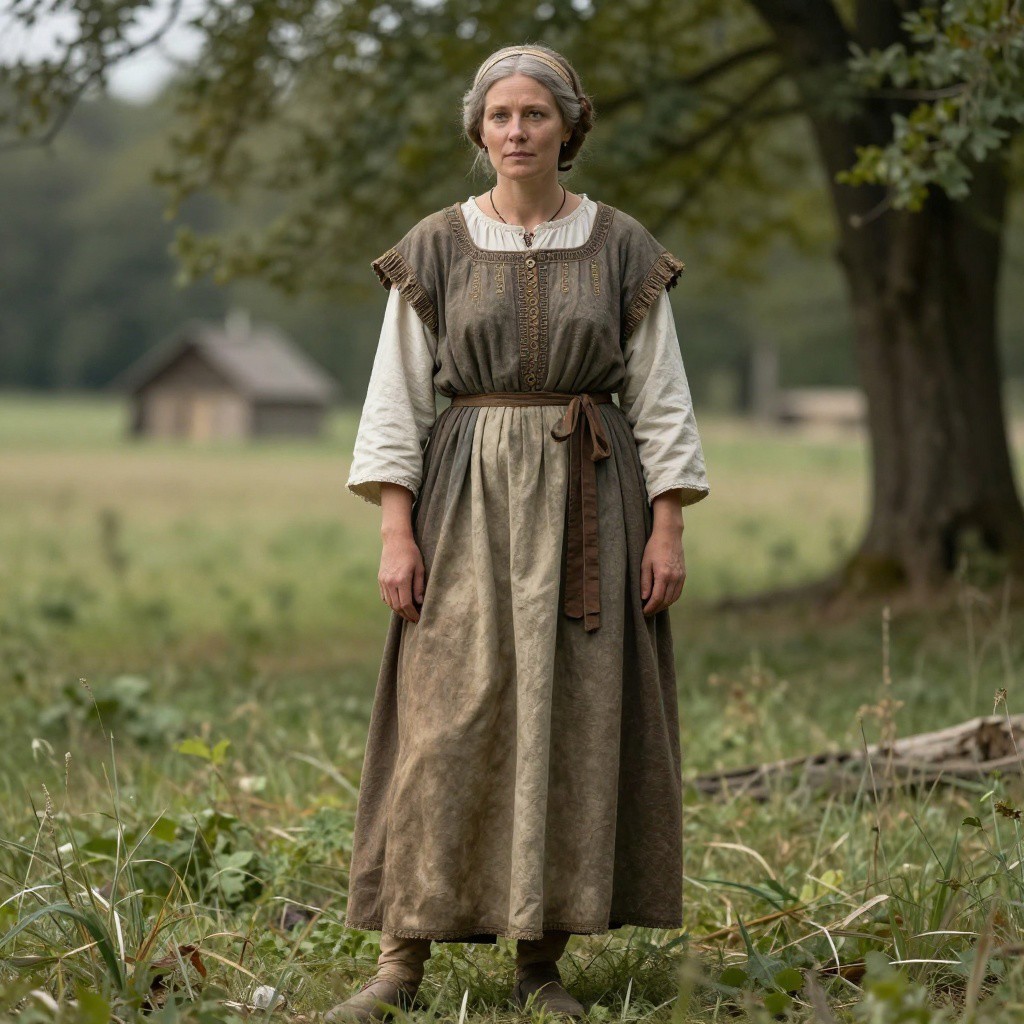
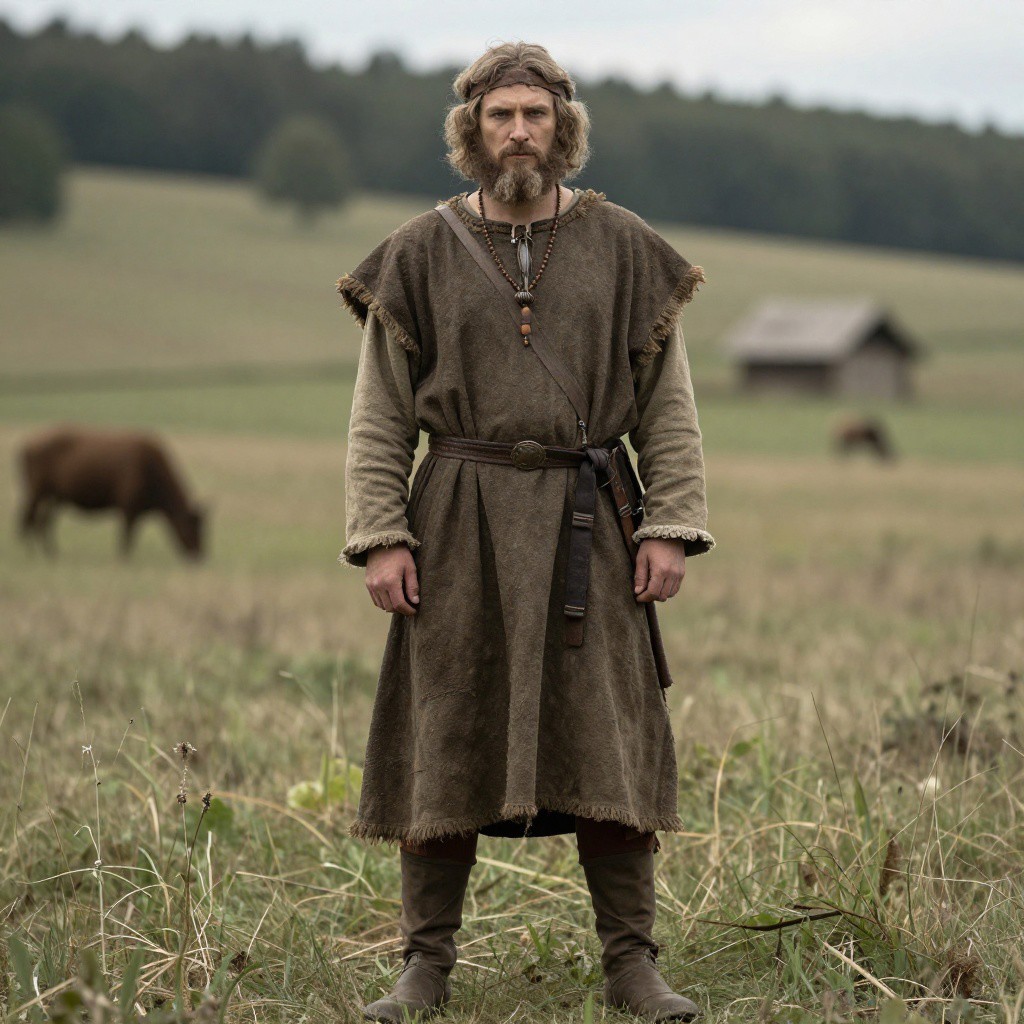
Portrait of ancient individual I13616 from United Kingdom, dated 356 BCE - 49 BCE
I13616
United Kingdom Middle to Late Iron Age England 356 BCE - 49 BCE Late Iron Age British H1b1+16362 Direct
Portrait of ancient individual I18224 from Hungary, dated 650 CE - 750 CE
I18224
Hungary Middle to Late Avar Period Danube-Tisza, Hungary 650 CE - 750 CE Middle-Late Avar H1b1 Direct
Portrait of ancient individual KD071 from United Kingdom, dated 750 BCE - 100 CE
KD071
United Kingdom Iron Age North Yorkshire, England 750 BCE - 100 CE British Iron Age H1b1+16362 Direct
Portrait of ancient individual KD072 from United Kingdom, dated 750 BCE - 100 CE
KD072
United Kingdom Iron Age North Yorkshire, England 750 BCE - 100 CE British Iron Age H1b1+16362 Direct
Portrait of ancient individual Kivutkalns42 from Latvia, dated 809 BCE - 570 BCE
Kivutkalns42
Latvia Bronze Age Latvia 809 BCE - 570 BCE Baltic Bronze Age H1b1 Direct
Portrait of ancient individual vik_kls001 from Sweden, dated 900 CE - 1200 CE
vik_kls001
Sweden Viking Age Sweden 900 CE - 1200 CE Viking H1b1 Direct
Portrait of ancient individual VK18 from Russia, dated 900 CE - 1200 CE
VK18
Russia Viking Age Russia 900 CE - 1200 CE Viking Culture H1b1 Direct
Portrait of ancient individual vik_kls001 from Sweden, dated 900 CE - 1200 CE
vik_kls001
Sweden The Viking Age 900 CE - 1200 CE H1b1 Direct
Portrait of ancient individual VK18 from Russia, dated 900 CE - 1200 CE
VK18
Russia The Viking Age 900 CE - 1200 CE H1b1 Direct
Portrait of ancient individual PCA0336 from Poland, dated 1000 CE - 1200 CE
PCA0336
Poland Iron Age Ostrów Lednicki Culture 1000 CE - 1200 CE Ostrów Lednicki Culture H1b1 Direct
Chapter VI

Carrier Distribution Map

Geographic distribution of 30 ancient DNA samples (direct and subclade carriers of H1B1)

Direct carrier Subclade carrier
Time Period Filter
All Time Periods
Showing all samples
Chapter VII

Temporal Distribution

Distribution of carriers across archaeological periods

Chapter VIII

Geographic Distribution

Distribution by country of origin (direct and subclade carriers shown by default)

Chapter IX

Country × Era Distribution

Cross-tabulation of carrier countries and archaeological periods (direct and subclade carriers shown by default)

Data

Data & Provenance

Source information and data quality

Last Updated 2026-02-16
Confidence Score 50/100
Coverage Low
Data Source

We use the latest phylotree for MTDNA haplogroup classification and data.