mtDNA · Maternal lineage

K2A9

mtDNA Haplogroup K2A9

A reference profile for one lineage branch. Shared haplogroups do not establish a family relationship or cultural identity.

Reference profile

Branch background

Historical context for mtDNA lineage branch K2A9

Origins and Evolution

mtDNA haplogroup K2A9 is a downstream subclade of K2A, itself a branch of haplogroup K, which arose within the broader maternal diversity that expanded from the Near East/Anatolia during the Early Holocene. Based on its phylogenetic position under K2A and the geographic distribution of closely related lineages, K2A9 most likely formed after the initial Neolithic dispersals—probably in the mid to late Holocene (a few thousand years after the ~10 kya origin of K2A). It is defined by private downstream mutations within K2A and remains a relatively rare lineage in modern and ancient DNA datasets.

Subclades (if applicable)

As of current publicly available data, K2A9 is a narrowly defined terminal or near-terminal clade with few widely recognized downstream subclades. Where additional variation exists beneath K2A9, it tends to be very rare and often restricted to particular local populations or individual lineages identified in targeted sequencing studies. Future dense mitogenome sequencing in Near Eastern and Mediterranean populations may resolve additional internal structure.

Geographical Distribution

K2A9 exhibits a patchy, low-frequency distribution consistent with a lineage that expanded with Neolithic-associated gene flow and then persisted at low levels in localized populations. Modern occurrences are most commonly reported from:

  • Anatolia and adjacent Near Eastern populations
  • Southern and insular Mediterranean populations (e.g., Italy, Greece, Sardinia)
  • Small representation in some Ashkenazi Jewish samples and other Levantine/Levant-derived communities
  • Scattered low-frequency detections in Western and Northern Europe and the Caucasus
  • Occasional detections along North African Mediterranean coasts and limited traces in parts of Central Asia, reflecting later west–east contacts

Only a very small number of ancient samples have been confidently assigned to K2A9 in published datasets, consistent with its low frequency and the uneven geographic coverage of ancient mitogenomes.

Historical and Cultural Significance

Because K2A9 descends from K2A, which is strongly associated with Early Neolithic farmer populations originating in Anatolia and spreading into Europe, the presence of K2A9 in modern and ancient contexts is most parsimoniously interpreted as part of that broad Neolithic demographic package. In particular:

  • The clade likely rode the wave of agricultural expansion into the Mediterranean and parts of Europe, thereafter becoming a minor, localized maternal lineage.
  • Its presence in some Ashkenazi Jewish and Levantine samples can reflect Near Eastern origins and later demographic events (migrations, founder effects, and community-specific drift).
  • Occasional detections in island or isolated populations (e.g., Sardinia, some Aegean islands) point to founder effects and long-term genetic continuity in demographically constrained settings.

K2A9 does not appear to have driven any major demographic turnovers by itself, but it contributes to the broader signal of Neolithic maternal ancestry alongside other farmer-associated haplogroups.

Conclusion

mtDNA K2A9 is best understood as a rare, regionally distributed descendant of the Neolithic-associated K2A lineage. It illustrates how downstream branches of Neolithic maternal lineages can persist at low frequencies, concentrated in particular Mediterranean, Near Eastern, and isolated European populations. Continued mitogenome sequencing of under-sampled regions and ancient remains may refine its age, internal structure, and geographic history.

Key Points

  • Origins and Evolution
  • Subclades (if applicable)
  • Geographical Distribution
  • Historical and Cultural Significance
  • Conclusion
Reference profile

Tree & Relationships

Phylogenetic context and subclades

Evolution Path

Follow the recorded parent branches toward K2A9. Dates are estimates and can change as reference data is revised.

Steps Haplogroup Age Estimate Archaeology Era Time Passed Immediate Descendants Tested Modern Descendants Ancient Connections
1 K2A9 Current ~6,000 years ago Chalcolithic 6,000 years 0 5 0
2 K2A ~10,000 years ago Neolithic 10,000 years 8 91 65
3 K2 ~12,000 years ago Neolithic 12,000 years 2 129 9
4 K ~16,000 years ago Mesolithic 16,000 years 4 1,769 55
5 U8B ~30,000 years ago Paleolithic 30,000 years 2 1,805 1
6 U8B'C - - - 2 1,834 0
7 U8 ~45,000 years ago Paleolithic 45,000 years 2 1,873 5
8 U2'3'4'7'8'9 - - - 5 3,500 0
9 U ~46,000 years ago Paleolithic 46,000 years 5 5,557 110
10 R ~55,000 years ago Paleolithic 55,000 years 17 22,830 57
11 NA - - - 1 22,830 0
12 N ~60,000 years ago Paleolithic 60,000 years 16 26,150 13
13 L3 ~70,000 years ago Paleolithic 70,000 years 7 30,162 6
14 L3'4 - - - 2 30,212 0
15 L3'4'6 - - - 2 30,216 0
16 L2'3'4'6 - - - 2 31,333 0
17 L2'3'4'5'6'7 - - - 2 31,349 0
18 L1'2'3'4'5'6'7 - - - 2 31,852 0
19 L ~160,000 years ago Paleolithic 160,000 years 2 32,236 5

Subclades (0)

Terminal branch - no recorded subclades

Siblings (7)

Other branches from the same parent haplogroup

Reference profile

Where in the World

Geographic distribution and modern presence

Recorded origin

Near East / Anatolia

Modern Distribution

The populations where mtDNA haplogroup K2A9 is found include:

  1. Ashkenazi Jewish communities (low–moderate representation within broader K diversity)
  2. Anatolian (modern Turkey) populations
  3. European Early Neolithic farmer-descended populations (e.g., LBK and related groups) in ancient contexts or descendants
  4. Southern European populations (Iberia, Italy, Greece, and Mediterranean islands such as Sardinia)
  5. Western and Northern European populations (British Isles, Scandinavia) at low frequencies
  6. Caucasus populations (Armenians, Georgians, and adjacent highland groups)
  7. North African coastal communities with Near Eastern admixture
  8. Iranian, Levantine, and Near Eastern populations
  9. Island and isolated Mediterranean populations (e.g., Sardinians and some Aegean islands)
  10. Small but detectable occurrences in parts of Central Asia due to west–east contacts
Historical context

A branch through time

Estimated formation in a broad historical timeline. Period markers provide context and do not imply a connection with particular cultures.

  1. ~10k years ago

    Neolithic Revolution

    Agriculture begins, settled communities form

  2. ~6k years ago

    Haplogroup K2A9

    Estimated formation of this mtDNA branch; dates and locations are reference estimates.

    This branch
  3. ~5k years ago

    Bronze Age

    Metalworking, writing, and early civilizations

  4. ~3k years ago

    Iron Age

    Iron tools, expanded trade networks

  5. ~2.5k years ago

    Classical Antiquity

    Greek and Roman civilizations flourish

  6. Present

    Present Day

    Modern era

Reference profile

Archaeological context

Recorded archaeological associations for mtDNA branch K2A9

Recorded associations

These labels describe archaeological contexts recorded for reference samples linked to K2A9. An association does not establish that all carriers belonged to a culture or followed a particular migration route.

Belt Cave Culture Brześć Kujawski Culture Irish Middle Neolithic Lengyel Culture Linear Pottery Culture Russia_Bashkortostan_EIA2_PyanyBor Tisza Culture Vinča Culture
Culture assignments are based on archaeological context of ancient DNA samples and may represent regional associations during specific time periods.
Reference profile

Sample Catalog

1 direct carrier of haplogroup K2A9

1 shown · 1 matching samples

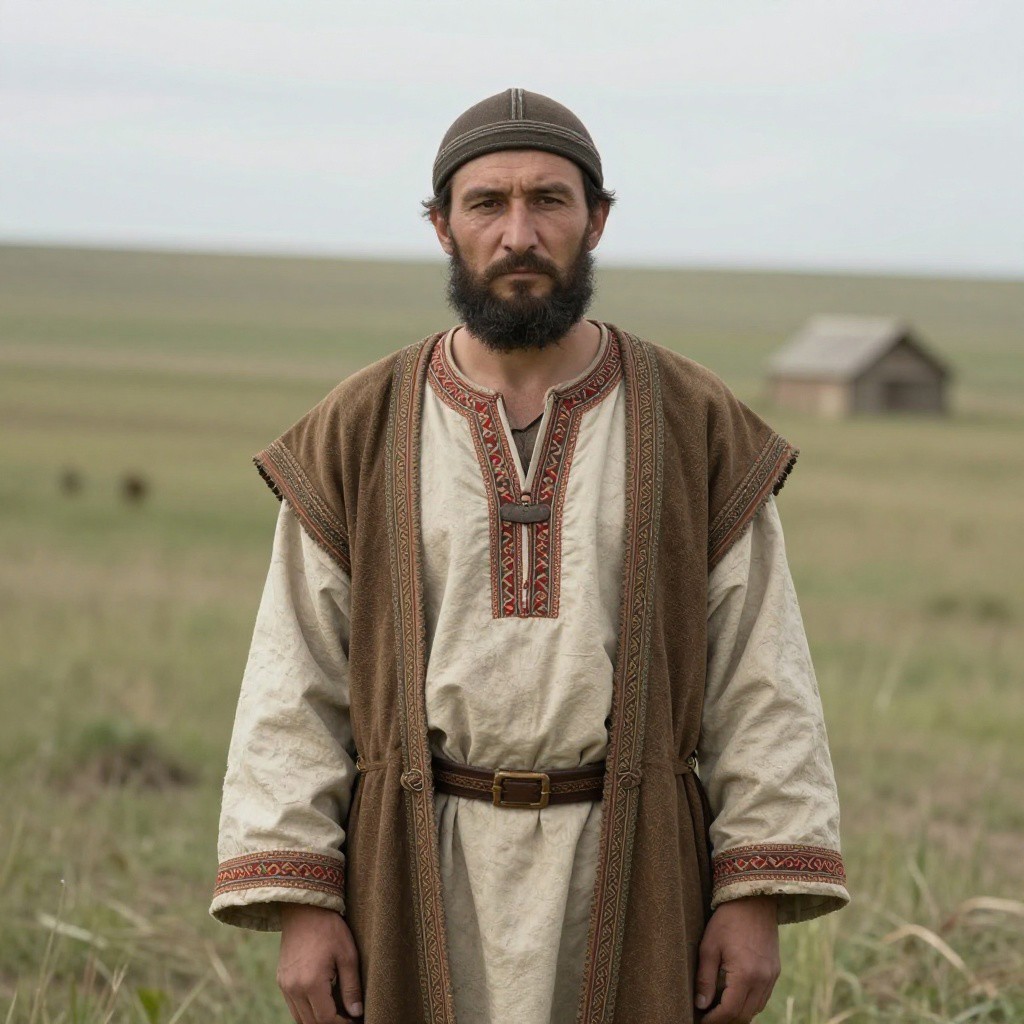
Portraits are AI-generated illustrations. Sample labels and accession IDs identify the reference records.

Portrait Sample Country Era Date Culture mtDNA Match
AI-generated illustrative portrait of Bashkortostan Pyany Bor individual, Starokirgizovo (Bashkortostan, Ilishevsky District, Starokirgizovo Village), Russia (200-1 BCE)
Sample ID: I16645
Russia Russia Bashkortostan EIA2 PyanyBor 200-1 BCE Russia_Bashkortostan_EIA2_PyanyBor K2a9 Direct
MATERNAL LINEAGE · ANCIENT DNA

Ancient lineage evidence map

Follow parent clades toward this branch and explore where ancient carriers were found.

Loading ancient observations…

Markers are archaeological find locations. A dashed connector is an uncertain, proposed geographic transition between consecutive branches supported by multiple dated observations; it is not an exact travel route, birthplace or proof of direct descent. Parent-clade samples may belong to other descendant branches. Gaps remain where evidence is insufficient. Sample dates differ from haplogroup formation dates.

Reference profile

Carrier Distribution Map

Geographic distribution of 1 ancient DNA sample (direct and subclade carriers of K2A9)

Direct carrier
Time Period Filter
All Time Periods
Showing all samples
Reference profile

Temporal Distribution

Distribution of carriers across archaeological periods

Reference profile

Geographic Distribution

Counts by recorded sample country. These reflect the available reference selection, not population frequencies.

Reference profile

Country × Era Distribution

Compare recorded sample counts across countries and archaeological periods. Select a populated cell to inspect a sample.

Data

Data & Provenance

Source information and data quality

Last Updated 2026-02-16
Confidence Score 50/100
Coverage Low

Data Source

Classification, estimated dates and geographic context reflect the recorded reference data and may change as evidence is revised. Sample coverage is uneven; recorded locations and archaeological associations do not establish personal origin or cultural identity.

A haplogroup follows one maternal or paternal line. The branch prediction depends on which markers the DNA file contains. How our analysis works