Menu
mtDNA Haplogroup • Maternal Lineage

ND1B

mtDNA Haplogroup ND1B

~28,000 years ago
East / Northeast Asia
2 subclades
Scroll to explore
Chapter I

The Story

The journey of mtDNA haplogroup ND1B

Origins and Evolution

mtDNA haplogroup ND1B is a downstream branch of the intermediate ND1 lineage, which itself sits on the branch of macro-haplogroup N that leads toward haplogroup D. Based on the phylogenetic position of ND1 and the distribution of related lineages, ND1B most likely formed in East to Northeast Asia during the Upper Paleolithic, roughly in the Late Pleistocene (estimated here ~28 kya). Its emergence plausibly occurred in populations that were part of the broad northeastern Eurasian hunter-gatherer network that persisted through the Last Glacial Maximum and into the post-glacial expansions.

Genetic dating and phylogeographic patterns for ND1 and the D-related clades indicate a stepwise differentiation in northeastern Eurasia, with lineages diversifying in refugial or corridor populations along Siberia, coastal East Asia, and the Russian Far East. ND1B represents one of those regional differentiations that later contributed to population structure observed in the Holocene.

Subclades

Several downstream branches of ND1B have been reported in regional mtDNA surveys and ancient DNA studies (frequently labelled in the literature with additional numeric or alphabetic suffixes such as ND1B1/ND1B2 in study-specific trees). These subclades tend to be geographically restricted and low-frequency, reflecting local expansion, drift, or founder events. Where available, ancient DNA from northeastern Eurasia has occasionally captured ND1B or closely related variants, supporting an Upper Paleolithic — early Holocene continuity in parts of Siberia and coastal Northeast Asia.

Geographical Distribution

ND1B shows its highest relative concentrations and best-characterized presence in Northeast Asia and adjacent Siberian regions, with moderate occurrences in broader East Asia and low, sporadic detections further afield. The haplogroup is most commonly found in:

  • Northeastern Asian hunter-gatherer-descended groups (various Tungusic- and Mongolic-speaking populations)
  • Siberian populations (including Yakut and other northern Siberian groups in which N-derived lineages endure)
  • Coastal East Asian groups and insular populations in northern Japan (including some Jomon-descended lineages)

Occurrences in Central Asia, the Tibetan Plateau, Southeast Asia, and the Americas are generally rare and often result from later gene flow, downstream subclades, or ancient shared ancestry through the broader ND1 → D phylogenetic pathway rather than direct, high-frequency presence of ND1B itself.

Historical and Cultural Significance

Although ND1B is not one of the highest-frequency mtDNA haplogroups in any large modern population, it is important for reconstructing prehistoric population movements in northeastern Eurasia. Its presence in ancient remains and modern groups contributes to models of:

  • continuity between Upper Paleolithic and Holocene hunter-gatherer populations of Siberia and the Russian Far East,
  • maternal lineage connections to the Jomon people of northern Japan and other coastal forager communities,
  • the genetic background from which later East Asian and some Native American-associated D subclades ultimately derive (through shared deeper ancestry with ND1 and D branches).

ND1B can therefore serve as a marker for local persistence, founder effects in small or island populations, and the complex demographic layering produced by Late Pleistocene survival, post-glacial expansions, and subsequent Holocene contacts.

Conclusion

mtDNA haplogroup ND1B is best viewed as a regionally informative Northeast/East Asian maternal lineage that formed in the Upper Paleolithic and persisted in pockets of northeastern Eurasia. While not globally common, ND1B and its subclades provide useful resolution for archaeogenetic studies focused on Siberia, the Russian Far East, northern Japan, and the coastal forager populations that played roles in post-glacial recolonization and later admixture events. Future dense sampling and ancient DNA recovery across northeastern Eurasia will further clarify the fine-scale phylogeny and migration history of ND1B.

Key Points

  • Origins and Evolution
  • Subclades
  • Geographical Distribution
  • Historical and Cultural Significance
  • Conclusion
Chapter II

Tree & Relationships

Phylogenetic context and subclades

Evolution Path

This haplogroup's evolutionary journey from its earliest ancestor to the present.

Steps Haplogroup Age Estimate Archaeology Era Time Passed Immediate Descendants Tested Modern Descendants Ancient Connections
1 ND1B Current ~28,000 years ago 🦴 Paleolithic 28,000 years 2 0 0
2 ND1 ~42,000 years ago 🦴 Paleolithic 42,000 years 2 0 0
3 ND ~45,000 years ago 🦴 Paleolithic 45,000 years 1 0 12
4 N ~60,000 years ago 🦴 Paleolithic 60,000 years 15 15,452 13
5 L3 ~70,000 years ago 🦴 Paleolithic 70,000 years 11 17,621 6
6 L ~160,000 years ago 🦴 Paleolithic 160,000 years 7 18,987 5

Siblings (1)

Other branches from the same parent haplogroup

Chapter III

Where in the World

Geographic distribution and modern presence

Place of Origin

East / Northeast Asia

Modern Distribution

The populations where mtDNA haplogroup ND1B is found include:

  1. East Asian populations (Han Chinese, Japanese, Koreans)
  2. Northeast Asian and Siberian groups (Yakut, Evenks, various Tungusic and Mongolic peoples)
  3. Ainu and Jomon-descended populations of northern Japan
  4. Indigenous peoples of Arctic and subarctic regions (where related D/ND1 lineages occur)
  5. Tibetan and Himalayan populations (low to moderate, localized occurrences)
  6. Central Asian minorities (low frequencies reflecting east–west contact)
  7. Coastal East Asian forager/seafaring groups (enrichment of specific downstream variants)
  8. Ancient Paleolithic and early Holocene remains from Siberia and northeastern Eurasia (archaeogenetic contexts)
  9. Small, localized occurrences in parts of Southeast Asia (downstream dispersals or genetic drift)
  10. Sporadic / low-frequency detections in broader East Eurasian datasets (reflecting historic gene flow and sampling variance)
CHAPTER IV

When in Time

Your haplogroup in the context of human history

~28k years ago

Haplogroup ND1B

Your mtDNA haplogroup emerged in East / Northeast Asia

East / Northeast Asia
~20k years ago

Last Glacial Maximum

Peak of the last ice age, populations isolated

~10k years ago

Neolithic Revolution

Agriculture begins, settled communities form

~5k years ago

Bronze Age

Metalworking, writing, and early civilizations

~3k years ago

Iron Age

Iron tools, expanded trade networks

~2k years ago

Classical Antiquity

Greek and Roman civilizations flourish

Present

Present Day

Modern era

Your Haplogroup
Historical Era
Chapter IV-B

Linked Cultures

Ancient cultures associated with mtDNA haplogroup ND1B

Cultural Heritage

These ancient cultures have been linked to haplogroup ND1B based on matching ancient DNA samples from archaeological excavations. The presence of this haplogroup in these cultures provides insights into the migrations and population movements of populations carrying this haplogroup.

Altai Neanderthal Bohemian Hunter-Gatherer Chagyrskaya Les Cottes Mezmaiskaya Paleolithic Cultures Peștera cu Oase
Culture assignments are based on archaeological context of ancient DNA samples and may represent regional associations during specific time periods.
Chapter V

Sample Catalog

15 subclade carriers of haplogroup ND1B (no exact ND1B samples sequenced yet)

15 / 15 samples
Portrait Sample Country Era Date Culture mtDNA Match
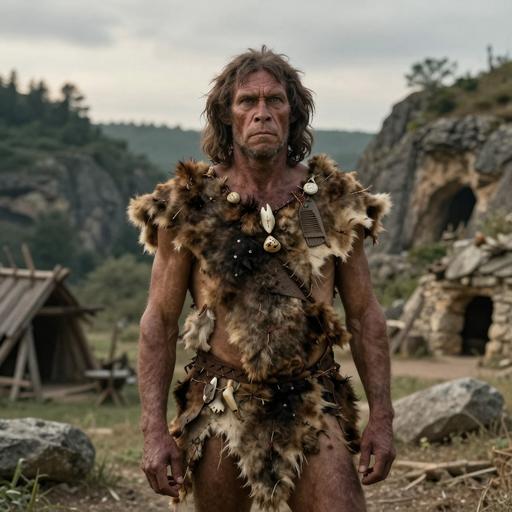
Portrait of ancient individual Spy_final from Belgium, dated 39431 BCE - 38495 BCE
Spy_final
Belgium Spy Neanderthal, Belgium 39431 BCE - 38495 BCE Spy Culture ND1b1a1b2* Downstream
Portrait of ancient individual Spy_final from Belgium, dated 39431 BCE - 38495 BCE
Spy_final
Belgium Neanderthals 39431 BCE - 38495 BCE ND1b1a1b2* Downstream
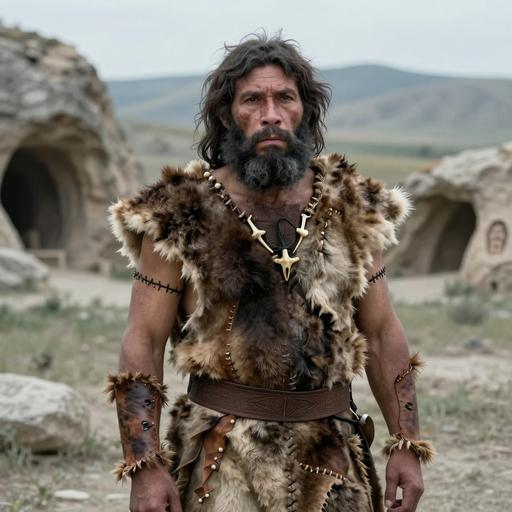
Portrait of ancient individual Goyet_final from Belgium, dated 40782 BCE - 40217 BCE
Goyet_final
Belgium Goyet Cave Neanderthal 40782 BCE - 40217 BCE Goyet Culture ND1b1a1b2a Downstream
Portrait of ancient individual Goyet_final from Belgium, dated 40782 BCE - 40217 BCE
Goyet_final
Belgium Neanderthals 40782 BCE - 40217 BCE ND1b1a1b2a Downstream
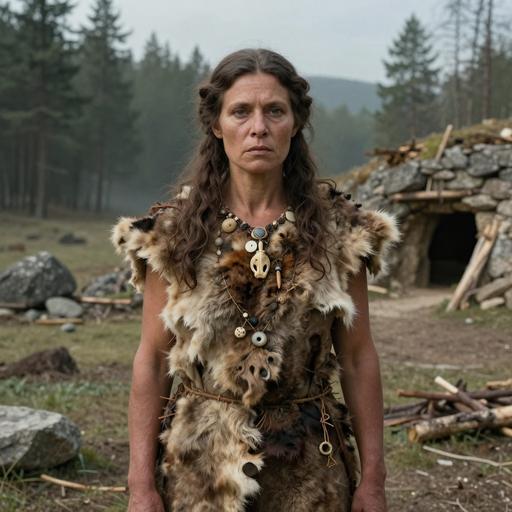
Portrait of ancient individual Les_Cottes_final from France, dated 41201 BCE - 40596 BCE
Les_Cottes_final
France Les Cottes Neanderthal 41201 BCE - 40596 BCE Les Cottes ND1b1* Downstream
Portrait of ancient individual Les_Cottes_final from France, dated 41201 BCE - 40596 BCE
Les_Cottes_final
France Neanderthals 41201 BCE - 40596 BCE ND1b1* Downstream
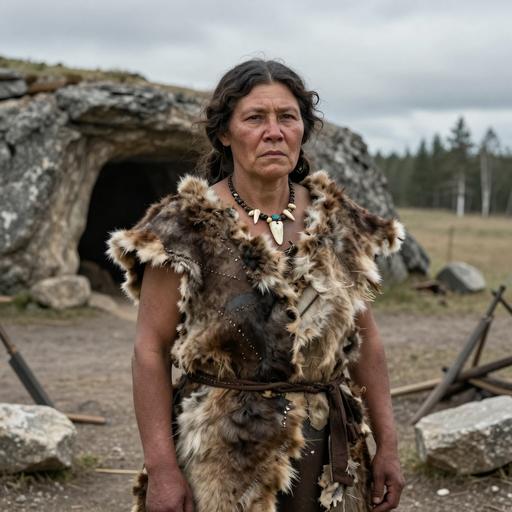
Portrait of ancient individual Mezmaiskaya2_final from Russia, dated 43015 BCE - 40206 BCE
Mezmaiskaya2_final
Russia Mezmaiskaya 2 Neanderthal 43015 BCE - 40206 BCE Mezmaiskaya ND1b1a* Downstream
Portrait of ancient individual Mezmaiskaya2_final from Russia, dated 43015 BCE - 40206 BCE
Mezmaiskaya2_final
Russia Neanderthals 43015 BCE - 40206 BCE ND1b1a* Downstream
Portrait of ancient individual Vindija from Croatia, dated 43500 BCE - 45300 BCE
Vindija
Croatia Vindija Neanderthal, Croatia 43500 BCE - 45300 BCE Vindija ND1b1a1b1 Downstream
Portrait of ancient individual Mezmaiskaya1 from Russia, dated 68050 BCE - 58050 BCE
Mezmaiskaya1
Russia Mezmaiskaya 1 Neanderthal 68050 BCE - 58050 BCE Mezmaiskaya ND1b2* Downstream
Chapter VI

Carrier Distribution Map

Geographic distribution of 15 ancient DNA samples (direct and subclade carriers of ND1B)

Subclade carrier
Time Period Filter
All Time Periods
Showing all samples
Chapter VII

Temporal Distribution

Distribution of carriers across archaeological periods

Chapter VIII

Geographic Distribution

Distribution by country of origin (direct and subclade carriers shown by default)

Chapter IX

Country × Era Distribution

Cross-tabulation of carrier countries and archaeological periods (direct and subclade carriers shown by default)

Data

Data & Provenance

Source information and data quality

Last Updated 2026-02-16
Confidence Score 50/100
Coverage Low
Data Source

We use the latest phylotree for MTDNA haplogroup classification and data.