Menu
mtDNA Haplogroup • Maternal Lineage

U1A1

mtDNA Haplogroup U1A1

~12,000 years ago
Near East / Caucasus
3 subclades
Scroll to explore
Chapter I

The Story

The journey of mtDNA haplogroup U1A1

Origins and Evolution

mtDNA haplogroup U1A1 is a subclade of U1A, itself a branch of haplogroup U1. U1A likely diversified after the Last Glacial Maximum in the Near East and Caucasus; U1A1 represents a downstream lineage that probably emerged in the early Holocene (roughly around 12 kya) as human populations expanded and restructured during post‑glacial recolonization and the beginnings of sedentism. Like other U lineages, U1A1 carries distinguishing coding‑region mutations that mark it as a distinct maternal branch within West Eurasian mitochondrial diversity.

Genetically, U1A1 should be interpreted in the context of broader West Eurasian maternal variation: it is neither one of the dominant Holocene farmer lineages (such as some H or J subclades) nor strictly a Mesolithic relic, but rather a regional lineage with continuity through the Holocene and occasional dispersal to adjacent regions.

Subclades

U1A1 has been reported with a limited number of downstream sublineages in regional sequencing studies and databases. These downstream branches tend to be geographically localized and often show low diversity, consistent with founder events or long‑term persistence in small populations. Published population surveys and community datasets occasionally identify minor U1A1 subbranches in the Caucasus, Iran and South Asia, but the resolution and naming of these subclades depend on dense mitogenome sampling and continuous phylogenetic refinement.

Geographical Distribution

U1A1 is most characteristic of the Near East and the Caucasus, with measurable but lower frequencies in South Asia (India and Pakistan), sporadic occurrences in North Africa and occasional low‑frequency appearances in southern and eastern Europe. Its distribution matches patterns of Holocene connectivity across West Asia: local continuity in the Caucasus and Iran, with limited westward and southward gene flow. In many modern population samples U1A1 is rare; where present it contributes to the mosaic of West Eurasian maternal lineages rather than dominating the gene pool.

Ancient DNA studies identify U1 and U1A variants in Holocene archaeological contexts across West Asia and adjacent regions; aggregated databases list multiple ancient occurrences of U1A and related subclades, supporting continuity from early Holocene populations into later archaeological periods.

Historical and Cultural Significance

While U1A1 is not tied to a single, large demographic event the way some haplogroups are (for example those associated with broad Neolithic farmer expansions), its presence informs several important historical and demographic narratives:

  • Post‑LGM reexpansion and early Holocene settlement: U1A1 fits a pattern of lineages that expanded locally in refugial areas of the Near East and Caucasus after the Last Glacial Maximum.
  • Neolithic and later cultural interactions: Low‑frequency dispersal of U1A1 into South Asia and southern Europe probably accompanied trade, small‑scale migrations, and cultural exchanges during the Neolithic and Bronze Age periods rather than mass population replacement.
  • Regional continuity: In some Caucasus and Iranian populations, U1A1 and related U1A subclades show continuity between ancient and modern samples, making them useful markers for studying long‑term maternal ancestry in West Asia.

Conclusion

U1A1 is a geographically informative, low‑to‑moderate frequency mtDNA lineage rooted in the Near East/Caucasus that reflects early Holocene demographic processes and subsequent localized dispersals. Its value in population genetics lies in its ability to help trace regional maternal continuity, small‑scale migrations, and the complex population structure of West Eurasia and adjoining areas.

Key Points

  • Origins and Evolution
  • Subclades
  • Geographical Distribution
  • Historical and Cultural Significance
  • Conclusion
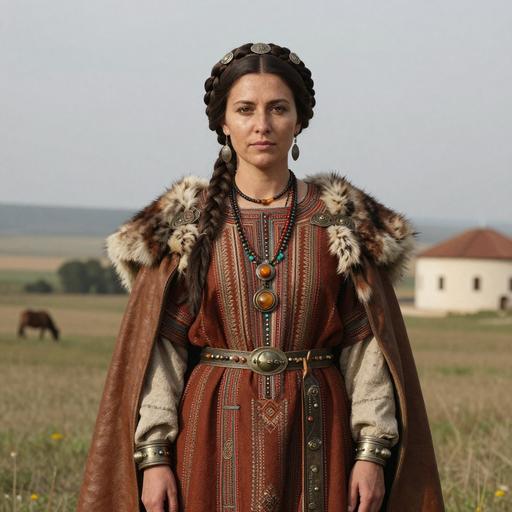
Chapter II

Tree & Relationships

Phylogenetic context and subclades

Evolution Path
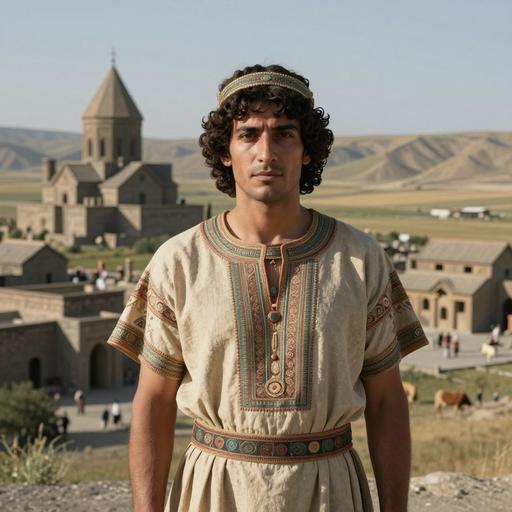
This haplogroup's evolutionary journey from its earliest ancestor to the present.

Steps Haplogroup Age Estimate Archaeology Era Time Passed Immediate Descendants Tested Modern Descendants Ancient Connections
1 U1A1 Current ~12,000 years ago 🌾 Neolithic 12,000 years 3 53 0
2 U1A ~17,000 years ago 🏹 Mesolithic 17,000 years 4 60 29
3 U1 ~28,000 years ago 🦴 Paleolithic 28,000 years 2 79 0
4 U ~46,000 years ago 🦴 Paleolithic 46,000 years 12 2,835 110
5 R ~60,000 years ago 🦴 Paleolithic 60,000 years 12 10,987 57
6 N ~60,000 years ago 🦴 Paleolithic 60,000 years 15 15,452 13
7 L3 ~70,000 years ago 🦴 Paleolithic 70,000 years 11 17,621 6
8 L ~160,000 years ago 🦴 Paleolithic 160,000 years 7 18,987 5

Siblings (3)

Other branches from the same parent haplogroup

Chapter III

Where in the World

Geographic distribution and modern presence


Place of Origin

Near East / Caucasus

Modern Distribution

The populations where mtDNA haplogroup U1A1 is found include:

  1. Populations of the Near East (e.g., Iran, Levant, Turkey)
  2. Caucasus populations (e.g., Armenians, Georgians, neighboring groups)
  3. South Asian populations (India and Pakistan, at low-to-moderate frequencies)
  4. North African groups (sporadic presence, including some Berber populations)
  5. Southern and Eastern European populations (low-frequency, often reflecting westward gene flow)
  6. Jewish populations (sporadic presence in some community studies)
  7. Small or localized groups showing regional continuity in West Asia and adjacent areas
CHAPTER IV

When in Time

Your haplogroup in the context of human history

~12k years ago

Haplogroup U1A1

Your mtDNA haplogroup emerged in Near East / Caucasus

Near East / Caucasus
~10k years ago

Neolithic Revolution

Agriculture begins, settled communities form

~5k years ago

Bronze Age

Metalworking, writing, and early civilizations

~3k years ago

Iron Age

Iron tools, expanded trade networks

~2k years ago

Classical Antiquity

Greek and Roman civilizations flourish

Present

Present Day

Modern era

Your Haplogroup
Historical Era
Chapter IV-B

Linked Cultures

Ancient cultures associated with mtDNA haplogroup U1A1

Cultural Heritage

These ancient cultures have been linked to haplogroup U1A1 based on matching ancient DNA samples from archaeological excavations. The presence of this haplogroup in these cultures provides insights into the migrations and population movements of populations carrying this haplogroup.

Anatolian Iron Age Avar Avar Culture Bulgarian EBA Butkara Culture Canaanite Early Bronze Age Armenian French Neolithic Hasanlu Culture Iranian Historical Period Iraqi PPN Nubian Christian Roman Empire Udegram Culture
Culture assignments are based on archaeological context of ancient DNA samples and may represent regional associations during specific time periods.
Chapter V

Sample Catalog

14 direct carriers and 41 subclade carriers of haplogroup U1A1

50 / 50 samples
Portrait Sample Country Era Date Culture mtDNA Match
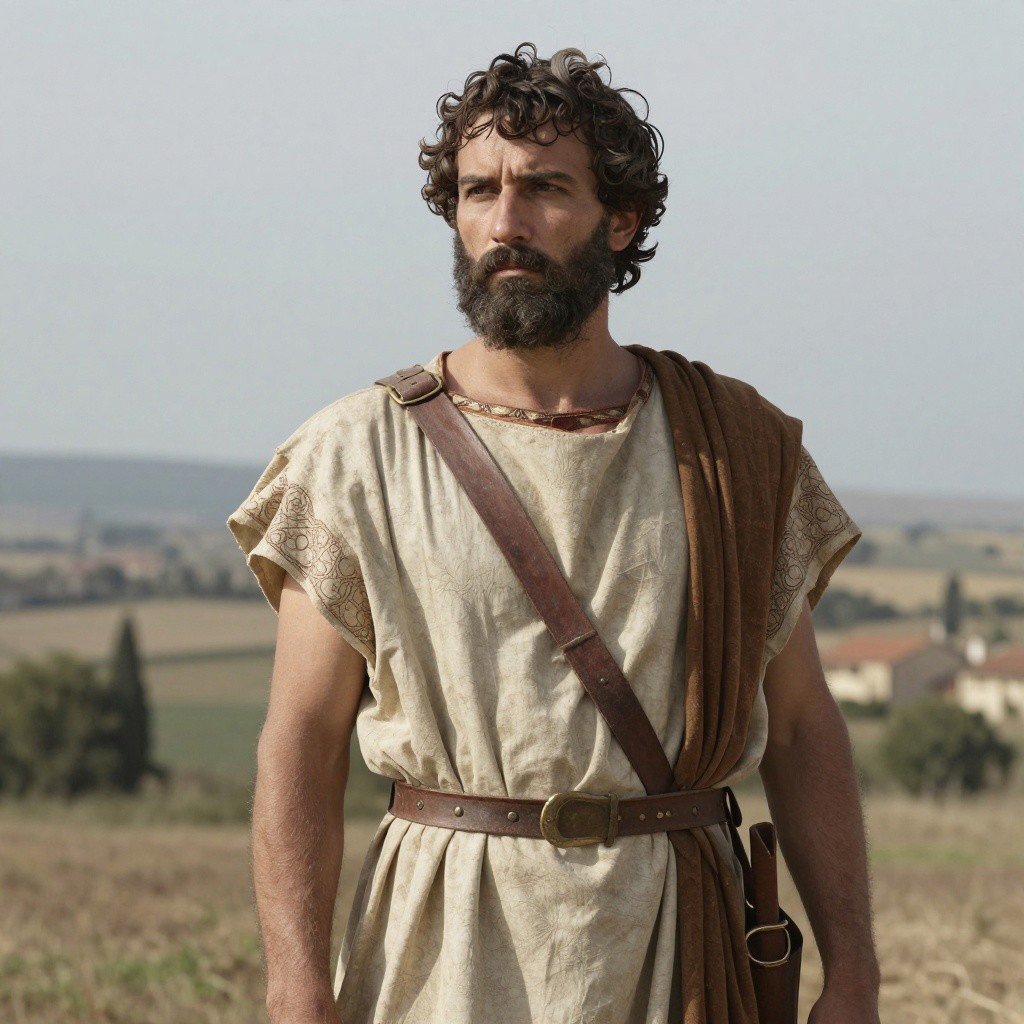
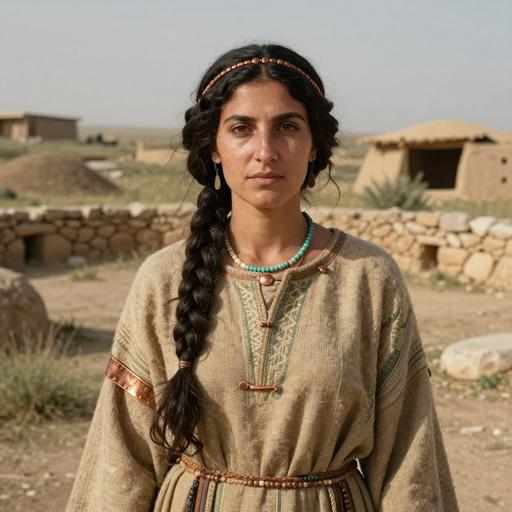
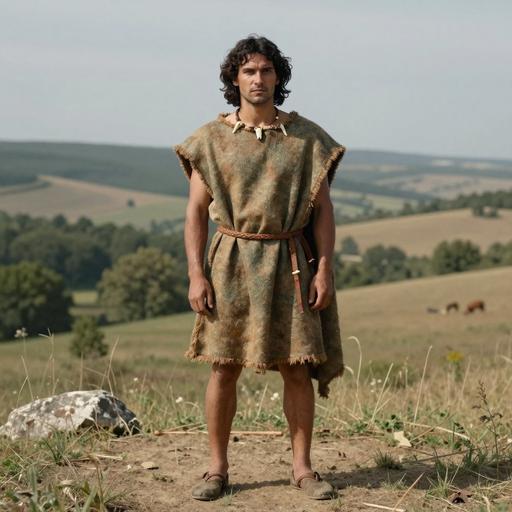
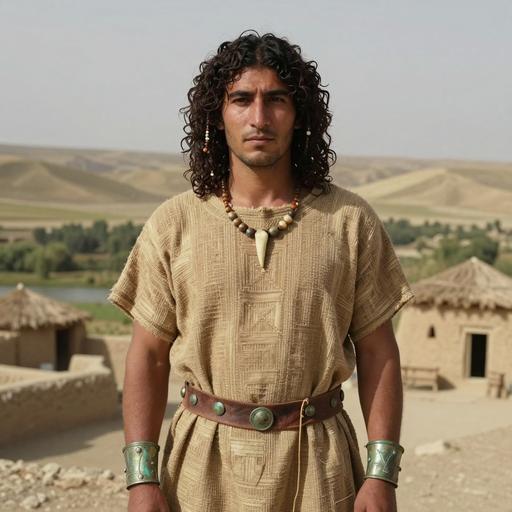
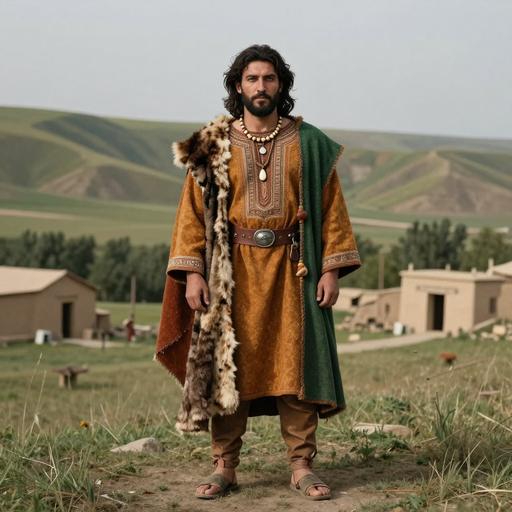
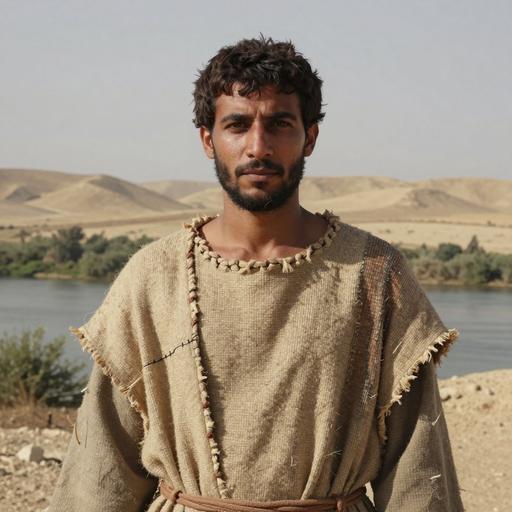
Portrait of ancient individual R42 from Italy, dated 26 CE - 126 CE
R42
Italy Imperial Rome 26 CE - 126 CE Roman Empire U1a1 Direct
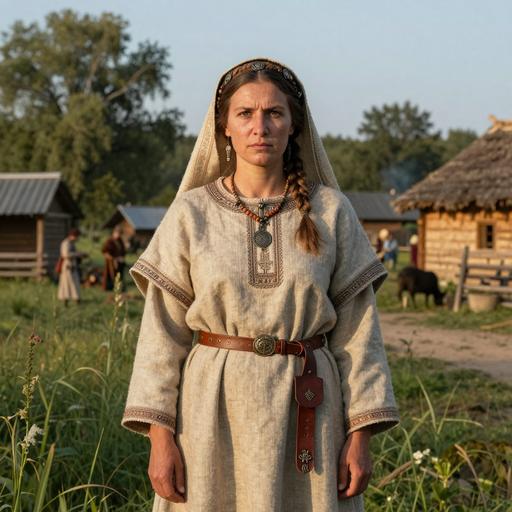
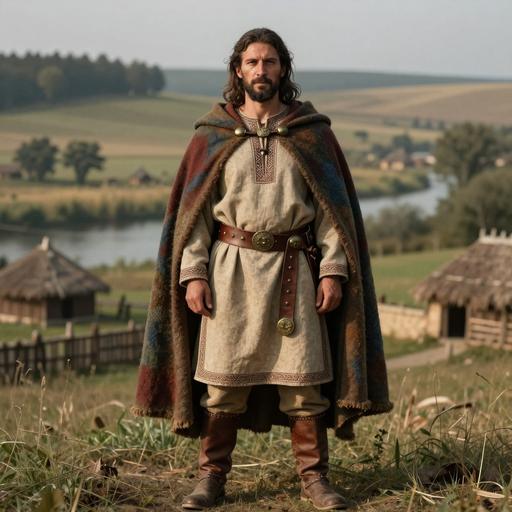
Portrait of ancient individual RKF102 from Hungary, dated 580 CE - 804 CE
RKF102
Hungary Avar Khaganate 580 CE - 804 CE Avar U1a1 Direct
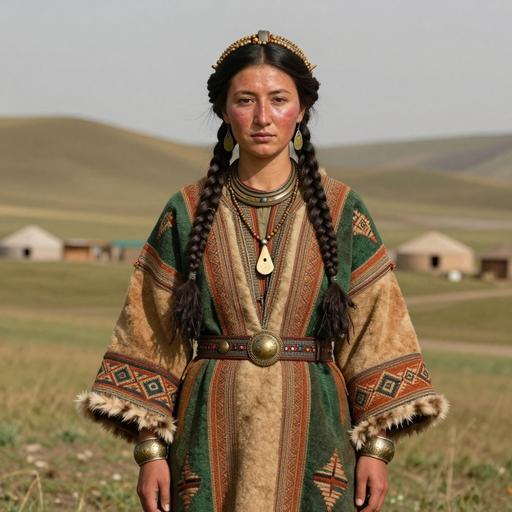
Portrait of ancient individual RKC013 from Hungary, dated 650 CE - 900 CE
RKC013
Hungary Late Avar Period Hungary 650 CE - 900 CE Avar Culture U1a1 Direct
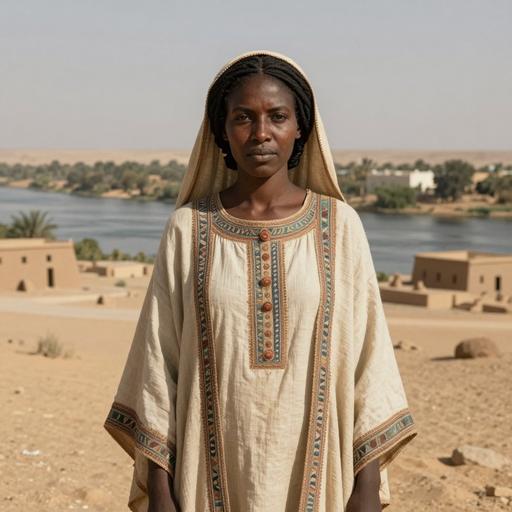
Portrait of ancient individual I6330 from Sudan, dated 673 CE - 825 CE
I6330
Sudan Early Christian Era in Sudan 673 CE - 825 CE Nubian Christian U1a1 Direct
Portrait of ancient individual I12968 from Pakistan, dated 1000 BCE - 800 BCE
I12968
Pakistan Butkara: Iron Age Religious and Cultural Center in Swat Valley, Pakistan 1000 BCE - 800 BCE Butkara Culture U1a1 Direct
Portrait of ancient individual I14635 from Turkey, dated 1000 BCE - 100 BCE
I14635
Turkey Iron Age Turkey 1000 BCE - 100 BCE Anatolian Iron Age U1a1 Direct
Portrait of ancient individual I3260 from Pakistan, dated 1009 BCE - 908 BCE
I3260
Pakistan Udegram Iron Age Fortified Settlement in Swat Valley, Pakistan 1009 BCE - 908 BCE Udegram Culture U1a1 Direct
Portrait of ancient individual I6430 from Iran, dated 1200 BCE - 600 BCE
I6430
Iran The Iron Age in Hasanlu, Iran 1200 BCE - 600 BCE Hasanlu Culture U1a1 Direct
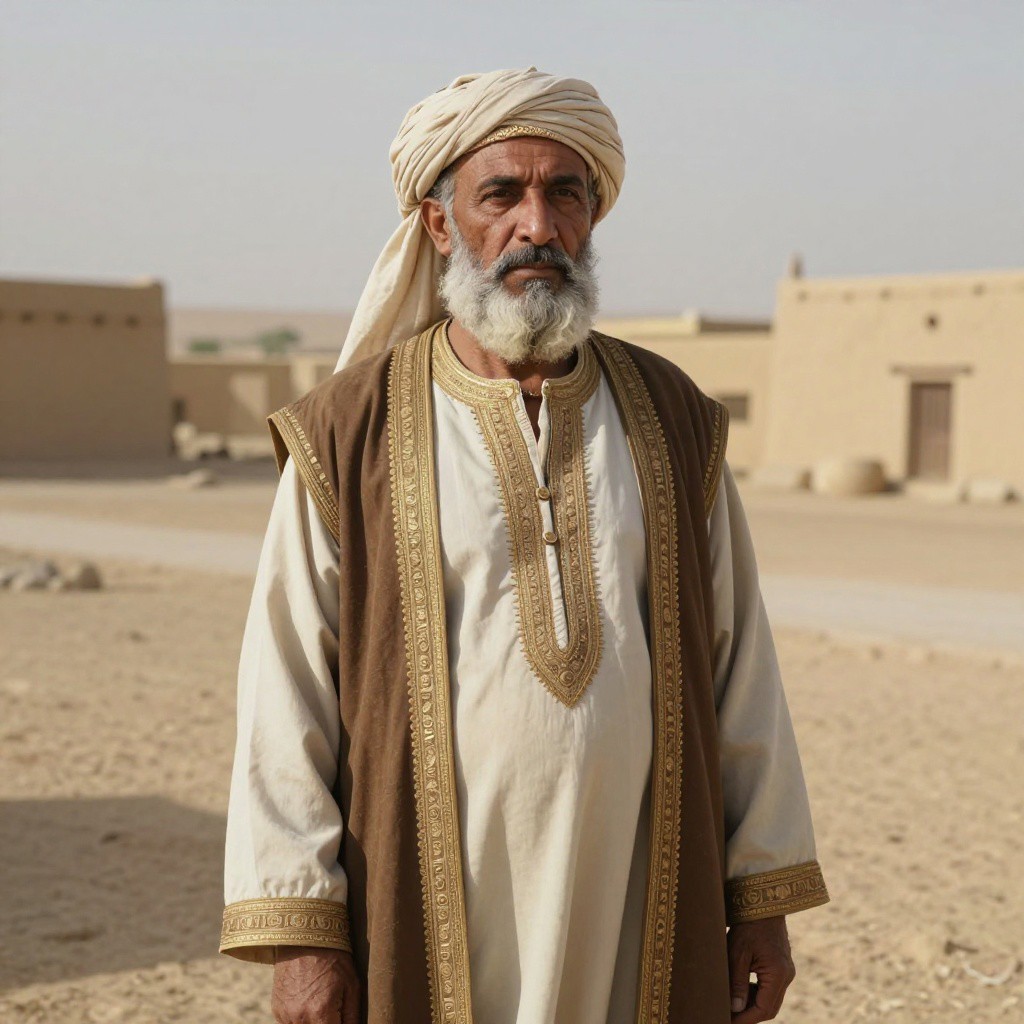
Portrait of ancient individual I1955 from Iran, dated 1480 CE - 1640 CE
I1955
Iran Historical Iran 1480 CE - 1640 CE Iranian Historical Period U1a1 Direct
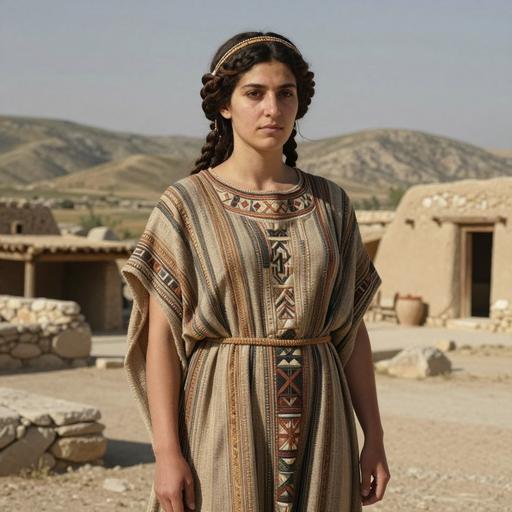
Portrait of ancient individual I7184 from Israel, dated 2000 BCE - 1550 BCE
I7184
Israel Middle to Late Bronze Age Israel 2000 BCE - 1550 BCE Canaanite U1a1 Direct
Chapter VI

Carrier Distribution Map

Geographic distribution of 55 ancient DNA samples (direct and subclade carriers of U1A1)

Direct carrier Subclade carrier
Time Period Filter
All Time Periods
Showing all samples
Chapter VII

Temporal Distribution

Distribution of carriers across archaeological periods

Chapter VIII

Geographic Distribution

Distribution by country of origin (direct and subclade carriers shown by default)

Chapter IX

Country × Era Distribution

Cross-tabulation of carrier countries and archaeological periods (direct and subclade carriers shown by default)

Data

Data & Provenance

Source information and data quality

Last Updated 2026-02-16
Confidence Score 50/100
Coverage Low
Data Source

We use the latest phylotree for MTDNA haplogroup classification and data.