Menu
mtDNA Haplogroup • Maternal Lineage

U4D3

mtDNA Haplogroup U4D3

~7,000 years ago
Eastern Europe / Western Siberia
0 subclades
Scroll to explore
Chapter I

The Story

The journey of mtDNA haplogroup U4D3

Origins and Evolution

mtDNA haplogroup U4D3 is a downstream branch of U4D, itself a subclade of the ancient European haplogroup U4. U4 lineages are widely recognized from post-Last Glacial Maximum (post-LGM) recolonization of northern and eastern Europe; U4D is dated to roughly the early Holocene (~12 kya) in the eastern European / western Siberian zone. U4D3 represents a later diversification within that regional U4D radiation, with coalescence likely in the later Mesolithic to early Neolithic (around 7 kya) based on its phylogenetic depth relative to U4D and its distribution in ancient and modern samples.

Diverse ancient DNA studies show that U4 lineages were common among hunter-gatherer groups of northern and eastern Europe and persisted into Bronze Age and later contexts, indicating continuity of maternal lines in these regions. U4D3 appears in a small but geographically consistent set of ancient samples, pointing to local persistence and modest expansion rather than a large, rapid continent-wide spread.

Subclades (if applicable)

U4D3 is a terminal or near-terminal subclade within the U4D branch in current phylogenies; if further substructure exists it is typically rare and regionally localized. The main phylogenetic context is: U → U4 → U4D → U4D3. Future sequencing and ancient DNA sampling may reveal additional sub-branches derived from U4D3 or clarify internal diversity; at present the clade is best treated as a geographically focused maternal lineage rather than a broad, highly diversified haplogroup.

Geographical Distribution

U4D3 is concentrated in northern and northeastern Europe and adjacent parts of western Siberia. Modern occurrences are highest among populations with deep northern forest-steppe and tundra histories: northern and northeastern Russians, Baltic groups (Latvians and Lithuanians), Finnic-speaking peoples (including some Saami), and Finno-Ugric groups such as Komi and Udmurt. The haplogroup is also found at lower frequencies among some indigenous Siberian groups (e.g., Nenets, and populations related to Mansi) and at low levels in eastern European populations such as Ukrainians and Belarusians. Small, sporadic occurrences in Central Asian groups (e.g., Kazakh, Tatar) likely reflect gene flow along steppe and medieval-era contact routes.

Ancient DNA finds of U4D3 and close relatives occur in multiple Mesolithic and Bronze Age contexts in eastern Europe and the steppe, supporting a long-term regional presence. The haplogroup's geographic footprint suggests survival of maternal lines associated with Mesolithic or early Neolithic forager-farmer interaction zones and subsequent incorporation into Bronze Age societies.

Historical and Cultural Significance

Because U4 lineages are prominent among Mesolithic hunter-gatherers of northern Eurasia, U4D3 is informative for studies of postglacial recolonization, hunter-gatherer persistence, and later interactions with Neolithic farmers and steppe pastoralists. The persistence of U4D3 into Bronze Age contexts and its occurrence among modern Finno-Ugric and northern Russian groups suggests continuity of maternal ancestry across cultural transitions, including the spread of pottery traditions (Comb Ware/Comb Ceramic-related groups), early Neolithic contacts, and Bronze Age population movements.

U4D3 does not appear to be a marker of a single archaeological culture but rather of regional maternal continuity: it co-occurs with a variety of cultural complexes (local Mesolithic foragers, Neolithic ceramic traditions, and Bronze Age steppe groups) in different times and places, reflecting the complex demographic processes of northern Eurasia.

Conclusion

mtDNA haplogroup U4D3 is a regionally focused subclade of U4 that encapsulates aspects of post-LGM northern Eurasian maternal history. It is best interpreted as a lineage that diversified within the eastern European / western Siberian zone during the later Mesolithic to early Neolithic and persisted through Bronze Age and into modern northern and eastern European and Siberian populations. Continued ancient DNA sampling and high-resolution mitogenome sequencing will refine its internal structure and better resolve its precise migration and demographic history.

Key Points

  • Origins and Evolution
  • Subclades (if applicable)
  • Geographical Distribution
  • Historical and Cultural Significance
  • Conclusion
Chapter II

Tree & Relationships

Phylogenetic context and subclades

Evolution Path

This haplogroup's evolutionary journey from its earliest ancestor to the present.

Steps Haplogroup Age Estimate Archaeology Era Time Passed Immediate Descendants Tested Modern Descendants Ancient Connections
1 U4D3 Current ~7,000 years ago 🌾 Neolithic 7,000 years 0 1 0
2 U4D ~12,000 years ago 🌾 Neolithic 12,000 years 3 4 41
3 U4 ~20,000 years ago 🏹 Mesolithic 20,000 years 4 299 31
4 U ~46,000 years ago 🦴 Paleolithic 46,000 years 12 2,835 110
5 R ~60,000 years ago 🦴 Paleolithic 60,000 years 12 10,987 57
6 N ~60,000 years ago 🦴 Paleolithic 60,000 years 15 15,452 13
7 L3 ~70,000 years ago 🦴 Paleolithic 70,000 years 11 17,621 6
8 L ~160,000 years ago 🦴 Paleolithic 160,000 years 7 18,987 5

Subclades (0)

Terminal branch - no known subclades

Siblings (2)

Other branches from the same parent haplogroup

Chapter III

Where in the World

Geographic distribution and modern presence

Place of Origin

Eastern Europe / Western Siberia

Modern Distribution

The populations where mtDNA haplogroup U4D3 is found include:

  1. Russians (particularly northern and northeastern regions)
  2. Baltic populations (Latvians, Lithuanians)
  3. Finnic and Saami groups in Northern Europe
  4. Komi, Udmurt and other Finno-Ugric groups of the Russian North
  5. Indigenous Siberian groups (e.g., Nenets, Mansi-related populations)
  6. Ukrainians and Belarusians (eastern Europe)
  7. Some Central Asian populations at low frequencies (e.g., Kazakh, Tatar)
  8. Ancient Mesolithic and Bronze Age individuals from Eastern Europe and the steppe
CHAPTER IV

When in Time

Your haplogroup in the context of human history

~10k years ago

Neolithic Revolution

Agriculture begins, settled communities form

~7k years ago

Haplogroup U4D3

Your mtDNA haplogroup emerged in Eastern Europe / Western Siberia

Eastern Europe / Western Siberia
~5k years ago

Bronze Age

Metalworking, writing, and early civilizations

~3k years ago

Iron Age

Iron tools, expanded trade networks

~2k years ago

Classical Antiquity

Greek and Roman civilizations flourish

Present

Present Day

Modern era

Your Haplogroup
Historical Era
Chapter IV-B

Linked Cultures

Ancient cultures associated with mtDNA haplogroup U4D3

Cultural Heritage

These ancient cultures have been linked to haplogroup U4D3 based on matching ancient DNA samples from archaeological excavations. The presence of this haplogroup in these cultures provides insights into the migrations and population movements of populations carrying this haplogroup.

Afanasievo Alan Culture Catacomb Culture Chemurcheck Culture Dnieper-Mariupol Early Iron Age Armenian Khvalynsk Culture Popovo Culture Roopkund Culture Ukrainian Neolithic
Culture assignments are based on archaeological context of ancient DNA samples and may represent regional associations during specific time periods.
Chapter V

Sample Catalog

7 direct carriers of haplogroup U4D3

7 / 7 samples
Portrait Sample Country Era Date Culture mtDNA Match
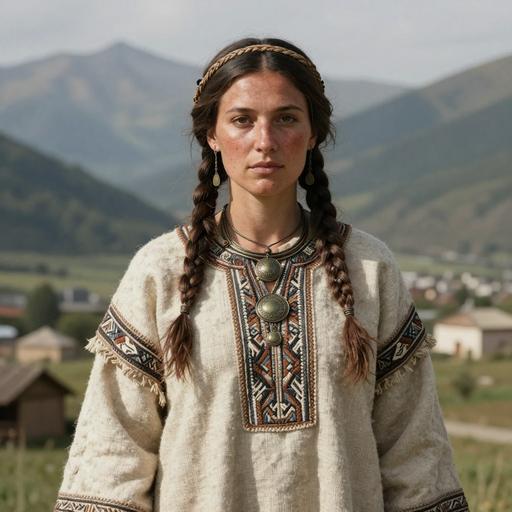
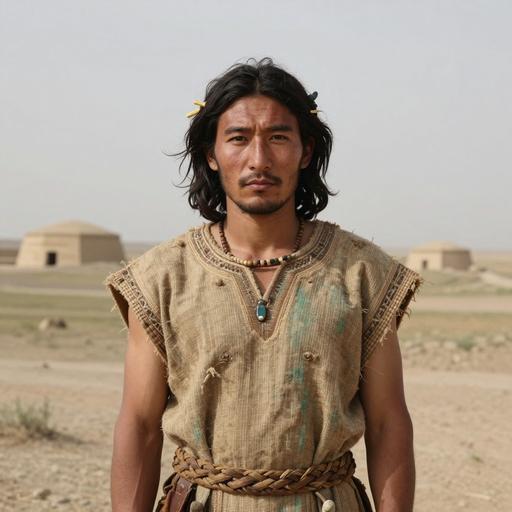
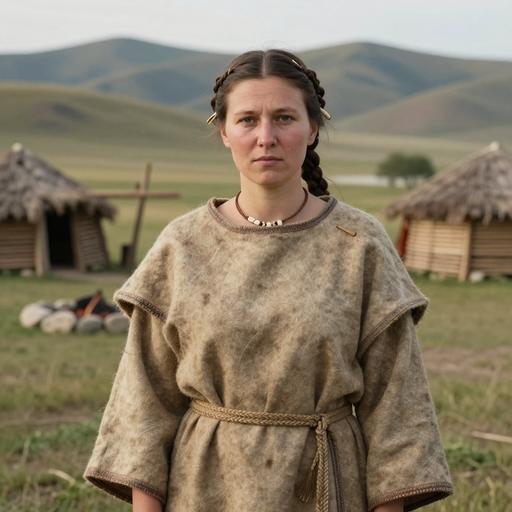
Portrait of ancient individual DA160 from Russia, dated 450 CE - 850 CE
DA160
Russia Alan Culture, Russia 450 CE - 850 CE Alan Culture U4d3 Direct
Portrait of ancient individual DA160 from Russia, dated 450 CE - 850 CE
DA160
Russia The Alan People 450 CE - 850 CE U4d3 Direct
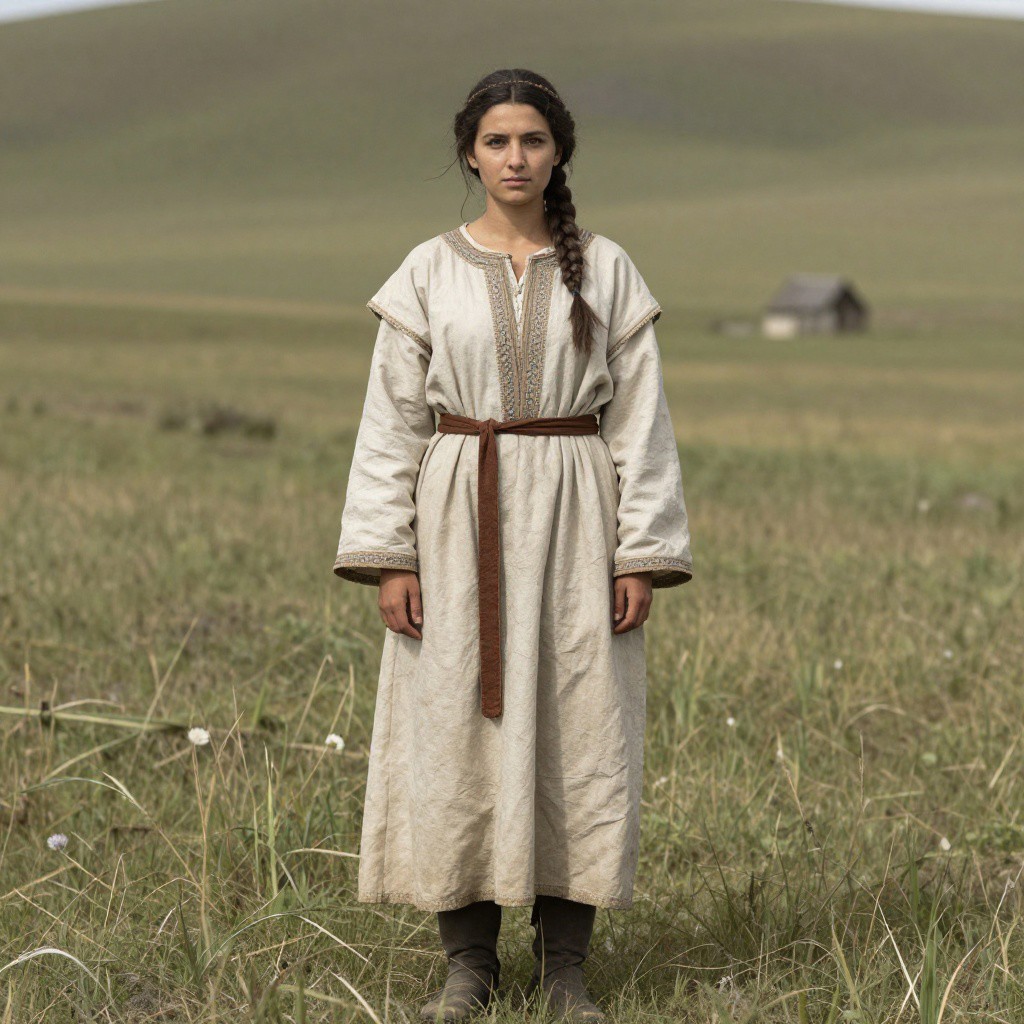
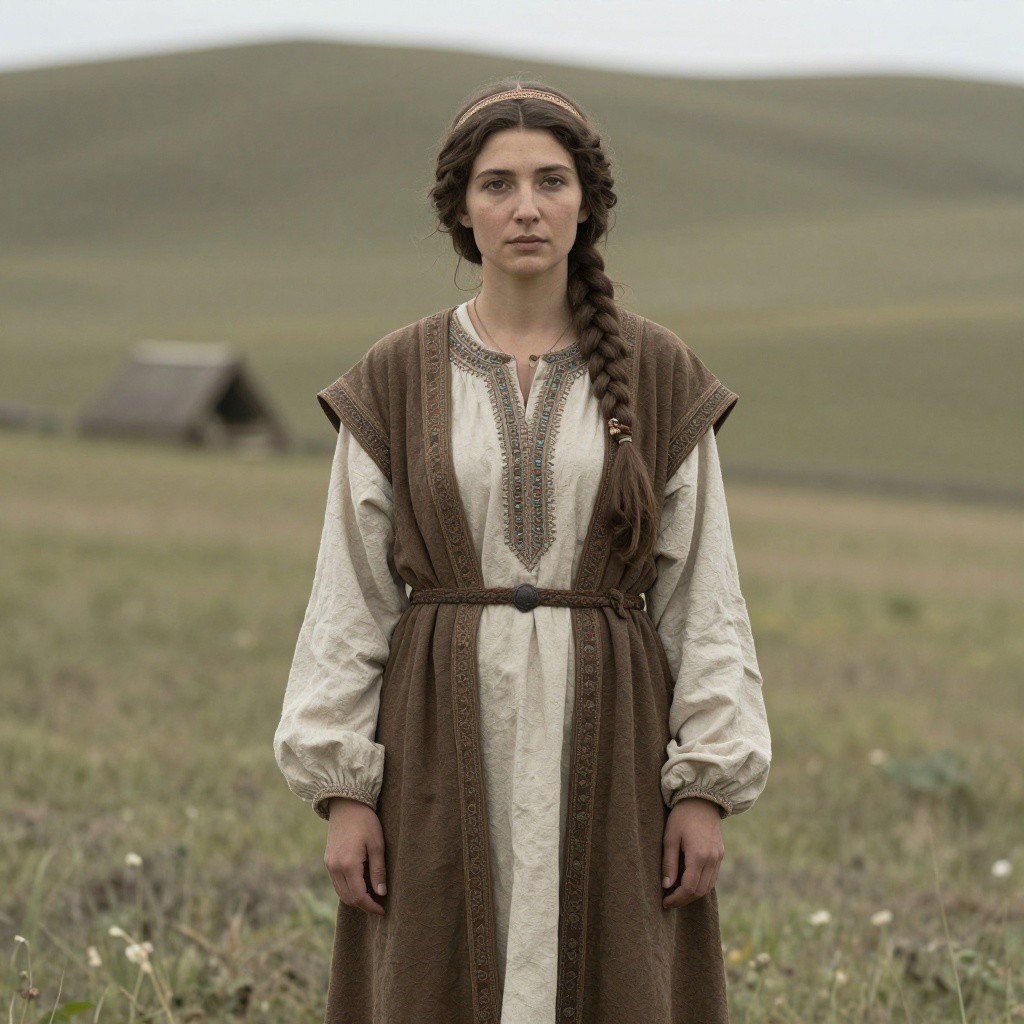
Portrait of ancient individual I17180 from Armenia, dated 755 BCE - 420 BCE
I17180
Armenia Early Iron Age Armenia 755 BCE - 420 BCE Early Iron Age Armenian U4d3 Direct
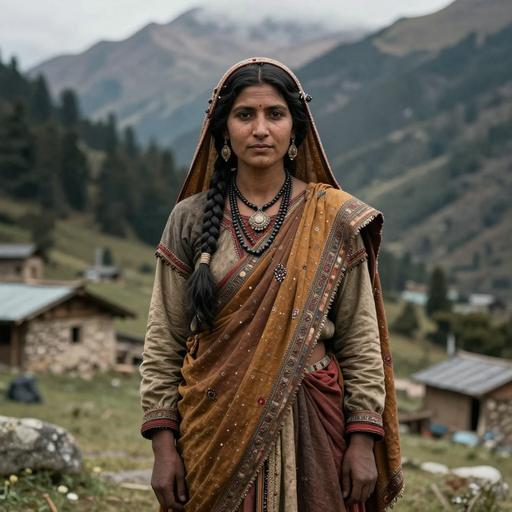
Portrait of ancient individual I6944 from India, dated 772 CE - 885 CE
I6944
India Roopkund Skeletons A 772 CE - 885 CE Roopkund Culture U4d3 Direct
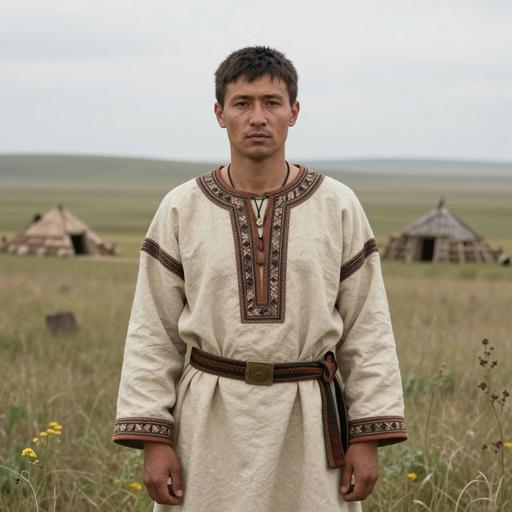
Portrait of ancient individual RK4002 from Russia, dated 2662 BCE - 2474 BCE
RK4002
Russia Catacomb Culture, Russian Steppe 2662 BCE - 2474 BCE Catacomb Culture U4d3 Direct
Portrait of ancient individual C1707 from China, dated 2864 BCE - 2500 BCE
C1707
China Bronze Age Chemurcheck Culture Bolati, Xinjiang, China 2864 BCE - 2500 BCE Chemurcheck Culture U4d3 Direct
Portrait of ancient individual I11752 from Russia, dated 2900 BCE - 2500 BCE
I11752
Russia Afanasievo Culture 2900 BCE - 2500 BCE Afanasievo U4d3 Direct
Chapter VI

Carrier Distribution Map

Geographic distribution of 7 ancient DNA samples (direct and subclade carriers of U4D3)

Direct carrier
Time Period Filter
All Time Periods
Showing all samples
Chapter VII

Temporal Distribution

Distribution of carriers across archaeological periods

Chapter VIII

Geographic Distribution

Distribution by country of origin (direct and subclade carriers shown by default)

Chapter IX

Country × Era Distribution

Cross-tabulation of carrier countries and archaeological periods (direct and subclade carriers shown by default)

Data

Data & Provenance

Source information and data quality

Last Updated 2026-02-16
Confidence Score 50/100
Coverage Low
Data Source

We use the latest phylotree for MTDNA haplogroup classification and data.