mtDNA · Maternal lineage

U4

mtDNA Haplogroup U4

A reference profile for one lineage branch. Shared haplogroups do not establish a family relationship or cultural identity.

Reference profile

Branch background

Historical context for mtDNA lineage branch U4

Origins and Evolution

Haplogroup U4 is a deep-branching subclade of mtDNA haplogroup U (specifically part of the U2'3'4'7'8'9 grouping) with a likely coalescence in the Upper Paleolithic of Northern Eurasia roughly around ~25 kya (estimates vary by study and calibration). As a branch of haplogroup U, U4 shares the Paleolithic roots of many West Eurasian maternal lineages but shows a distribution and substructure consistent with post-glacial expansions, Mesolithic persistence, and later Bronze Age movements.

Subclades

U4 contains several named subclades (commonly reported in the literature as U4a, U4b, U4c, etc.), each with differing geographic emphases and ages. U4a is often reported in both ancient and modern Northern/Eastern European and Siberian samples, and is commonly observed in Mesolithic and later Bronze Age contexts. U4b and other minor subbranches show more localized distributions, with occasional occurrences in South Asia and Central Asia indicating long-distance gene flow or later admixture events. Ancient DNA (aDNA) studies continue to refine the subclade tree and the geographic histories of individual branches.

Geographical Distribution

Genetic surveys and aDNA research indicate that U4 has a pronounced presence in Northern and Eastern Europe (including the Baltic, Scandinavia, Finland, and parts of Russia) and in Siberia. It appears at lower but detectable frequencies in Central Asia and sporadically in South Asia and the Near East. Ancient samples from Mesolithic hunter-gatherer sites, as well as Bronze Age steppe populations (e.g., individuals associated with the Yamnaya horizon and some Corded Ware contexts), have carried U4 lineages, linking the haplogroup to both long-term local persistence and steppe-associated movements.

Historical and Cultural Significance

U4 is strongly associated with Mesolithic hunter-gatherer populations of Northern and Eastern Europe and with hunter-gatherer ancestry components identified in ancient genomes (for example, among Eastern European Hunter-Gatherers, EHG). Its presence in Bronze Age steppe groups such as Yamnaya and in some Corded Ware-associated individuals indicates that U4 lineages were part of the maternal ancestry that spread with or mixed into steppe-related migrations that impacted large parts of Europe and Central Asia during the 3rd and 2nd millennia BCE. In modern populations, higher frequencies in Finland, the Baltic states, northern Russia, and certain Siberian groups reflect both continuity from ancient local maternal lineages and regional demographic histories (bottlenecks, founder effects, and admixture).

Conclusion

U4 is a valuable marker for tracing Northern Eurasian maternal ancestry through the Late Upper Paleolithic, Mesolithic, and into the Bronze Age. Its geographic pattern — concentrated in northern and eastern parts of Eurasia with pockets farther afield — and its presence in key ancient individuals make it an informative haplogroup for studies of hunter-gatherer persistence, post-glacial recolonization of northern latitudes, and later steppe-related demographic events. Ongoing aDNA sampling and high-resolution mitogenome phylogenies continue to refine the age estimates, subclade relationships, and migration histories associated with U4.

Key Points

  • Origins and Evolution
  • Subclades
  • Geographical Distribution
  • Historical and Cultural Significance
  • Conclusion
Reference profile

Tree & Relationships

Phylogenetic context and subclades

Evolution Path

Follow the recorded parent branches toward U4. Dates are estimates and can change as reference data is revised.

Steps Haplogroup Age Estimate Archaeology Era Time Passed Immediate Descendants Tested Modern Descendants Ancient Connections
1 U4 Current ~25,000 years ago Paleolithic 25,000 years 6 350 31
2 U4'9 - - - 2 361 0
3 U2'3'4'7'8'9 - - - 5 3,500 0
4 U ~46,000 years ago Paleolithic 46,000 years 5 5,557 110
5 R ~55,000 years ago Paleolithic 55,000 years 17 22,830 57
6 NA - - - 1 22,830 0
7 N ~60,000 years ago Paleolithic 60,000 years 16 26,150 13
8 L3 ~70,000 years ago Paleolithic 70,000 years 7 30,162 6
9 L3'4 - - - 2 30,212 0
10 L3'4'6 - - - 2 30,216 0
11 L2'3'4'6 - - - 2 31,333 0
12 L2'3'4'5'6'7 - - - 2 31,349 0
13 L1'2'3'4'5'6'7 - - - 2 31,852 0
14 L ~160,000 years ago Paleolithic 160,000 years 2 32,236 5

Siblings (1)

Other branches from the same parent haplogroup

Reference profile

Where in the World

Geographic distribution and modern presence

Recorded origin

Northern Eurasia

Modern Distribution

The populations where mtDNA haplogroup U4 is found include:

  1. Mesolithic and Neolithic European hunter-gatherers (ancient samples from Scandinavia and Eastern Europe)
  2. Modern Scandinavians (Sweden, Norway)
  3. Baltic populations (Latvia, Lithuania, Estonia)
  4. Finns and Saami (Finland and northern Fennoscandia)
  5. Northwestern and Northern Russians
  6. Siberian indigenous groups (e.g., Ket, Selkup, Nenets and others)
  7. Central Asian populations (sporadic occurrences in Kazakh, Bashkir and related groups)
  8. South Asian populations (low-frequency, localized occurrences in parts of India and Pakistan)
  9. Ancient Bronze Age steppe populations (e.g., Yamnaya and some Corded Ware-associated individuals)
Historical context

A branch through time

Estimated formation in a broad historical timeline. Period markers provide context and do not imply a connection with particular cultures.

  1. ~25k years ago

    Haplogroup U4

    Estimated formation of this mtDNA branch; dates and locations are reference estimates.

    This branch
  2. ~20k years ago

    Last Glacial Maximum

    Peak of the last ice age, populations isolated

  3. ~10k years ago

    Neolithic Revolution

    Agriculture begins, settled communities form

  4. ~5k years ago

    Bronze Age

    Metalworking, writing, and early civilizations

  5. ~3k years ago

    Iron Age

    Iron tools, expanded trade networks

  6. ~2.5k years ago

    Classical Antiquity

    Greek and Roman civilizations flourish

  7. Present

    Present Day

    Modern era

Reference profile

Archaeological context

Recorded archaeological associations for mtDNA branch U4

Recorded associations

These labels describe archaeological contexts recorded for reference samples linked to U4. An association does not establish that all carriers belonged to a culture or followed a particular migration route.

Bodrogkeresztur Don-Mariupol Culture Kotias Culture Mesolithic Ukrainian Minino Russia_Samara_Eneolithic_Ekaterinovka Scandinavian Mesolithic Ukrainian Neolithic Varna Culture Veretye Yuzhny Oleny Ostrov
Culture assignments are based on archaeological context of ancient DNA samples and may represent regional associations during specific time periods.
Reference profile

Sample Catalog

1 direct carrier and 30 subclade carriers of haplogroup U4

10 shown · 31 matching samples

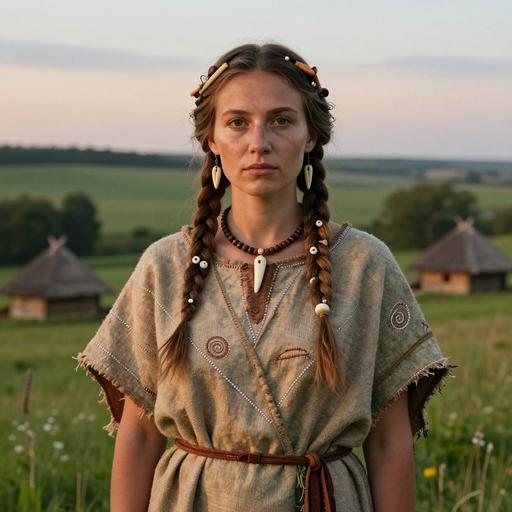
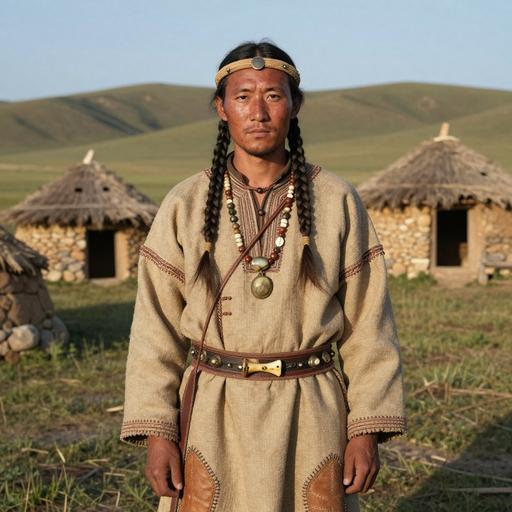
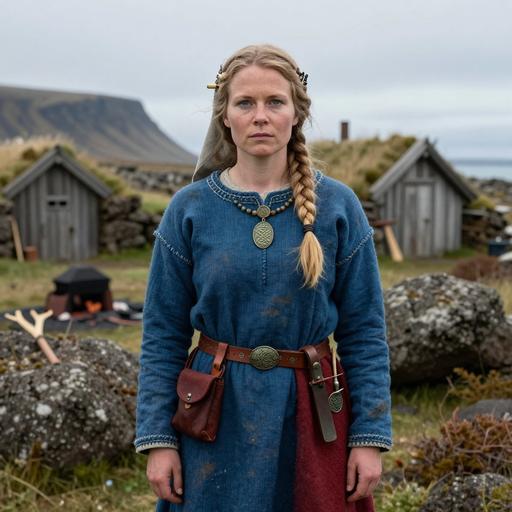
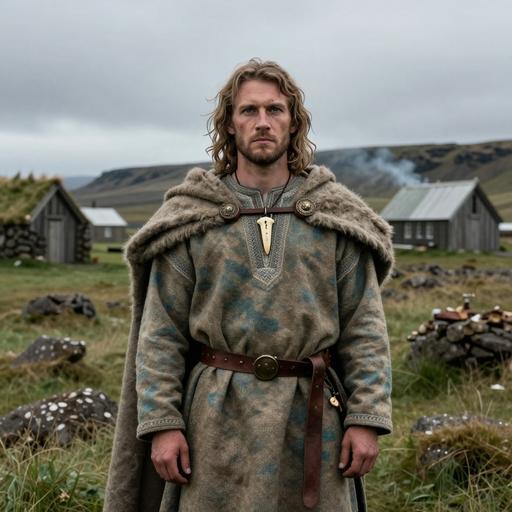
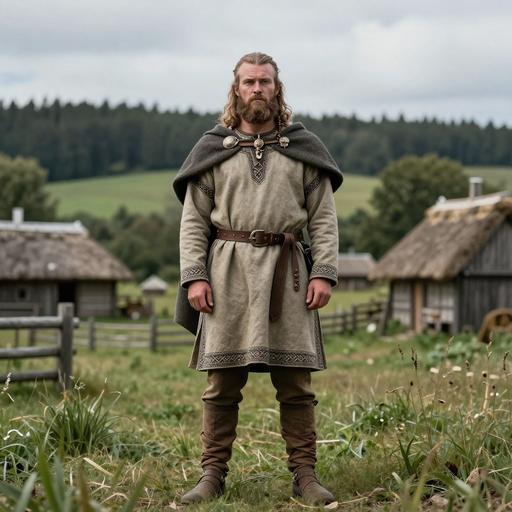
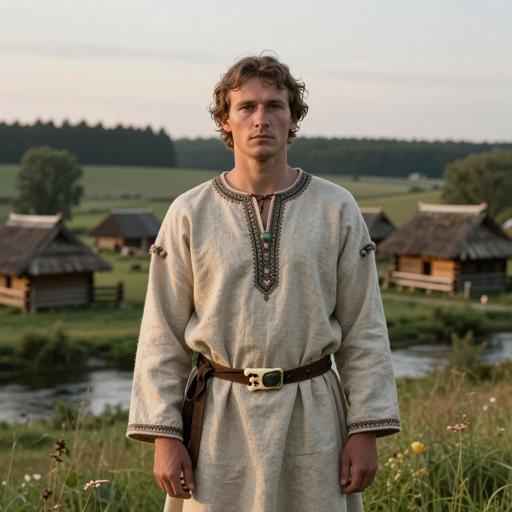
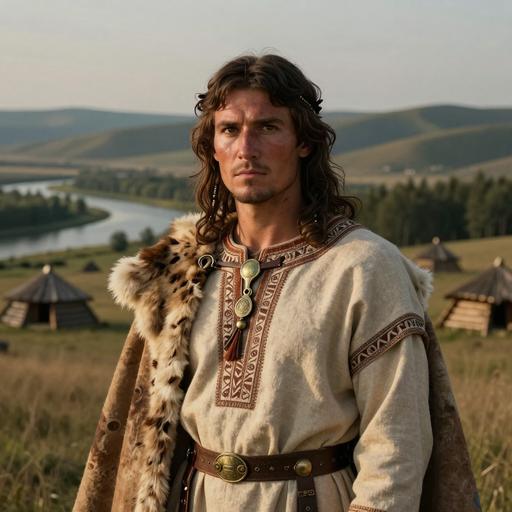
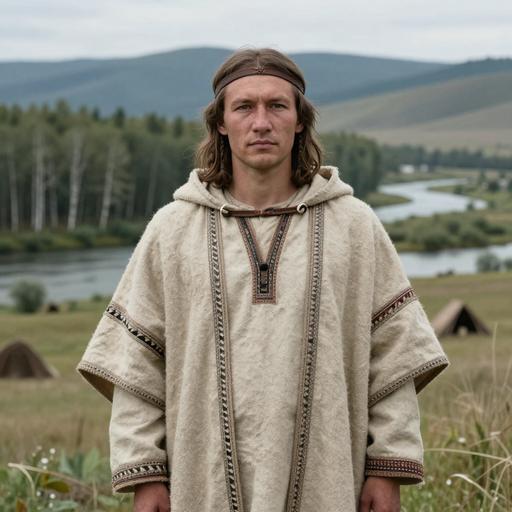
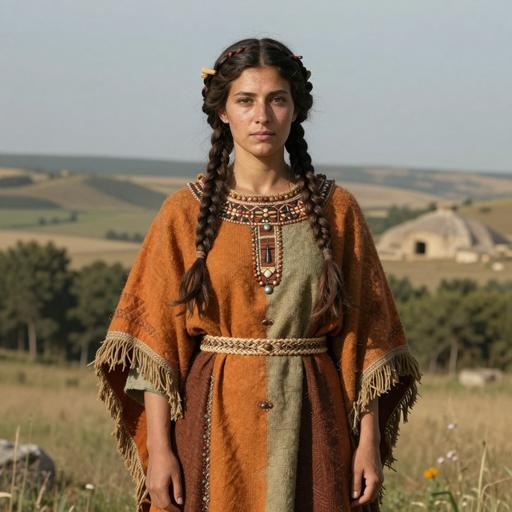
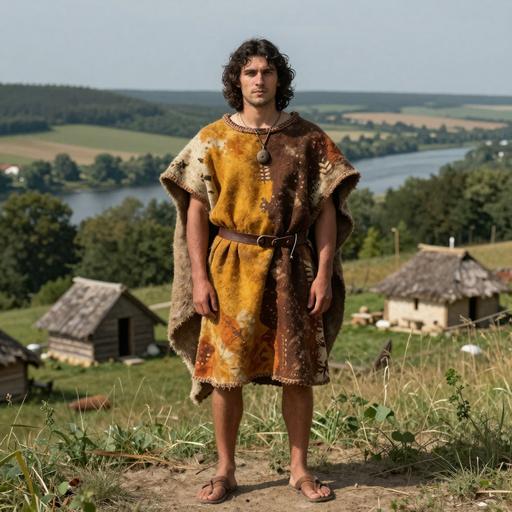
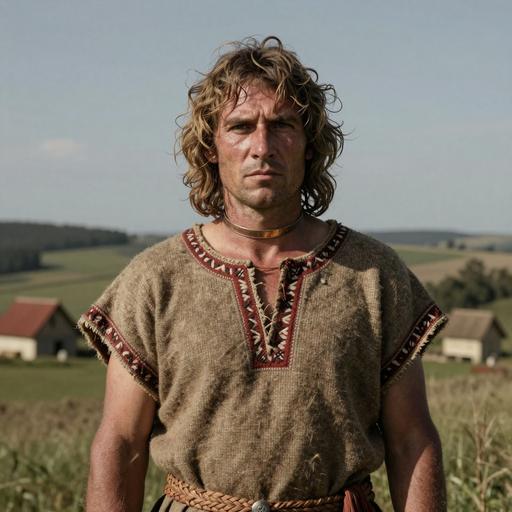
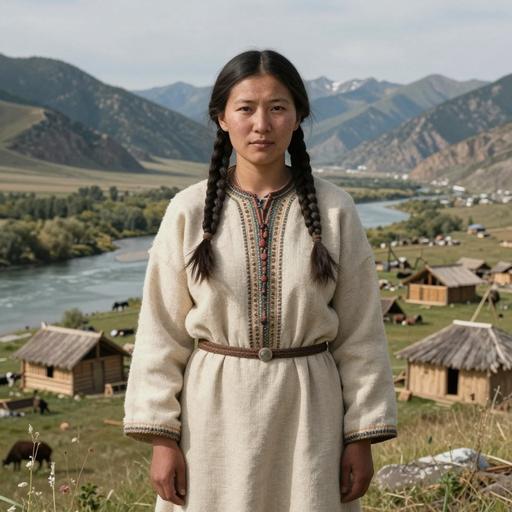
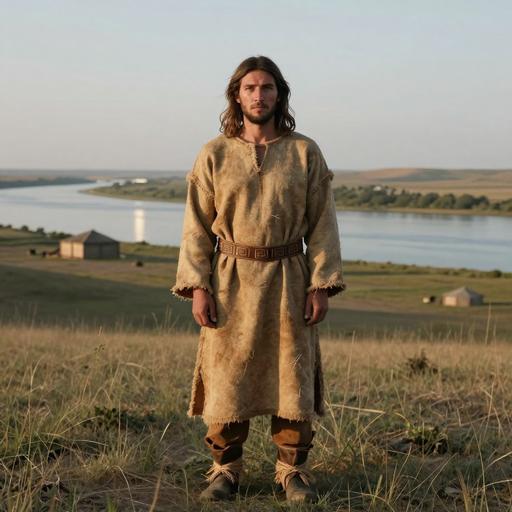
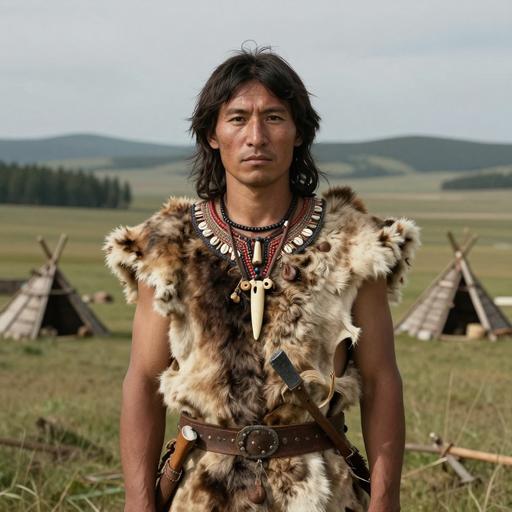
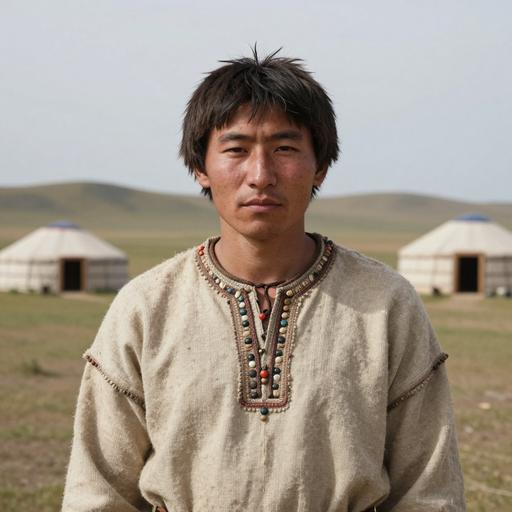
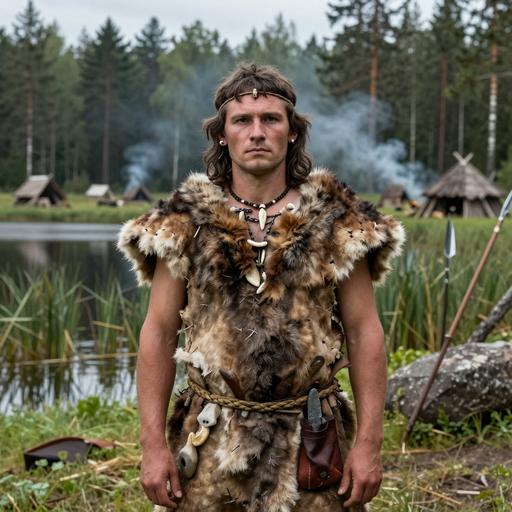
Portraits are AI-generated illustrations. Sample labels and accession IDs identify the reference records.

Portrait Sample Country Era Date Culture mtDNA Match
AI-generated illustrative portrait of Dnieperpetrovsk N individual, Vovnigi, Ukraine (5,372-5,134 BCE)
Sample ID: I1732
Ukraine Ukraine N 5372-5134 calBCE (6300±40 BP, Poz-81130) Ukrainian Neolithic U4 Direct
AI-generated illustrative portrait of EIA Sagly-4 individual, Uvs aimag. Ulaangom sum. Chandman Uul. Ulaangom cemetery Grave #48. Burial 6, Mongolia (387-208 BCE)
Sample ID: I6232
Mongolia Mongolia EIA Sagly 4 387-208 calBCE (2245±20 BP, PSUAMS-7271) Sagly Culture U4b1a1a1 Subclade
AI-generated illustrative portrait of Viking individual, Eksta Kvie (Gotlands län, Gotland), Sweden (800-1,050 CE)
Sample ID: kvi001
Sweden Viking Age Gotlanders 800-1050 CE Viking Gotland U4a1a1:U4a1 Subclade
AI-generated illustrative portrait of Norse individual, Fremri-Svartardalur, Iceland (870-1,000 CE)
Sample ID: FSS-A1
Iceland Iceland PreChristian 870 CE - 1000 CE Norse Pagan U4a Subclade
AI-generated illustrative portrait of Nordic Ma individual, Fremri-Svartardalur, Iceland (870-1,000 CE)
Sample ID: FSS-A1
Iceland Medieval Nordic Region 870 CE - 1000 CE 1984 U4a* Subclade
AI-generated illustrative portrait of Norse individual, Straumur, Iceland (900-1,000 CE)
Sample ID: STT-A2
Iceland Iceland PreChristian 900 CE - 1000 CE Norse Pagan U4b1b1b1a Subclade
AI-generated illustrative portrait of Norse individual, Langeland. Bogevej, Denmark (900-1,000 CE)
Sample ID: VK363
Denmark Denmark Viking 900 CE - 1000 CE Viking Denmark U4b1a1a1 Subclade
AI-generated illustrative portrait of Nordic Ma individual, Straumur, Iceland (900-1,000 CE)
Sample ID: STT-A2
Iceland Medieval Nordic Region 900 CE - 1000 CE 1984 U4b1b1b1a* Subclade
AI-generated illustrative portrait of Viking individual, Langeland. Bogevej, Denmark (900-1,000 CE)
Sample ID: VK363
Denmark The Viking Age 900 CE - 1000 CE U4b1a1a1* Subclade
AI-generated illustrative portrait of IA individual, Zielonka (Greater Poland Province, Poznań, Murowana Goślina), Poland (948-1,027 CE)
Sample ID: PCA0572
Poland Iron Age Zielonka Culture 948-1027 calCE Zielonka Culture U4'9 Subclade
MATERNAL LINEAGE · ANCIENT DNA

Ancient lineage evidence map

Follow parent clades toward this branch and explore where ancient carriers were found.

Loading ancient observations…

Markers are archaeological find locations. A dashed connector is an uncertain, proposed geographic transition between consecutive branches supported by multiple dated observations; it is not an exact travel route, birthplace or proof of direct descent. Parent-clade samples may belong to other descendant branches. Gaps remain where evidence is insufficient. Sample dates differ from haplogroup formation dates.

Reference profile

Carrier Distribution Map

Geographic distribution of 31 ancient DNA samples (direct and subclade carriers of U4)

Direct carrier Subclade carrier
Time Period Filter
All Time Periods
Showing all samples
Reference profile

Temporal Distribution

Distribution of carriers across archaeological periods

Reference profile

Geographic Distribution

Counts by recorded sample country. These reflect the available reference selection, not population frequencies.

Reference profile

Country × Era Distribution

Compare recorded sample counts across countries and archaeological periods. Select a populated cell to inspect a sample.

Data

Data & Provenance

Source information and data quality

Last Updated 2026-06-14

Data Source

Classification, estimated dates and geographic context reflect the recorded reference data and may change as evidence is revised. Sample coverage is uneven; recorded locations and archaeological associations do not establish personal origin or cultural identity.

A haplogroup follows one maternal or paternal line. The branch prediction depends on which markers the DNA file contains. How our analysis works