Menu
Y-DNA Haplogroup • Paternal Lineage

A1

Y-DNA Haplogroup A1

~260,000 years ago
Africa
1 subclades
Scroll to explore
Chapter I

The Story

The journey of Y-DNA haplogroup A1

Origins and Evolution

Haplogroup A1 is one of the earliest branches of the human Y-chromosome phylogeny, arising shortly after the root of haplogroup A. As a deep Pleistocene lineage, A1 reflects an early diversification of paternal ancestry within Africa. Estimates for the split of A1 from other A-lineages place its origin in the later portion of the Middle Pleistocene (hundreds of thousands of years ago), consistent with a very deep time depth for basal African Y-chromosome diversity. Nomenclature for early A-lineages has varied across studies (older labels such as A1, A1b, A2, etc., have been revised), so older literature may use different labels for clades that correspond to modern A1 branches.

Subclades (if applicable)

A1 comprises several internal branches that are geographically and ethnically structured within Africa. These subclades are usually rare and tend to be concentrated in populations with deep local continuity (for example, southern African Khoisan groups, some East African Nilotic and Cushitic-speaking populations, and certain central African hunter–gatherer groups). Because A1 and its sublineages are very old and have low overall frequency relative to later-expanding haplogroups, many subclades are represented by small sample sizes and continue to be refined as more high-coverage sequencing data become available.

Geographical Distribution

A1 is primarily African in distribution. Modern observations show the lineage most often in southern Africa (including some Khoisan and Khoe-speaking communities), parts of eastern Africa (Nilotic and some Ethiopian populations), and pockets of central and western Africa. Outside Africa, A1 appears at low frequencies in populations with recent African ancestry (for example, some African-descended populations in the Americas). The lineage is rare in ancient DNA datasets but has been identified in at least one archaeological sample in public databases, indicating an ancient presence in the archaeological record.

Historical and Cultural Significance

Because A1 predates the Neolithic and later continent-wide migrations, its primary significance is as a marker of deep African population structure rather than association with specific post-glacial or agricultural expansions. Where A1 persists today it is often associated with groups that have maintained substantial continuity with pre-farming local populations (hunter-gatherers and early pastoralists). In regions where pastoralism or later migrations (e.g., Bantu expansions) were limited or delayed, A1 lineages have greater likelihood of persistence. Thus A1 contributes to reconstructions of early African demographic history and to understanding regional continuity versus replacement.

Conclusion

Haplogroup A1 represents one of the most basal surviving paternal lineages, valuable for reconstructing Africa's deep population history. Though typically low-frequency and regionally patchy today, A1 preserves signals of very early divergences within Homo sapiens in Africa. Ongoing high-quality Y-chromosome sequencing and expanded sampling of understudied African populations will continue to refine its substructure, geographic localization, and temporal dynamics.

Key Points

  • Origins and Evolution
  • Subclades (if applicable)
  • Geographical Distribution
  • Historical and Cultural Significance
  • Conclusion
Chapter II

Tree & Relationships

Phylogenetic context and subclades

Evolution Path

This haplogroup's evolutionary journey from its earliest ancestor to the present.

Steps Haplogroup Age Estimate Archaeology Era Time Passed Immediate Descendants Tested Modern Descendants Ancient Connections
1 A1 Current ~260,000 years ago 🦴 Paleolithic 260,000 years 1 54 0
2 A ~270,000 years ago 🦴 Paleolithic 270,000 years 3 288 8

Siblings (2)

Other branches from the same parent haplogroup

Chapter III

Where in the World

Geographic distribution and modern presence

Place of Origin

Africa

Modern Distribution

The populations where Y-DNA haplogroup A1 is found include:

  1. Khoisan peoples
  2. Nilotic peoples
  3. Some Ethiopian populations
  4. Some Sudanese populations
  5. Some populations in Southern Africa
  6. Some populations in Western Africa
  7. Certain groups in Central Africa
  8. African Americans (in lower frequencies, due to African ancestry)

Regional Presence

Southern Africa High
Eastern Africa Moderate
Central Africa Low
Western Africa Low
North America (African diaspora) Low
CHAPTER IV

When in Time

Your haplogroup in the context of human history

~300k years ago

Y-Chromosomal Adam

Most recent common ancestor of all Y-DNA lineages

~260k years ago

Haplogroup A1

Your Y-DNA haplogroup emerged in Africa

Africa
~200k years ago

mtDNA Eve

Most recent common ancestor of all mtDNA lineages

~70k years ago

Out of Africa

Major migration of modern humans out of Africa

~50k years ago

Upper Paleolithic

Advanced tool-making, art, and cultural explosion

~20k years ago

Last Glacial Maximum

Peak of the last ice age, populations isolated

~10k years ago

Neolithic Revolution

Agriculture begins, settled communities form

~5k years ago

Bronze Age

Metalworking, writing, and early civilizations

~3k years ago

Iron Age

Iron tools, expanded trade networks

~2k years ago

Classical Antiquity

Greek and Roman civilizations flourish

Present

Present Day

Modern era

Your Haplogroup
Historical Era
Chapter IV-B

Linked Cultures

Ancient cultures associated with Y-DNA haplogroup A1

Cultural Heritage

These ancient cultures have been linked to haplogroup A1 based on matching ancient DNA samples from archaeological excavations. The presence of this haplogroup in these cultures provides insights into the migrations and population movements of populations carrying this haplogroup.

Avar Danish Early Neolithic Early Avar Early Iron Age Gumelnița Middle Iron Age Pastoral Neolithic Terminal Stone Age
Culture assignments are based on archaeological context of ancient DNA samples and may represent regional associations during specific time periods.
Chapter V

Sample Catalog

1 direct carrier and 4 subclade carriers of haplogroup A1

5 / 5 samples
Portrait Sample Country Era Date Culture Y-DNA Match
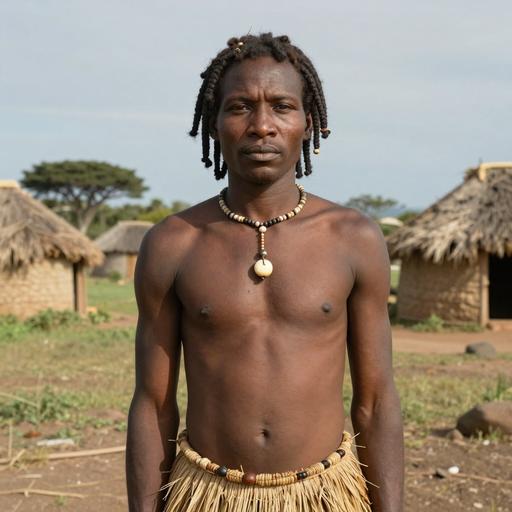
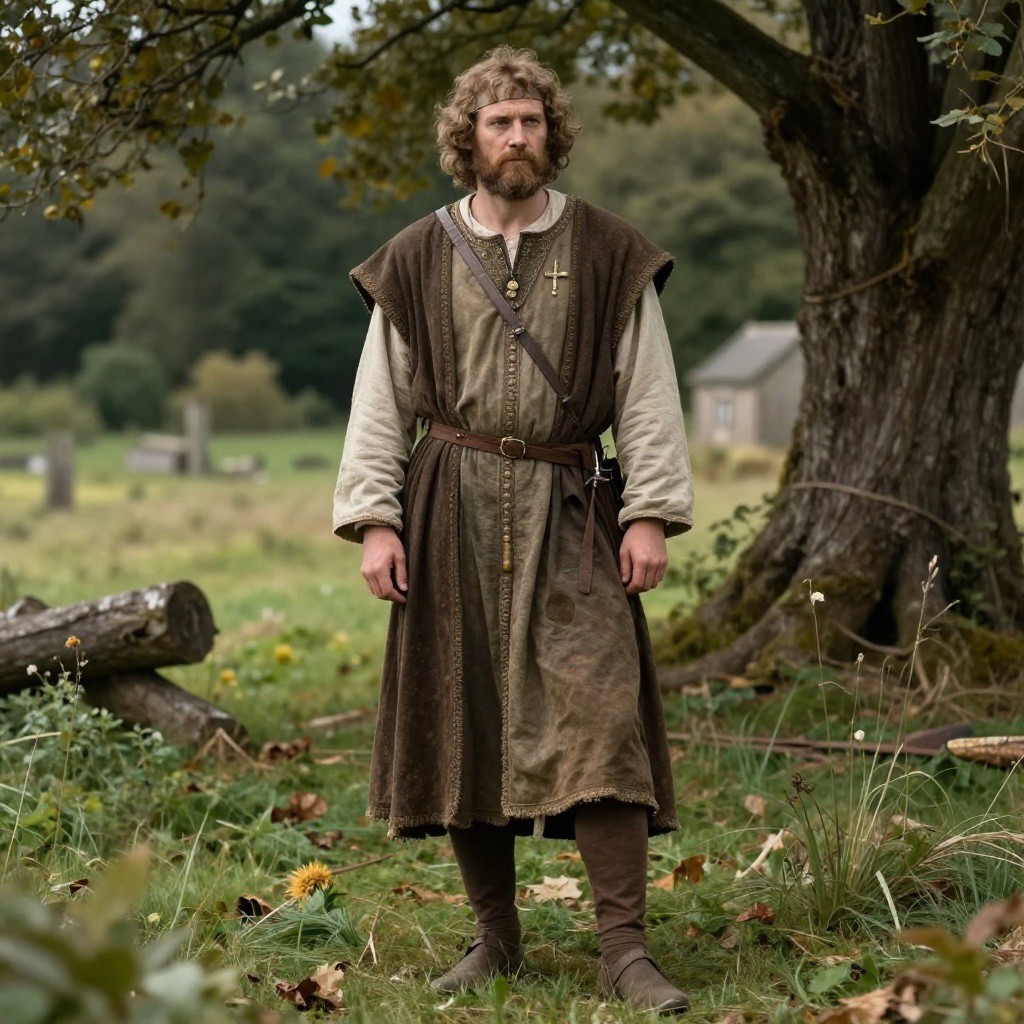
Portrait of ancient individual NEO41 from Denmark, dated 3699 BCE - 3528 BCE
NEO41
Denmark Danish Early Neolithic 3699 BCE - 3528 BCE Danish Early Neolithic A1 Direct
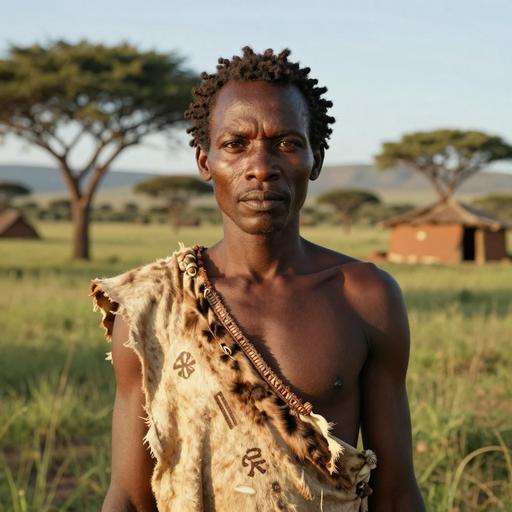
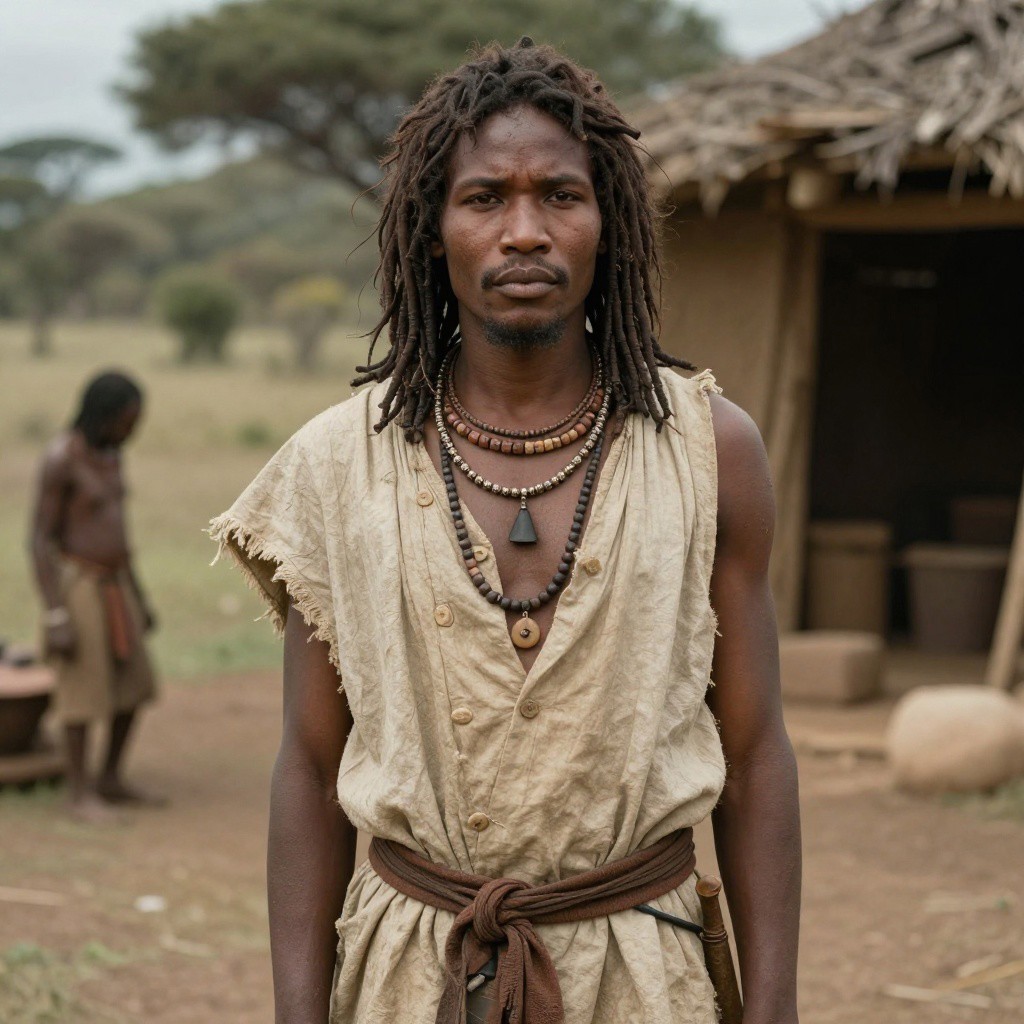
Portrait of ancient individual baa001 from South Africa, dated 38 BCE - 120 BCE
baa001
South Africa South Africa 1900 Years Before Present 38 BCE - 120 BCE Middle Iron Age A1b1b2 Downstream
Portrait of ancient individual bab001 from South Africa, dated 163 BCE - 20 BCE
bab001
South Africa South Africa 2000 Years Before Present 163 BCE - 20 BCE Early Iron Age A1b1b2 Downstream
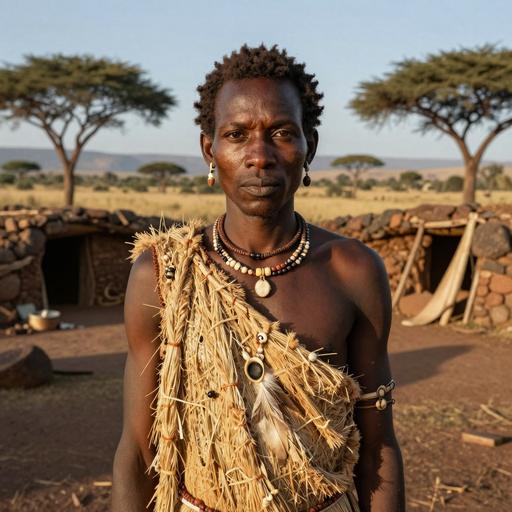
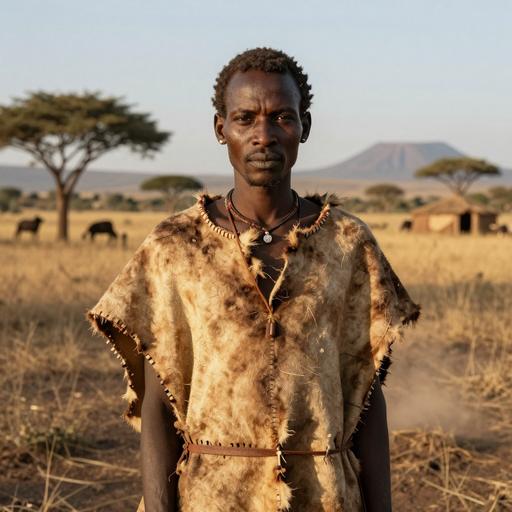
Portrait of ancient individual I8758 from Kenya, dated 756 BCE - 489 BCE
I8758
Kenya Pastoral Neolithic in Kenya 756 BCE - 489 BCE Pastoral Neolithic A1b Downstream
Portrait of ancient individual I8804 from Kenya, dated 757 BCE - 423 BCE
I8804
Kenya Pastoral Neolithic in Kenya 757 BCE - 423 BCE Pastoral Neolithic A1b1b2 Downstream
Chapter VI

Carrier Distribution Map

Geographic distribution of 5 ancient DNA samples (direct and subclade carriers of A1)

Direct carrier Subclade carrier
Time Period Filter
All Time Periods
Showing all samples
Chapter VII

Temporal Distribution

Distribution of carriers across archaeological periods

Chapter VIII

Geographic Distribution

Distribution by country of origin (direct and subclade carriers shown by default)

Chapter IX

Country × Era Distribution

Cross-tabulation of carrier countries and archaeological periods (direct and subclade carriers shown by default)

Data

Data & Provenance

Source information and data quality

Last Updated 2026-02-16
Confidence Score 50/100
Coverage Low
Data Source

We use the latest phylotree for YDNA haplogroup classification and data.