Menu
Y-DNA Haplogroup • Paternal Lineage

B

Y-DNA Haplogroup B

~100,000 years ago
Africa
2 subclades
1 ancient samples
Scroll to explore
Chapter I

The Story

The journey of Y-DNA haplogroup B

Y-DNA haplogroup B is one of the most ancient and foundational paternal lineages on the Y-chromosome tree, closely related to haplogroup A, which is the oldest known Y-DNA haplogroup. Haplogroup B is primarily found in Africa and is significant in tracing the deep ancestry of early human populations. It represents an early branch of human male lineages, which diverged soon after the origin of anatomically modern humans in Africa, before the major migrations out of the continent.

Origins and Evolution

Haplogroup B is estimated to have originated in Africa approximately 50,000 to 80,000 years ago, making it one of the oldest surviving Y-DNA lineages. It is believed to have emerged shortly after the appearance of haplogroup A, which dates back to around 200,000 years ago. Both A and B are considered basal haplogroups, meaning they form the deepest roots of the Y-DNA phylogenetic tree.

The earliest populations carrying haplogroup B are thought to have lived in sub-Saharan Africa, and their descendants spread across the continent. These populations likely existed as small, nomadic groups of hunter-gatherers, living in a variety of environments and maintaining relatively low population densities. This lineage has remained predominantly within Africa, with only minimal dispersal beyond the continent.

Subclades of Haplogroup B

Haplogroup B is divided into several subclades that have been identified in various regions of Africa. These subclades reflect the genetic diversity of early human populations within the continent, and their distribution gives insight into the movement and isolation of different African groups over tens of thousands of years. The most significant branches of haplogroup B are B-M60, B-M181, and B2, with each subclade representing different ancient lineages.

  • B-M60 (B1): This is one of the oldest branches of haplogroup B and is most commonly found among isolated populations in Central and Southern Africa. It is especially common among groups of hunter-gatherers, such as the Hadza people of Tanzania and the Khoisan-speaking populations of Southern Africa. These populations are considered some of the oldest continuous human cultures, and their genetic diversity reflects long periods of relative isolation from other African populations.

  • B2 (B-M182): This subclade is more widespread and is found in Central, Eastern, and Southern Africa. B2 is particularly common among Bantu-speaking populations, who expanded across sub-Saharan Africa during the Bantu migration, which began approximately 3,000 years ago. While haplogroup B2 is less common in these populations than haplogroup E, it still provides important insights into the deep ancestry of African populations prior to the Bantu expansion.

    • B2a1a (B-M150): This subclade is often found in Central Africa, especially among Pygmy hunter-gatherer groups such as the Aka and Mbuti. These groups are among the most ancient inhabitants of the African rainforest, and their genetic diversity reflects long periods of genetic isolation from other populations.

    • B2b (B-M112): This branch of haplogroup B is also found in Central and Eastern Africa, though at lower frequencies compared to other subclades. It has been identified among various groups in Central Africa and provides evidence of the ancient population structure within the region.

Geographical Distribution

Haplogroup B is found almost exclusively in Africa, with very limited presence outside the continent. Its distribution primarily reflects ancient population structures within Africa, with most occurrences of haplogroup B observed among indigenous and traditionally isolated groups.

  • Central Africa: Haplogroup B is most commonly found in Central Africa, particularly among the Pygmy hunter-gatherer populations who live in the tropical rainforests of the Congo Basin. Groups such as the Mbuti and Aka exhibit relatively high frequencies of haplogroup B, reflecting their deep ancestry and long-standing genetic isolation. These populations represent some of the most ancient lineages in Africa.

  • Southern Africa: In Southern Africa, haplogroup B is present among Khoisan-speaking populations, including the San people. The Khoisan are considered to be among the oldest continuous human populations on Earth, and haplogroup B, along with haplogroup A, is found at moderate frequencies in these groups. The presence of haplogroup B in these populations highlights their ancient roots in Southern Africa and their long history as hunter-gatherers.

  • Eastern Africa: Haplogroup B is found in lower frequencies among populations in East Africa, particularly among groups with strong connections to ancient hunter-gatherer cultures. The Hadza people of Tanzania, who are one of the last remaining hunter-gatherer groups in East Africa, have relatively high frequencies of haplogroup B-M60. The Hadza are considered to represent an ancient lineage with minimal admixture from later populations, making them a key group for studying early human history.

  • Western Africa: Haplogroup B is less common in West Africa, where haplogroups such as E are more dominant. However, some isolated occurrences of haplogroup B have been identified in certain populations, particularly in regions that experienced less genetic exchange during the Bantu migration.

Historical and Cultural Significance

Haplogroup B represents some of the oldest known Y-DNA lineages, providing direct genetic evidence of the deep history of human populations in Africa. Its presence in groups such as the Pygmies, Khoisan, and Hadza offers valuable insights into the early demographic history of the continent, before the widespread migrations and population expansions that shaped the genetic landscape of modern Africa.

  • Ancient African Hunter-Gatherers: The distribution of haplogroup B is closely associated with populations that have retained traditional hunter-gatherer lifestyles, such as the Pygmy and Khoisan groups. These populations have lived in Africa for tens of thousands of years, maintaining ancient cultures and ways of life that have persisted despite the rise of agriculture and pastoralism in other parts of the continent.

  • Pre-Bantu Expansion Populations: Before the Bantu expansion, much of sub-Saharan Africa was inhabited by populations that carried haplogroup B, particularly in Central and Southern Africa. The Bantu migration, which began around 3,000 years ago, brought significant genetic, linguistic, and cultural changes to the continent, but pockets of haplogroup B remained among populations that were geographically or socially isolated from the expanding Bantu-speaking groups.

  • Genetic Continuity and Isolation: The populations that carry haplogroup B, particularly the Pygmies and Khoisan, are of immense importance to geneticists studying human evolution because they have retained many genetic markers of ancient African populations. These groups represent some of the most genetically diverse and ancient human populations, providing a living record of early human migration patterns, isolation events, and adaptation to diverse environments.

Genetic Studies and Haplogroup B

Genetic research on haplogroup B has provided valuable insights into the structure of ancient human populations in Africa. These studies have highlighted the genetic diversity and complexity of early African groups, showing that the continent's population history is far more intricate than previously understood.

  • Pygmy and Khoisan Populations: Studies on the genetics of African Pygmy and Khoisan populations have revealed that these groups possess some of the oldest and most diverse lineages in the human gene pool. Haplogroup B, along with haplogroup A, is a key marker of this ancient diversity. Research on these populations has shown that they diverged from other African populations tens of thousands of years ago, making them invaluable for understanding the early history of Homo sapiens.

  • Impact of the Bantu Expansion: The Bantu migration dramatically reshaped the genetic landscape of Africa, bringing new Y-DNA lineages, particularly haplogroup E, to regions that were previously dominated by haplogroups A and B. However, genetic studies have shown that pockets of populations carrying haplogroup B persisted in isolated areas, particularly in Central Africa, where they survived as hunter-gatherers. This genetic continuity provides important evidence of the diversity of African populations before the advent of agriculture and the large-scale migrations of the Bantu-speaking peoples.

  • Genetic Isolation and Adaptation: Populations carrying haplogroup B, particularly the Pygmies and Hadza, have adapted to their specific environments in ways that reflect their long-term genetic isolation. For example, Pygmy groups have genetic adaptations that help them survive in the dense rainforests of Central Africa, while the Hadza have developed genetic traits suited to their arid, savannah environment. Studying these populations provides insights into how ancient human groups adapted to diverse environments across Africa.

Conclusion

Y-DNA haplogroup B is one of the most ancient and significant paternal lineages in the human Y-chromosome tree, tracing back to some of the earliest populations of anatomically modern humans in Africa. Its deep roots and presence among indigenous hunter-gatherer populations, such as the Pygmies, Khoisan, and Hadza, provide crucial insights into the early history of human populations in Africa before the large-scale migrations and cultural changes that shaped the continent. As one of the foundational haplogroups of the human Y-chromosome, haplogroup B continues to be of immense importance for understanding the origins and diversity of Homo sapiens.

Key Points

  • Origins and Evolution
  • Subclades of Haplogroup B
  • Geographical Distribution
  • Historical and Cultural Significance
  • Genetic Studies and Haplogroup B
Chapter II

Tree & Relationships

Phylogenetic context and subclades

Evolution Path

This haplogroup's evolutionary journey from its earliest ancestor to the present.

Steps Haplogroup Age Estimate Archaeology Era Time Passed Immediate Descendants Tested Modern Descendants Ancient Connections
1 B Current ~100,000 years ago 🦴 Paleolithic 100,000 years 2 223 1
2 A ~270,000 years ago 🦴 Paleolithic 270,000 years 3 288 8

Siblings (2)

Other branches from the same parent haplogroup

Chapter III

Where in the World

Geographic distribution and modern presence

Place of Origin

Africa

Modern Distribution

The populations where Y-DNA haplogroup B is found include:

  1. Pygmy peoples of Central Africa
  2. Khoisan peoples of Southern Africa
  3. Some populations in Eastern Africa (e.g., in Ethiopia and Somalia)
  4. Some populations in Western Africa (in lower frequencies)
  5. African Americans (in lower frequencies, due to African ancestry)
CHAPTER IV

When in Time

Your haplogroup in the context of human history

~100k years ago

Haplogroup B

Your Y-DNA haplogroup emerged in Africa

Africa
~70k years ago

Out of Africa

Major migration of modern humans out of Africa

~50k years ago

Upper Paleolithic

Advanced tool-making, art, and cultural explosion

~20k years ago

Last Glacial Maximum

Peak of the last ice age, populations isolated

~10k years ago

Neolithic Revolution

Agriculture begins, settled communities form

~5k years ago

Bronze Age

Metalworking, writing, and early civilizations

~3k years ago

Iron Age

Iron tools, expanded trade networks

~2k years ago

Classical Antiquity

Greek and Roman civilizations flourish

Present

Present Day

Modern era

Your Haplogroup
Historical Era
Chapter IV-B

Linked Cultures

Ancient cultures associated with Y-DNA haplogroup B

Cultural Heritage

These ancient cultures have been linked to haplogroup B based on matching ancient DNA samples from archaeological excavations. The presence of this haplogroup in these cultures provides insights into the migrations and population movements of populations carrying this haplogroup.

Angara Culture Cameroon Stone Mounds French Neolithic Hora Culture Lena River Culture Linear Pottery Culture Malawian LSA Pavlovian Culture
Culture assignments are based on archaeological context of ancient DNA samples and may represent regional associations during specific time periods.
Chapter V

Sample Catalog

1 direct carrier of haplogroup B

1 / 1 samples
Portrait Sample Country Era Date Culture Y-DNA Match
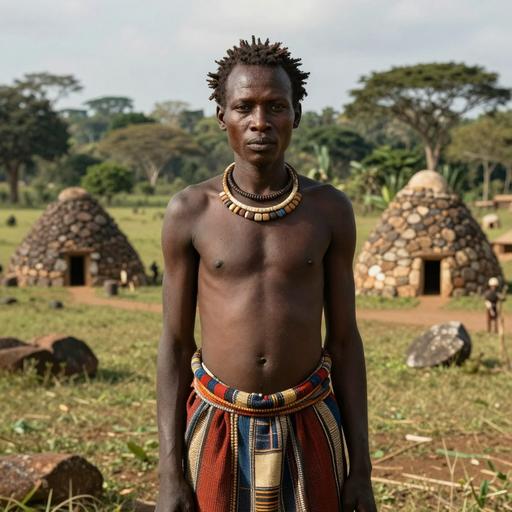
Portrait of ancient individual I10872 from Cameroon, dated 5980 BCE - 5771 BCE
I10872
Cameroon Stone Mound Architecture in Cameroon 5980 BCE - 5771 BCE Cameroon Stone Mounds B Direct
Chapter VI

Carrier Distribution Map

Geographic distribution of 1 ancient DNA sample (direct and subclade carriers of B)

Direct carrier
Time Period Filter
All Time Periods
Showing all samples
Chapter VII

Temporal Distribution

Distribution of carriers across archaeological periods

Chapter VIII

Geographic Distribution

Distribution by country of origin (direct and subclade carriers shown by default)

Chapter IX

Country × Era Distribution

Cross-tabulation of carrier countries and archaeological periods (direct and subclade carriers shown by default)

Data

Data & Provenance

Source information and data quality

Last Updated 2026-01-15
Data Source

We use the latest phylotree for YDNA haplogroup classification and data.