Menu
Y-DNA Haplogroup • Paternal Lineage

C2B1

Y-DNA Haplogroup C2B1

~6,000 years ago
Northeast Asia / Siberia
2 subclades
Scroll to explore
Chapter I

The Story

The journey of Y-DNA haplogroup C2B1

Origins and Evolution

Y-DNA haplogroup C2B1 is a downstream branch of C2B (M217) within the broader C2 clade. Based on its phylogenetic position beneath C2B and the geographic pattern of related lineages, C2B1 most likely diversified in Northeast Asia / southern Siberia during the mid-Holocene (~6 kya). Its emergence fits a pattern of post-glacial population structure in northern Eurasia followed by later regional expansions tied to foraging, early pastoralism and steppe-related movements.

Ancient DNA surveys have recovered this clade in a small number of archaeological individuals (six samples in the referenced database), indicating it was present in multiple temporal layers of northern Eurasian prehistory and historic eras. That limited ancient presence, combined with modern distributions concentrated among Mongolic, Tungusic and Yakut groups, supports a history of regional continuity with episodes of demographic amplification in the Bronze–Iron Age and historic periods.

Subclades

As with many C2 sublineages, C2B1 contains further downstream branches that can be geographically localized (for example local lineages in Mongolian and Siberian populations). Subclade discovery and naming are ongoing; high-resolution SNP testing and deep sequencing have progressively resolved regional subbranches within C2B1 that correlate with Mongolic and Tungusic-speaking groups and with some Yakut lineages. Where available, Y-STR diversity within C2B1 also suggests relatively recent expansions for particular subbranches in the last few thousand years.

Geographical Distribution

C2B1 shows its highest frequencies in northeastern Eurasia. Modern carriers are concentrated among:

  • Mongolic-speaking groups (Mongols, Buryats)
  • Tungusic-speaking populations (Evenks, Evens, Manchu-related groups)
  • Yakut (Sakha) and other peoples of northeastern Siberia
  • Indigenous Siberian hunter-gatherer communities at variable frequencies
  • Scattered low-frequency occurrences in Central Asian populations (likely from historical gene flow)

The clade is rare or absent in most of Western Europe and the Near East, and it does not form a major component of Native American paternal lineages. Its geographic pattern mirrors other Northeast Asian paternal lineages, reflecting both long-term regional continuity and episodes of mobility associated with pastoralism and historic steppe polities.

Historical and Cultural Significance

C2B1 and closely related C2 lineages have been linked to populations that played major roles in northern Eurasian history: local hunter-gatherer and early pastoralist groups in Siberia, and later nomadic polities across the steppe and forest-steppe. In historic periods, lineages within the M217 group (and some C2B-derived branches) are overrepresented in descendant populations of steppe nomads, including groups associated with the Xiongnu-age and later medieval Mongolic expansions. The Yakut (Sakha) population, which expanded into northeastern Siberia within the last 1,000–600 years, carries notable C2-derived lineages indicating a complex admixture of Tungusic, Mongolic and local Siberian ancestries.

Caution is required when tying specific high-profile historic figures to C2 subclades; while some lineages of C2 have been associated with medieval steppe dynasties in the literature, assigning individual historical identities requires pedigree and archaeological confirmation beyond haplogroup-level matches.

Conclusion

C2B1 represents a geographically focused branch of the broader C2 (M217) story in northern Eurasia: a mid-Holocene origin in Northeast Asia/Siberia followed by localized differentiation and episodes of demographic growth that left measurable signals in modern Mongolic, Tungusic and Yakutian populations. Continued ancient DNA sampling and deeper SNP-resolved genotyping will refine the timing, internal branching and migratory episodes associated with this subclade.

Key Points

  • Origins and Evolution
  • Subclades
  • Geographical Distribution
  • Historical and Cultural Significance
  • Conclusion
Chapter II

Tree & Relationships

Phylogenetic context and subclades

Evolution Path

This haplogroup's evolutionary journey from its earliest ancestor to the present.

Steps Haplogroup Age Estimate Archaeology Era Time Passed Immediate Descendants Tested Modern Descendants Ancient Connections
1 C2B1 Current ~6,000 years ago 🪨 Chalcolithic 6,000 years 2 4 0
2 C2B ~12,000 years ago 🌾 Neolithic 12,000 years 1 8 5
3 C2 ~30,000 years ago 🦴 Paleolithic 30,000 years 3 73 24
4 C ~53,000 years ago 🦴 Paleolithic 53,000 years 3 303 35
Chapter III

Where in the World

Geographic distribution and modern presence

Place of Origin

Northeast Asia / Siberia

Modern Distribution

The populations where Y-DNA haplogroup C2B1 is found include:

  1. Mongolic-speaking populations (e.g., Mongols, Buryats)
  2. Tungusic-speaking groups (e.g., Evenks, Evens)
  3. Yakut (Sakha) and other Yakutian-associated groups in northeastern Siberia
  4. Indigenous Siberian hunter-gatherer communities
  5. Scattered individuals in Central Asian populations (low frequency)

Regional Presence

Northeast Asia High
Siberia High
Central Asia Low
CHAPTER IV

When in Time

Your haplogroup in the context of human history

~10k years ago

Neolithic Revolution

Agriculture begins, settled communities form

~6k years ago

Haplogroup C2B1

Your Y-DNA haplogroup emerged in Northeast Asia / Siberia

Northeast Asia / Siberia
~5k years ago

Bronze Age

Metalworking, writing, and early civilizations

~3k years ago

Iron Age

Iron tools, expanded trade networks

~2k years ago

Classical Antiquity

Greek and Roman civilizations flourish

Present

Present Day

Modern era

Your Haplogroup
Historical Era
Chapter IV-B

Linked Cultures

Ancient cultures associated with Y-DNA haplogroup C2B1

Cultural Heritage

These ancient cultures have been linked to haplogroup C2B1 based on matching ancient DNA samples from archaeological excavations. The presence of this haplogroup in these cultures provides insights into the migrations and population movements of populations carrying this haplogroup.

Afanasievo Culture Buran-Kaya Chinese Paleolithic Irkutsk Culture Kostenki Culture Lena River Culture Ming Dynasty Shigou Culture Siberian Paleolithic Sila Culture Sunghir Culture
Culture assignments are based on archaeological context of ancient DNA samples and may represent regional associations during specific time periods.
Chapter V

Sample Catalog

4 direct carriers and 10 subclade carriers of haplogroup C2B1

14 / 14 samples
Portrait Sample Country Era Date Culture Y-DNA Match
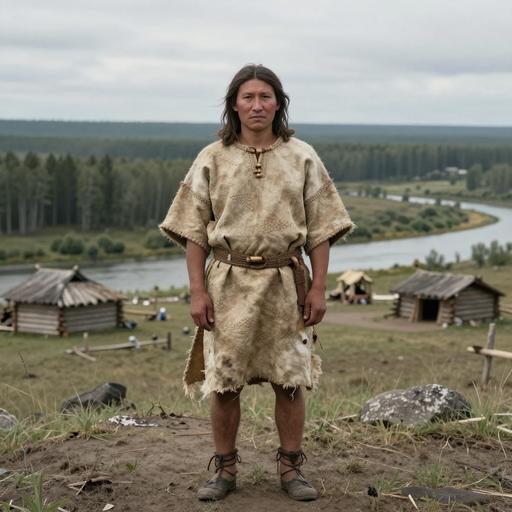
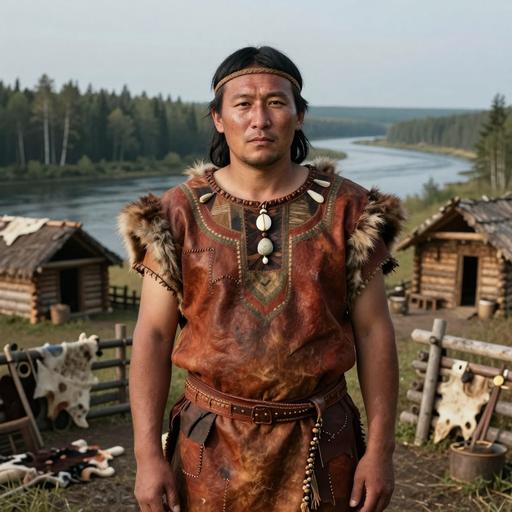
Portrait of ancient individual GLZ002 from Russia, dated 2568 BCE - 2350 BCE
GLZ002
Russia Early Bronze Age Irkutsk, Siberia, Russia 2568 BCE - 2350 BCE Irkutsk Culture C2b1 Direct
Portrait of ancient individual GLZ001 from Russia, dated 2838 BCE - 2495 BCE
GLZ001
Russia Early Bronze Age Irkutsk, Siberia, Russia 2838 BCE - 2495 BCE Irkutsk Culture C2b1 Direct
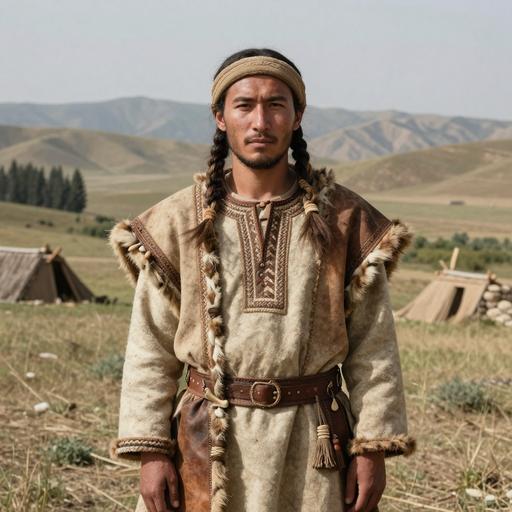
Portrait of ancient individual C3343 from China, dated 3093 BCE - 2911 BCE
C3343
China Bronze Age Afanasievo Culture Songshugou, Xinjiang, China 3093 BCE - 2911 BCE Afanasievo Culture C2b1 Direct
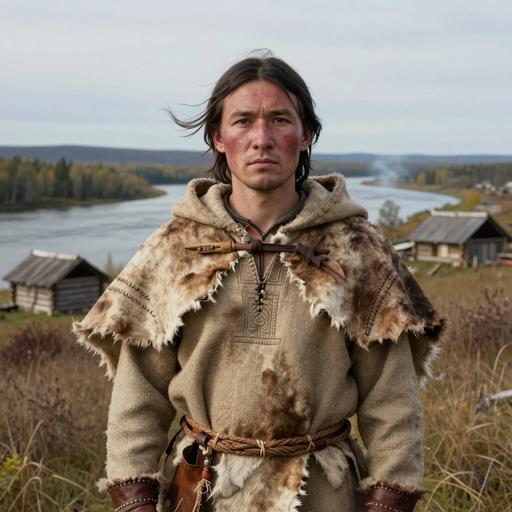
Portrait of ancient individual IUO001 from Russia, dated 5021 BCE - 4849 BCE
IUO001
Russia Early Neolithic Lena River, Siberia, Russia 5021 BCE - 4849 BCE Lena River Culture C2b1 Direct
Portrait of ancient individual MGS-M7R from China, dated 50 CE - 250 CE
MGS-M7R
China Iron Age Xianbei Culture, Amur River Region, China 50 CE - 250 CE Xianbei Culture C2b1a1b1b Downstream
Portrait of ancient individual MGS-M6 from China, dated 50 CE - 250 CE
MGS-M6
China Iron Age Xianbei Culture, Amur River Region, China 50 CE - 250 CE Xianbei Culture C2b1a1b1 Downstream
Portrait of ancient individual MGS-M7L from China, dated 50 CE - 250 CE
MGS-M7L
China Iron Age Xianbei Culture, Amur River Region, China 50 CE - 250 CE Xianbei Culture C2b1a1b1 Downstream
Portrait of ancient individual ZLNR-1 from China, dated 81 CE - 236 CE
ZLNR-1
China Iron Age China 81 CE - 236 CE Chinese Iron Age C2b1a1b1 Downstream
Portrait of ancient individual C1705 from China, dated 368 BCE - 173 BCE
C1705
China Iron Age Kalatasi, Xinjiang, China 368 BCE - 173 BCE Kalatasi Culture C2b1c Downstream
Portrait of ancient individual C1706 from China, dated 368 BCE - 173 BCE
C1706
China Iron Age Kalatasi, Xinjiang, China 368 BCE - 173 BCE Kalatasi Culture C2b1c Downstream
Chapter VI

Carrier Distribution Map

Geographic distribution of 14 ancient DNA samples (direct and subclade carriers of C2B1)

Direct carrier Subclade carrier
Time Period Filter
All Time Periods
Showing all samples
Chapter VII

Temporal Distribution

Distribution of carriers across archaeological periods

Chapter VIII

Geographic Distribution

Distribution by country of origin (direct and subclade carriers shown by default)

Chapter IX

Country × Era Distribution

Cross-tabulation of carrier countries and archaeological periods (direct and subclade carriers shown by default)

Data

Data & Provenance

Source information and data quality

Last Updated 2026-02-16
Confidence Score 50/100
Coverage Low
Data Source

We use the latest phylotree for YDNA haplogroup classification and data.