The Story
The journey of Y-DNA haplogroup C2B1A
Origins and Evolution
Y‑DNA haplogroup C2B1A is a subclade of C2B1 (itself a descendant of C2/M217), forming during the Holocene in the Central–East Asian / South Siberian corridor. Based on its position in the phylogeny relative to parent clades and the geographic concentrations of related lineages, C2B1A most plausibly arose in the Bronze Age (~4.5 kya), a period of increasing regional population structure and the formation of steppe–forest cultural networks. Its emergence likely reflects local differentiation of male lineages already present in South Siberia and eastern Central Asia after the initial expansion of C2 lineages across northern Eurasia.
Subclades (if applicable)
Downstream diversity within C2B1A is typically characterized by geographically localized branches observed in high-resolution Y‑SNP and STR studies. These subclades often show strong founder effects in specific ethnic groups (for example, particular clans among Mongolic or Tungusic peoples), producing high local frequencies and reduced internal diversity relative to older parent clades. While the deep internal structure continues to be refined as more samples are sequenced, the pattern is one of several recent splits tied to regional demographic events rather than extremely ancient diversification.
Geographical Distribution
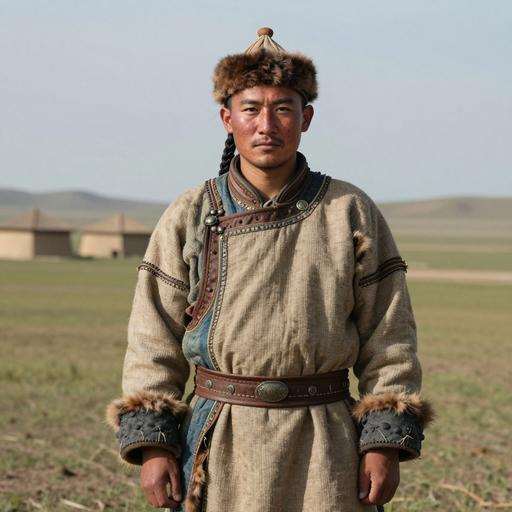
C2B1A is concentrated in South Siberia, Mongolia, and adjacent parts of northeastern China, with notable presence among Mongolic- and Tungusic-speaking peoples. The haplogroup also appears at lower frequencies in neighboring Turkic-speaking populations of the Altai and some Central Asian steppe populations, and sporadically in northeastern Asian populations such as Korea and Japan. Instances found in northern Siberian groups (e.g., Yakut/Sakha) frequently reflect later expansions or strong founder events that increased the haplogroup's local frequency.
Historical and Cultural Significance
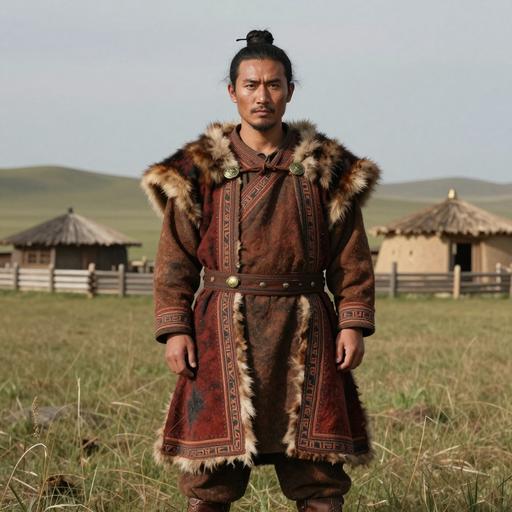
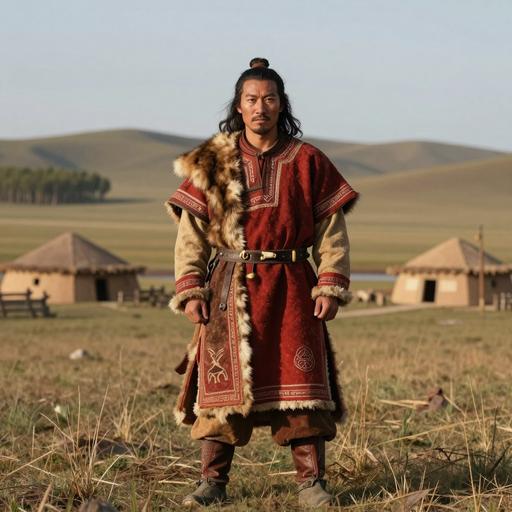
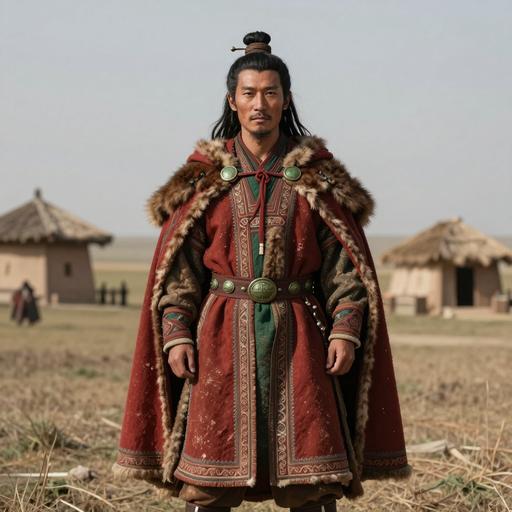
The distribution and age of C2B1A link it to the demographic dynamics of Bronze Age and later Iron Age pastoralist and forest‑steppe societies of southern Siberia and Mongolia. Over subsequent millennia, lineages in this clade were likely carried by groups involved in steppe mobility, local state formation, and historic imperial movements (for example, Iron Age confederations and medieval expansions associated with proto‑Mongolic polities and, later, the Mongol Empire). In many modern populations the haplogroup's current patterns reflect both prehistoric structure and recent founder effects from clan- and lineage-based social organization.
Conclusion
C2B1A represents a Holocene diversification of the broader C2 paternal lineage centered on South Siberia and adjacent Central–East Asian regions. It is a useful marker for tracing genealogical and population‑level connections among Mongolic and Tungusic groups and for identifying localized founder events and historical expansions across the steppe and forest‑steppe environments of northern Eurasia. Continued high‑resolution sequencing and denser sampling across ethnic groups will refine its internal topology and the timing of downstream splits.
Key Points
- Origins and Evolution
- Subclades (if applicable)
- Geographical Distribution
- Historical and Cultural Significance
- Conclusion