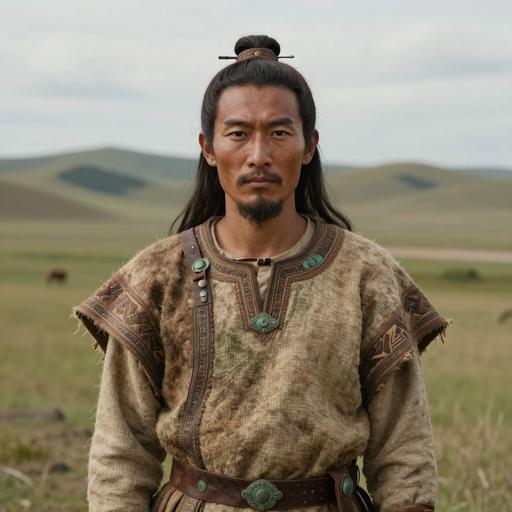
The Story
The journey of Y-DNA haplogroup C2B1A1
Origins and Evolution
Y-DNA haplogroup C2B1A1 derives from the broader C2 (M217) radiation that expanded across northern Eurasia during the mid-to-late Holocene. As a downstream branch of C2B1A, C2B1A1 most likely diversified in the South Siberian / Central–East Asian region during the late Bronze Age to early Iron Age (roughly 3.2 kya, with uncertainty of a few centuries). Its emergence reflects local branching within a lineage that had already been widespread across steppe, forest-steppe, and taiga environments and is consistent with demographic processes tied to pastoralism, mobility, and the formation of regional nomadic polities.
Subclades (if applicable)
C2B1A1 sits downstream of C2B1A and itself may include several regional subbranches that show localized high frequency in particular ethnic groups (for example, sublineages enriched in Mongolic-speaking or Tungusic-speaking communities). High-resolution SNP and STR studies and recent ancient DNA sampling have revealed internal structure within this clade, with some subclades showing very strong founder effects in single clans or populations (e.g., dominant lineages in specific Mongol or Yakut paternal clans). Continued sequencing and targeted sampling are clarifying which subclades correspond to historic expansions versus deep local continuity.
Geographical Distribution
C2B1A1 is most prevalent across southern Siberia, Mongolia, and adjacent regions of northeastern China, with lower-frequency occurrences further into Central Asia and northeast Asia. The haplogroup shows especially high frequencies in some Mongolic- and Tungusic-speaking groups (e.g., Mongols, Buryats, Evenks, Evens) and is common in Yakut (Sakha) and other North Siberian populations where strong founder effects and drift amplified specific sublineages. Scattered occurrences at low frequency appear in neighboring Turkic groups (some Kazakh and Kyrgyz clans) and sporadically in Korea and Japan, usually reflecting historical admixture or later mobility rather than a deep founding presence there.
Historical and Cultural Significance
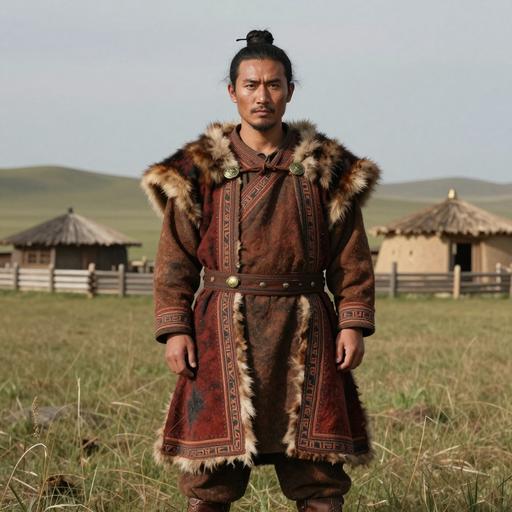
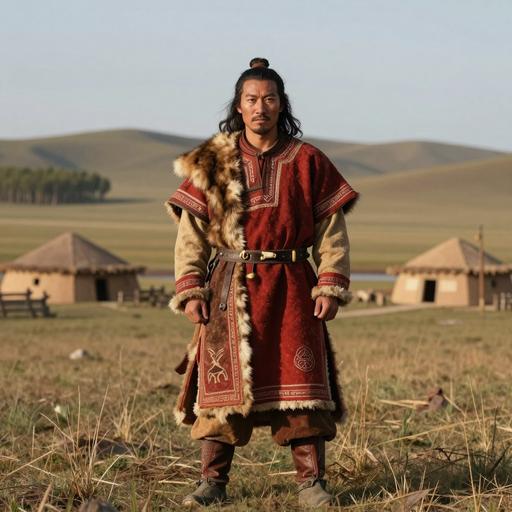
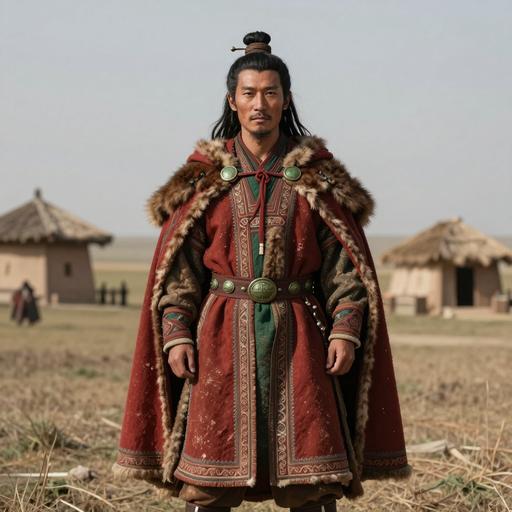
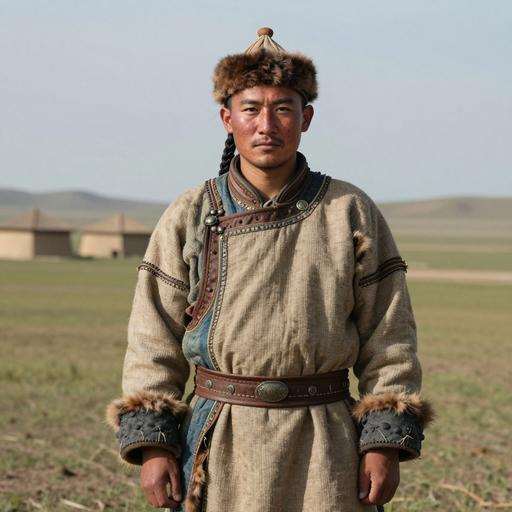
The distribution and diversity of C2B1A1 are consistent with association to mobile pastoralist lifeways and the rise of nomadic polities in the steppe and forest-steppe zones. Archaeologically and historically, the lineage is often associated with Iron Age and later steppe cultures that shaped the genetic landscape of Inner Asia, including populations connected to the Slab Grave cultural horizon, Xianbei-related groups, and the Xiongnu confederation in various locales. In many modern populations, particular C2B1A1 subclades show patterns of clan-level dominance, reflecting founder events during historic times (for example, the male-line amplification seen in some Mongol and Yakut lineages).
Conclusion
C2B1A1 is a regionally important branch of the C2 (M217) family that records the genetic signature of northern Eurasian demographic processes from the late Bronze Age through the Iron Age and into historic times. Its present-day distribution—high in South Siberia, Mongolia, and neighboring areas—along with its internal substructure, make it a useful marker for studying the population history of Mongolic and Tungusic groups, the spread of nomadic pastoralism, and clan-level founder events across northern Eurasia.
Key Points
- Origins and Evolution
- Subclades (if applicable)
- Geographical Distribution
- Historical and Cultural Significance
- Conclusion