The Story
The journey of Y-DNA haplogroup D
Y-DNA haplogroup D is a significant paternal lineage within the human Y-chromosome tree, primarily found in populations of East Asia, Southeast Asia, and parts of the Andaman Islands. It is one of the earliest branches of haplogroup CT, alongside haplogroup C, and is deeply rooted in the prehistory of modern humans. Haplogroup D is especially notable for its presence among populations that have remained relatively isolated for long periods, such as the Tibetan people, the Ainu of Japan, and the Andamanese. Its distribution and history are crucial for understanding early human migrations and the genetic diversity of East and Southeast Asia.
Origins and Evolution
Haplogroup D is believed to have originated around 60,000 to 70,000 years ago, likely in Africa or possibly in the area near the Horn of Africa or South Asia, around the same time as haplogroup C. It descended from haplogroup CT, making it one of the earliest Y-DNA lineages to split after modern humans left Africa. Haplogroup D is characterized by the mutation M174, which defines it as a separate lineage.
Haplogroup D is unique because, despite its early origins, it has a limited geographical distribution, mostly restricted to isolated populations in Asia and the Pacific. This restricted distribution is likely due to its early divergence and the subsequent isolation of populations carrying haplogroup D, which remained relatively stable in specific regions.
Major Subclades of Haplogroup D
Haplogroup D has a few important subclades, each associated with different populations in Asia and the Andaman Islands. These subclades have distinct geographical distributions and historical significance, reflecting ancient migration patterns and periods of isolation.
D-M174: The defining mutation of haplogroup D. From this base mutation, several key subclades have diverged, including D1 and D2, which are found in different parts of Asia.
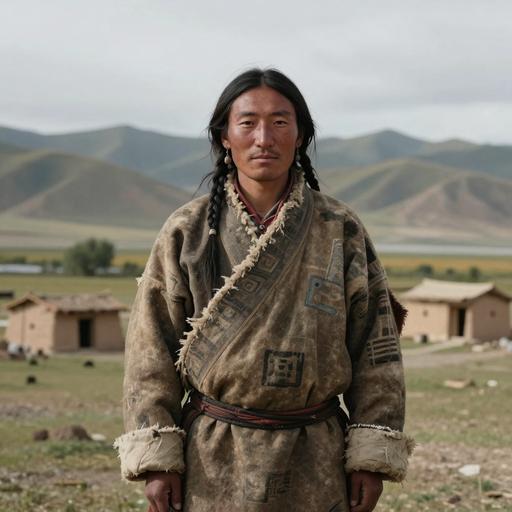
D1 (D-M15): This subclade is found in populations across Tibet, mainland East Asia, and parts of Southeast Asia. It is especially common among Tibetan people, where it is one of the dominant Y-DNA haplogroups.
- D1a (D-CTS3946): This subclade is prevalent among Tibetan and other East Asian populations. Tibetans, in particular, have high frequencies of D1a, which reflects their long-standing genetic continuity in the region. The Tibetan Plateau's high altitude may have influenced the genetic adaptations seen in these populations, making haplogroup D a key lineage in studies of human adaptation to extreme environments.
D2 (D-M55): Found primarily in Japan, this subclade is most common among the Ainu people, an indigenous group of Japan. The Ainu are known for their distinct cultural and genetic history, and the presence of haplogroup D2 among them is evidence of their ancient roots in the region. Haplogroup D2 is also present in some other Japanese populations but at lower frequencies.
D0 (D-FT75): This rare and newly discovered subclade of haplogroup D is found among the Andamanese people, an Indigenous group living on the Andaman Islands in the Indian Ocean. The Andamanese are among the most isolated human populations, and the presence of haplogroup D0 indicates a long period of genetic isolation. The discovery of D0 has provided important insights into the ancient genetic history of Southeast Asia and the Indian Ocean region.
Geographical Distribution
Haplogroup D has a relatively limited geographical distribution, which reflects its ancient origins and the long-term isolation of the populations that carry it. It is found almost exclusively in East Asia, Southeast Asia, and the Andaman Islands, with no significant presence outside of these regions.
East Asia: Haplogroup D is most commonly found in East Asia, particularly among populations in Tibet and Japan. In Tibet, haplogroup D1a is prevalent among Tibetan men, and it is believed to have played a role in the adaptation of these populations to the high-altitude environments of the Tibetan Plateau. Studies have shown that Tibetans carrying haplogroup D1a may have genetic adaptations related to oxygen metabolism, helping them survive at high altitudes.
Japan: In Japan, haplogroup D2 (D-M55) is found among the Ainu, the indigenous people of northern Japan, and to a lesser extent, in the general Japanese population. The Ainu have retained distinct genetic and cultural characteristics, and their high frequency of haplogroup D2 indicates a deep ancestral connection to ancient populations of Japan.
Andaman Islands: Haplogroup D0 (D-FT75) is found among the Indigenous people of the Andaman Islands, particularly the Onge and Great Andamanese groups. These populations have been genetically isolated for tens of thousands of years, making them an important focus for studies of human genetic diversity and the survival of ancient lineages.
Southeast Asia: Haplogroup D is also present at lower frequencies in some Southeast Asian populations, particularly in regions like Myanmar and among the Sherpa people, who share close genetic ties with Tibetans. The presence of haplogroup D in these populations suggests ancient migration routes between Southeast Asia and East Asia.
Historical and Cultural Significance
Haplogroup D plays a critical role in understanding the deep genetic history of populations in East Asia and Southeast Asia. It is especially valuable for tracing the origins of isolated groups and studying the adaptations of humans to unique environments, such as the high-altitude regions of Tibet.
Adaptation to High Altitudes: One of the most significant findings related to haplogroup D is its association with genetic adaptations to high-altitude environments in Tibet. Studies have shown that Tibetan populations carrying haplogroup D1a have evolved genetic traits that help them thrive in low-oxygen environments, likely due to long-term habitation on the Tibetan Plateau. These adaptations involve changes in genes related to oxygen transport and metabolism, making haplogroup D important for understanding human adaptation to extreme environments.
Isolation of Indigenous Populations: The presence of haplogroup D among the Ainu of Japan and the Andamanese of the Indian Ocean highlights its role in isolated populations that have remained relatively untouched by later waves of migration. These groups provide valuable insights into early human migrations and the preservation of ancient genetic lineages in the face of later population movements.
The Peopling of East and Southeast Asia: Haplogroup D is a key marker for studying the early peopling of East and Southeast Asia. Its deep roots suggest that it was carried by some of the earliest populations to settle in these regions, and its continued presence in isolated populations, such as the Tibetans and Ainu, helps researchers trace the movements and genetic diversity of early human groups in Asia.
Genetic Studies and Haplogroup D
Recent genetic studies have provided valuable insights into the origins and migration patterns of haplogroup D. The discovery of new subclades, such as D0 in the Andaman Islands, has expanded the understanding of this haplogroup's role in early human history. Key findings include:
Tibetan Genetic Adaptations: Researchers have studied the genetic makeup of Tibetan populations carrying haplogroup D1a to understand how they adapted to life at high altitudes. These studies have identified several genetic mutations related to oxygen metabolism that are more common in Tibetans than in lowland populations, highlighting the role of haplogroup D in human adaptation.
Ainu Genetic Heritage: The Ainu of Japan have been the subject of genetic studies focused on understanding their unique ancestry and cultural history. The high frequency of haplogroup D2 among the Ainu suggests a long period of isolation and genetic continuity, which has preserved ancient Y-DNA lineages.
Andamanese Isolation: The discovery of haplogroup D0 among the Andamanese has shed light on the genetic isolation of this population for tens of thousands of years. This finding has prompted further research into the role of genetic drift and isolation in shaping the genetic landscape of Southeast Asia.
Conclusion
Y-DNA haplogroup D is one of the most ancient and significant paternal lineages, tracing back to some of the earliest modern human migrations out of Africa. Its presence in isolated populations, such as the Tibetans, Ainu, and Andamanese, highlights its deep roots and long-term genetic stability in certain regions of Asia. Haplogroup D provides crucial insights into human adaptation to extreme environments, such as the Tibetan Plateau, and the genetic diversity of populations that have remained isolated for millennia. Studying haplogroup D allows researchers to trace the ancient movements and survival of early human populations across East and Southeast Asia, while also highlighting the unique genetic adaptations that have arisen in response to environmental pressures.
Key Points
- Origins and Evolution
- Major Subclades of Haplogroup D
- Geographical Distribution
- Historical and Cultural Significance
- Genetic Studies and Haplogroup D