The Story
The journey of Y-DNA haplogroup D1A1A1A
Origins and Evolution
Y-DNA haplogroup D1A1A1A is a downstream branch of D1A1A1, a clade that arose on the Tibetan Plateau during the Late Pleistocene and early Holocene. D1A1A1A likely coalesced in the Holocene (several thousand years after the parent clade) as local populations on the plateau and surrounding highlands diversified. The lineage is defined by derived Y‑chromosome markers that occur downstream of D1A1A1 and is best interpreted as the result of regional population structure, genetic drift, and localized founder events within Tibeto‑Burman–speaking highland groups.
Genetic evidence from Y‑chromosome surveys and ancient DNA indicates that D clades on the plateau show deep continuity; D1A1A1A represents one of the micro‑lineages that formed as communities became more regionally restricted in the Holocene and differentiated from other D subclades.
Subclades (if applicable)
D1A1A1A may contain further micro‑lineages (rare downstream subclades) that are often highly localized to particular valleys, clans or small ethnic groups. Modern high‑resolution sequencing and expanded sampling across Tibet, Nepal and Bhutan have revealed a pattern of many low‑frequency, geographically restricted branches beneath major D clades; D1A1A1A fits this pattern. These micro‑subclades are typically discovered as more SNPs are identified in population‑level surveys and may correspond to historical founder events or recent demographic bottlenecks.
Geographical Distribution
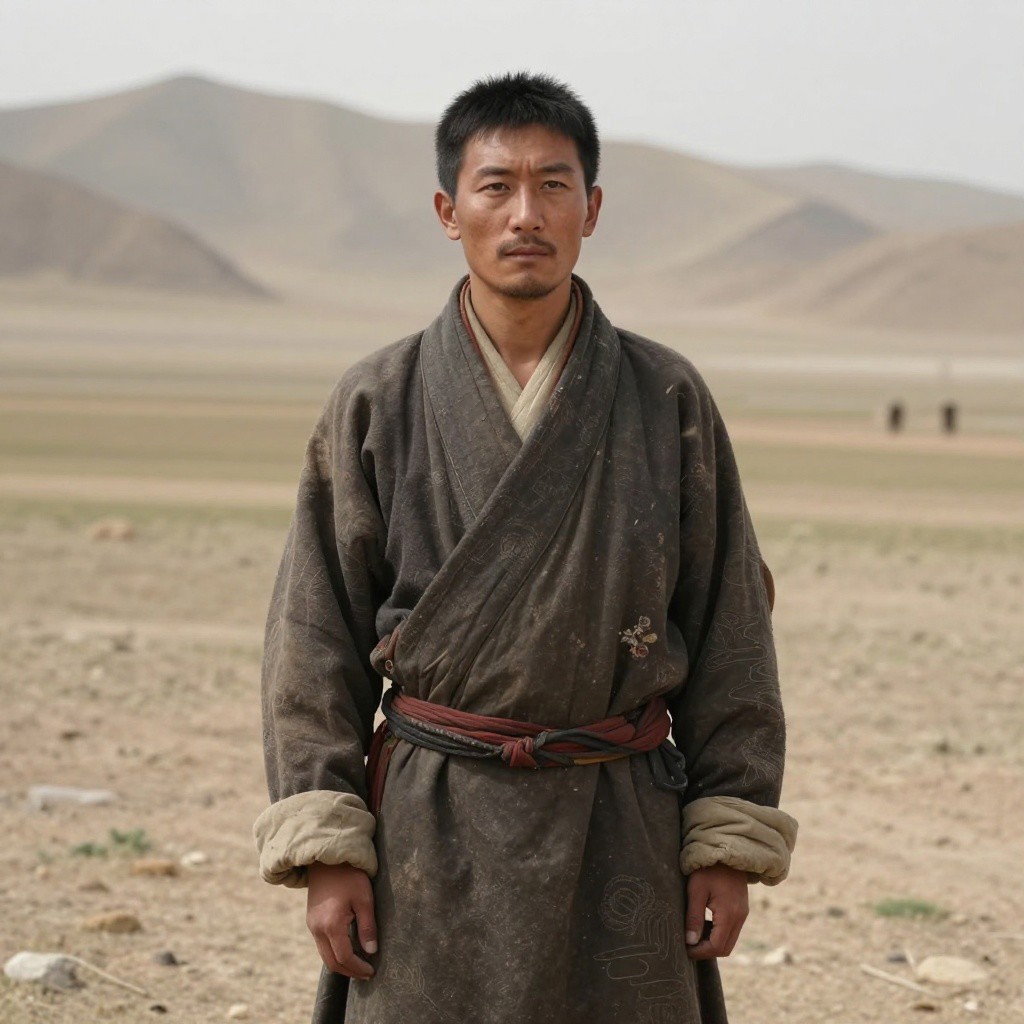
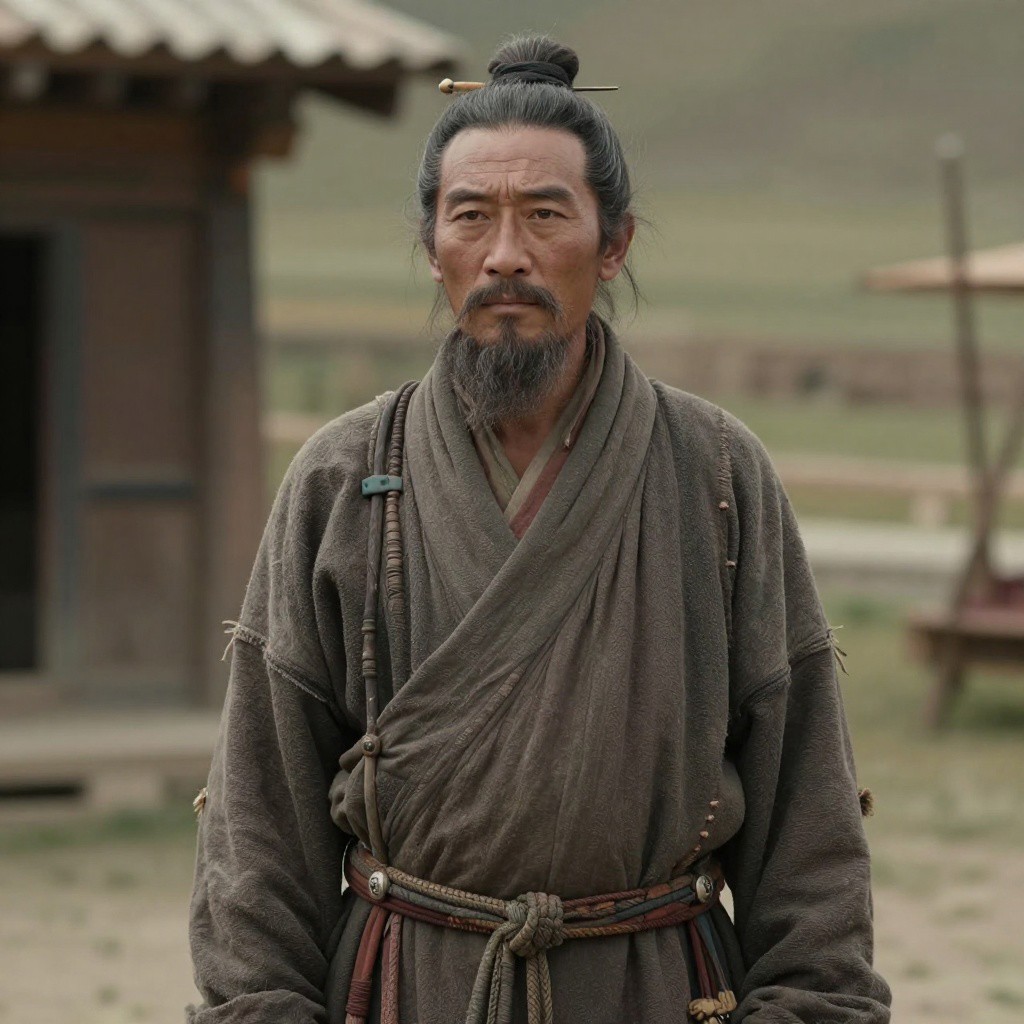
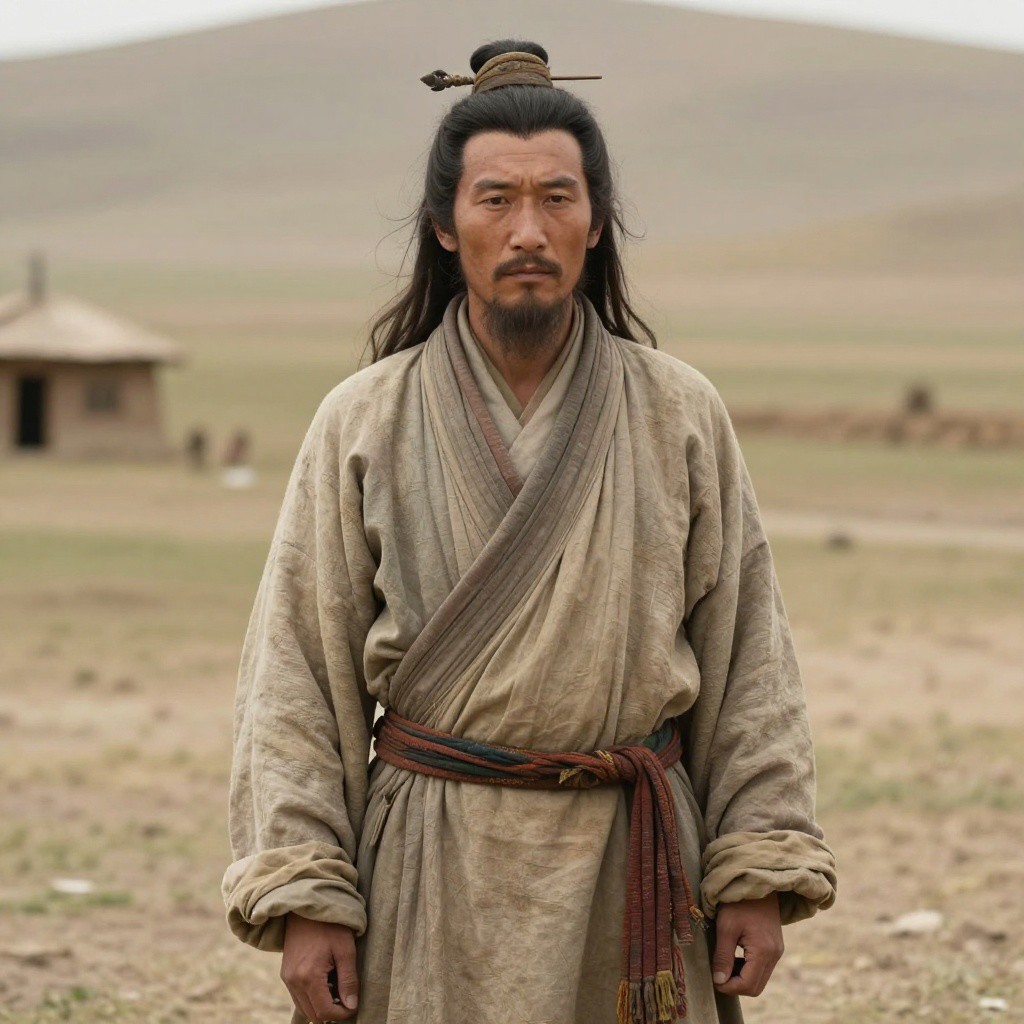
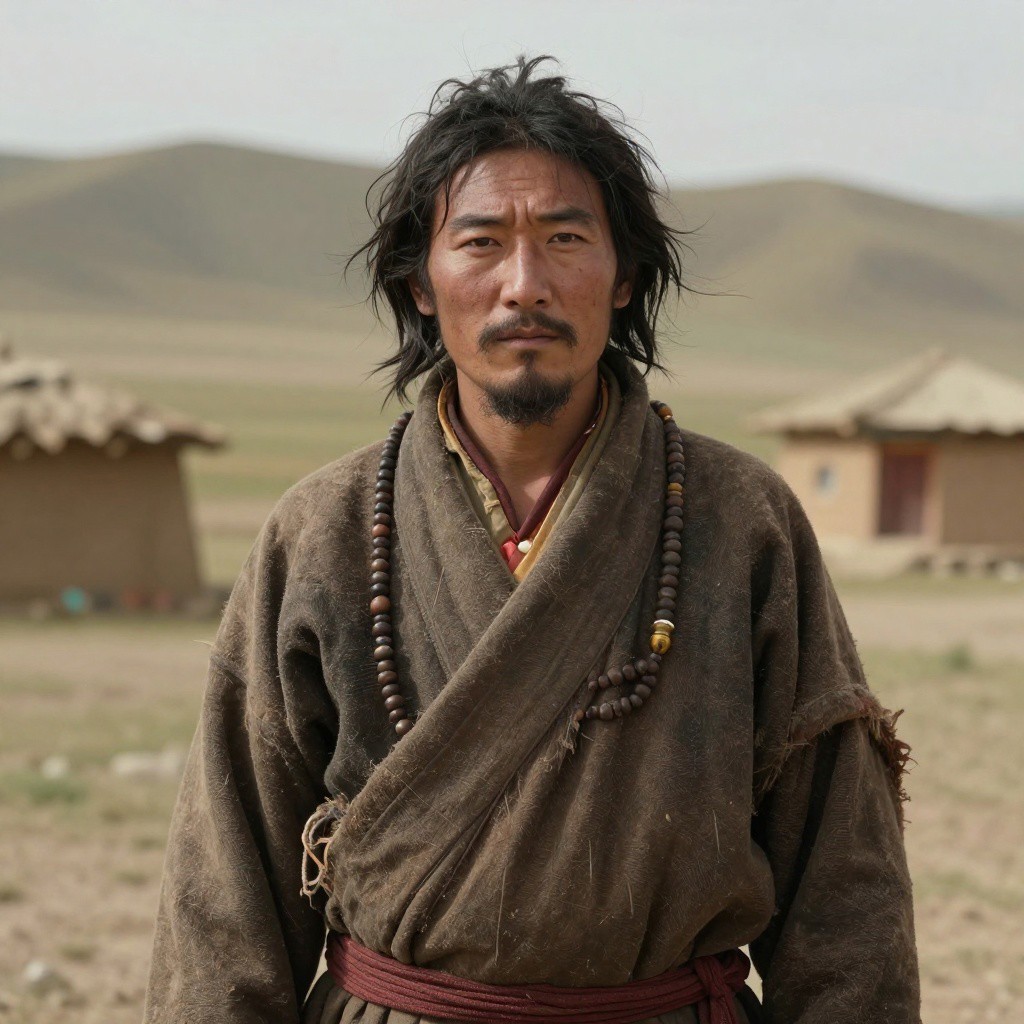
The distribution of D1A1A1A is strongly concentrated on the Tibetan Plateau and adjacent Himalayan highlands, with the highest frequencies and diversity found among central and eastern Tibetan highland populations. It is also present among highland Tibeto‑Burman groups such as Sherpa and some Qiangic‑speaking communities. Scattered, low‑frequency occurrences appear in neighboring Himalayan populations in Nepal and Bhutan and as rare signals among some Sino‑Tibetan speakers in Sichuan and Yunnan. A few isolated instances in upland South and Southeast Asian groups likely reflect historical dispersals or founder effects, but the haplogroup remains principally a highland Himalayan lineage.
Historical and Cultural Significance
While Y‑chromosome lineages do not directly equate to cultural traits, the distribution of D1A1A1A mirrors long‑term human occupation and demographic continuity on the Tibetan Plateau. The emergence and persistence of this haplogroup coincide with post‑glacial reoccupation and the establishment of highland subsistence systems (foraging, eventual pastoralism and agriculture adapted to high altitudes). D1A1A1A is thus informative for studies of Tibeto‑Burman population history, local founder events, and the demographic processes that shaped modern Himalayan genetic structure.
It is important to note that high‑altitude physiological adaptations in Tibetans (e.g., alleles in EPAS1, EGLN1) are primarily reflected in autosomal variation and are not located on the Y chromosome; nevertheless, Y‑DNA lineages such as D1A1A1A provide a complementary paternal perspective on the timing and geography of population continuity and migration.
Conclusion
D1A1A1A is a regional, Holocene‑aged Y‑chromosome subclade nested within the Tibetan Plateau–rooted D1A1A1 lineage. Its pattern—highly localized distribution, low overall frequency outside the plateau, and presence among highland Tibeto‑Burman groups—highlights the role of geographic isolation, drift, and founder effects in shaping paternal diversity in the Himalayas. Continued high‑resolution sampling and ancient DNA from the plateau and adjacent highlands will refine the internal branching, age estimates, and precise historical events tied to this lineage.
Key Points
- Origins and Evolution
- Subclades (if applicable)
- Geographical Distribution
- Historical and Cultural Significance
- Conclusion