Menu
Y-DNA Haplogroup • Paternal Lineage

Q1B

Y-DNA Haplogroup Q1B

~12,000 years ago
Central Asia / Siberia
2 subclades
11 ancient samples
Scroll to explore
Chapter I

The Story

The journey of Y-DNA haplogroup Q1B

Origins and Evolution

Y-DNA haplogroup Q1B is a downstream branch of haplogroup Q1, a lineage that expanded across northern Eurasia during the Late Pleistocene and became one of the founding paternal lineages of populations in Siberia, Central Asia and (through other Q1 subclades) the Americas. Based on the phylogenetic position of Q1B beneath Q1 and the known age of Q1 (~20 kya), Q1B probably diversified in the early Holocene (order of ~10–15 kya) in or near the Central Asian–Siberian zone. The split that produced Q1B reflects post-glacial population structure and regional expansions that followed climatic amelioration after the Last Glacial Maximum.

Precise internal branching and dating for Q1B depend on SNP discovery and calibration from ancient DNA; current evidence suggests Q1B is one of several geographically oriented Q1 sublineages that became established among northern Eurasian forager and early pastoralist groups.

Subclades

Q1B contains downstream lineages defined by one or more SNPs (nomenclature varies as new markers are discovered). Compared with some Q1 subclades that are deeply associated with the peopling of the Americas (e.g., Q-M3/Q1a sublineages), Q1B's downstream diversity appears concentrated in Central Asian and Siberian populations and among groups affected by later steppe and nomadic movements. Ongoing sequencing and targeted SNP typing continue to refine how many named subclades Q1B contains and their relative ages.

Geographical Distribution

Q1B is most consistently observed in populations of Central Asia and Siberia, where it reaches its highest relative frequencies and diversity. It is also detected at lower frequencies in adjacent regions (northeastern Asia, parts of eastern Europe) and sporadically in populations affected by historic east–west migrations. Modern distributions are shaped by both prehistoric population structure and later movements associated with Bronze/Iron Age nomadic cultures and historic Turkic–Mongolic expansions. The signal of Q1B in the Americas, if present at all, is rare and typically represents either low-frequency dispersals or later historical contacts rather than primary founding lineages.

Historical and Cultural Significance

Although Q1B is not the principal Q lineage associated with the initial peopling of the Americas, it likely contributed to the paternal makeup of northern Eurasian groups that participated in Bronze Age and Iron Age steppe networks. Q1B may be found among populations and archaeological contexts linked to steppe-associated cultures such as parts of the Andronovo-related sphere, Scythian/Saka groups, and later nomadic confederations (Xiongnu, Turkic, Mongolic expansions). In these contexts Q1B would have coexisted and intermixed with other steppe and Siberian Y lineages (for example R1a, R1b in steppe contexts; C2 and other northern lineages in Mongolic/Tungusic contexts).

Ancient DNA sampling has begun to identify Q sublineages across a range of archaeological contexts in northern Eurasia; however, targeted sampling and SNP resolution are needed to reliably trace Q1B specifically through time and culture.

Conclusion

Q1B is best understood as a northern Eurasian offshoot of Q1 that emerged in the early Holocene in the Central Asian–Siberian region and persisted among local hunter-gatherer and pastoralist populations. Its modern footprint reflects both deep Holocene continuity in northern Eurasia and later population movements associated with steppe and nomadic networks. Further high-resolution Y-chromosome sequencing and broader ancient DNA sampling are required to clarify the internal structure, precise age, and full geographic history of Q1B.

Key Points

  • Origins and Evolution
  • Subclades
  • Geographical Distribution
  • Historical and Cultural Significance
  • Conclusion
Chapter II

Tree & Relationships

Phylogenetic context and subclades

Evolution Path

This haplogroup's evolutionary journey from its earliest ancestor to the present.

Steps Haplogroup Age Estimate Archaeology Era Time Passed Immediate Descendants Tested Modern Descendants Ancient Connections
1 Q1B Current ~12,000 years ago 🌾 Neolithic 12,000 years 2 15 11
2 Q1 ~20,000 years ago 🏹 Mesolithic 20,000 years 2 69 33
3 Q ~24,000 years ago 🦴 Paleolithic 24,000 years 2 153 4

Siblings (1)

Other branches from the same parent haplogroup

Chapter III

Where in the World

Geographic distribution and modern presence

Place of Origin

Central Asia / Siberia

Modern Distribution

The populations where Y-DNA haplogroup Q1B is found include:

  1. Central Asian populations (Kazakh, Kyrgyz, Turkmen and neighboring groups)
  2. Siberian indigenous groups (Yakut, Evenk, Buryat and related peoples)
  3. Mongolian and Tungusic-speaking populations
  4. Some Indigenous peoples of the Americas (rare/low frequency; typically regarded as sporadic or secondary)
  5. Eastern European populations (low frequency, often in groups with steppe ancestry)
  6. Middle Eastern and South Asian populations (sporadic, low frequency)
  7. Modern populations descended from historic steppe nomads (e.g., groups linked to Scythian/Saka/Xiongnu traditions)

Regional Presence

Central Asia High
Northeastern Asia (Siberia) High
East Asia (Mongolia, Tungusic areas) Moderate
Eastern Europe Low
North America (Indigenous groups) Low
South Asia Low
Middle East Low
CHAPTER IV

When in Time

Your haplogroup in the context of human history

~12k years ago

Haplogroup Q1B

Your Y-DNA haplogroup emerged in Central Asia / Siberia

Central Asia / Siberia
~10k years ago

Neolithic Revolution

Agriculture begins, settled communities form

~5k years ago

Bronze Age

Metalworking, writing, and early civilizations

~3k years ago

Iron Age

Iron tools, expanded trade networks

~2k years ago

Classical Antiquity

Greek and Roman civilizations flourish

Present

Present Day

Modern era

Your Haplogroup
Historical Era
Chapter IV-B

Linked Cultures

Ancient cultures associated with Y-DNA haplogroup Q1B

Cultural Heritage

These ancient cultures have been linked to haplogroup Q1B based on matching ancient DNA samples from archaeological excavations. The presence of this haplogroup in these cultures provides insights into the migrations and population movements of populations carrying this haplogroup.

Anse Gourde Canimar Abajo Chemurcheck Culture Chumash Cueva Perico Danish Early Neolithic Dnieper-Donets Culture Early Kazakh Iron Funnel Beaker Koshkino-Boborykino Limão Sambaqui Ob River Culture present Santa Rosa Island Culture Ural Mesolithic Culture
Culture assignments are based on archaeological context of ancient DNA samples and may represent regional associations during specific time periods.
Chapter V

Sample Catalog

6 direct carriers and 5 subclade carriers of haplogroup Q1B

11 / 11 samples
Portrait Sample Country Era Date Culture Y-DNA Match
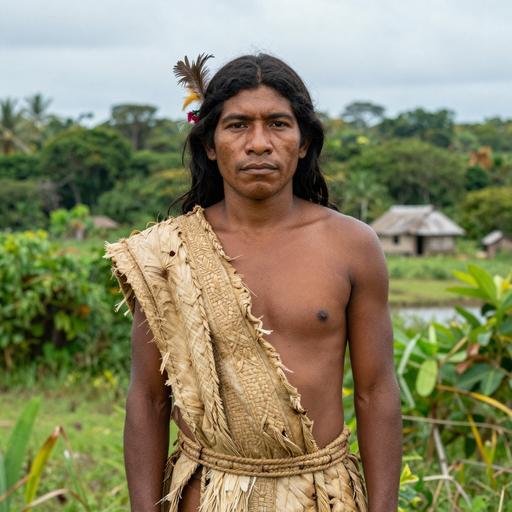
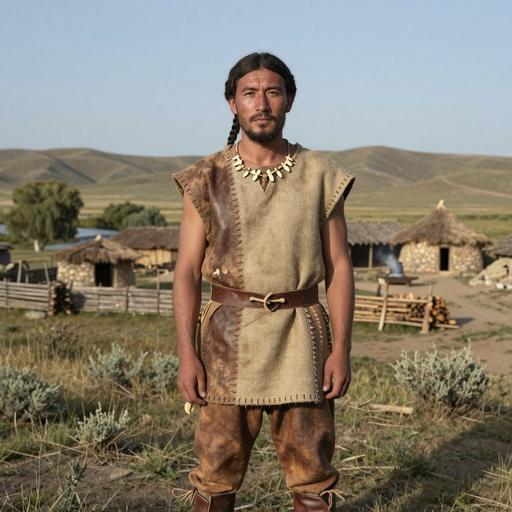
Portrait of ancient individual GUY003 from Cuba, dated 235 CE - 346 CE
GUY003
Cuba Archaic Period Guayabo Blanco, Cuba 235 CE - 346 CE Guayabo Blanco Q1b Direct
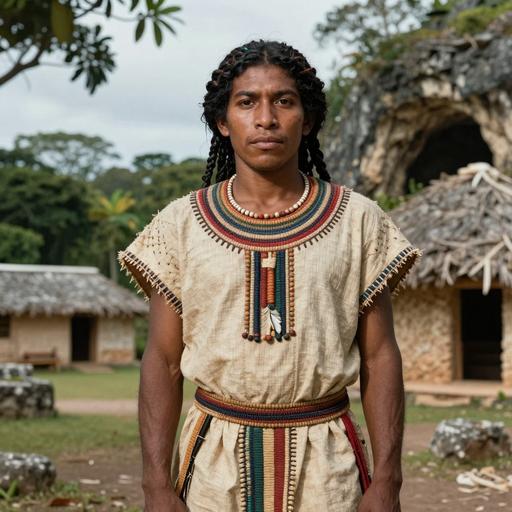
Portrait of ancient individual CIP010 from Cuba, dated 441 CE - 600 CE
CIP010
Cuba Archaic Period Cueva Perico, Cuba 441 CE - 600 CE Cueva Perico Q1b Direct
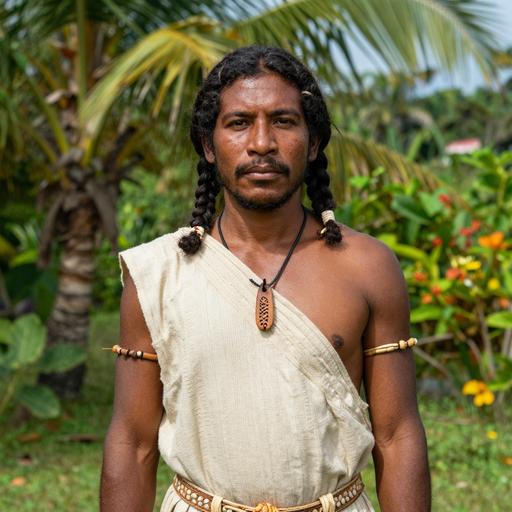
Portrait of ancient individual ALG003 from Guadeloupe, dated 1276 CE - 1384 CE
ALG003
Guadeloupe Ceramic Period Anse Gourde, Guadeloupe 1276 CE - 1384 CE Anse Gourde Q1b Direct
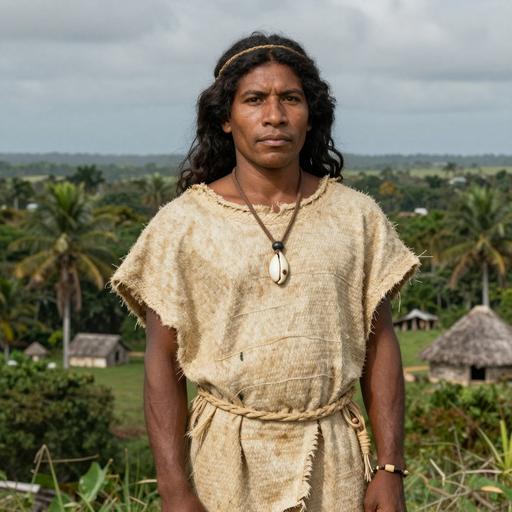
Portrait of ancient individual CAO006 from Cuba, dated 1400 BCE - 1300 CE
CAO006
Cuba Archaic Period Canimar Abajo, Cuba 1400 BCE - 1300 CE Canimar Abajo Q1b Direct
Portrait of ancient individual HGDP00877 from Mexico, dated 2000 CE
HGDP00877
Mexico present 2000 CE Q1b Direct
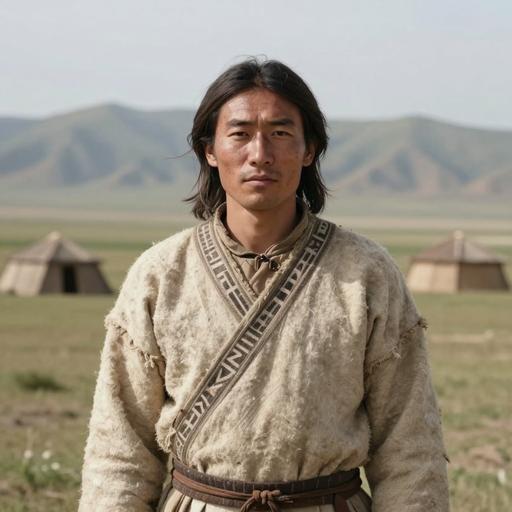
Portrait of ancient individual C2036 from China, dated 2571 BCE - 1977 BCE
C2036
China The Bronze Age Chemurcheck culture 2571 BCE - 1977 BCE Chemurcheck Culture Q1b Direct
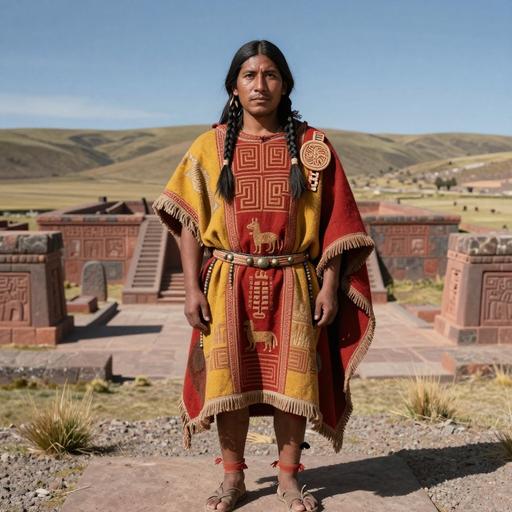
Portrait of ancient individual TW027 from Bolivia, dated 990 CE - 1129 CE
TW027
Bolivia Tiwanaku Culture at Lukurmata, Bolivia 990 CE - 1129 CE Tiwanaku Q1b1 Downstream
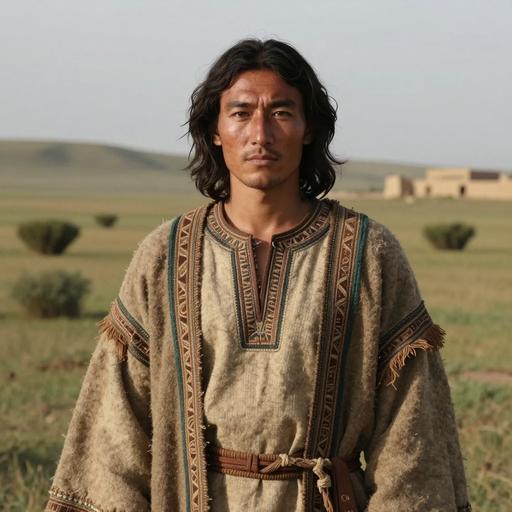
Portrait of ancient individual C2034 from China, dated 2624 BCE - 2472 BCE
C2034
China Bronze Age Afanasievo Culture Ayituohan, Xinjiang, China 2624 BCE - 2472 BCE Afanasievo Culture Q1b1 Downstream
Portrait of ancient individual C794 from China, dated 2624 BCE - 2472 BCE
C794
China Bronze Age Habahe, Xinjiang, China 2624 BCE - 2472 BCE Habahe Culture Q1b1 Downstream
Portrait of ancient individual AYIM22BY from China, dated 2844 BCE - 2474 BCE
AYIM22BY
China Bronze Age Afanasievo Culture Ayituohan, Xinjiang, China 2844 BCE - 2474 BCE Afanasievo Culture Q1b1 Downstream
Chapter VI

Carrier Distribution Map

Geographic distribution of 11 ancient DNA samples (direct and subclade carriers of Q1B)

Direct carrier Subclade carrier
Time Period Filter
All Time Periods
Showing all samples
Chapter VII

Temporal Distribution

Distribution of carriers across archaeological periods

Chapter VIII

Geographic Distribution

Distribution by country of origin (direct and subclade carriers shown by default)

Chapter IX

Country × Era Distribution

Cross-tabulation of carrier countries and archaeological periods (direct and subclade carriers shown by default)

Data

Data & Provenance

Source information and data quality

Last Updated 2026-02-16
Confidence Score 50/100
Coverage Low
Data Source

We use the latest phylotree for YDNA haplogroup classification and data.