انتقل إلى المحتوى الرئيسي
mtDNA · سلالة أمومية

B4B1A3A

mtDNA Haplogroup B4B1A3A

ملف مرجعي لفرع واحد من السلالة. لا تثبت المجموعات الفردانية المشتركة صلة عائلية ولا تحدّد الهوية الثقافية.

الملف المرجعي

خلفية الفرع

السياق التاريخي لفرع B4B1A3A من سلالة mtDNA

Origins and Evolution

mtDNA haplogroup B4B1A3A is a derived subclade of B4B1A3, itself part of the broader B4 branch which has a long history in East and Island Southeast Asia. Given the parent clade's estimated emergence in the late Holocene (~3.5 kya) and the phylogenetic position of B4B1A3A within that branch, B4B1A3A most plausibly arose during the Late Holocene (roughly 2–3 kya). Its emergence is consistent with fine‑scale diversification that accompanied continued maritime movements, localized expansions, and island‑to‑island gene flow associated with Austronesian dispersals and later coastal demographic processes.

Subclades (if applicable)

B4B1A3A is a defined downstream lineage of B4B1A3. Current sampling and published datasets indicate relatively few deeply characterized downstream subclades of B4B1A3A, so much of its internal structure remains sparsely resolved. As more complete mitogenomes from Island Southeast Asia and Near Oceania are published, additional sublineages may be identified, revealing finer geographic patterns (for example, island‑restricted branches or clades tied to specific ethnolinguistic groups).

Geographical Distribution

B4B1A3A is primarily recorded in coastal and island populations of Island Southeast Asia (ISEA) and adjacent regions. Modern DNA surveys and limited ancient DNA finds place the haplogroup at low to moderate frequencies in: indigenous Taiwanese (Austronesian‑speaking groups), populations of the Philippines and eastern Indonesia, coastal communities of Borneo and Sulawesi, some coastal mainland Southeast Asian groups, and in contact zones of Near Oceania (particularly populations with historical Lapita or Austronesian influence). It also occurs at low frequencies in coastal East Asian populations (coastal China, Taiwan, southern Japan) reflecting maritime networks and historical gene flow.

Ancient DNA recovery for B4B1A3A is limited but consistent with a late Holocene, maritime‑associated distribution. Its presence in modern coastal and island populations, and occasional identification in archaeological samples from Lapita‑associated contexts or later island assemblages, supports a scenario of seaborne dispersal and local differentiation rather than a deep inland origin.

Historical and Cultural Significance

B4B1A3A fits the broader pattern of Austronesian‑linked maternal lineages that spread through maritime Southeast Asia during the Late Holocene. While not a diagnostic ‘‘Polynesian motif’’ lineage, it is part of the mosaic of maternal haplogroups carried by Austronesian speakers and by coastal communities engaged in fishing, trade, and island settlement. The haplogroup's geographic pattern reflects maritime adaptation, island colonization, and post‑Neolithic coastal demographic processes—including interisland exchange, secondary founder events, and admixture with Papuan‑related populations in Near Oceania.

From a cultural perspective, B4B1A3A is best understood as one genetic signal among many that track the spread of seafaring economies and Austronesian languages; it neither defines a single culture nor explains linguistic change on its own, but it contributes to the maternal genetic signature of communities involved in maritime expansion.

Conclusion

B4B1A3A is a relatively recent, regionally concentrated mtDNA subclade whose distribution and timing are consistent with late Holocene maritime expansions in Island Southeast Asia and adjacent Near Oceanic contact zones. Continued mitogenome sequencing across island and coastal populations, and additional ancient DNA from late Holocene archaeological sites, will refine its internal phylogeny and clarify island‑specific histories of dispersal and admixture.

أبرز النقاط

  • Origins and Evolution
  • Subclades (if applicable)
  • Geographical Distribution
  • Historical and Cultural Significance
  • Conclusion
الملف المرجعي

شجرة السلالة والفروع المرتبطة

موضع الفرع في شجرة السلالة وفروعه الفرعية

مسار تفرّع السلالة

تتبّع الفروع الأصلية المسجّلة وصولًا إلى B4B1A3A. التواريخ تقديرية وقد تتغيّر عند تحديث البيانات المرجعية.

خطوات التفرّع المجموعة الفردانية العمر التقديري الحقبة الأثرية المدة المنقضية الفروع المباشرة العينات الحديثة المختبَرة الارتباطات القديمة
1 B4B1A3A الفرع الحالي ~2,000 years ago Classical Antiquity 2,500 سنة 0 2 7
2 B4B1A3 ~6,000 years ago Chalcolithic 6,000 سنة 1 3 0
3 B4B1AA - - - 2 15 0
4 B4B1A ~9,000 years ago Neolithic 9,000 سنة 1 18 2
5 B4B1 ~18,000 years ago Mesolithic 18,000 سنة 2 22 0
6 B4B ~15,000 years ago Mesolithic 15,000 سنة 3 972 0
7 B4B'D'E'J - - - 3 997 0
8 B4 ~28,000 years ago Paleolithic 28,000 سنة 4 1,122 7
9 B4'5 ~40,000 years ago Paleolithic 40,000 سنة 2 1,432 0
10 RA - - - 3 1,452 0
11 R ~55,000 years ago Paleolithic 55,000 سنة 17 22,830 57
12 NA - - - 1 22,830 0
13 N ~60,000 years ago Paleolithic 60,000 سنة 16 26,150 13
14 L3 ~70,000 years ago Paleolithic 70,000 سنة 7 30,162 6
15 L3'4 - - - 2 30,212 0
16 L3'4'6 - - - 2 30,216 0
17 L2'3'4'6 - - - 2 31,333 0
18 L2'3'4'5'6'7 - - - 2 31,349 0
19 L1'2'3'4'5'6'7 - - - 2 31,852 0
20 L ~160,000 years ago Paleolithic 160,000 سنة 2 32,236 5

الفروع الفرعية (0)

فرع نهائي بلا فروع فرعية مسجّلة

الملف المرجعي

أماكن وجود الفرع

التوزيع الجغرافي والوجود الحالي

الأصل المسجّل

Island Southeast Asia (coastal)

التوزيع الحالي

The populations where mtDNA haplogroup B4B1A3A is found include:

  1. Indigenous Taiwanese (Austronesian‑speaking groups)
  2. Philippine island populations (various ethnolinguistic groups)
  3. Eastern Indonesian communities (Maluku, Nusa Tenggara)
  4. Borneo and Sulawesi coastal populations
  5. Coastal and island communities of mainland Southeast Asia (Vietnam, Malay Peninsula) at low frequencies
  6. Micronesian and some peripheral Polynesian‑adjacent islanders at low frequencies
  7. Insular Melanesian contact‑zone groups (Near Oceania) where Austronesian influence occurred
  8. Coastal East Asian groups (coastal China, southern Japan) at low frequencies
السياق التاريخي

تاريخ الفرع

تقدير زمن نشأة الفرع ضمن تسلسل تاريخي عام. توفّر الفترات سياقًا زمنيًا دون إثبات صلة بثقافات بعينها.

  1. ~10k سنة مضت

    ثورة العصر الحجري الحديث

    ظهور الزراعة وتشكّل المجتمعات المستقرّة

  2. ~5k سنة مضت

    العصر البرونزي

    صناعة المعادن والكتابة والحضارات المبكرة

  3. ~3k سنة مضت

    العصر الحديدي

    أدوات الحديد واتّساع شبكات التجارة

  4. ~2.5k سنة مضت

    العصور الكلاسيكية القديمة

    ازدهار الحضارتين اليونانية والرومانية

  5. ~2.5k سنة مضت

    المجموعة الفردانية B4B1A3A

    تقدير نشأة فرع mtDNA. التواريخ والمواقع تقديرات مرجعية.

    هذا الفرع
  6. Present

    الحاضر

    العصر الحديث

الملف المرجعي

السياق الأثري

الارتباطات الأثرية المسجّلة لفرع B4B1A3A من mtDNA

الارتباطات المسجّلة

تصف هذه التسميات السياقات الأثرية المسجّلة للعينات المرجعية المرتبطة بـ B4B1A3A. لا يثبت الارتباط انتماء جميع حاملي الفرع إلى ثقافة بعينها أو اتّباعهم مسار هجرة محدّدًا.

Austria_Avar Avar Culture Early Avar Historical Malaysian Palau_Ucheliungscave_2750BP Pohnpei Culture Taiwanese Iron
يستند تصنيف الثقافات إلى السياق الأثري لعينات الحمض النووي القديم، وقد يعكس ارتباطات إقليمية خلال فترات محدّدة.
الملف المرجعي

فهرس العينات

عدد العينات المطابقة مباشرةً للمجموعة الفردانية B4B1A3A هو 7

7 معروضة · 7 عينة مطابقة

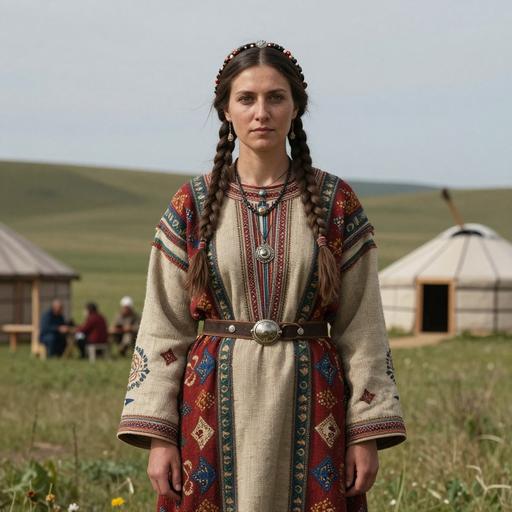
الصور الشخصية رسوم مولّدة بالذكاء الاصطناعي. تحدّد أسماء العينات ومعرّفات الإيداع السجلات المرجعية.

الصورة الشخصية العينة البلد الحقبة التاريخ الثقافة mtDNA نوع التطابق
صورة توضيحية مولّدة بالذكاء الاصطناعي للعينة Elite Early Avar-o High East Asia individual, Bács-Kiskun County. Fajsz-Garadomb, Hungary (550-636 CE)
معرّف العينة: FGD-4
Hungary Hungary EarlyAvar 550-636 calCE (1492±19 BP, DeA-26541) Early Avar B4b1a3a تطابق مباشر
صورة توضيحية مولّدة بالذكاء الاصطناعي للعينة Eurasian Nomadic individual, Kunpeszér-Felsőpeszéri út (Bács-Kiskun County), Hungary (580-670 CE)
معرّف العينة: KUP025
Hungary Hungary EarlyAvar 580 CE - 670 CE Early Avar B4b1a3a تطابق مباشر
صورة توضيحية مولّدة بالذكاء الاصطناعي للعينة Eurasian Nomadic individual, Bács-Kiskun County. Kunpeszér-Felsőpeszériút. Homokbánya, Hungary (630-660 CE)
معرّف العينة: KFP-30a
Hungary Hungary EarlyAvar 630 CE - 660 CE Early Avar B4b1a3a تطابق مباشر
صورة توضيحية مولّدة بالذكاء الاصطناعي للعينة Middle Late Avar-o Low East Asia individual, Hajdú-Bihar County. Árkus-Homokbánya, Hungary (650-775 CE)
معرّف العينة: ARK-41
Hungary Middle to Late Avar Period Hungary 650-775 calCE (1329±28 BP, DeA-22536) Avar Culture B4b1a3a تطابق مباشر
صورة توضيحية مولّدة بالذكاء الاصطناعي للعينة Middle Avar-o High East Asia individual, Rákóczifalva-Bagi-földek (Jász-Nagykun-Szolnok Coiunty, Szolnok), Hungary (650-900 CE)
معرّف العينة: RKF163
Hungary Hungary MiddleAvar 650-900 CE Avar Culture B4b1a3a تطابق مباشر
صورة توضيحية مولّدة بالذكاء الاصطناعي للعينة Middle Avar-o High East Asia individual, Rákóczifalva-Bagi-földek (Jász-Nagykun-Szolnok Coiunty, Szolnok), Hungary (650-900 CE)
معرّف العينة: RKF181
Hungary Hungary MiddleAvar 650-900 CE Avar Culture B4b1a3a تطابق مباشر
صورة توضيحية مولّدة بالذكاء الاصطناعي للعينة Late Avar-o High East Asia individual, Bács-Kiskun County. Csólyospálos-Felsőpálos, Hungary (675-725 CE)
معرّف العينة: CSPF-213
Hungary Hungary LateAvar 650-750 CE Avar Culture B4b1a3a تطابق مباشر
أمومية · الحمض النووي القديم

خريطة الأدلة القديمة للسلالة

تتبّع الفروع الأصلية المؤدية إلى هذا الفرع واستكشف مواقع العثور على العينات القديمة المرتبطة به.

جارٍ تحميل السجلات القديمة…

تشير العلامات إلى مواقع الاكتشافات الأثرية. يشير الخط المتقطّع إلى انتقال جغرافي محتمل بين فرعين متتاليين تدعمه عدة سجلات مؤرّخة. لا يحدّد مسارًا دقيقًا أو مكان نشأة ولا يثبت انحدارًا مباشرًا. قد تنتمي عينات الفروع الأصلية إلى فروع متفرّعة أخرى. تبقى الفجوات حيث لا تكفي الأدلة. تختلف تواريخ العينات عن تواريخ نشأة المجموعات الفردانية.

الملف المرجعي

خريطة توزيع العينات

التوزيع الجغرافي لعينات الحمض النووي القديم المطابقة مباشرةً للمجموعة B4B1A3A أو لفروعها الفرعية. عدد العينات: 7

عينة مطابقة مباشرةً
التصفية حسب الفترة
جميع الفترات
تُعرض جميع العينات
الملف المرجعي

التوزيع الزمني

توزيع العينات عبر الفترات الأثرية

الملف المرجعي

التوزيع الجغرافي

عدد العينات حسب بلدها المسجّل. تعكس الأعداد العينات المرجعية المتاحة دون قياس تواتر المجموعات الفردانية بين السكان.

الملف المرجعي

توزيع العينات حسب البلد والحقبة

قارن أعداد العينات المسجّلة حسب البلدان والفترات الأثرية. اختر خلية تحتوي على نتائج للاطّلاع على إحدى العينات.

البيانات

البيانات ومصادرها

معلومات المصادر وجودة البيانات

آخر تحديث 2026-02-16
درجة الثقة 50/100
التغطية Low

مصدر البيانات

يعكس التصنيف والتواريخ التقديرية والسياق الجغرافي البيانات المرجعية المسجّلة، وقد تتغيّر مع مراجعة الأدلة. تختلف تغطية العينات، ولا تثبت المواقع المسجّلة والارتباطات الأثرية الأصول الشخصية أو الهوية الثقافية.