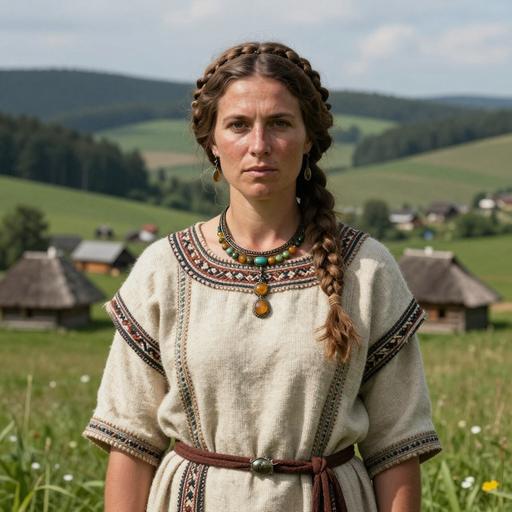
ملف مرجعي لفرع واحد من السلالة. لا تثبت المجموعات الفردانية المشتركة صلة عائلية ولا تحدّد الهوية الثقافية.
الملف المرجعي
خلفية الفرع
السياق التاريخي لفرع T1A من سلالة mtDNA
Origins and Evolution
mtDNA haplogroup T1A is a subclade of T1, itself a branch of haplogroup T within macrohaplogroup N. Based on its phylogenetic position under T1 and patterns seen in modern and ancient samples, T1A likely diversified in the Near East during the early Neolithic (around 9 kya) or shortly thereafter. The lineage expanded with Neolithic farmer movements into adjacent regions and underwent further regional diversification in Europe, North Africa, and parts of Central Asia.
Genetic studies and ancient DNA analyses indicate that T1 lineages, including T1A, are associated with demic diffusion of early agricultural populations from the Near East into Europe and North Africa, and later with historical population movements that redistributed maternal lineages across the Mediterranean and beyond.
Subclades
T1A itself contains downstream sublineages (often reported in the literature as T1a1, T1a2, etc., with differing nomenclature across studies). These subclades show additional geographic structure: some are more common in Europe (especially southern and eastern regions), others retain higher frequencies in the Near East and North Africa. The diversity of T1A subclades in a region is a useful indicator of either local continuity or multiple migration events bringing the lineage into that region.
Geographical Distribution
T1A today is most frequent and most diverse in the Near East, with moderate frequencies across the Mediterranean rim and lower frequencies into inland Europe and Central Asia. Key modern population occurrences include Middle Eastern groups, North African coastal populations, Southern and Eastern Europeans, and documented presence in Jewish maternal lineages (including several lineages found among Ashkenazi Jews). Ancient DNA has recovered T1/T1A-class lineages in a number of Neolithic and later archaeological contexts, consistent with spread during the Neolithic and persisting presence through subsequent eras. In many regions T1A is a minority haplogroup but contributes to the maternal signature of Neolithic-derived and Mediterranean populations.
Historical and Cultural Significance
The distribution of T1A aligns with major episodes in prehistory and history: the Neolithic agricultural expansion from the Near East into Europe and North Africa, and later historic-era migrations and demographic processes around the Mediterranean. The presence of T1A in Jewish communities likely reflects Near Eastern maternal ancestry with later founder and drift effects altering frequencies in specific diasporic groups. Because T1A occurs in both ancient farmer-associated contexts and in modern populations across the Mediterranean, it serves as a marker for maternal lineages that link Near Eastern origins with European and North African demographic history.
Conclusion
mtDNA haplogroup T1A is a Near Eastern-rooted maternal lineage that diversified during or shortly after the early Neolithic and dispersed with farming and later migrations into Europe, North Africa, and Central Asia. While typically not a majority lineage in any large modern population, its presence across multiple regions and in ancient DNA makes it a useful marker for tracing Neolithic and post-Neolithic maternal ancestry in the Mediterranean and adjacent regions.
أبرز النقاط
Origins and Evolution
Subclades
Geographical Distribution
Historical and Cultural Significance
Conclusion
الملف المرجعي
شجرة السلالة والفروع المرتبطة
موضع الفرع في شجرة السلالة وفروعه الفرعية
مسار تفرّع السلالة
تتبّع الفروع الأصلية المسجّلة وصولًا إلى T1A. التواريخ تقديرية وقد تتغيّر عند تحديث البيانات المرجعية.
The populations where mtDNA haplogroup T1A is found include:
Middle Eastern populations
North African populations (Mediterranean coast)
Southern European populations (Italy, Greece, Iberia)
Eastern European populations (Balkans, parts of the Black Sea region)
Central Asian populations (sporadic occurrence)
Jewish populations, notably some Ashkenazi maternal lineages
السياق التاريخي
تاريخ الفرع
تقدير زمن نشأة الفرع ضمن تسلسل تاريخي عام. توفّر الفترات سياقًا زمنيًا دون إثبات صلة بثقافات بعينها.
~10k سنة مضت
ثورة العصر الحجري الحديث
ظهور الزراعة وتشكّل المجتمعات المستقرّة
~9k سنة مضت
المجموعة الفردانية T1A
تقدير نشأة فرع mtDNA. التواريخ والمواقع تقديرات مرجعية.
هذا الفرع
~5k سنة مضت
العصر البرونزي
صناعة المعادن والكتابة والحضارات المبكرة
~3k سنة مضت
العصر الحديدي
أدوات الحديد واتّساع شبكات التجارة
~2.5k سنة مضت
العصور الكلاسيكية القديمة
ازدهار الحضارتين اليونانية والرومانية
Present
الحاضر
العصر الحديث
الملف المرجعي
السياق الأثري
الارتباطات الأثرية المسجّلة لفرع T1A من mtDNA
الارتباطات المسجّلة
تصف هذه التسميات السياقات الأثرية المسجّلة للعينات المرجعية المرتبطة بـ T1A. لا يثبت الارتباط انتماء جميع حاملي الفرع إلى ثقافة بعينها أو اتّباعهم مسار هجرة محدّدًا.
Alföld Linear PotteryArmenian NeolithicBulgarian NeolithicGhassulianLinear Pottery CulturePeloponnesian NeolithicPPNBTisza CultureVarna
يستند تصنيف الثقافات إلى السياق الأثري لعينات الحمض النووي القديم، وقد يعكس ارتباطات إقليمية خلال فترات محدّدة.
الملف المرجعي
فهرس العينات
عينات المجموعة الفردانية T1A: 10 مطابقة مباشرة و@downstreamCount من الفروع الفرعية
10 معروضة · 50 عينة مطابقة
لا توجد عينات تطابق عوامل التصفية. جرّب تسمية أو موقعًا أو فترة أخرى.
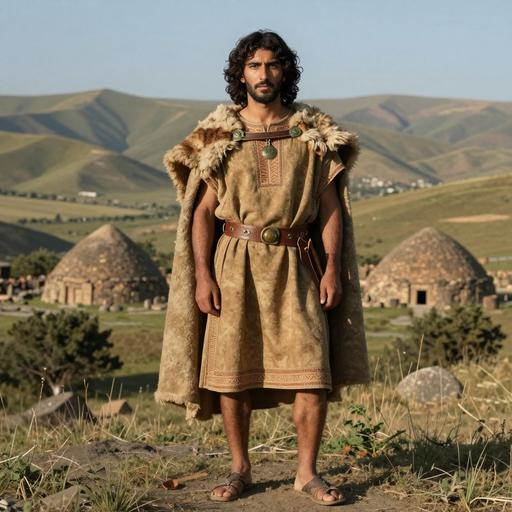
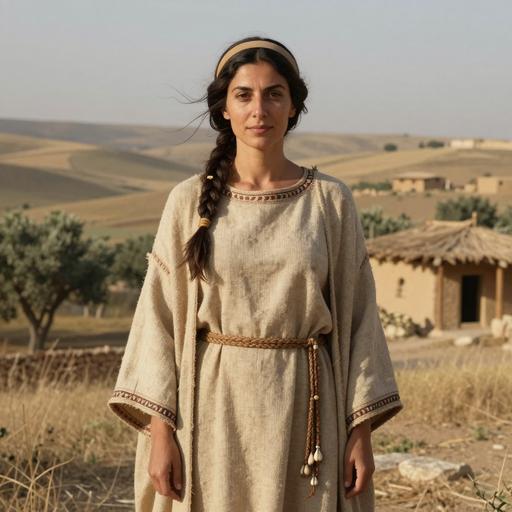
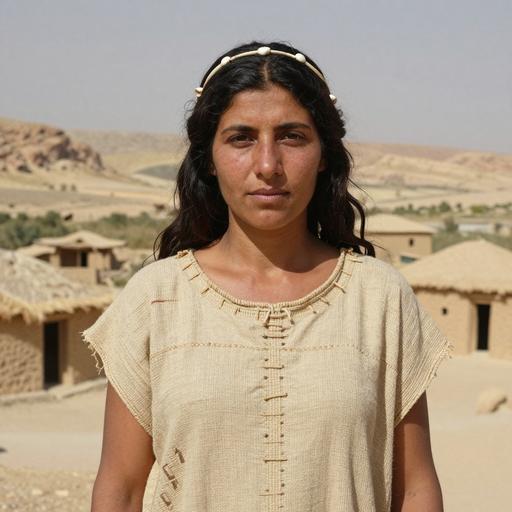
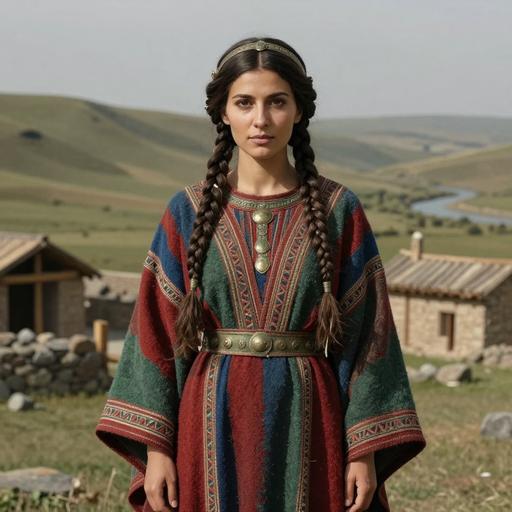
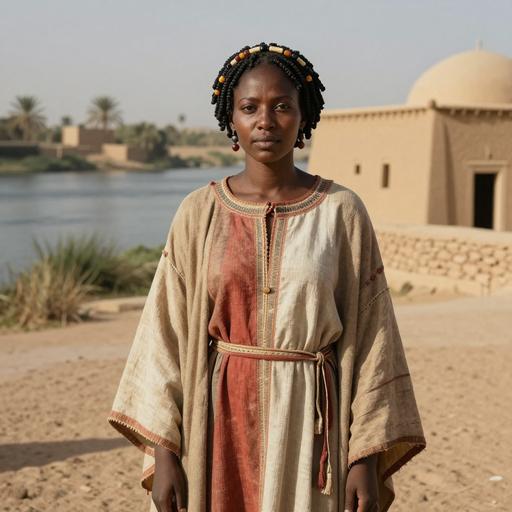
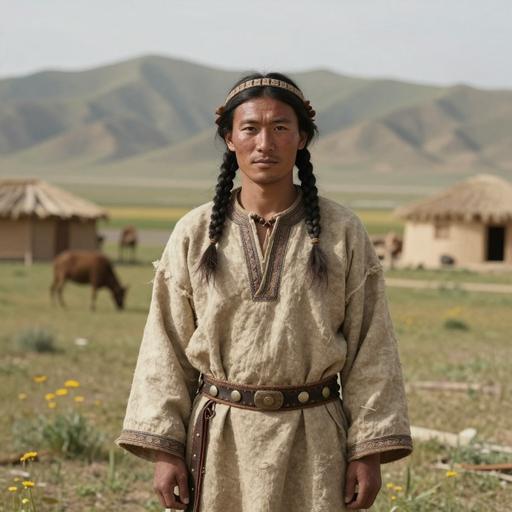
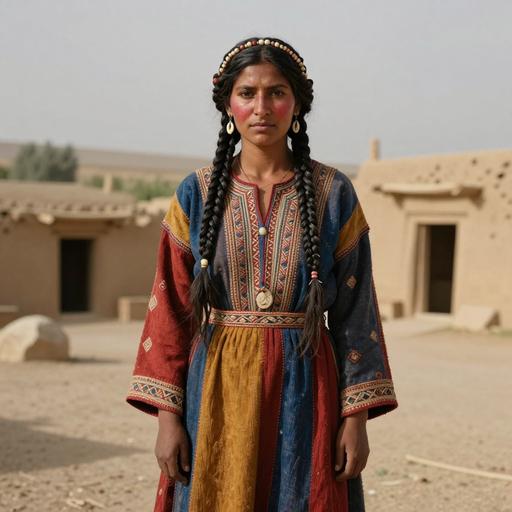
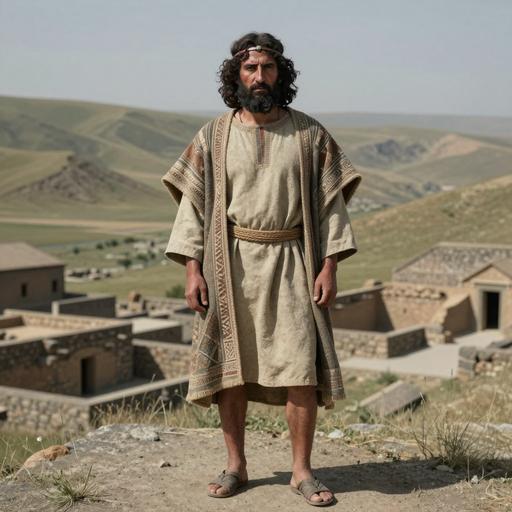
الصور الشخصية رسوم مولّدة بالذكاء الاصطناعي. تحدّد أسماء العينات ومعرّفات الإيداع السجلات المرجعية.
الصورة الشخصية
العينة
البلد
الحقبة
التاريخ
الثقافة
mtDNA
نوع التطابق
معرّف العينة: VEN006
Italy
Basilicata Venosa Culture
600-800 CE
Venosa
T1a
تطابق مباشر
معرّف العينة: I19348
Armenia
Late Bronze Age Armenia
1400-900 BCE
Late Bronze Age Armenian
T1a
تطابق مباشر
معرّف العينة: I10097
Israel
Israel MLBA
1600-1500 BCE
Canaanite
T1a
تطابق مباشر
معرّف العينة: I10347
France
France EBA
1684-1503 calBCE (3310±35 BP, Poz-138294)
Early French Bronze Age
T1a
تطابق مباشر
معرّف العينة: I2870
India
India Roopkund B
1698-1910 calCE (30±20 BP, PSUAMS-5429)
Roopkund B Group
T1a
تطابق مباشر
معرّف العينة: I10264
Israel
Israel MLBA
1881-1697 calBCE (3470±20 BP, OS-139224)
Canaanite
T1a
تطابق مباشر
معرّف العينة: I7180
Israel
Israel MLBA
2000-1550 BCE
Canaanite
T1a
تطابق مباشر
معرّف العينة: I1882
Hungary
Hungary MN LBK
5300-4900 BCE
Linear Pottery Culture
T1a
تطابق مباشر
معرّف العينة: I3708
Greece
Greece Peloponnese N
5500-3600 BCE
Peloponnesian Neolithic
T1a
تطابق مباشر
معرّف العينة: I1704
Jordan
Jordan PPNB
7451 BCE - 7056 BCE
PPNB
T1a
تطابق مباشر
معرّف العينة: R131
Italy
Imperial Rome
1-200 CE
Roman Empire
T1a12
فرع فرعي
معرّف العينة: I20437
Armenia
Late Bronze Age to Early Iron Age Armenia
157 calBCE - 7 calCE (2065±20 BP, PSUAMS-8417)
Armenian LBA-EIA
T1a9
فرع فرعي
معرّف العينة: I19869
United Kingdom
England LIA
175 calBCE - 8 calCE (2080±30 BP, SUERC-40286)
British Late Iron Age
T1a1
فرع فرعي
معرّف العينة: I19870
United Kingdom
England LIA
200-1 BCE
British Late Iron Age
T1a1
فرع فرعي
معرّف العينة: C393
China
Historical Period Hetian, Xinjiang, China
200-400 CE
Hetian Culture
T1a1
فرع فرعي
معرّف العينة: I16386
United Kingdom
Middle to Late Iron Age England
300 BCE - 100 CE
Late Iron Age British
T1a1
فرع فرعي
معرّف العينة: I16450
United Kingdom
Middle to Late Iron Age England
300 BCE - 100 CE
Late Iron Age British
T1a1
فرع فرعي
معرّف العينة: I16457
United Kingdom
Middle to Late Iron Age England
300 BCE - 100 CE
Late Iron Age British
T1a1
فرع فرعي
معرّف العينة: I14987
Czech Republic
Iron Age La Tène Culture, Czech Republic
350-250 BCE
La Tène Culture
T1a1
فرع فرعي
معرّف العينة: I20625
United Kingdom
Middle to Late Iron Age England
343-49 calBCE (2120±30 BP, SUERC-31498)
Late Iron Age British
T1a1
فرع فرعي
معرّف العينة: CHN001
Mongolia
Early Iron Age to Xiongnu to Late Medieval Uvs, Mongolia
356 BCE - 173 BCE
Uvs Multi-Period
T1a1
فرع فرعي
معرّف العينة: I5728
Croatia
Croatia EIA
361-200 calBCE (2210±15 BP, PSUAMS-2870)
Croatian Iron Age
T1a5
فرع فرعي
معرّف العينة: SEI-5
Hungary
Hungary Hun
350-500 CE
Hun Culture
T1a1
فرع فرعي
معرّف العينة: SEI-1
Hungary
Hungary Hun
350-500 CE
Hun Culture
T1a1
فرع فرعي
معرّف العينة: I13727
United Kingdom
England MIA
389-208 calBCE (2249±20 BP, SUERC-41926)
Middle Iron Age British
T1a1
فرع فرعي
معرّف العينة: I14807
United Kingdom
England MIA
391-204 calBCE (2247±30 BP, SUERC-95018)
Middle Iron Age British
T1a1
فرع فرعي
معرّف العينة: I7027
Mongolia
Mongolia EIA Sagly 4
398 BCE - 228 BCE
Sagly Culture
T1a1
فرع فرعي
معرّف العينة: R36
Italy
Late Antiquity Italy
400-600 CE
Late Roman
T1a1
فرع فرعي
معرّف العينة: I5504
United Kingdom
Anglian Period East Yorkshire, England
400-800 CE
Anglian
T1a1
فرع فرعي
معرّف العينة: C1360
China
China Xinjiang Jirentaigoukou EIA
450-200 BCE
Early Iron Age Chinese
T1a1
فرع فرعي
معرّف العينة: SZ2
Hungary
Langobard Period Hungary
400-650 CE
Langobard Culture
T1a1
فرع فرعي
معرّف العينة: BSB003
Kazakhstan
Iron Age Sarmatian, Kazakhstan
500-200 BCE
Sarmatian Culture
T1a1
فرع فرعي
معرّف العينة: I15462
Croatia
Croatia Medieval
677-824 calCE (1256±17 BP, MAMS-38379)
Croatian Medieval
T1a1
فرع فرعي
معرّف العينة: I6333
Sudan
Early Christian Era in Sudan
682-878 calCE (1240±22 BP, UGAMS-34399)
Nubian Christian
T1a7
فرع فرعي
معرّف العينة: OLN002
Mongolia
Mongolia Arkhangai EarlyMedieval
700-1000 CE
Early Medieval Mongolian
T1a1
فرع فرعي
معرّف العينة: I5690
Slovenia
Slovenia EIA
763-425 calBCE (2470±25 BP, KIA-37315)
Hallstatt Culture
T1a1
فرع فرعي
معرّف العينة: OLN003
Mongolia
Mongolia Arkhangai EarlyMedieval
772-950 calCE (1166±15 BP, GrM-12924)
Early Medieval Mongolian
T1a1
فرع فرعي
معرّف العينة: BSB001
Kazakhstan
Iron Age Sarmatian, Kazakhstan
773-541 calBCE (2493±24 BP)
Sarmatian Culture
T1a1
فرع فرعي
معرّف العينة: C4272
China
China Xinjiang Abusanteer IA
800-200 BCE
Abusanteer Culture
T1a1
فرع فرعي
معرّف العينة: C4131
China
China Xinjiang Abusanteer IA
789-544 calBCE
Abusanteer Culture
T1a1
فرع فرعي
معرّف العينة: SE-64
Hungary
Conqueror Elite Hungary
950-1000 CE
Magyar Elite Culture
T1a1
فرع فرعي
معرّف العينة: I25507
Hungary
Hungary EIA
978-831 calBCE (2760±20 BP, PSUAMS-10140)
Early Hungarian Iron Age
T1a5
فرع فرعي
معرّف العينة: I12979
Pakistan
The Loebanr Iron Age Culture of Pakistan
1000-800 BCE
Loebanr Culture
T1a1
فرع فرعي
معرّف العينة: I13220
Pakistan
The Loebanr Iron Age Culture of Pakistan
1000-800 BCE
Loebanr Culture
T1a1
فرع فرعي
معرّف العينة: TSA001
Mongolia
Mongolia Dornod LateMedieval
1000-1500 CE
Late Medieval Mongolian
T1a1
فرع فرعي
معرّف العينة: I14648
Turkey
Southeast Byzantine Turkey
1031-1158 calCE (955±20 BP, PSUAMS-6840)
Byzantine Anatolia
T1a7
فرع فرعي
معرّف العينة: I14620
Armenia
Late Bronze Age to Early Iron Age Armenia
1042-906 calBCE (2815±20 BP, PSUAMS-7158)
Armenian LBA-EIA
T1a1
فرع فرعي
معرّف العينة: I13781
Czech Republic
Late Bronze Age to Iron Age Knoviz-Hallstatt Culture, Czech Republic
1117-931 calBCE (2860±25 BP, PSUAMS-10016)
Knoviz-Hallstatt Culture
T1a1
فرع فرعي
معرّف العينة: I7628
United Kingdom
England LBA
1212-983 calBCE (2895±35 BP, SUERC-25541)
British Late Bronze Age
T1a1
فرع فرعي
معرّف العينة: R52
Italy
Medieval to Early Modern Italy
1280 CE - 1430 CE
Medieval Italian
T1a1
فرع فرعي
معرّف العينة: VEN006
Basilicata Venosa Culture - Italy - Basilicata. Potenza. Venosa
Italy Basilicata Venosa Culture 600-800 CE
T1aتطابق مباشر
معرّف العينة: I19348
Late Bronze Age Armenia - Armenia - Karashamb Cemetery
Armenia Late Bronze Age Armenia 1400-900 BCE
T1aتطابق مباشر
معرّف العينة: I10097
Middle to Late Bronze Age Israel - Israel - Megiddo. Jezreel Valley
Israel Israel MLBA 1600-1500 BCE
T1aتطابق مباشر
معرّف العينة: I10347
Early Bronze Age France - France - Lauzet-Ubaye. Villard
France France EBA 1684-1503 calBCE (3310±35 BP, Poz-138294)
T1aتطابق مباشر
معرّف العينة: I2870
Roopkund Skeletons B - India - Uttaranchal. Himalaya. Roopkund
India India Roopkund B 1698-1910 calCE (30±20 BP, PSUAMS-5429)
T1aتطابق مباشر
معرّف العينة: I10264
Middle to Late Bronze Age Israel - Israel - Megiddo. Jezreel Valley
Israel Israel MLBA 1881-1697 calBCE (3470±20 BP, OS-139224)
Late Bronze Age to Early Iron Age Armenia - Armenia - Bagheri Tchala Archaeological Complex
Armenia Late Bronze Age to Early Iron Age Armenia 1042-906 calBCE (2815±20 BP, PSUAMS-7158)
T1a1فرع فرعي
معرّف العينة: I13781
Late Bronze Age to Iron Age Knoviz-Hallstatt Culture, Czech Republic - Czech Republic - NW Bohemia. Teplice. Bílina (Rudiay I/Maxim Gorkij)
Czech Republic Late Bronze Age to Iron Age Knoviz-Hallstatt Culture, Czech Republic 1117-931 calBCE (2860±25 BP, PSUAMS-10016)
T1a1فرع فرعي
معرّف العينة: I7628
Late Bronze Age England - United Kingdom - England. Bedfordshire. Biddenham Loop
United Kingdom England LBA 1212-983 calBCE (2895±35 BP, SUERC-25541)
T1a1فرع فرعي
معرّف العينة: R52
Medieval to Early Modern Italy - Italy - Villa Magna
Italy Medieval to Early Modern Italy 1280 CE - 1430 CE
T1a1فرع فرعي
أمومية · الحمض النووي القديم
خريطة الأدلة القديمة للسلالة
تتبّع الفروع الأصلية المؤدية إلى هذا الفرع واستكشف مواقع العثور على العينات القديمة المرتبطة به.
جارٍ تحميل السجلات القديمة…
الحركة المخفّضة مفعّلة. استخدم التسلسل الزمني أو زر عرض الكل للاستكشاف بالسرعة التي تناسبك.
اعرض السجلات في جدول
السجلات القديمة المعروضة حسب الفرع والفترة ومنتصف النطاق الزمني
الفرع
الفترة
النطاق الزمني
العينة
معرّف العينة
الموقع
المجموعة الفردانية
نوع الارتباط
تشير العلامات إلى مواقع الاكتشافات الأثرية. يشير الخط المتقطّع إلى انتقال جغرافي محتمل بين فرعين متتاليين تدعمه عدة سجلات مؤرّخة. لا يحدّد مسارًا دقيقًا أو مكان نشأة ولا يثبت انحدارًا مباشرًا. قد تنتمي عينات الفروع الأصلية إلى فروع متفرّعة أخرى. تبقى الفجوات حيث لا تكفي الأدلة. تختلف تواريخ العينات عن تواريخ نشأة المجموعات الفردانية.
يجمع التصنيف حسب الحقبة التاريخية العينات من جميع فروع هذه السلسلة وفق زمن عيش كل شخص قديم. لا يمثّل تسلسل هجرة أو مسارًا زمنيًا لشخص عبر الحقب.
الملف المرجعي
خريطة توزيع العينات
التوزيع الجغرافي لعينات الحمض النووي القديم المطابقة مباشرةً للمجموعة T1A أو لفروعها الفرعية. عدد العينات: 100
عينة مطابقة مباشرةً عينة من فرع فرعي
التصفية حسب الفترة
جميع الفترات
تُعرض جميع العينات
الملف المرجعي
التوزيع الزمني
توزيع العينات عبر الفترات الأثرية
الملف المرجعي
التوزيع الجغرافي
عدد العينات حسب بلدها المسجّل. تعكس الأعداد العينات المرجعية المتاحة دون قياس تواتر المجموعات الفردانية بين السكان.
الملف المرجعي
توزيع العينات حسب البلد والحقبة
قارن أعداد العينات المسجّلة حسب البلدان والفترات الأثرية. اختر خلية تحتوي على نتائج للاطّلاع على إحدى العينات.
البيانات
البيانات ومصادرها
معلومات المصادر وجودة البيانات
آخر تحديث2026-02-16
درجة الثقة50/100
التغطيةLow
مصدر البيانات
يعكس التصنيف والتواريخ التقديرية والسياق الجغرافي البيانات المرجعية المسجّلة، وقد تتغيّر مع مراجعة الأدلة. تختلف تغطية العينات، ولا تثبت المواقع المسجّلة والارتباطات الأثرية الأصول الشخصية أو الهوية الثقافية.