انتقل إلى المحتوى الرئيسي
mtDNA · سلالة أمومية

U4B1B1

mtDNA Haplogroup U4B1B1

ملف مرجعي لفرع واحد من السلالة. لا تثبت المجموعات الفردانية المشتركة صلة عائلية ولا تحدّد الهوية الثقافية.

الملف المرجعي

خلفية الفرع

السياق التاريخي لفرع U4B1B1 من سلالة mtDNA

Origins and Evolution

mtDNA haplogroup U4B1B1 is a downstream branch of U4B1B, itself part of the broader U4 maternal lineage that is characteristic of postglacial western and northern Eurasian hunter-gatherer populations. U4 lineages are widely recognized from Mesolithic and later contexts across northern and eastern Europe and into northwestern Siberia. Based on the phylogenetic position beneath U4B1B (estimated ~12 kya) and observed diversity, U4B1B1 most plausibly coalesced in the Early Holocene (roughly ~9 kya) within the forest‑belt and forest‑steppe zones of Northern/Eastern Europe as human groups re-expanded into previously glaciated landscapes.

Archaeogenetic datasets identify U4 and its subclades as components of both Western Hunter-Gatherer (WHG) and Eastern Hunter-Gatherer (EHG)-related ancestries; U4B1B1 likely represents a regional persistence and local diversification of that hunter-gatherer maternal heritage after the Last Glacial Maximum.

Subclades (if applicable)

U4B1B1 is a terminal or near-terminal subclade in currently available phylogenies; it may contain further minor branching in modern and ancient datasets but remains low-frequency and sparsely resolved compared with major U4 branches. Where deeper sequencing is available, sub-branching appears limited, consistent with a localized origin and modest demographic expansion. The scarcity of many U4B1B1 carriers in modern populations means additional subclade resolution will depend on targeted complete mitogenome sampling from northern and eastern European and adjacent Asian groups.

Geographical Distribution

Modern distribution: U4B1B1 is most often observed at low to moderate frequency in Northern and Eastern European populations — notably in Scandinavia, the Baltic region, and northwest Russia — with sporadic occurrences further east into Siberia and low-level presence in parts of Central Asia and the Caucasus. Very rare incidental instances are reported in South Asia, likely reflecting later long-distance movements or isolated founder events.

Ancient DNA: The haplogroup has been reported in multiple archaeological contexts (18 samples in the referenced database), reinforcing an antiquity in northern Eurasia. Those ancient occurrences tend to cluster in Mesolithic to Bronze Age contexts, consistent with a pattern of local continuity of hunter-gatherer maternal lineages through the Neolithic transition and into later periods.

Taken together, the spatial pattern indicates a center of origin in Northern/Eastern Europe with limited but detectable eastward dispersal across the subarctic and forest-steppe corridors into Siberia and Central Asia.

Historical and Cultural Significance

U4B1B1 is best interpreted as a marker of postglacial hunter-gatherer maternal ancestry that persisted regionally even after the arrival of Neolithic farmers from the Near East. It appears in contexts associated with hunter-gatherer and mixed forager-farmer groups and occasionally in later Bronze Age populations. Archaeological cultures where U4 and related subclades are found include Mesolithic traditions (for example Kunda/Karelia-associated groups), Comb Ware/Comb Ceramic-related contexts in the eastern Baltic, and later steppe and corded-ware associated groups at low frequency. This persistence highlights continuity of maternal lines in northern landscapes where farmer ancestry was introduced but did not uniformly replace local maternal lineages.

The low frequency of U4B1B1 today, together with its punctate ancient occurrences, suggests that it represents a localized maternal legacy rather than a lineage that underwent a major continent‑wide expansion. Its presence in some Siberian and Central Asian populations reflects north Eurasian gene flow and the long-distance connections across northern Eurasia documented in multiple genetic studies.

Conclusion
U4B1B1 is a geographically focused, low-frequency mtDNA subclade derived from the broader U4 hunter-gatherer maternal pool. Originating in Northern/Eastern Europe in the Early Holocene, it documents the endurance of local maternal ancestries through the Neolithic and Bronze Age in northern Eurasia and provides a useful marker for tracing regional continuity and north Eurasian connections in both modern and ancient populations. Further mitogenome sequencing in under-sampled northern and eastern regions will refine its internal structure and historical dynamics.

أبرز النقاط

  • Origins and Evolution
  • Subclades (if applicable)
  • Geographical Distribution
  • Historical and Cultural Significance
  • Conclusion
الملف المرجعي

شجرة السلالة والفروع المرتبطة

موضع الفرع في شجرة السلالة وفروعه الفرعية

مسار تفرّع السلالة

تتبّع الفروع الأصلية المسجّلة وصولًا إلى U4B1B1. التواريخ تقديرية وقد تتغيّر عند تحديث البيانات المرجعية.

خطوات التفرّع المجموعة الفردانية العمر التقديري الحقبة الأثرية المدة المنقضية الفروع المباشرة العينات الحديثة المختبَرة الارتباطات القديمة
1 U4B1B1 الفرع الحالي ~9,000 years ago Neolithic 9,000 سنة 2 23 0
2 U4B1B ~12,000 years ago Neolithic 12,000 سنة 2 33 26
3 U4B1A ~12,000 years ago Neolithic 12,000 سنة 5 85 13
4 U4B1 ~15,000 years ago Mesolithic 15,000 سنة 1 102 0
5 U4B ~15,000 years ago Mesolithic 15,000 سنة 2 116 15
6 U4 ~25,000 years ago Paleolithic 25,000 سنة 6 350 31
7 U4'9 - - - 2 361 0
8 U2'3'4'7'8'9 - - - 5 3,500 0
9 U ~46,000 years ago Paleolithic 46,000 سنة 5 5,557 110
10 R ~55,000 years ago Paleolithic 55,000 سنة 17 22,830 57
11 NA - - - 1 22,830 0
12 N ~60,000 years ago Paleolithic 60,000 سنة 16 26,150 13
13 L3 ~70,000 years ago Paleolithic 70,000 سنة 7 30,162 6
14 L3'4 - - - 2 30,212 0
15 L3'4'6 - - - 2 30,216 0
16 L2'3'4'6 - - - 2 31,333 0
17 L2'3'4'5'6'7 - - - 2 31,349 0
18 L1'2'3'4'5'6'7 - - - 2 31,852 0
19 L ~160,000 years ago Paleolithic 160,000 سنة 2 32,236 5

الفروع الشقيقة (1)

فروع أخرى من المجموعة الفردانية الأصلية نفسها

الملف المرجعي

أماكن وجود الفرع

التوزيع الجغرافي والوجود الحالي

الأصل المسجّل

Northern/Eastern Europe

التوزيع الحالي

The populations where mitochondrial haplogroup U4B1B1 is found include:

  1. Northern European populations (e.g., Scandinavia, Baltic region)
  2. Eastern European populations (e.g., northwest Russia, Baltic states, Ukraine)
  3. Siberian indigenous groups and northern Eurasian populations
  4. Central Asian populations (low to moderate frequency)
  5. Caucasus populations (low frequency)
  6. South Asian populations (very low frequency/incidental)
السياق التاريخي

تاريخ الفرع

تقدير زمن نشأة الفرع ضمن تسلسل تاريخي عام. توفّر الفترات سياقًا زمنيًا دون إثبات صلة بثقافات بعينها.

  1. ~10k سنة مضت

    ثورة العصر الحجري الحديث

    ظهور الزراعة وتشكّل المجتمعات المستقرّة

  2. ~9k سنة مضت

    المجموعة الفردانية U4B1B1

    تقدير نشأة فرع mtDNA. التواريخ والمواقع تقديرات مرجعية.

    هذا الفرع
  3. ~5k سنة مضت

    العصر البرونزي

    صناعة المعادن والكتابة والحضارات المبكرة

  4. ~3k سنة مضت

    العصر الحديدي

    أدوات الحديد واتّساع شبكات التجارة

  5. ~2.5k سنة مضت

    العصور الكلاسيكية القديمة

    ازدهار الحضارتين اليونانية والرومانية

  6. Present

    الحاضر

    العصر الحديث

الملف المرجعي

السياق الأثري

الارتباطات الأثرية المسجّلة لفرع U4B1B1 من mtDNA

الارتباطات المسجّلة

تصف هذه التسميات السياقات الأثرية المسجّلة للعينات المرجعية المرتبطة بـ U4B1B1. لا يثبت الارتباط انتماء جميع حاملي الفرع إلى ثقافة بعينها أو اتّباعهم مسار هجرة محدّدًا.

Bell Beaker German Mesolithic Komornica Culture Russia_Orenburg_EBA_Yamnaya Serednii Stih Tollense Culture Ukraine_Zaporizhia_N_DnieperDonets_MtCemetery Ukrainian Neolithic Unetice Culture Volosovo Culture Yamnaya Yasinovatka
يستند تصنيف الثقافات إلى السياق الأثري لعينات الحمض النووي القديم، وقد يعكس ارتباطات إقليمية خلال فترات محدّدة.
الملف المرجعي

فهرس العينات

عينات المجموعة الفردانية U4B1B1: 27 مطابقة مباشرة و@downstreamCount من الفروع الفرعية

10 معروضة · 37 عينة مطابقة

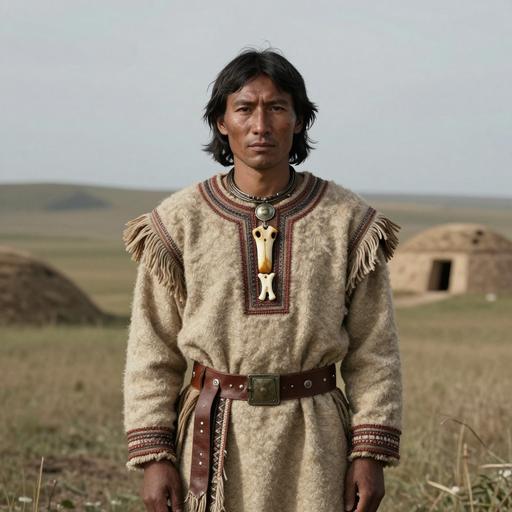
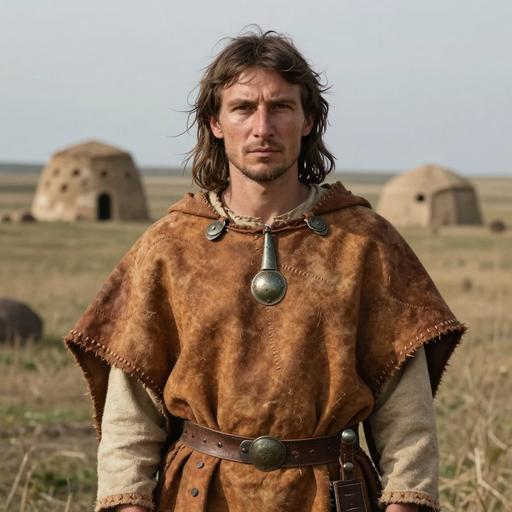
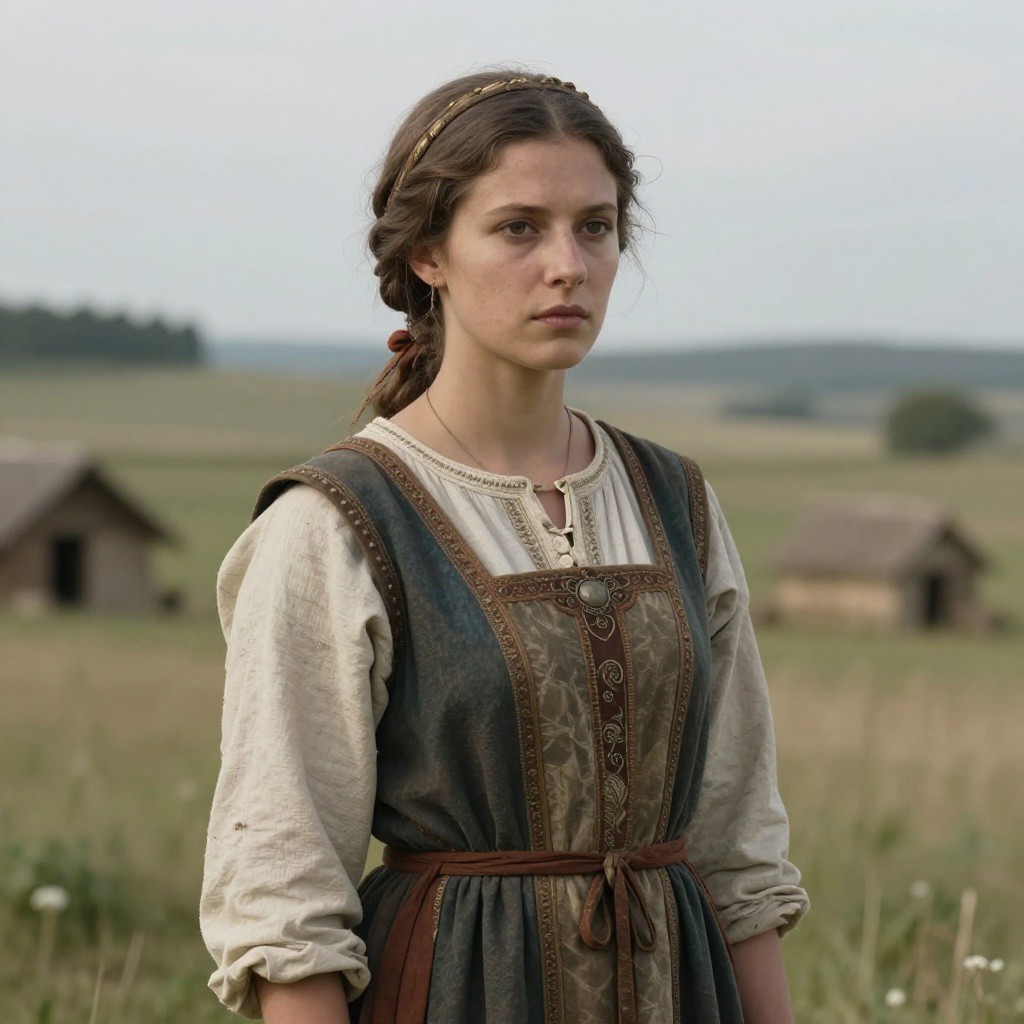
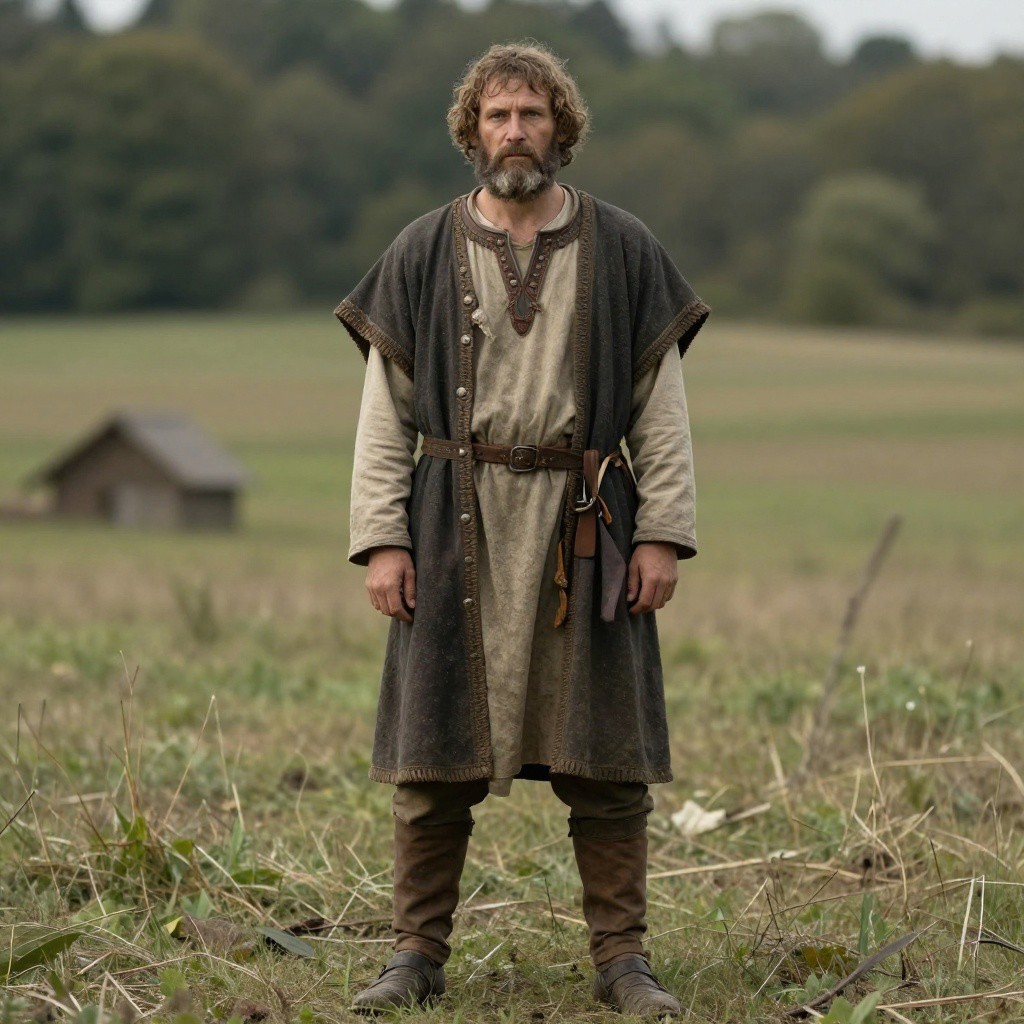
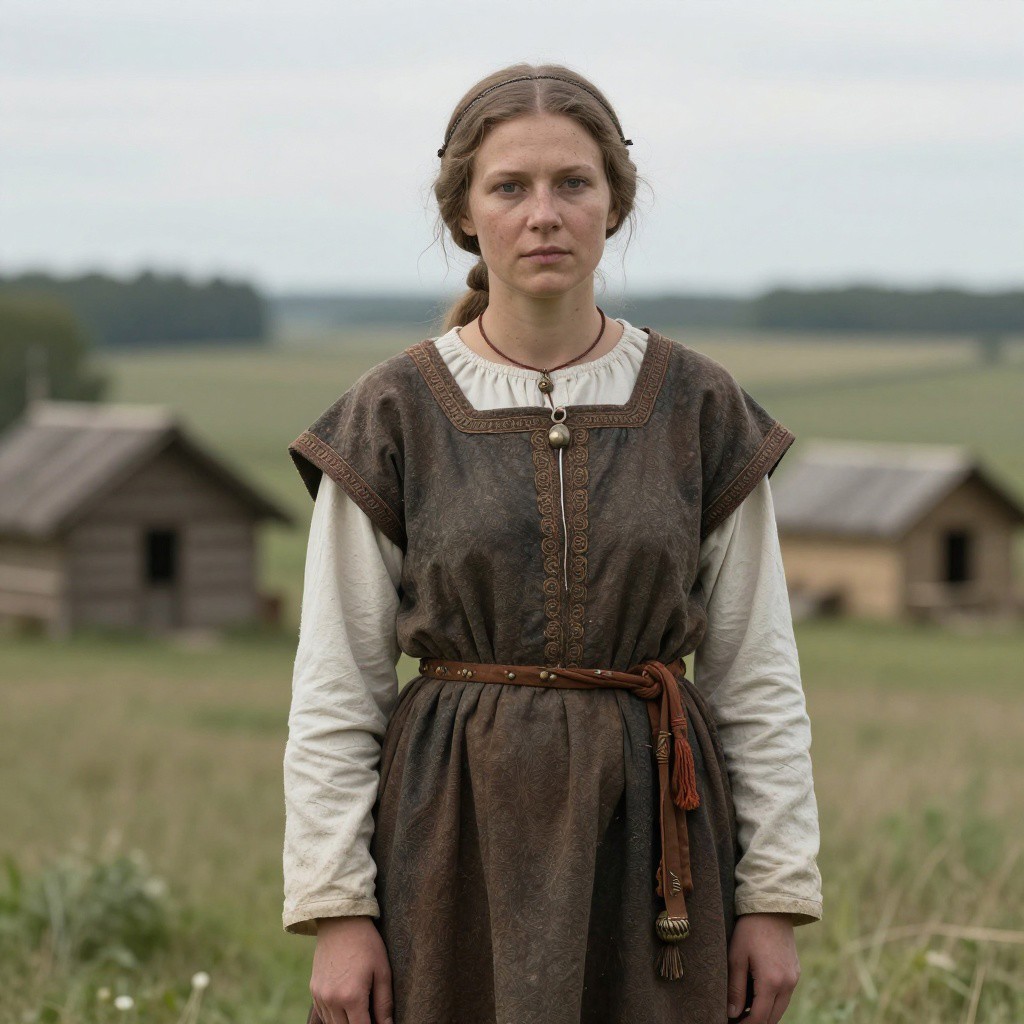
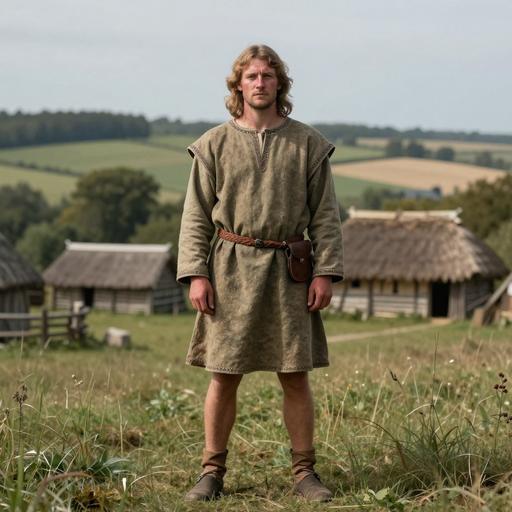
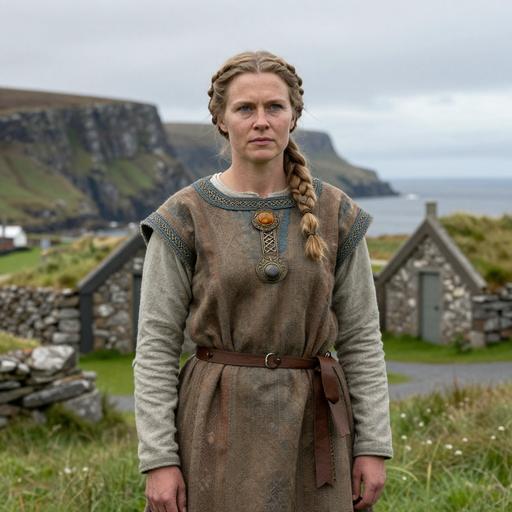
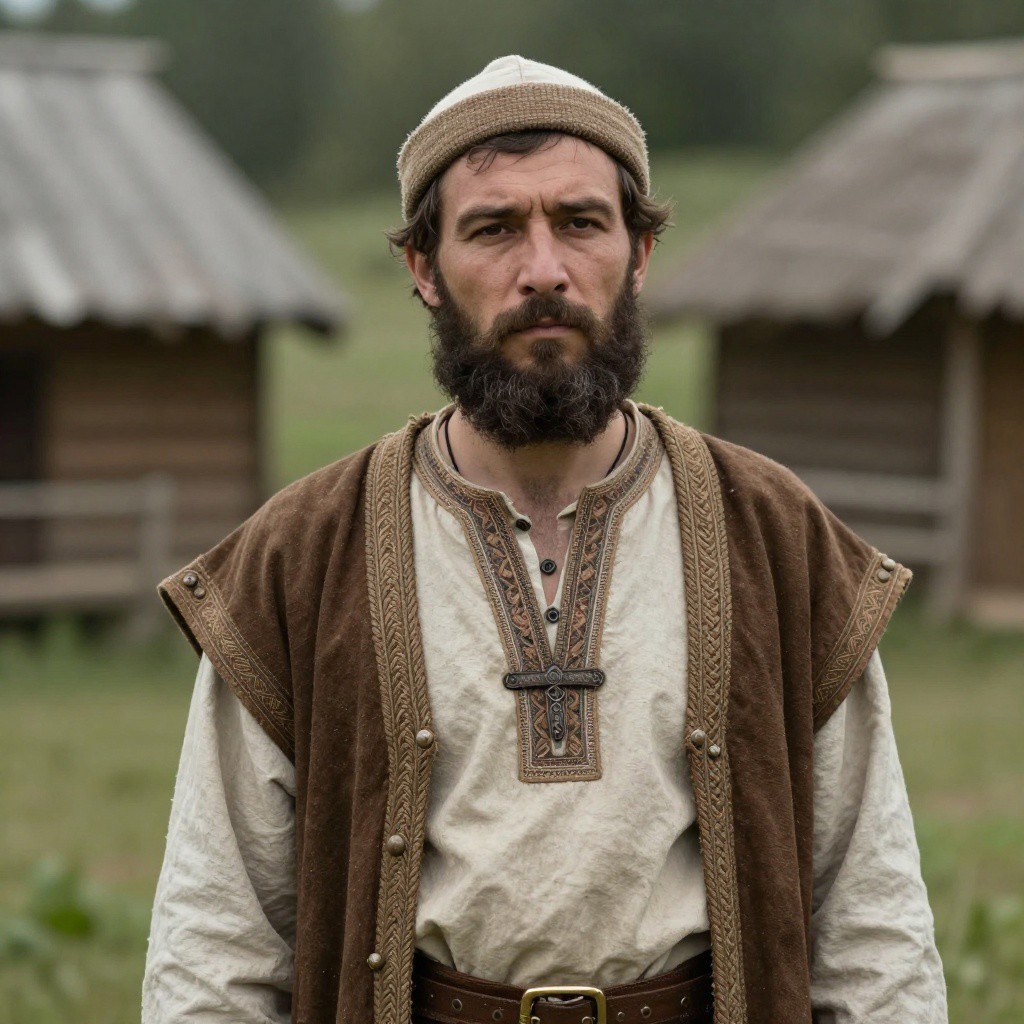
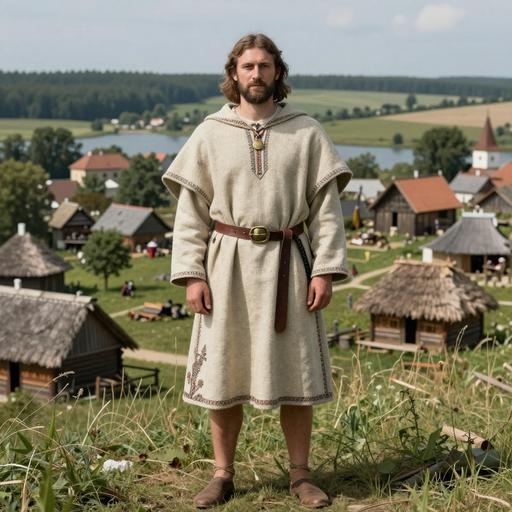
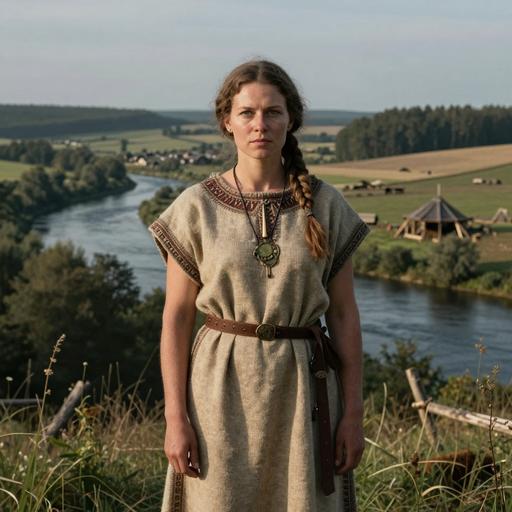
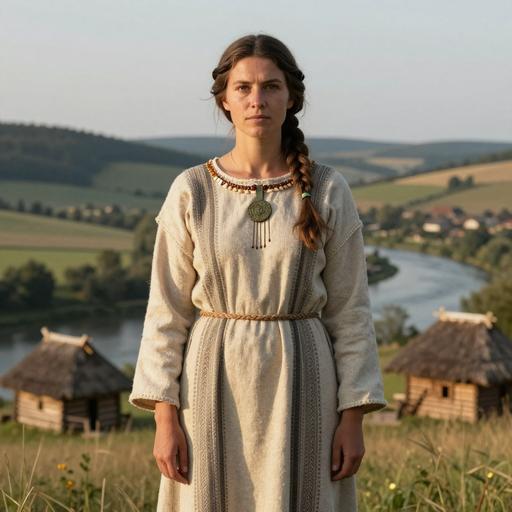
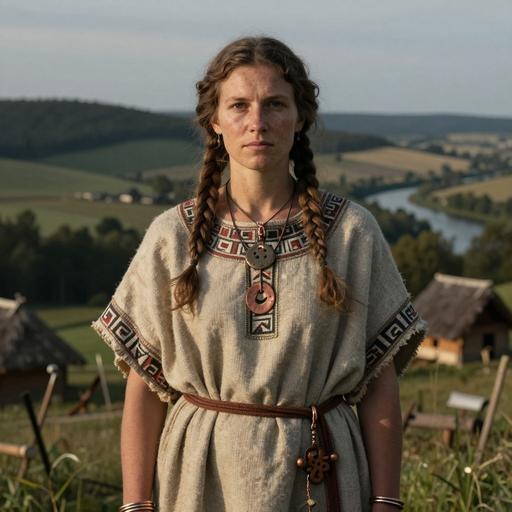
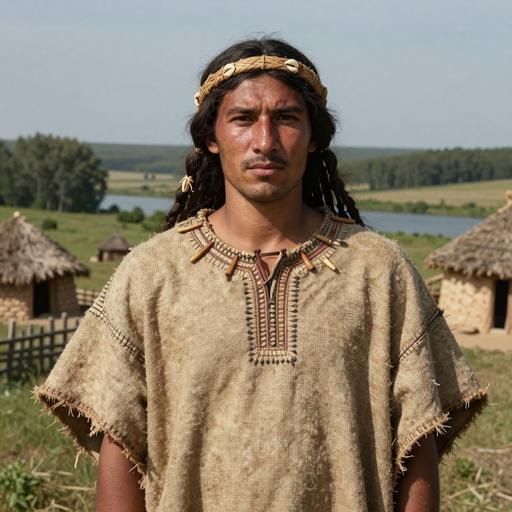
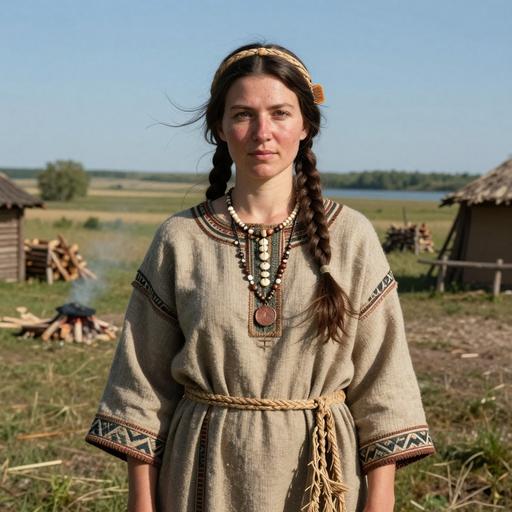
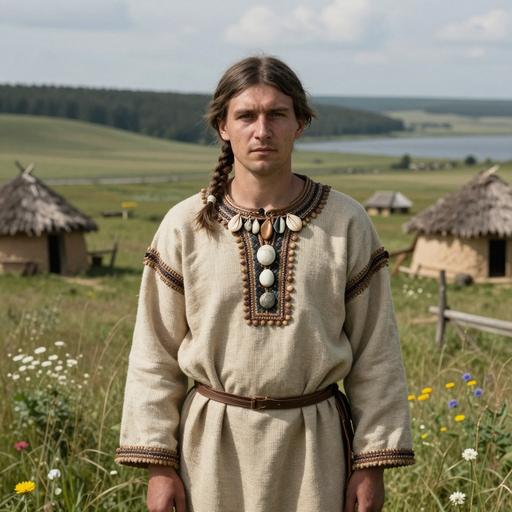
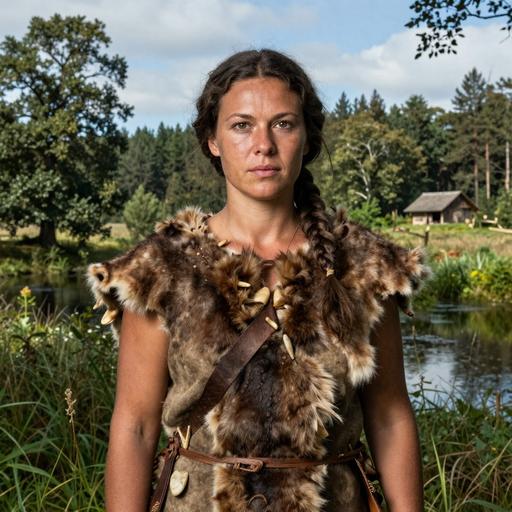
الصور الشخصية رسوم مولّدة بالذكاء الاصطناعي. تحدّد أسماء العينات ومعرّفات الإيداع السجلات المرجعية.

الصورة الشخصية العينة البلد الحقبة التاريخ الثقافة mtDNA نوع التطابق
صورة توضيحية مولّدة بالذكاء الاصطناعي للعينة EIA IA Sargatka individual, Western Siberia. Bitiya Burial Ground. Bitiya#228/23. mound 4, Russia (300-100 BCE)
معرّف العينة: BIY007
Russia Iron Age Sargat Culture, Russia 300-100 BCE Sargat Culture U4b1b1 تطابق مباشر
صورة توضيحية مولّدة بالذكاء الاصطناعي للعينة Kurgan EIA IA individual, Kurgan. Ketovsky District. Shmakovo Village. Shmakovo Burial Ground. mound 1, Russia (401-231 BCE)
معرّف العينة: SMV001
Russia Iron Age Sargat Culture, Russia 401-231 calBCE (2288±22 BP) Sargat Culture U4b1b1 تطابق مباشر
صورة توضيحية مولّدة بالذكاء الاصطناعي للعينة Punic individual, Carthage (Tunis), Tunisia (437-337 BCE)
معرّف العينة: I28504
Tunisia Tunisia Punic 409-365 calBCE (2315±20 BP, PSUAMS-11033) Punic Culture U4b1b1 تطابق مباشر
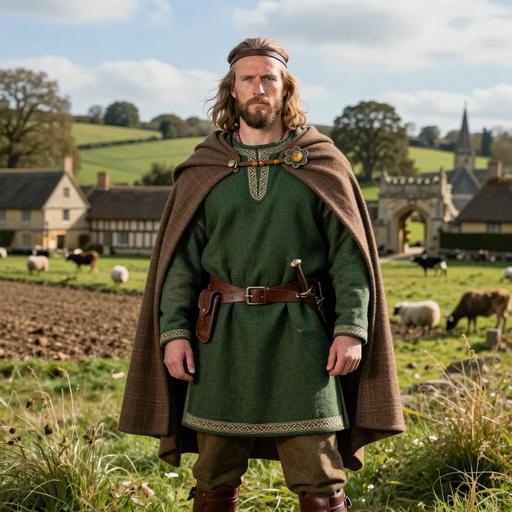
صورة توضيحية مولّدة بالذكاء الاصطناعي للعينة Avar individual, Leobersdorf (Lower Austria, Baden District), Austria (639-811 CE)
معرّف العينة: LEO026
Austria Austria Avar 650-800 CE Austria_Avar U4b1b1 تطابق مباشر
صورة توضيحية مولّدة بالذكاء الاصطناعي للعينة Avar individual, Leobersdorf (Lower Austria, Baden District), Austria (639-811 CE)
معرّف العينة: LEO046
Austria Austria Avar 650-800 CE Austria_Avar U4b1b1 تطابق مباشر
صورة توضيحية مولّدة بالذكاء الاصطناعي للعينة Avar individual, Leobersdorf (Lower Austria, Baden District), Austria (639-811 CE)
معرّف العينة: LEO047
Austria Austria Avar 650-800 CE Austria_Avar U4b1b1 تطابق مباشر
صورة توضيحية مولّدة بالذكاء الاصطناعي للعينة Avar individual, Leobersdorf (Lower Austria, Baden District), Austria (639-811 CE)
معرّف العينة: LEO048
Austria Austria Avar 650-800 CE Austria_Avar U4b1b1 تطابق مباشر
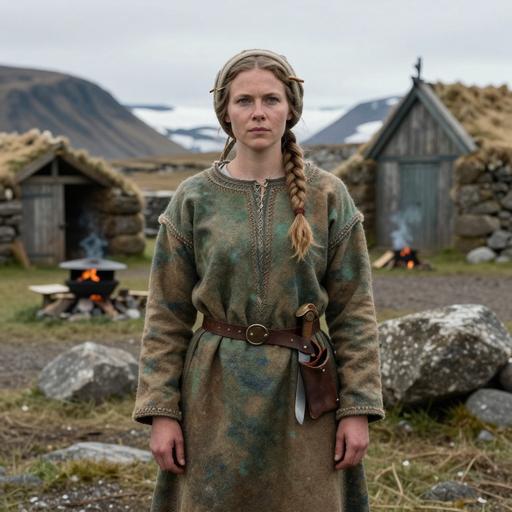
صورة توضيحية مولّدة بالذكاء الاصطناعي للعينة Dunum Medieval Saxon individual, Lower Saxony. Dunum, Germany (800-1,000 CE)
معرّف العينة: DUN011
Germany Saxon Medieval Dunum, Germany 800-1000 CE Saxon Dunum U4b1b1 تطابق مباشر
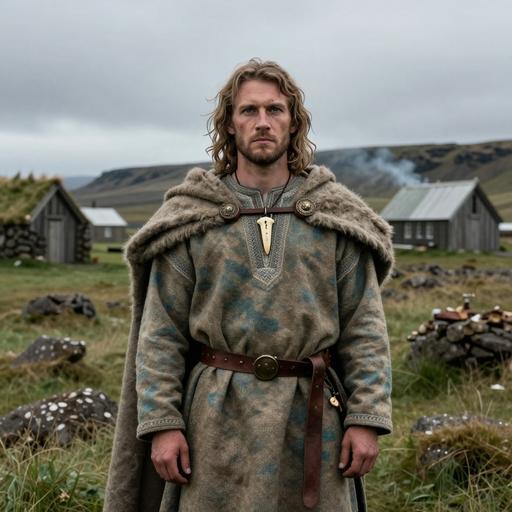
صورة توضيحية مولّدة بالذكاء الاصطناعي للعينة Norse individual, Scotland. Orkney. Brough Road Birsay, United Kingdom (880-1,160 CE)
معرّف العينة: VK207
United Kingdom Scotland Viking 880 CE - 1160 CE Norse-Scottish U4b1b1 تطابق مباشر
صورة توضيحية مولّدة بالذكاء الاصطناعي للعينة Viking individual, Scotland. Orkney. Brough Road Birsay, United Kingdom (880-1,160 CE)
معرّف العينة: VK207
United Kingdom The Viking Age 880 CE - 1160 CE U4b1b1 تطابق مباشر
أمومية · الحمض النووي القديم

خريطة الأدلة القديمة للسلالة

تتبّع الفروع الأصلية المؤدية إلى هذا الفرع واستكشف مواقع العثور على العينات القديمة المرتبطة به.

جارٍ تحميل السجلات القديمة…

تشير العلامات إلى مواقع الاكتشافات الأثرية. يشير الخط المتقطّع إلى انتقال جغرافي محتمل بين فرعين متتاليين تدعمه عدة سجلات مؤرّخة. لا يحدّد مسارًا دقيقًا أو مكان نشأة ولا يثبت انحدارًا مباشرًا. قد تنتمي عينات الفروع الأصلية إلى فروع متفرّعة أخرى. تبقى الفجوات حيث لا تكفي الأدلة. تختلف تواريخ العينات عن تواريخ نشأة المجموعات الفردانية.

الملف المرجعي

خريطة توزيع العينات

التوزيع الجغرافي لعينات الحمض النووي القديم المطابقة مباشرةً للمجموعة U4B1B1 أو لفروعها الفرعية. عدد العينات: 37

عينة مطابقة مباشرةً عينة من فرع فرعي
التصفية حسب الفترة
جميع الفترات
تُعرض جميع العينات
الملف المرجعي

التوزيع الزمني

توزيع العينات عبر الفترات الأثرية

الملف المرجعي

التوزيع الجغرافي

عدد العينات حسب بلدها المسجّل. تعكس الأعداد العينات المرجعية المتاحة دون قياس تواتر المجموعات الفردانية بين السكان.

الملف المرجعي

توزيع العينات حسب البلد والحقبة

قارن أعداد العينات المسجّلة حسب البلدان والفترات الأثرية. اختر خلية تحتوي على نتائج للاطّلاع على إحدى العينات.

البيانات

البيانات ومصادرها

معلومات المصادر وجودة البيانات

آخر تحديث 2026-02-16
درجة الثقة 50/100
التغطية Low

مصدر البيانات

يعكس التصنيف والتواريخ التقديرية والسياق الجغرافي البيانات المرجعية المسجّلة، وقد تتغيّر مع مراجعة الأدلة. تختلف تغطية العينات، ولا تثبت المواقع المسجّلة والارتباطات الأثرية الأصول الشخصية أو الهوية الثقافية.