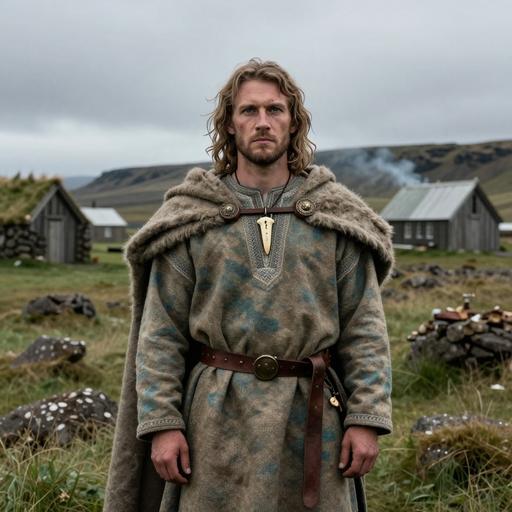
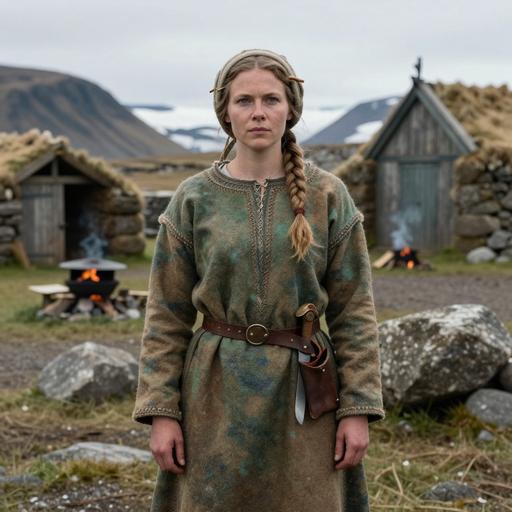
Menu
mtDNA Haplogroup • Maternal Lineage

U4B1B1

mtDNA Haplogroup U4B1B1

~9,000 years ago
Northern/Eastern Europe
2 subclades
Scroll to explore
Chapter I

The Story

The journey of mtDNA haplogroup U4B1B1

Origins and Evolution

mtDNA haplogroup U4B1B1 is a downstream branch of U4B1B, itself part of the broader U4 maternal lineage that is characteristic of postglacial western and northern Eurasian hunter-gatherer populations. U4 lineages are widely recognized from Mesolithic and later contexts across northern and eastern Europe and into northwestern Siberia. Based on the phylogenetic position beneath U4B1B (estimated ~12 kya) and observed diversity, U4B1B1 most plausibly coalesced in the Early Holocene (roughly ~9 kya) within the forest‑belt and forest‑steppe zones of Northern/Eastern Europe as human groups re-expanded into previously glaciated landscapes.

Archaeogenetic datasets identify U4 and its subclades as components of both Western Hunter-Gatherer (WHG) and Eastern Hunter-Gatherer (EHG)-related ancestries; U4B1B1 likely represents a regional persistence and local diversification of that hunter-gatherer maternal heritage after the Last Glacial Maximum.

Subclades (if applicable)

U4B1B1 is a terminal or near-terminal subclade in currently available phylogenies; it may contain further minor branching in modern and ancient datasets but remains low-frequency and sparsely resolved compared with major U4 branches. Where deeper sequencing is available, sub-branching appears limited, consistent with a localized origin and modest demographic expansion. The scarcity of many U4B1B1 carriers in modern populations means additional subclade resolution will depend on targeted complete mitogenome sampling from northern and eastern European and adjacent Asian groups.

Geographical Distribution

Modern distribution: U4B1B1 is most often observed at low to moderate frequency in Northern and Eastern European populations — notably in Scandinavia, the Baltic region, and northwest Russia — with sporadic occurrences further east into Siberia and low-level presence in parts of Central Asia and the Caucasus. Very rare incidental instances are reported in South Asia, likely reflecting later long-distance movements or isolated founder events.

Ancient DNA: The haplogroup has been reported in multiple archaeological contexts (18 samples in the referenced database), reinforcing an antiquity in northern Eurasia. Those ancient occurrences tend to cluster in Mesolithic to Bronze Age contexts, consistent with a pattern of local continuity of hunter-gatherer maternal lineages through the Neolithic transition and into later periods.

Taken together, the spatial pattern indicates a center of origin in Northern/Eastern Europe with limited but detectable eastward dispersal across the subarctic and forest-steppe corridors into Siberia and Central Asia.

Historical and Cultural Significance

U4B1B1 is best interpreted as a marker of postglacial hunter-gatherer maternal ancestry that persisted regionally even after the arrival of Neolithic farmers from the Near East. It appears in contexts associated with hunter-gatherer and mixed forager-farmer groups and occasionally in later Bronze Age populations. Archaeological cultures where U4 and related subclades are found include Mesolithic traditions (for example Kunda/Karelia-associated groups), Comb Ware/Comb Ceramic-related contexts in the eastern Baltic, and later steppe and corded-ware associated groups at low frequency. This persistence highlights continuity of maternal lines in northern landscapes where farmer ancestry was introduced but did not uniformly replace local maternal lineages.

The low frequency of U4B1B1 today, together with its punctate ancient occurrences, suggests that it represents a localized maternal legacy rather than a lineage that underwent a major continent‑wide expansion. Its presence in some Siberian and Central Asian populations reflects north Eurasian gene flow and the long-distance connections across northern Eurasia documented in multiple genetic studies.

Conclusion
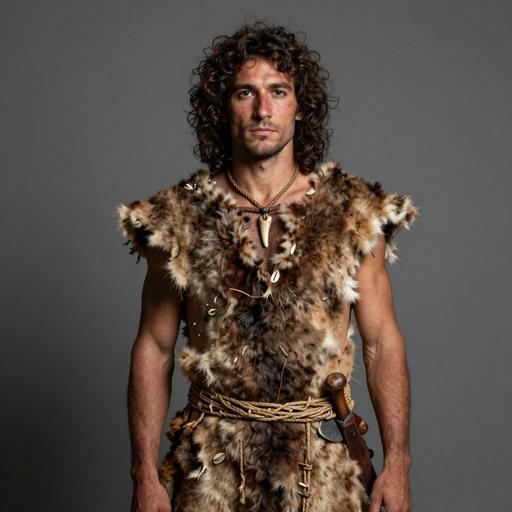
U4B1B1 is a geographically focused, low-frequency mtDNA subclade derived from the broader U4 hunter-gatherer maternal pool. Originating in Northern/Eastern Europe in the Early Holocene, it documents the endurance of local maternal ancestries through the Neolithic and Bronze Age in northern Eurasia and provides a useful marker for tracing regional continuity and north Eurasian connections in both modern and ancient populations. Further mitogenome sequencing in under-sampled northern and eastern regions will refine its internal structure and historical dynamics.

Key Points

  • Origins and Evolution
  • Subclades (if applicable)
  • Geographical Distribution
  • Historical and Cultural Significance
  • Conclusion
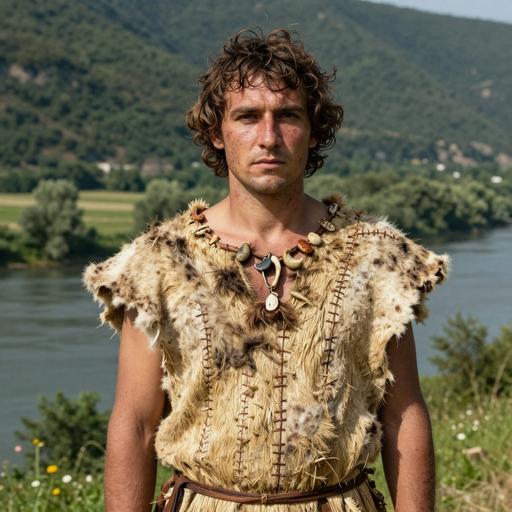
Chapter II

Tree & Relationships

Phylogenetic context and subclades

Evolution Path

This haplogroup's evolutionary journey from its earliest ancestor to the present.

Steps Haplogroup Age Estimate Archaeology Era Time Passed Immediate Descendants Tested Modern Descendants Ancient Connections
1 U4B1B1 Current ~9,000 years ago 🌾 Neolithic 9,000 years 2 19 0
2 U4B1B ~12,000 years ago 🌾 Neolithic 12,000 years 2 28 26
3 U4B1 ~15,000 years ago 🏹 Mesolithic 15,000 years 2 94 0
4 U4B ~15,000 years ago 🏹 Mesolithic 15,000 years 2 104 15
5 U4 ~20,000 years ago 🏹 Mesolithic 20,000 years 4 299 31
6 U ~46,000 years ago 🦴 Paleolithic 46,000 years 12 2,835 110
7 R ~60,000 years ago 🦴 Paleolithic 60,000 years 12 10,987 57
8 N ~60,000 years ago 🦴 Paleolithic 60,000 years 15 15,452 13
9 L3 ~70,000 years ago 🦴 Paleolithic 70,000 years 11 17,621 6
10 L ~160,000 years ago 🦴 Paleolithic 160,000 years 7 18,987 5

Siblings (1)

Other branches from the same parent haplogroup

Chapter III

Where in the World

Geographic distribution and modern presence

Place of Origin

Northern/Eastern Europe

Modern Distribution

The populations where mitochondrial haplogroup U4B1B1 is found include:

  1. Northern European populations (e.g., Scandinavia, Baltic region)
  2. Eastern European populations (e.g., northwest Russia, Baltic states, Ukraine)
  3. Siberian indigenous groups and northern Eurasian populations
  4. Central Asian populations (low to moderate frequency)
  5. Caucasus populations (low frequency)
  6. South Asian populations (very low frequency/incidental)
CHAPTER IV

When in Time

Your haplogroup in the context of human history

~10k years ago

Neolithic Revolution

Agriculture begins, settled communities form

~9k years ago

Haplogroup U4B1B1

Your mtDNA haplogroup emerged in Northern/Eastern Europe

Northern/Eastern Europe
~5k years ago

Bronze Age

Metalworking, writing, and early civilizations

~3k years ago

Iron Age

Iron tools, expanded trade networks

~2k years ago

Classical Antiquity

Greek and Roman civilizations flourish

Present

Present Day

Modern era

Your Haplogroup
Historical Era
Chapter IV-B

Linked Cultures

Ancient cultures associated with mtDNA haplogroup U4B1B1

Cultural Heritage

These ancient cultures have been linked to haplogroup U4B1B1 based on matching ancient DNA samples from archaeological excavations. The presence of this haplogroup in these cultures provides insights into the migrations and population movements of populations carrying this haplogroup.

Bell Beaker German Mesolithic Komornica Culture Norse-Scottish Poznań Środka Culture Serednii Stih Tollense Culture Ukrainian Neolithic Unetice Culture Volosovo Culture Yasinovatka
Culture assignments are based on archaeological context of ancient DNA samples and may represent regional associations during specific time periods.
Chapter V

Sample Catalog

18 direct carriers and 10 subclade carriers of haplogroup U4B1B1

28 / 28 samples
Portrait Sample Country Era Date Culture mtDNA Match
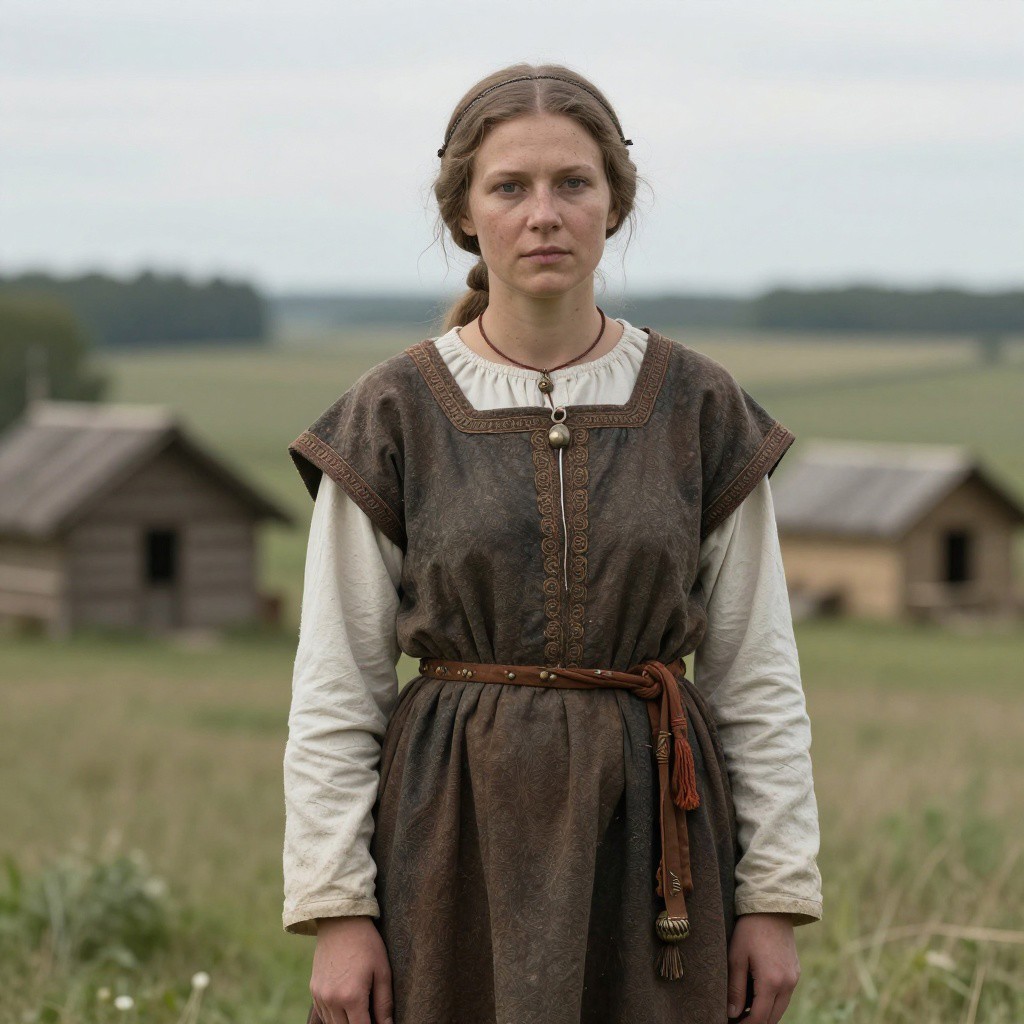
Portrait of ancient individual BIY007 from Russia, dated 300 BCE - 100 BCE
BIY007
Russia Iron Age Sargat Culture, Russia 300 BCE - 100 BCE Sargat Culture U4b1b1 Direct
Portrait of ancient individual SMV001 from Russia, dated 401 BCE - 231 BCE
SMV001
Russia Iron Age Sargat Culture, Russia 401 BCE - 231 BCE Sargat Culture U4b1b1 Direct
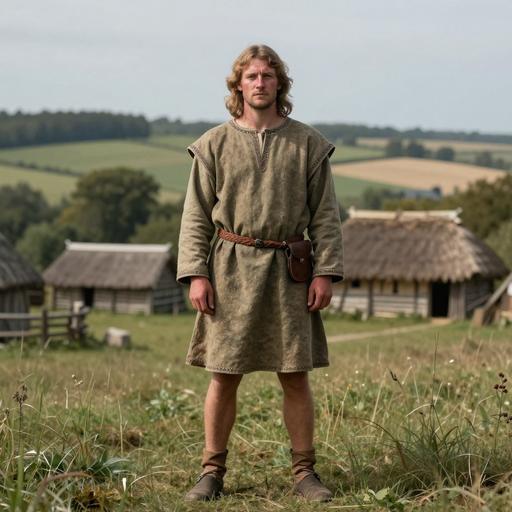
Portrait of ancient individual DUN011 from Germany, dated 800 CE - 1000 CE
DUN011
Germany Saxon Medieval Dunum, Germany 800 CE - 1000 CE Saxon Dunum U4b1b1 Direct
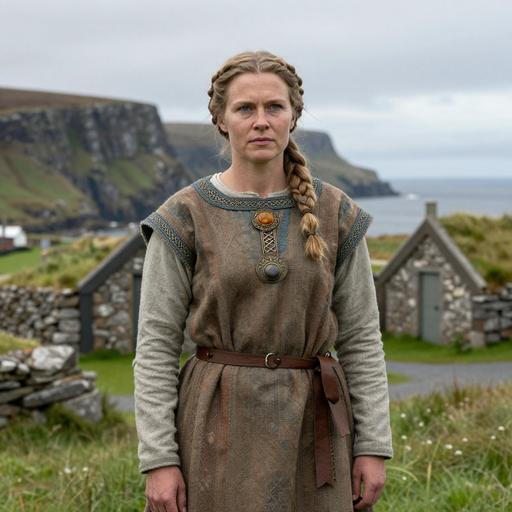
Portrait of ancient individual VK207 from United Kingdom, dated 880 CE - 1160 CE
VK207
United Kingdom The Viking Age in Scotland 880 CE - 1160 CE Norse-Scottish U4b1b1 Direct
Portrait of ancient individual VK207 from United Kingdom, dated 880 CE - 1160 CE
VK207
United Kingdom The Viking Age 880 CE - 1160 CE U4b1b1 Direct
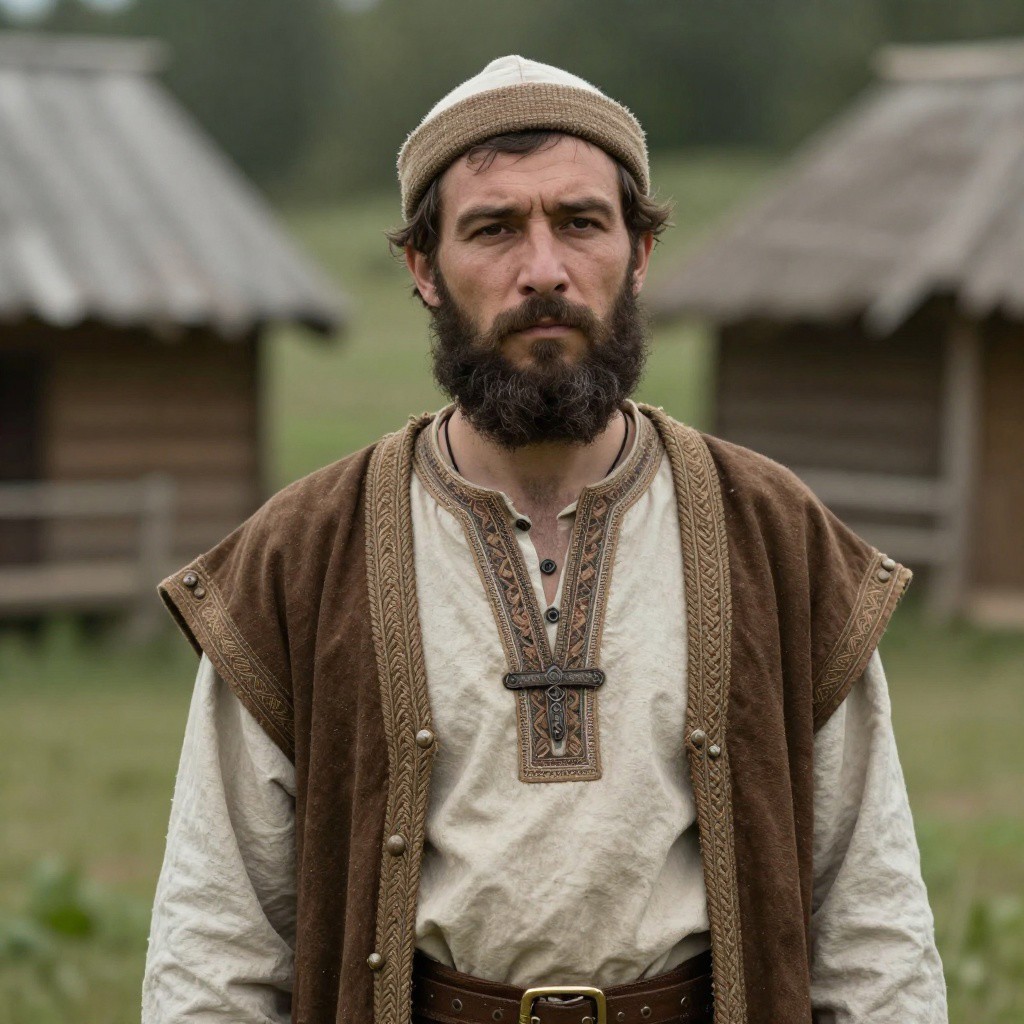
Portrait of ancient individual PCA0254 from Poland, dated 1000 CE - 1200 CE
PCA0254
Poland Iron Age Poznań Środka Culture 1000 CE - 1200 CE Poznań Środka Culture U4b1b1 Direct
Portrait of ancient individual WEZ61 from Germany, dated 1300 BCE - 1200 BCE
WEZ61
Germany Bronze Age Tollense Valley, Germany 1300 BCE - 1200 BCE Tollense Culture U4b1b1 Direct
Portrait of ancient individual WEZ61 from Germany, dated 1300 BCE - 1200 BCE
WEZ61
Germany Middle to Late Bronze Age Central Europe 1300 BCE - 1200 BCE U4b1b1 Direct
Portrait of ancient individual MIB002 from Czech Republic, dated 1884 BCE - 1749 BCE
MIB002
Czech Republic Early Bronze Age Unetice Culture, Bohemia, Czech Republic 1884 BCE - 1749 BCE Unetice Culture U4b1b1 Direct
Portrait of ancient individual VLI022 from Czech Republic, dated 2455 BCE - 2204 BCE
VLI022
Czech Republic Bell Beaker Culture, Bohemia, Czech Republic 2455 BCE - 2204 BCE Bell Beaker U4b1b1 Direct
Chapter VI

Carrier Distribution Map

Geographic distribution of 28 ancient DNA samples (direct and subclade carriers of U4B1B1)

Direct carrier Subclade carrier
Time Period Filter
All Time Periods
Showing all samples
Chapter VII

Temporal Distribution

Distribution of carriers across archaeological periods

Chapter VIII

Geographic Distribution

Distribution by country of origin (direct and subclade carriers shown by default)

Chapter IX

Country × Era Distribution

Cross-tabulation of carrier countries and archaeological periods (direct and subclade carriers shown by default)

Data

Data & Provenance

Source information and data quality

Last Updated 2026-02-16
Confidence Score 50/100
Coverage Low
Data Source

We use the latest phylotree for MTDNA haplogroup classification and data.