خلفية الفرع
السياق التاريخي لفرع U5a1 من سلالة mtDNA
Haplogroup U5a1 is a subclade of the mitochondrial DNA (mtDNA) haplogroup U5a, which itself is part of the larger haplogroup U5. As one of the oldest and most significant mtDNA lineages in Europe, U5a1 has deep genetic roots that date back to the Upper Paleolithic period, making it critical for understanding the genetic history of early human populations in Europe. The distribution of U5a1 is closely tied to ancient hunter-gatherer populations and provides insights into early migrations, population expansions, and the genetic continuity of European populations from the Paleolithic through the Neolithic and beyond.
Origin and Evolution
Haplogroup U5a is estimated to have originated around 25,000 to 30,000 years ago, and its subclade U5a1 likely emerged around 20,000 to 25,000 years ago. This period corresponds to the Last Glacial Maximum (LGM), when much of Europe was covered by ice. U5a1, like its parent haplogroup U5a, likely developed in the hunter-gatherer populations who survived the harsh climatic conditions in glacial refugia in southern Europe, such as the Iberian Peninsula and Italy.
As the climate warmed and the ice sheets retreated, populations carrying U5a1 expanded northward and eastward, contributing to the genetic landscape of Europe, particularly in Northern, Western, and Eastern Europe.
Geographic Distribution and Significance
Haplogroup U5a1 is primarily found in Europe, where it has been detected in both modern and ancient populations. It is most commonly associated with Northern and Eastern Europe, but it is also present in Western Europe and parts of Central Asia. Its distribution reflects the post-glacial expansion of European hunter-gatherers and their role in shaping the genetic diversity of the continent.
Northern Europe
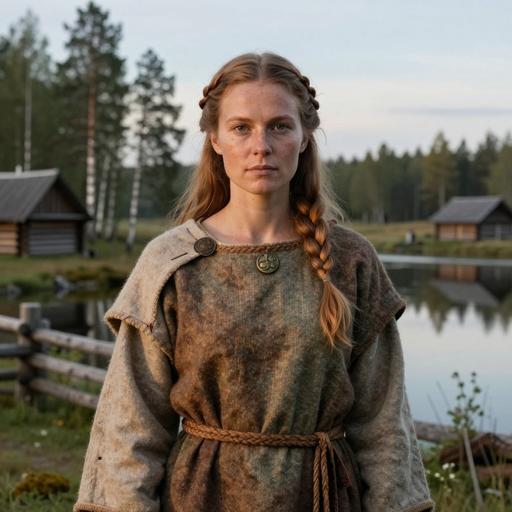
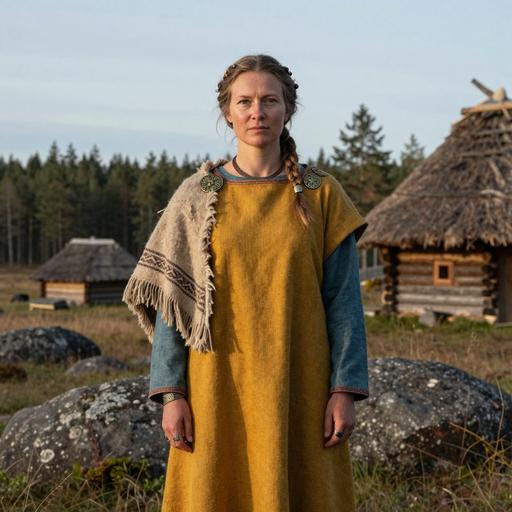
Scandinavia: U5a1 is prevalent in Scandinavia, particularly among the Saami people of Finland, Norway, and Sweden. The Saami have some of the highest frequencies of U5a1, which reflects their deep genetic connection to ancient European hunter-gatherer populations.
Finland: U5a1 is also found at high frequencies among Finnish populations, where it represents a significant portion of the mitochondrial DNA pool. Its presence in Finland and other parts of Northern Europe suggests that U5a1 was part of the genetic legacy of Mesolithic hunter-gatherers who recolonized northern Europe after the Last Glacial Maximum.
Eastern Europe
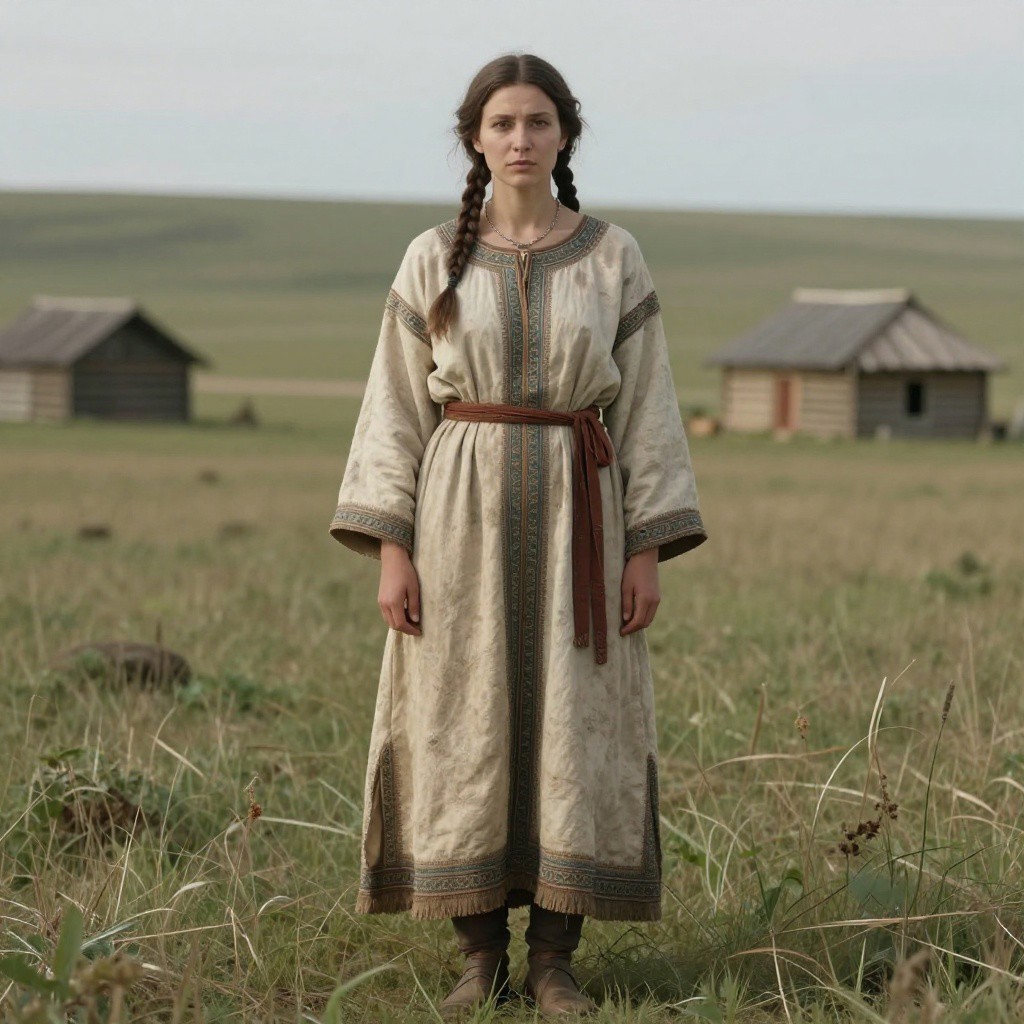
- Russia and Poland: U5a1 is present in Eastern European populations, particularly in Russia, Poland, and other Slavic populations. The distribution of U5a1 in Eastern Europe reflects the eastward spread of hunter-gatherer populations during the Mesolithic and Neolithic periods.
Western Europe
- British Isles and France: U5a1 has been found in populations from the British Isles and Western Europe, including France. Its presence in these regions highlights the role of U5a1 in the genetic makeup of ancient European populations, particularly those who lived in Western Europe during the Paleolithic and Mesolithic periods.
Role in Human Migration
Haplogroup U5a1 is significant for understanding the early migrations and expansions of human populations in Europe during the Upper Paleolithic, Mesolithic, and Neolithic periods. It represents a direct genetic link to the early hunter-gatherer populations who survived the Last Glacial Maximum and later recolonized much of Europe.
Post-Glacial Recolonization
After the Last Glacial Maximum, human populations carrying U5a1 expanded from glacial refugia in southern Europe into newly habitable areas of Northern and Eastern Europe. This post-glacial recolonization was a critical event in the shaping of Europe’s genetic landscape. As hunter-gatherer populations migrated into Scandinavia, Eastern Europe, and other parts of the continent, U5a1 became one of the dominant mitochondrial haplogroups in these regions.
Mesolithic Hunter-Gatherers
During the Mesolithic period (after the end of the Last Glacial Maximum, around 10,000 years ago), U5a1 continued to be an important mitochondrial lineage among European hunter-gatherers. These populations, particularly in Northern and Eastern Europe, played a key role in the genetic continuity of European populations as they adapted to new environmental conditions.
Neolithic Transition
Although U5a1 is most strongly associated with hunter-gatherer populations, it persisted in Europe during the Neolithic period, when farming communities from the Near East migrated into Europe, bringing new genetic lineages such as haplogroups H, J, and T. The presence of U5a1 in Neolithic remains suggests that hunter-gatherer groups continued to contribute to the genetic diversity of Europe, even as agriculture spread across the continent.
Ancient DNA and Archaeological Evidence
Ancient DNA studies have confirmed the presence of U5a1 in Paleolithic, Mesolithic, and Neolithic human remains across Europe, providing valuable insights into the genetic history of early European populations.
Paleolithic and Mesolithic Remains: U5a1 has been identified in human remains from both Paleolithic and Mesolithic archaeological sites in Western, Northern, and Eastern Europe. These findings confirm that U5a1 was a dominant haplogroup among early European populations, particularly among hunter-gatherers who lived during the Mesolithic period.
Neolithic Farmers: Although less common in Neolithic remains, U5a1 has been detected in some early farming communities, particularly in regions where hunter-gatherers and Neolithic farmers intermingled. This suggests that U5a1 persisted in certain regions of Europe during the Neolithic period.
Subclades of Haplogroup U5a1
Haplogroup U5a1 is further divided into several subclades, each with its own geographic distribution and historical significance:
U5a1a: This subclade is found across Northern and Western Europe and has been detected in ancient hunter-gatherer remains. It is closely associated with populations from the British Isles, France, and Scandinavia.
U5a1b: U5a1b is found at significant frequencies in Eastern Europe and Russia. It likely reflects the ancient eastward migrations of European hunter-gatherer populations and their interactions with other groups in the region.
Modern Distribution and Frequency
Today, haplogroup U5a1 is found at varying frequencies across Europe, with its highest concentrations in Northern and Eastern Europe:
Scandinavia: U5a1 is found at high frequencies among the Saami people and Finns, where it accounts for a significant portion of the mitochondrial DNA in these populations. In the Saami, it can make up to 40% of the mitochondrial gene pool.
Eastern Europe: U5a1 is present at moderate frequencies in Russia, Poland, and other Eastern European populations, where it reflects the ancient genetic legacy of European hunter-gatherers.
Western Europe: U5a1 is found at lower frequencies in Western European populations, including in France, Britain, and the Iberian Peninsula.
Genetic and Evolutionary Significance
Haplogroup U5a1 is one of the oldest mitochondrial DNA lineages in Europe and represents a direct genetic link to the continent’s earliest human inhabitants. Its presence in Paleolithic and Mesolithic populations highlights the long-term genetic continuity of European hunter-gatherers, who played a critical role in shaping the genetic diversity of modern European populations.
As one of the key mitochondrial lineages in ancient European populations, U5a1 provides important insights into early human migrations, the survival of hunter-gatherer groups during the Last Glacial Maximum, and the genetic contributions of these groups to modern Europeans.
Conclusion
Haplogroup U5a1 is a mitochondrial DNA lineage that originated around 20,000 to 25,000 years ago and played a critical role in the genetic history of Europe. Closely associated with Paleolithic and Mesolithic hunter-gatherer populations, U5a1 is particularly prevalent in Northern and Eastern Europe, where it has persisted for thousands of years.
Today, U5a1 is found at high frequencies in Scandinavia, especially among the Saami, and remains an important genetic marker for studying the early human migrations that shaped the genetic landscape of Europe. As one of the oldest mitochondrial haplogroups in Europe, U5a1 provides valuable insights into the ancient history of the continent and the genetic diversity of modern European populations.
أبرز النقاط
- Origin and Evolution
- Geographic Distribution and Significance
- Role in Human Migration
- Ancient DNA and Archaeological Evidence
- Subclades of Haplogroup U5a1