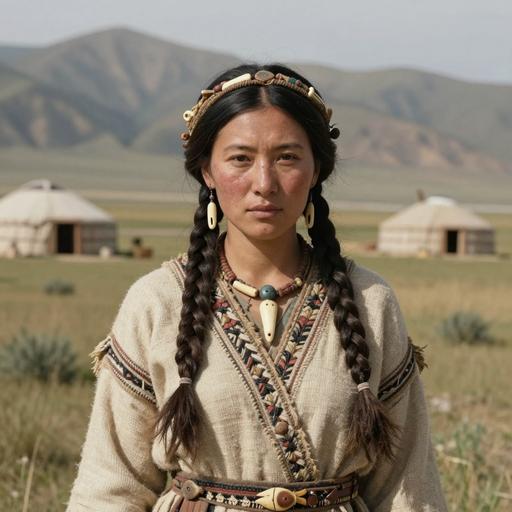
ملف مرجعي لفرع واحد من السلالة. لا تثبت المجموعات الفردانية المشتركة صلة عائلية ولا تحدّد الهوية الثقافية.
الملف المرجعي
خلفية الفرع
السياق التاريخي لفرع U5A1B من سلالة mtDNA
Origins and Evolution
mtDNA haplogroup U5A1B is a downstream branch of U5a1, itself part of the broader haplogroup U5, one of the oldest and most characteristic maternal lineages of European hunter-gatherers. U5 lineages expanded and differentiated during and after the Last Glacial Maximum (LGM); based on the phylogenetic position of U5a1 and archaeological context of related lineages, U5A1B most plausibly arose in northern or northeastern Europe during the late Paleolithic to early Mesolithic (roughly the early postglacial period, on the order of ~12 kya). As a derived subclade of U5a1, U5A1B represents a continuation of maternal lines that were present in European hunter-gatherer refugia and that participated in the postglacial recolonization of higher latitudes.
Subclades
U5A1B is a defined descendant of U5a1; depending on sequencing resolution and sample coverage, there may be further downstream branches recognized in modern and ancient datasets (for example population-specific sublineages in Scandinavia or the eastern Baltic). Where high-resolution mitochondrial genomes are available, researchers sometimes identify private or regionally localized branches beneath U5A1B that reflect later drift and founder effects, particularly in small or isolated populations.
Geographical Distribution
U5A1B has its strongest representation in Northern and Eastern Europe, with notable frequencies and continuity in Scandinavia and the Baltic region. It is recorded at elevated frequencies among indigenous northern European groups such as the Saami, and it occurs in various proportions across Central and Western Europe. Low-frequency occurrences have been observed in the Caucasus, parts of Central Asia, and North Africa, likely resulting from complex prehistoric and historic gene flow and episodic migrations. In the ancient DNA record U5A1B and closely related U5a lineages appear across Mesolithic and some later contexts in northern Europe; your database notes 26 ancient samples attributed to this lineage, consistent with persistence across multiple periods.
Historical and Cultural Significance
Because U5 and its subclades are strongly associated with European hunter-gatherer populations, U5A1B is often interpreted as a marker of maternal continuity from Mesolithic populations into later periods in northern Europe. In areas such as Fennoscandia and the eastern Baltic, the lineage is tied to the genetic substrate of indigenous groups and can reveal patterns of survival in postglacial refugia and subsequent local expansions or persistence. During the Neolithic and Bronze Age, the frequency of U5-derived lineages typically declines in many regions due to the incoming farmer-associated mtDNA but persists in northern and more isolated populations. Where U5A1B occurs in Bronze Age or later contexts, it can reflect local continuity, admixture with incoming groups, or population structure maintained by small communities.
Conclusion
U5A1B is best understood as a regional, hunter-gatherer-derived maternal lineage that emerged after the LGM in northern or northeastern Europe and persisted through the Mesolithic into later periods, particularly in northern and indigenous populations such as the Saami. Its distribution in modern and ancient samples highlights patterns of postglacial recolonization, local founder effects, and subsequent interactions with incoming cultural complexes; continued high-resolution mitogenome sequencing and denser ancient sampling will further refine the internal branching and geographic history of U5A1B.
أبرز النقاط
Origins and Evolution
Subclades
Geographical Distribution
Historical and Cultural Significance
Conclusion
الملف المرجعي
شجرة السلالة والفروع المرتبطة
موضع الفرع في شجرة السلالة وفروعه الفرعية
مسار تفرّع السلالة
تتبّع الفروع الأصلية المسجّلة وصولًا إلى U5A1B. التواريخ تقديرية وقد تتغيّر عند تحديث البيانات المرجعية.
The populations where mtDNA haplogroup U5A1B is found include:
Northern European populations (e.g., Scandinavia)
Indigenous Saami populations of northern Scandinavia
Eastern European populations (Baltic region, parts of Russia)
Central and Western European populations (lower to moderate frequencies)
Caucasus populations (low frequency)
Some Central Asian and North African populations (sporadic, low frequency)
السياق التاريخي
تاريخ الفرع
تقدير زمن نشأة الفرع ضمن تسلسل تاريخي عام. توفّر الفترات سياقًا زمنيًا دون إثبات صلة بثقافات بعينها.
~12k سنة مضت
المجموعة الفردانية U5A1B
تقدير نشأة فرع mtDNA. التواريخ والمواقع تقديرات مرجعية.
هذا الفرع
~10k سنة مضت
ثورة العصر الحجري الحديث
ظهور الزراعة وتشكّل المجتمعات المستقرّة
~5k سنة مضت
العصر البرونزي
صناعة المعادن والكتابة والحضارات المبكرة
~3k سنة مضت
العصر الحديدي
أدوات الحديد واتّساع شبكات التجارة
~2.5k سنة مضت
العصور الكلاسيكية القديمة
ازدهار الحضارتين اليونانية والرومانية
Present
الحاضر
العصر الحديث
الملف المرجعي
السياق الأثري
الارتباطات الأثرية المسجّلة لفرع U5A1B من mtDNA
الارتباطات المسجّلة
تصف هذه التسميات السياقات الأثرية المسجّلة للعينات المرجعية المرتبطة بـ U5A1B. لا يثبت الارتباط انتماء جميع حاملي الفرع إلى ثقافة بعينها أو اتّباعهم مسار هجرة محدّدًا.
BoyanovoCorded Ware CultureEurasian SteppeFatyanovoPoltavkaRussia_MBA_CaucasusRussia_Orenburg_EBA_YamnayaRussia_Samara_Eneolithic_EkaterinovkaUkrainian Neolithic
يستند تصنيف الثقافات إلى السياق الأثري لعينات الحمض النووي القديم، وقد يعكس ارتباطات إقليمية خلال فترات محدّدة.
الملف المرجعي
فهرس العينات
عينات المجموعة الفردانية U5A1B: 24 مطابقة مباشرة و@downstreamCount من الفروع الفرعية
10 معروضة · 50 عينة مطابقة
لا توجد عينات تطابق عوامل التصفية. جرّب تسمية أو موقعًا أو فترة أخرى.
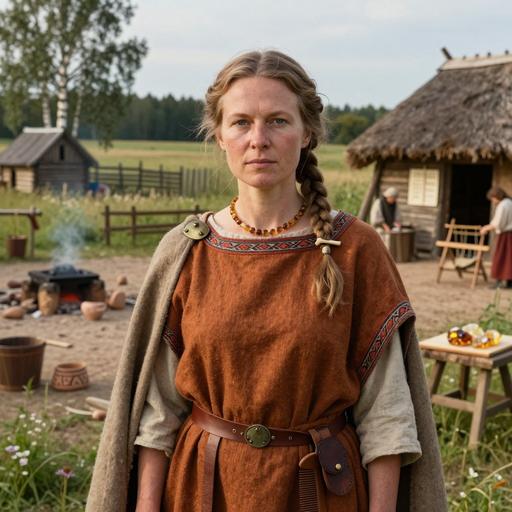
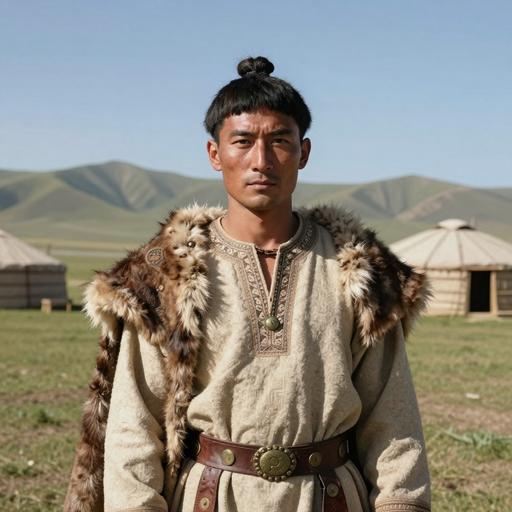
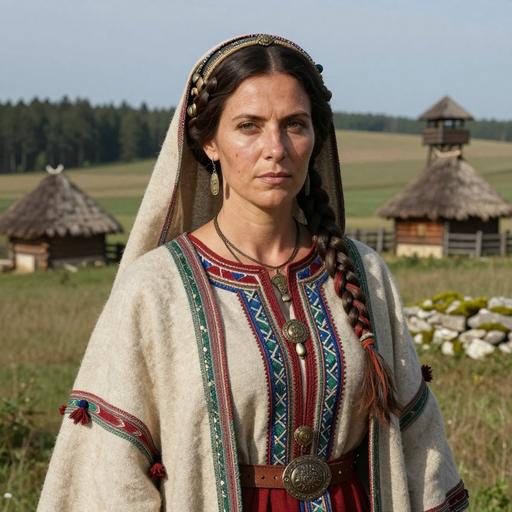
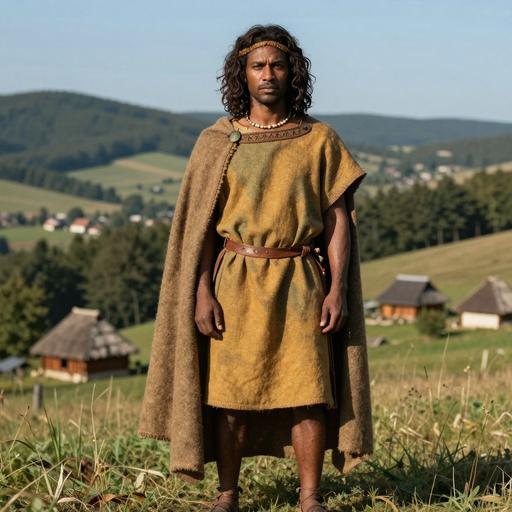
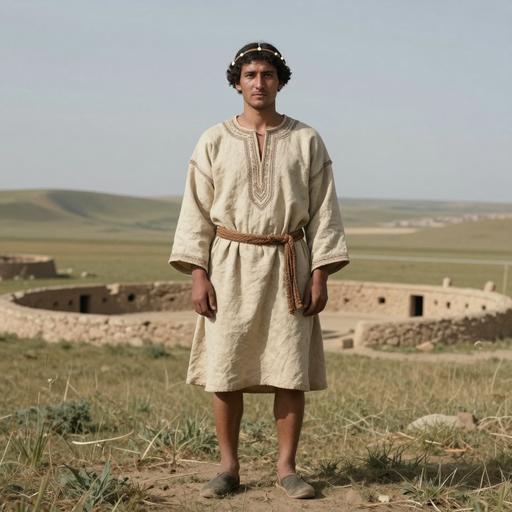
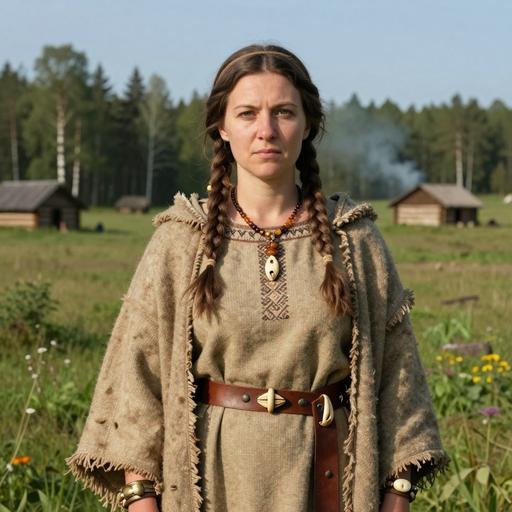
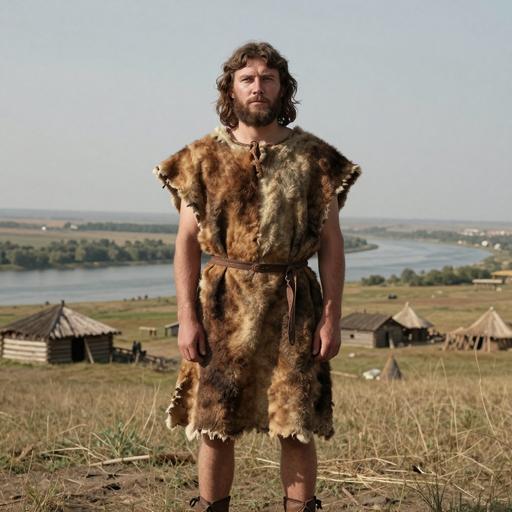
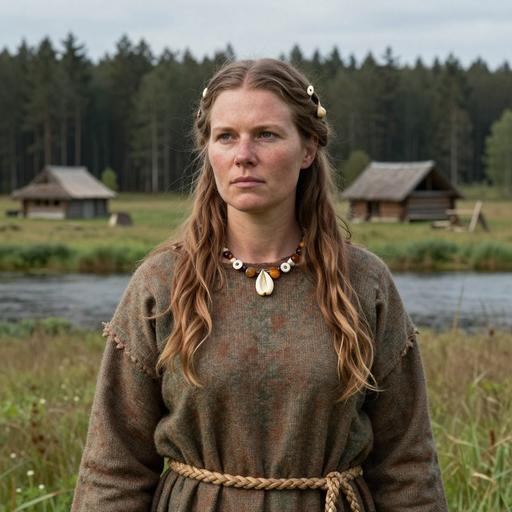
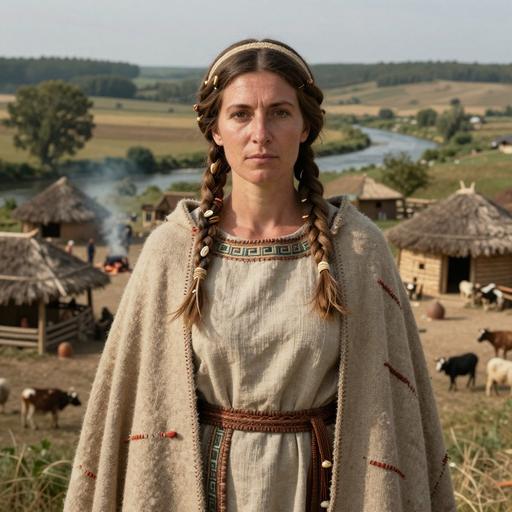
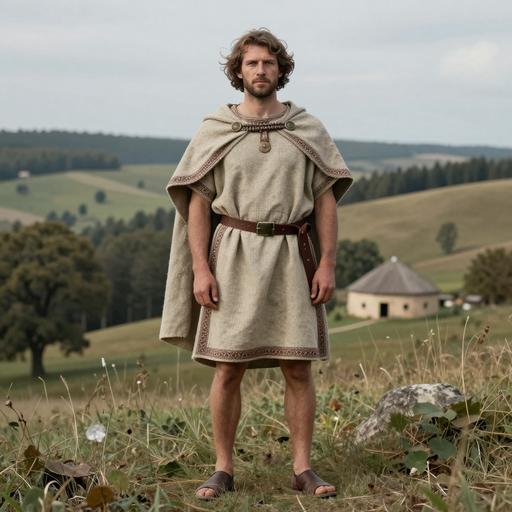
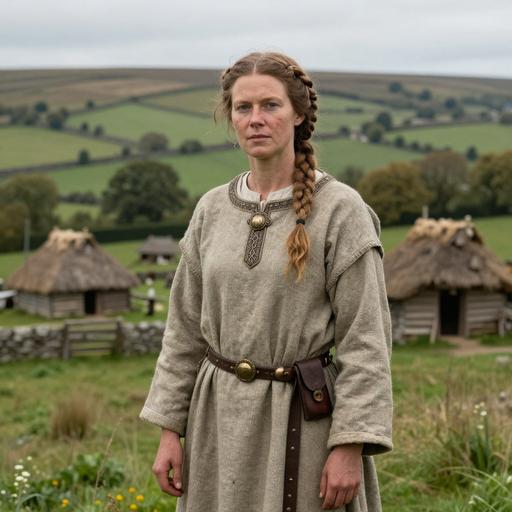
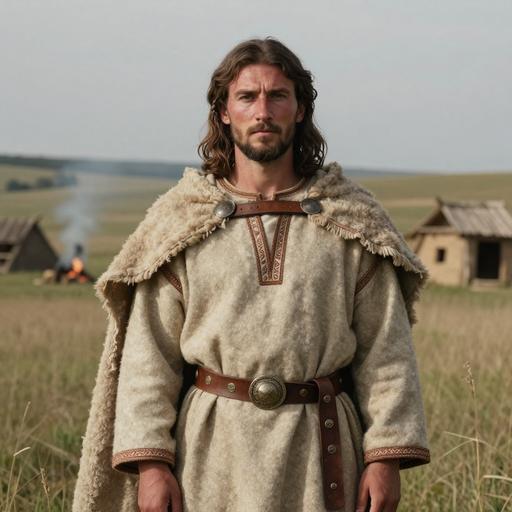
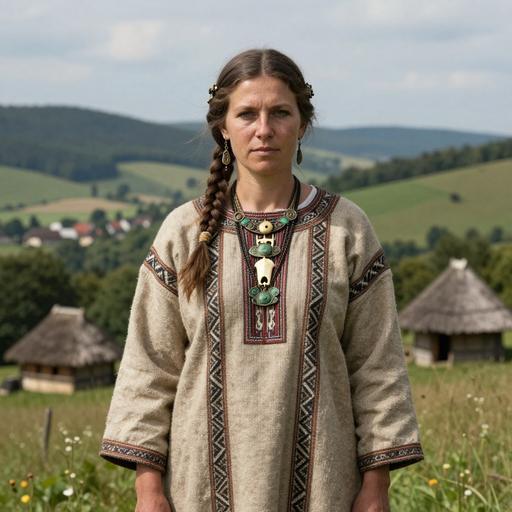
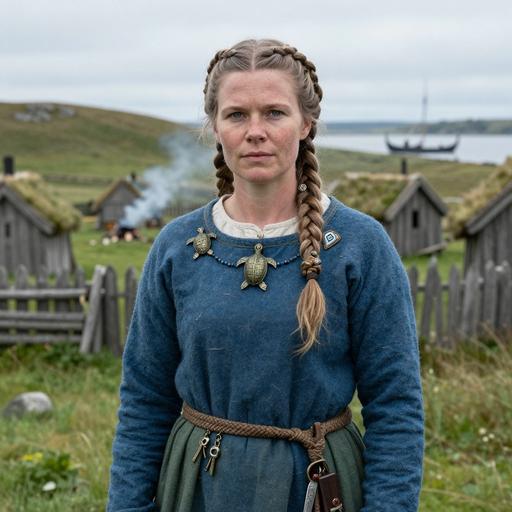
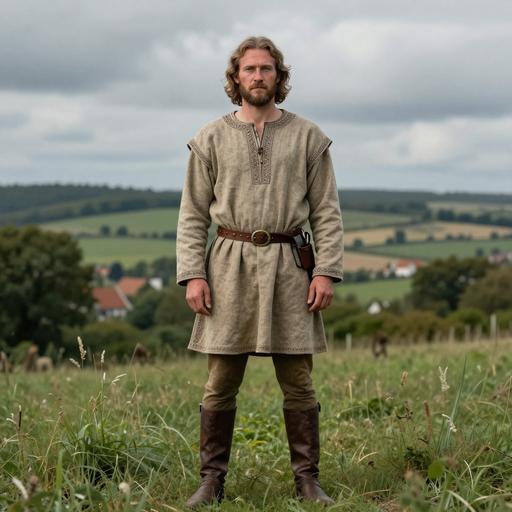
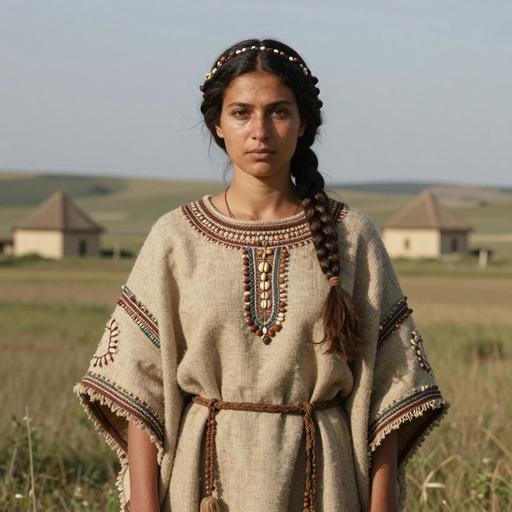
الصور الشخصية رسوم مولّدة بالذكاء الاصطناعي. تحدّد أسماء العينات ومعرّفات الإيداع السجلات المرجعية.
الصورة الشخصية
العينة
البلد
الحقبة
التاريخ
الثقافة
mtDNA
نوع التطابق
معرّف العينة: PCA0473
Poland
Wielbark Culture
100-300 CE
Wielbark
U5a1b
تطابق مباشر
معرّف العينة: I18832
Hungary
Hungary IA LaTene
350-200 BCE
La Tene Culture
U5a1b
تطابق مباشر
معرّف العينة: I17314
Czech Republic
Iron Age La Tène Culture, Czech Republic
400-200 BCE
La Tène Culture
U5a1b
تطابق مباشر
معرّف العينة: C1649
China
China Xinjiang Wutulan IA
450-50 BCE
Wutulan Culture
U5a1b
تطابق مباشر
معرّف العينة: RKF151
Hungary
Hungary LateAvar
650-900 CE
Avar Culture
U5a1b
تطابق مباشر
معرّف العينة: RKF158
Hungary
Hungary LateAvar
650-900 CE
Avar Culture
U5a1b
تطابق مباشر
معرّف العينة: RKF221
Hungary
Hungary LateAvar
650-900 CE
Avar Culture
U5a1b
تطابق مباشر
معرّف العينة: CHL006
Czech Republic
Early Bronze Age Unetice Culture, Bohemia, Czech Republic
2030-1882 calBCE (3591±28 BP, MAMS-40618)
Unetice Culture
U5a1b
تطابق مباشر
معرّف العينة: BNL009
Czech Republic
Early Bronze Age Unetice Culture, Bohemia, Czech Republic
Early Bronze Age Unetice Culture, Poland - Poland - Przeclawice
Poland Poland EBA Unetice 1886 BCE - 1691 BCE
U5a1b1فرع فرعي
معرّف العينة: RISE150
Poland The Unetice Culture 1886 BCE - 1691 BCE
U5a1b1فرع فرعي
معرّف العينة: I23212
The Maros Culture in Serbia - Serbia - North Banat. Kikinda. Mokrin
Serbia The Maros Culture in Serbia 2100-1800 BCE
U5a1b1فرع فرعي
معرّف العينة: PDA001
Early Bronze Age Unetice Culture, Bohemia, Czech Republic - Czech Republic - Bohemia. Praha-Ďáblice
Czech Republic Early Bronze Age Unetice Culture, Bohemia, Czech Republic 2140-1973 calBCE (3675±22 BP, MAMS-30755)
U5a1b1فرع فرعي
معرّف العينة: I13468
Early Bronze Age Unetice Culture, Czech Republic - Czech Republic - Central Bohemia. Prague 5. Prague-Stodůlky (Malá Ohrada site)
Czech Republic Early Bronze Age Unetice Culture, Czech Republic 2150-1850 BCE
U5a1b1فرع فرعي
معرّف العينة: PDA004
Early Bronze Age Unetice Culture, Bohemia, Czech Republic - Czech Republic - Bohemia. Praha-Ďáblice
Czech Republic Early Bronze Age Unetice Culture, Bohemia, Czech Republic 2197-2035 calBCE (3717±20 BP, MAMS-30757)
U5a1b1فرع فرعي
معرّف العينة: PDA002
Early Bronze Age Unetice Culture, Bohemia, Czech Republic - Czech Republic - Bohemia. Praha-Ďáblice
Czech Republic Early Bronze Age Unetice Culture, Bohemia, Czech Republic 2199-2035 calBCE (3720±21 BP, MAMS-30756)
U5a1b1فرع فرعي
معرّف العينة: LEU034
Early Bronze Age Unetice Culture, Germany - Germany - Leubingen-1 (Thüringen, Kyffhäuserkreis)
Germany Early Bronze Age Unetice Culture, Germany 2200-2000 BCE
U5a1b1فرع فرعي
معرّف العينة: LEU009
Early Bronze Age Unetice Culture, Germany - Germany - Leubingen-1 (Thüringen, Kyffhäuserkreis)
Germany Early Bronze Age Unetice Culture, Germany 2150-2000 BCE
U5a1b1فرع فرعي
معرّف العينة: KO7003
Early Bronze Age Unetice Culture, Bohemia, Czech Republic - Czech Republic - Bohemia. Kolín VII
Czech Republic Early Bronze Age Unetice Culture, Bohemia, Czech Republic 2284-2046 calBCE (3761±24 BP, MAMS-30793)
U5a1b1فرع فرعي
معرّف العينة: PDA003
Early Bronze Age Unetice Culture, Bohemia, Czech Republic - Czech Republic - Bohemia. Praha-Ďáblice
Czech Republic Early Bronze Age Unetice Culture, Bohemia, Czech Republic 2286-2050 calBCE (3765±24 BP, MAMS-38479)
U5a1b1فرع فرعي
معرّف العينة: EHU001
Chalcolithic Spain - Spain - Castilla y León. Burgos. Monasterio de Rodilla. El Hundido
Spain Spain C 2287-2044 cal BCE (3760±30 BP, Beta-492280)
U5a1b1فرع فرعي
معرّف العينة: C2049
The Bronze Age Chemurcheck culture - China - Xinjiang. Aletai Region. Qinghe County. Chaganguole
China The Bronze Age Chemurcheck culture 2450-2100 BCE
U5a1b1فرع فرعي
أمومية · الحمض النووي القديم
خريطة الأدلة القديمة للسلالة
تتبّع الفروع الأصلية المؤدية إلى هذا الفرع واستكشف مواقع العثور على العينات القديمة المرتبطة به.
جارٍ تحميل السجلات القديمة…
الحركة المخفّضة مفعّلة. استخدم التسلسل الزمني أو زر عرض الكل للاستكشاف بالسرعة التي تناسبك.
اعرض السجلات في جدول
السجلات القديمة المعروضة حسب الفرع والفترة ومنتصف النطاق الزمني
الفرع
الفترة
النطاق الزمني
العينة
معرّف العينة
الموقع
المجموعة الفردانية
نوع الارتباط
تشير العلامات إلى مواقع الاكتشافات الأثرية. يشير الخط المتقطّع إلى انتقال جغرافي محتمل بين فرعين متتاليين تدعمه عدة سجلات مؤرّخة. لا يحدّد مسارًا دقيقًا أو مكان نشأة ولا يثبت انحدارًا مباشرًا. قد تنتمي عينات الفروع الأصلية إلى فروع متفرّعة أخرى. تبقى الفجوات حيث لا تكفي الأدلة. تختلف تواريخ العينات عن تواريخ نشأة المجموعات الفردانية.
يجمع التصنيف حسب الحقبة التاريخية العينات من جميع فروع هذه السلسلة وفق زمن عيش كل شخص قديم. لا يمثّل تسلسل هجرة أو مسارًا زمنيًا لشخص عبر الحقب.
الملف المرجعي
خريطة توزيع العينات
التوزيع الجغرافي لعينات الحمض النووي القديم المطابقة مباشرةً للمجموعة U5A1B أو لفروعها الفرعية. عدد العينات: 55
عينة مطابقة مباشرةً عينة من فرع فرعي
التصفية حسب الفترة
جميع الفترات
تُعرض جميع العينات
الملف المرجعي
التوزيع الزمني
توزيع العينات عبر الفترات الأثرية
الملف المرجعي
التوزيع الجغرافي
عدد العينات حسب بلدها المسجّل. تعكس الأعداد العينات المرجعية المتاحة دون قياس تواتر المجموعات الفردانية بين السكان.
الملف المرجعي
توزيع العينات حسب البلد والحقبة
قارن أعداد العينات المسجّلة حسب البلدان والفترات الأثرية. اختر خلية تحتوي على نتائج للاطّلاع على إحدى العينات.
البيانات
البيانات ومصادرها
معلومات المصادر وجودة البيانات
آخر تحديث2026-02-16
درجة الثقة50/100
التغطيةLow
مصدر البيانات
يعكس التصنيف والتواريخ التقديرية والسياق الجغرافي البيانات المرجعية المسجّلة، وقد تتغيّر مع مراجعة الأدلة. تختلف تغطية العينات، ولا تثبت المواقع المسجّلة والارتباطات الأثرية الأصول الشخصية أو الهوية الثقافية.