انتقل إلى المحتوى الرئيسي
Y-DNA · سلالة أبوية

A

Y-DNA Haplogroup A

ملف مرجعي لفرع واحد من السلالة. لا تثبت المجموعات الفردانية المشتركة صلة عائلية ولا تحدّد الهوية الثقافية.

الملف المرجعي

خلفية الفرع

السياق التاريخي لفرع A من سلالة Y-DNA

Origins and Evolution

Y-DNA haplogroup A occupies the deepest branches of the human Y-chromosome phylogeny and is widely regarded as the earliest-diverging major paternal lineage. Estimates based on Y-chromosome mutation rates and whole-Y sequencing place the origin of haplogroup A and its immediate branches in the Late Middle Pleistocene (hundreds of thousands of years ago). This deep time depth means that haplogroup A lineages preserve signals of some of the earliest population structure within anatomically modern humans inside Africa.

Genetically, haplogroup A split from other Y lineages long before the radiation that produced the major non-A/B macro-haplogroups (for example CT and its descendants). Because of its basal position, A is not a homogeneous cluster but a set of highly divergent subclades that split early and then persisted, often in geographically restricted populations.

Subclades

Haplogroup A contains multiple deep subclades, several of which have been characterized by targeted sequencing and SNP discovery. Notable subclades include:

  • A00 — one of the deepest known branches, discovered relatively recently in West-Central Africa (e.g., among the Mbo), and notable for its extreme divergence from other Y lineages.
  • A0 / A0-T related branches — found at low frequencies in parts of West and Central Africa and informative about early splits in African paternal lineages.
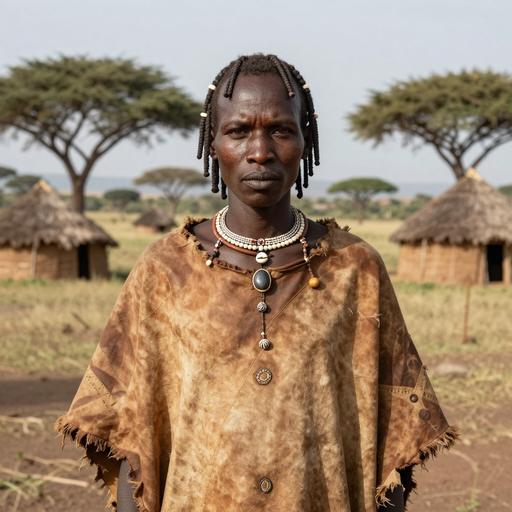
  • A1 and downstream branches — represented among eastern and southern African hunter-gatherer groups (including Khoe-San populations) and some East African forager populations (e.g., Hadza, Sandawe), with additional localized lineages in Central African pygmy groups and Nilotic populations.

The discovery and characterization of these subclades comes primarily from deep sequencing studies and targeted SNP screens that revealed the extreme antiquity and diversity preserved within African populations.

Geographical Distribution

Haplogroup A is largely African in distribution. The highest frequencies and the most deeply divergent subclades are observed in specific indigenous populations rather than broadly across all African populations. Typical patterns are:

  • High prevalence of certain A subclades among Southern African Khoe-San groups.
  • Presence of deeply diverging lineages (e.g., A00) in parts of West-Central Africa.
  • Representation in some Central African rainforest hunter-gatherers (Pygmy groups) and East African forager groups (Hadza, Sandawe).
  • Low-frequency occurrences in parts of North Africa and in the African diaspora outside Africa due to recent historical movements (trans-Saharan and trans-Atlantic slave trades).

Because haplogroup A lineages are often highly localized and rare outside their core regions, their modern geographic footprint reflects a combination of ancient structure and more recent demographic changes.

Historical and Cultural Significance

Haplogroup A predates the archaeological cultures known from the Holocene and most of the Late Pleistocene; therefore, it is most relevant for understanding deep prehistory rather than specific named archaeological cultures like Bell Beaker or Yamnaya. Its significance is primarily in the following areas:

  • Deep population structure in Africa: The presence of multiple highly divergent A subclades indicates long-standing population subdivisions within Africa that predate many later migrations and cultural changes.
  • Insights into early modern human demography: Because A branches are so old, their phylogeny helps calibrate Y-chromosome mutation rate models and timelines for early human population events.
  • Connections to hunter-gatherer communities: Modern occurrences of A lineages are often enriched in groups that maintained foraging lifeways (e.g., Khoe-San, some Pygmy groups), offering a genetic window into pre-agricultural population histories in Africa.

Although haplogroup A is not directly associated with later pan-regional archaeological cultures (Neolithic farmers, Bronze Age steppe expansions), its persistence in specific populations complements the story obtained from other haplogroups that spread with agriculture and pastoralism.

Conclusion

Haplogroup A is a cornerstone of Y-chromosome phylogenetics because it represents the deepest paternal branches of modern humans. Its highly divergent subclades, geographic concentration in particular African populations, and great antiquity make it essential for reconstructing Africa's earliest population structure and for calibrating timelines of human paternal lineage divergence. Ongoing whole-Y sequencing and broader sampling across understudied African groups continue to refine our understanding of A's internal branching and geographic history.

أبرز النقاط

  • Origins and Evolution
  • Subclades
  • Geographical Distribution
  • Historical and Cultural Significance
  • Conclusion
الملف المرجعي

شجرة السلالة والفروع المرتبطة

موضع الفرع في شجرة السلالة وفروعه الفرعية

مسار تفرّع السلالة

تتبّع الفروع الأصلية المسجّلة وصولًا إلى A. التواريخ تقديرية وقد تتغيّر عند تحديث البيانات المرجعية.

خطوات التفرّع المجموعة الفردانية العمر التقديري الحقبة الأثرية المدة المنقضية الفروع المباشرة العينات الحديثة المختبَرة الارتباطات القديمة
1 A الفرع الحالي ~270,000 years ago Paleolithic 270,000 سنة 3 585 8
الملف المرجعي

أماكن وجود الفرع

التوزيع الجغرافي والوجود الحالي

الأصل المسجّل

Eastern Africa

التوزيع الحالي

The populations where Y-DNA haplogroup A is found include:

  1. Khoe-San (Southern Africa)
  2. Mbuti and other Central African Pygmy groups
  3. Mbo and some West-Central African groups (A00 carriers)
  4. Hadza and Sandawe (East African forager groups)
  5. Nilotic populations at low frequencies (e.g., Dinka, Nuer)
  6. Certain Afroasiatic-speaking Ethiopian Highland groups (low-frequency occurrences)
  7. North African populations at very low frequencies (occasional reports)
  8. African diaspora populations in the Americas and Europe (reflecting recent forced migrations)

الوجود حسب المنطقة

Eastern Africa High
Southern Africa High
Central Africa Moderate
Western Africa Low
Northern Africa Low
Western Asia (Near East) Low
North America (diaspora) Low
السياق التاريخي

تاريخ الفرع

تقدير زمن نشأة الفرع ضمن تسلسل تاريخي عام. توفّر الفترات سياقًا زمنيًا دون إثبات صلة بثقافات بعينها.

  1. ~300k سنة مضت

    السلف المشترك لسلالات الكروموسوم Y

    أحدث سلف مشترك لجميع سلالات الكروموسوم Y

  2. ~270k سنة مضت

    المجموعة الفردانية A

    تقدير نشأة فرع Y-DNA. التواريخ والمواقع تقديرات مرجعية.

    هذا الفرع
  3. ~200k سنة مضت

    السلفة المشتركة لسلالات الميتوكوندريا

    أحدث سلفة مشتركة لجميع سلالات الحمض النووي للميتوكوندريا

  4. ~70k سنة مضت

    الهجرة من أفريقيا

    هجرة كبرى للبشر المعاصرين من أفريقيا

  5. ~50k سنة مضت

    العصر الحجري القديم الأعلى

    تطوّر صناعة الأدوات والفنون وتنوّع الممارسات الثقافية

  6. ~20k سنة مضت

    ذروة العصر الجليدي الأخير

    بلغ التجلّد ذروته وانعزلت مجموعات سكانية

  7. ~10k سنة مضت

    ثورة العصر الحجري الحديث

    ظهور الزراعة وتشكّل المجتمعات المستقرّة

  8. ~5k سنة مضت

    العصر البرونزي

    صناعة المعادن والكتابة والحضارات المبكرة

  9. ~3k سنة مضت

    العصر الحديدي

    أدوات الحديد واتّساع شبكات التجارة

  10. ~2.5k سنة مضت

    العصور الكلاسيكية القديمة

    ازدهار الحضارتين اليونانية والرومانية

  11. Present

    الحاضر

    العصر الحديث

الملف المرجعي

السياق الأثري

الارتباطات الأثرية المسجّلة لفرع A من Y-DNA

الارتباطات المسجّلة

تصف هذه التسميات السياقات الأثرية المسجّلة للعينات المرجعية المرتبطة بـ A. لا يثبت الارتباط انتماء جميع حاملي الفرع إلى ثقافة بعينها أو اتّباعهم مسار هجرة محدّدًا.

Anglo-Saxon Avar Cameroon Stone Mounds China_LN_Xiaoheyan Danish Early Neolithic Early Avar Ezero Culture Gumelnița Maltese Temple Pastoral Neolithic Ukraine_IA_Lusatian
يستند تصنيف الثقافات إلى السياق الأثري لعينات الحمض النووي القديم، وقد يعكس ارتباطات إقليمية خلال فترات محدّدة.
الملف المرجعي

فهرس العينات

عينات المجموعة الفردانية A: 6 مطابقة مباشرة و@downstreamCount من الفروع الفرعية

8 معروضة · 8 عينة مطابقة

الصور الشخصية رسوم مولّدة بالذكاء الاصطناعي. تحدّد أسماء العينات ومعرّفات الإيداع السجلات المرجعية.

الصورة الشخصية العينة البلد الحقبة التاريخ الثقافة Y-DNA نوع التطابق
صورة توضيحية مولّدة بالذكاء الاصطناعي للعينة Nilotic individual, Nakuru. Naivasha Burial Groud, Kenya (409-373 BCE)
معرّف العينة: I8830
Kenya Kenya PastoralN 409 BCE - 373 BCE Pastoral Neolithic A تطابق مباشر
صورة توضيحية مولّدة بالذكاء الاصطناعي للعينة Early Avar individual, Rákóczifalva-Bagi-földek (Jász-Nagykun-Szolnok Coiunty, Szolnok), Hungary (550-700 CE)
معرّف العينة: RKF225
Hungary Hungary EarlyAvar 550-700 CE Early Avar A تطابق مباشر
صورة توضيحية مولّدة بالذكاء الاصطناعي للعينة Avar-o Low East Asia individual, Rákóczifalva-Bagi-földek (Jász-Nagykun-Szolnok Coiunty, Szolnok), Hungary (580-804 CE)
معرّف العينة: RKF082
Hungary Hungary Avar 550-850 CE Avar A تطابق مباشر
صورة توضيحية مولّدة بالذكاء الاصطناعي للعينة Avar individual, Rákóczifalva-Bagi-földek (Jász-Nagykun-Szolnok Coiunty, Szolnok), Hungary (580-804 CE)
معرّف العينة: RKF232
Hungary Hungary Avar 580 CE - 804 CE Avar A تطابق مباشر
صورة توضيحية مولّدة بالذكاء الاصطناعي للعينة Early Middle Avar individual, Rákóczifalva-Bagi-földek (Jász-Nagykun-Szolnok Coiunty, Szolnok), Hungary (580-720 CE)
معرّف العينة: RKF236
Hungary Early Middle Avar Period 550-750 CE Avar A تطابق مباشر
صورة توضيحية مولّدة بالذكاء الاصطناعي للعينة Gumelnita individual, Pietrele Măgura Gorgana (Giurgiu County), Romania (4,604-4,451 BCE)
معرّف العينة: PIE009
Romania Gumelnița Culture 4604-4451 calBCE (5686±29 BP, MAMS-47800) Gumelnița A تطابق مباشر
صورة توضيحية مولّدة بالذكاء الاصطناعي للعينة EN individual, Rude (Jutland region), Denmark (3,699-3,528 BCE)
معرّف العينة: NEO41
Denmark Danish Early Neolithic 3699-3528 calBCE (4838±29 BP, UBA-37876) Danish Early Neolithic A1 فرع فرعي
صورة توضيحية مولّدة بالذكاء الاصطناعي للعينة Sub-Saharan African individual, Shum Laka, Cameroon (6,058-5,889 BCE)
معرّف العينة: I10871
Cameroon Stone Mound Architecture in Cameroon 6058 BCE - 5889 BCE Cameroon Stone Mounds A00 فرع فرعي
أبوية · الحمض النووي القديم

خريطة الأدلة القديمة للسلالة

تتبّع الفروع الأصلية المؤدية إلى هذا الفرع واستكشف مواقع العثور على العينات القديمة المرتبطة به.

جارٍ تحميل السجلات القديمة…

تشير العلامات إلى مواقع الاكتشافات الأثرية. يشير الخط المتقطّع إلى انتقال جغرافي محتمل بين فرعين متتاليين تدعمه عدة سجلات مؤرّخة. لا يحدّد مسارًا دقيقًا أو مكان نشأة ولا يثبت انحدارًا مباشرًا. قد تنتمي عينات الفروع الأصلية إلى فروع متفرّعة أخرى. تبقى الفجوات حيث لا تكفي الأدلة. تختلف تواريخ العينات عن تواريخ نشأة المجموعات الفردانية.

الملف المرجعي

خريطة توزيع العينات

التوزيع الجغرافي لعينات الحمض النووي القديم المطابقة مباشرةً للمجموعة A أو لفروعها الفرعية. عدد العينات: 8

عينة مطابقة مباشرةً عينة من فرع فرعي
التصفية حسب الفترة
جميع الفترات
تُعرض جميع العينات
الملف المرجعي

التوزيع الزمني

توزيع العينات عبر الفترات الأثرية

الملف المرجعي

التوزيع الجغرافي

عدد العينات حسب بلدها المسجّل. تعكس الأعداد العينات المرجعية المتاحة دون قياس تواتر المجموعات الفردانية بين السكان.

الملف المرجعي

توزيع العينات حسب البلد والحقبة

قارن أعداد العينات المسجّلة حسب البلدان والفترات الأثرية. اختر خلية تحتوي على نتائج للاطّلاع على إحدى العينات.

البيانات

البيانات ومصادرها

معلومات المصادر وجودة البيانات

آخر تحديث 2026-06-15

مصدر البيانات

يعكس التصنيف والتواريخ التقديرية والسياق الجغرافي البيانات المرجعية المسجّلة، وقد تتغيّر مع مراجعة الأدلة. تختلف تغطية العينات، ولا تثبت المواقع المسجّلة والارتباطات الأثرية الأصول الشخصية أو الهوية الثقافية.