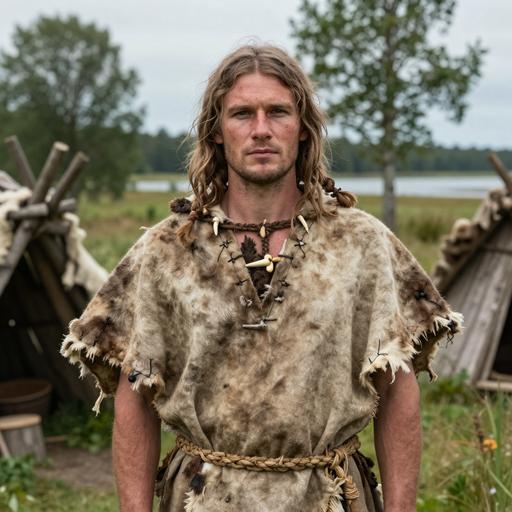
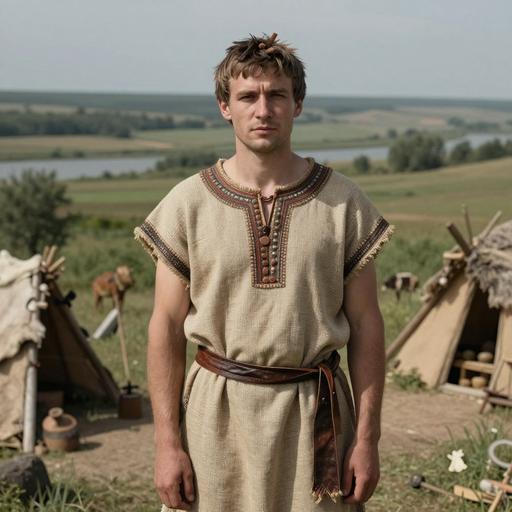
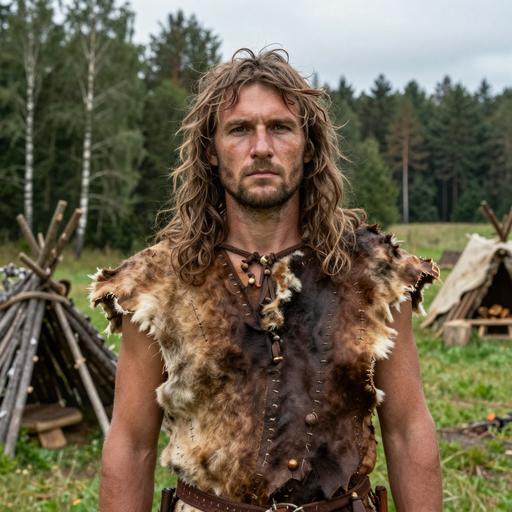
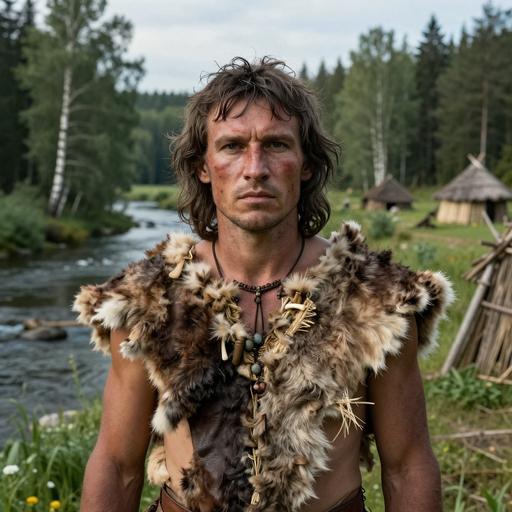
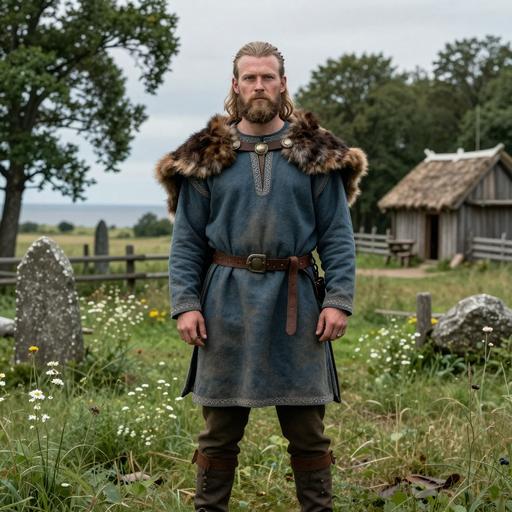
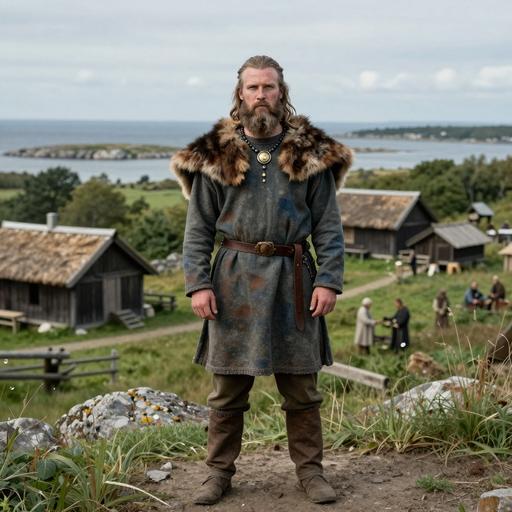
ملف مرجعي لفرع واحد من السلالة. لا تثبت المجموعات الفردانية المشتركة صلة عائلية ولا تحدّد الهوية الثقافية.
الملف المرجعي
خلفية الفرع
السياق التاريخي لفرع I من سلالة Y-DNA
Origins and Evolution
Y-DNA haplogroup I is a major branch of the paternal phylogeny descending from IJ, and it is generally interpreted as an early European lineage that differentiated after modern humans expanded into Eurasia. Its estimated origin is in the Upper Paleolithic, roughly 25 thousand years ago, although the deep internal diversification of the clade probably occurred later as populations survived in European refugia during the Last Glacial Maximum.
Ancient DNA studies have shown that haplogroup I was especially common among European Mesolithic hunter-gatherers, making it one of the most characteristic paternal lineages of pre-agricultural Europe. The clade later persisted into post-glacial and historic populations, even as incoming Neolithic farmers and later Bronze Age expansions reshaped the paternal landscape of the continent.
Subclades
Haplogroup I is an intermediate clade and includes two major sister branches:
I1: today most frequent in Scandinavia and parts of northern Europe, often associated with later northern European demographic expansions.
I2: widespread in southeastern Europe, the Balkans, and parts of central and eastern Europe, with strong ties to ancient European hunter-gatherer ancestry.
These branches reflect deep geographic structuring within Europe and likely represent long-term survival and regional expansion of distinct paternal lineages after the Upper Paleolithic.
Geographical Distribution
Haplogroup I is found predominantly in Europe, with the greatest concentrations in:
Northern Europe, especially Scandinavia and adjacent regions
Southeastern Europe, including the Balkans and the Carpathian Basin
Central Europe, at moderate frequencies
Eastern Europe, where certain subclades are present at lower levels
Outside Europe, it occurs mainly through recent migration, particularly in the Americas, Oceania, and urban centers worldwide.
Historical and Cultural Significance
Haplogroup I is important because it represents one of the clearest paternal signatures of Europe's pre-Neolithic inhabitants. In ancient remains, related lineages appear frequently among Western Hunter-Gatherers and other Mesolithic groups, supporting the view that haplogroup I was already established in Europe well before the spread of agriculture.
During the Neolithic, haplogroup I was partly replaced in many regions by lineages associated with Anatolian farmer expansions, but it survived in substantial proportions in some local populations. Later, in the Bronze Age and Iron Age, the distribution of its subclades was further shaped by migrations, local continuity, and social selection, producing the modern pattern of strong regional differentiation.
Conclusion
Y-DNA haplogroup I is a deeply rooted European paternal lineage with major importance for understanding the genetic history of prehistoric Europe. Its association with Mesolithic hunter-gatherers, its persistence through major cultural transitions, and its strong regional structure make it a key clade in studies of ancient and modern European population history.
أبرز النقاط
Origins and Evolution
Subclades
Geographical Distribution
Historical and Cultural Significance
Conclusion
الملف المرجعي
شجرة السلالة والفروع المرتبطة
موضع الفرع في شجرة السلالة وفروعه الفرعية
مسار تفرّع السلالة
تتبّع الفروع الأصلية المسجّلة وصولًا إلى I. التواريخ تقديرية وقد تتغيّر عند تحديث البيانات المرجعية.
The populations where Y-DNA haplogroup I is found include:
Scandinavians
Balkan populations
Germans and Austrians
British and Irish populations
East Slavic populations
Baltic populations
Central European populations
Recent diaspora populations in the Americas and Australia
الوجود حسب المنطقة
Northern EuropeHigh
Southeastern EuropeHigh
Central EuropeModerate
Eastern EuropeModerate
Western EuropeLow
السياق التاريخي
تاريخ الفرع
تقدير زمن نشأة الفرع ضمن تسلسل تاريخي عام. توفّر الفترات سياقًا زمنيًا دون إثبات صلة بثقافات بعينها.
~25k سنة مضت
المجموعة الفردانية I
تقدير نشأة فرع Y-DNA. التواريخ والمواقع تقديرات مرجعية.
هذا الفرع
~20k سنة مضت
ذروة العصر الجليدي الأخير
بلغ التجلّد ذروته وانعزلت مجموعات سكانية
~10k سنة مضت
ثورة العصر الحجري الحديث
ظهور الزراعة وتشكّل المجتمعات المستقرّة
~5k سنة مضت
العصر البرونزي
صناعة المعادن والكتابة والحضارات المبكرة
~3k سنة مضت
العصر الحديدي
أدوات الحديد واتّساع شبكات التجارة
~2.5k سنة مضت
العصور الكلاسيكية القديمة
ازدهار الحضارتين اليونانية والرومانية
Present
الحاضر
العصر الحديث
الملف المرجعي
السياق الأثري
الارتباطات الأثرية المسجّلة لفرع I من Y-DNA
الارتباطات المسجّلة
تصف هذه التسميات السياقات الأثرية المسجّلة للعينات المرجعية المرتبطة بـ I. لا يثبت الارتباط انتماء جميع حاملي الفرع إلى ثقافة بعينها أو اتّباعهم مسار هجرة محدّدًا.
Viking Age England - United Kingdom - England. Oxford. St John's College Oxford
United Kingdom England Viking 880 CE - 1000 CE
I1فرع فرعي
معرّف العينة: VK167
Viking Age England - United Kingdom - England. Oxford. St John's College Oxford
United Kingdom England Viking 880 CE - 1000 CE
I1فرع فرعي
معرّف العينة: VK144
Viking Age England - United Kingdom - England. Oxford. St John's College Oxford
United Kingdom England Viking 880 CE - 1000 CE
I1فرع فرعي
معرّف العينة: VK148
Viking Age England - United Kingdom - England. Oxford. St John's College Oxford
United Kingdom England Viking 880 CE - 1000 CE
I1فرع فرعي
معرّف العينة: VK163
Viking Age England - United Kingdom - England. Oxford. St John's College Oxford
United Kingdom England Viking 880 CE - 1000 CE
I1فرع فرعي
معرّف العينة: VK149
Viking Age England - United Kingdom - England. Oxford. St John's College Oxford
United Kingdom England Viking 880 CE - 1000 CE
I1فرع فرعي
معرّف العينة: VK539
Viking Age Ukraine - Ukraine - Shestovitsa
Ukraine Viking Age Ukraine 900 CE - 1200 CE
I1فرع فرعي
معرّف العينة: VK29
Viking Age Sweden - Sweden - Skara. Varnhem
Sweden Sweden Viking 900 CE - 1200 CE
I1فرع فرعي
معرّف العينة: VK407
Viking Age Sweden - Sweden - Skara. Varnhem
Sweden Sweden Viking 900 CE - 1200 CE
I1فرع فرعي
معرّف العينة: VK23
Viking Age Russia - Russia - Ladoga
Russia Russia Viking 900 CE - 1200 CE
I1فرع فرعي
أبوية · الحمض النووي القديم
خريطة الأدلة القديمة للسلالة
تتبّع الفروع الأصلية المؤدية إلى هذا الفرع واستكشف مواقع العثور على العينات القديمة المرتبطة به.
جارٍ تحميل السجلات القديمة…
الحركة المخفّضة مفعّلة. استخدم التسلسل الزمني أو زر عرض الكل للاستكشاف بالسرعة التي تناسبك.
اعرض السجلات في جدول
السجلات القديمة المعروضة حسب الفرع والفترة ومنتصف النطاق الزمني
الفرع
الفترة
النطاق الزمني
العينة
معرّف العينة
الموقع
المجموعة الفردانية
نوع الارتباط
تشير العلامات إلى مواقع الاكتشافات الأثرية. يشير الخط المتقطّع إلى انتقال جغرافي محتمل بين فرعين متتاليين تدعمه عدة سجلات مؤرّخة. لا يحدّد مسارًا دقيقًا أو مكان نشأة ولا يثبت انحدارًا مباشرًا. قد تنتمي عينات الفروع الأصلية إلى فروع متفرّعة أخرى. تبقى الفجوات حيث لا تكفي الأدلة. تختلف تواريخ العينات عن تواريخ نشأة المجموعات الفردانية.
يجمع التصنيف حسب الحقبة التاريخية العينات من جميع فروع هذه السلسلة وفق زمن عيش كل شخص قديم. لا يمثّل تسلسل هجرة أو مسارًا زمنيًا لشخص عبر الحقب.
الملف المرجعي
خريطة توزيع العينات
التوزيع الجغرافي لعينات الحمض النووي القديم المطابقة مباشرةً للمجموعة I أو لفروعها الفرعية. عدد العينات: 79
عينة مطابقة مباشرةً عينة من فرع فرعي
التصفية حسب الفترة
جميع الفترات
تُعرض جميع العينات
الملف المرجعي
التوزيع الزمني
توزيع العينات عبر الفترات الأثرية
الملف المرجعي
التوزيع الجغرافي
عدد العينات حسب بلدها المسجّل. تعكس الأعداد العينات المرجعية المتاحة دون قياس تواتر المجموعات الفردانية بين السكان.
الملف المرجعي
توزيع العينات حسب البلد والحقبة
قارن أعداد العينات المسجّلة حسب البلدان والفترات الأثرية. اختر خلية تحتوي على نتائج للاطّلاع على إحدى العينات.
البيانات
البيانات ومصادرها
معلومات المصادر وجودة البيانات
آخر تحديث2026-06-17
مصدر البيانات
يعكس التصنيف والتواريخ التقديرية والسياق الجغرافي البيانات المرجعية المسجّلة، وقد تتغيّر مع مراجعة الأدلة. تختلف تغطية العينات، ولا تثبت المواقع المسجّلة والارتباطات الأثرية الأصول الشخصية أو الهوية الثقافية.