انتقل إلى المحتوى الرئيسي
Y-DNA · سلالة أبوية

R1B1A1B1A1A2B1

Y-DNA Haplogroup R1B1A1B1A1A2B1

ملف مرجعي لفرع واحد من السلالة. لا تثبت المجموعات الفردانية المشتركة صلة عائلية ولا تحدّد الهوية الثقافية.

الملف المرجعي

خلفية الفرع

السياق التاريخي لفرع R1B1A1B1A1A2B1 من سلالة Y-DNA

Origins and Evolution

Y-DNA haplogroup R1b1a1b1a1a2b is a deeply nested subclade of western Eurasian R1b, placing it within one of the most extensively studied paternal lineages in Eurasian population genetics. Because it sits far downstream from the major R1b radiation, this branch is best understood as a rare survivor lineage that likely persisted at low frequency after the broader diversification of R1b in West Eurasia during the Late Upper Paleolithic and early Holocene.

Its inferred age is approximately 14 kya, which is consistent with origin in West Eurasia near the end of the last Ice Age or in the early post-glacial period. The rarity of the clade today suggests that later demographic events—especially Neolithic expansions, Bronze Age migrations, and historical population turnovers—reduced its frequency, while isolated refugia, founder effects, and local continuity allowed it to persist in scattered populations.

Subclades

As an intermediate downstream branch of R1b1a1b1a1a2b, this haplogroup helps connect broader ancestral and descendant lineages in the R1b tree. Public phylogenies may contain additional terminal branches below this level, but the defining feature of this lineage is its placement as a rare intermediary clade rather than a widespread expansion lineage.

In population genetic terms, intermediate R1b branches such as this often reflect micro-regional survivals or the descendants of a small number of ancient paternal founders. Their current structure is typically informative for reconstructing fine-scale regional history, especially where long-term isolation or bottlenecks have been strong.

Geographical Distribution

Available context suggests that R1b1a1b1a1a2b is found in a patchy distribution across western Eurasia, with occurrences reported or expected in:

  • Irish and British populations
  • French, Iberian, and Low Countries populations
  • Italian and Balkan populations
  • Caucasus and Anatolian populations
  • Levantine and North African populations
  • Some Central Asian and steppe-related populations

This distribution pattern is consistent with a lineage that may have been present across parts of West Eurasia before later expansions reshaped haplogroup frequencies. Rather than being strongly tied to one ethnolinguistic group, the clade likely reflects old regional persistence, occasional mobility, and lineage survival in mixed populations.

Historical and Cultural Significance

Because R1b is strongly associated with several major prehistoric demographic processes in Europe, rare downstream branches like R1b1a1b1a1a2b are especially valuable for understanding what survived outside the dominant expansion waves. While no single archaeological culture can be confidently assigned as its exclusive source, the lineage may have interacted historically with populations connected to postglacial western Eurasian hunter-gatherers, Neolithic farmer networks, and later Bronze Age and Iron Age societies.

Its presence in regions spanning western Europe, the Mediterranean, the Caucasus, and nearby zones suggests that this lineage could have moved through multiple episodes of population contact. In some cases, its survival may mark continuity from pre-Bronze Age paternal lines that were later absorbed into expanding communities such as those associated with Bell Beaker, steppe-derived Bronze Age systems, or localized regional populations that maintained older male lines.

Conclusion

R1b1a1b1a1a2b is a rare and informative subclade of western Eurasian R1b. Its likely ancient origin, broad but sparse distribution, and persistence in diverse regions make it a useful marker of deep regional ancestry, founder effects, and the complex demographic layering of West Eurasia.

أبرز النقاط

  • Origins and Evolution
  • Subclades
  • Geographical Distribution
  • Historical and Cultural Significance
  • Conclusion
الملف المرجعي

شجرة السلالة والفروع المرتبطة

موضع الفرع في شجرة السلالة وفروعه الفرعية

مسار تفرّع السلالة

تتبّع الفروع الأصلية المسجّلة وصولًا إلى R1B1A1B1A1A2B1. التواريخ تقديرية وقد تتغيّر عند تحديث البيانات المرجعية.

خطوات التفرّع المجموعة الفردانية العمر التقديري الحقبة الأثرية المدة المنقضية الفروع المباشرة العينات الحديثة المختبَرة الارتباطات القديمة
1 R1B1A1B1A1A2B1 الفرع الحالي ~14,000 years ago Mesolithic 14,000 سنة 2 220 0
2 R1B1A1B1A1A2B ~14,000 years ago Mesolithic 14,000 سنة 3 484 12
3 R1B1A1B1A1A2 ~14,000 years ago Mesolithic 14,000 سنة 6 1,260 0
4 R1B1A1B1A1A ~14,000 years ago Mesolithic 14,000 سنة 4 1,715 70
5 R1B1A1B1A1 ~14,000 years ago Mesolithic 14,000 سنة 1 1,789 0
6 R1B1A1B1A ~14,000 years ago Mesolithic 14,000 سنة 2 1,796 15
7 R1B1A1B1 ~18,000 years ago Mesolithic 18,000 سنة 2 2,085 0
8 R1B1A1B ~18,000 years ago Mesolithic 18,000 سنة 2 2,317 31
9 R1B1A1 ~18,000 years ago Mesolithic 18,000 سنة 2 2,321 0
10 R1B1A ~18,000 years ago Mesolithic 18,000 سنة 2 4,020 39
11 R1B1 ~18,000 years ago Mesolithic 18,000 سنة 2 4,166 0
12 R1b ~20,000 years ago Mesolithic 20,000 سنة 2 4,262 126

الفروع الشقيقة (2)

فروع أخرى من المجموعة الفردانية الأصلية نفسها

الملف المرجعي

أماكن وجود الفرع

التوزيع الجغرافي والوجود الحالي

الأصل المسجّل

West Eurasia

التوزيع الحالي

The populations where Y-DNA haplogroup R1b1a1b1a1a2b is found include:

  1. Irish and British populations
  2. French, Iberian, and Low Countries populations
  3. Italian and Balkan populations
  4. Caucasus and Anatolian populations
  5. Levantine and North African populations
  6. Some Central Asian and steppe-related populations

الوجود حسب المنطقة

Western Europe High
Northern Europe Moderate
Southwestern Europe (Iberia) Low
Central Europe Low
North Africa (coastal) Low
Americas (diaspora) Low
Southern Europe Moderate
Balkans Low
Anatolia and Caucasus Low
North Africa Low
Central Asia Low
السياق التاريخي

تاريخ الفرع

تقدير زمن نشأة الفرع ضمن تسلسل تاريخي عام. توفّر الفترات سياقًا زمنيًا دون إثبات صلة بثقافات بعينها.

  1. ~20k سنة مضت

    ذروة العصر الجليدي الأخير

    بلغ التجلّد ذروته وانعزلت مجموعات سكانية

  2. ~14k سنة مضت

    المجموعة الفردانية R1B1A1B1A1A2B1

    تقدير نشأة فرع Y-DNA. التواريخ والمواقع تقديرات مرجعية.

    هذا الفرع
  3. ~10k سنة مضت

    ثورة العصر الحجري الحديث

    ظهور الزراعة وتشكّل المجتمعات المستقرّة

  4. ~5k سنة مضت

    العصر البرونزي

    صناعة المعادن والكتابة والحضارات المبكرة

  5. ~3k سنة مضت

    العصر الحديدي

    أدوات الحديد واتّساع شبكات التجارة

  6. ~2.5k سنة مضت

    العصور الكلاسيكية القديمة

    ازدهار الحضارتين اليونانية والرومانية

  7. Present

    الحاضر

    العصر الحديث

الملف المرجعي

السياق الأثري

الارتباطات الأثرية المسجّلة لفرع R1B1A1B1A1A2B1 من Y-DNA

الارتباطات المسجّلة

تصف هذه التسميات السياقات الأثرية المسجّلة للعينات المرجعية المرتبطة بـ R1B1A1B1A1A2B1. لا يثبت الارتباط انتماء جميع حاملي الفرع إلى ثقافة بعينها أو اتّباعهم مسار هجرة محدّدًا.

Bell Beaker Denmark_Lillevasby_LN France_Parancot_BA
يستند تصنيف الثقافات إلى السياق الأثري لعينات الحمض النووي القديم، وقد يعكس ارتباطات إقليمية خلال فترات محدّدة.
الملف المرجعي

فهرس العينات

عينات المجموعة الفردانية R1B1A1B1A1A2B1: 11 مطابقة مباشرة و@downstreamCount من الفروع الفرعية

10 معروضة · 18 عينة مطابقة

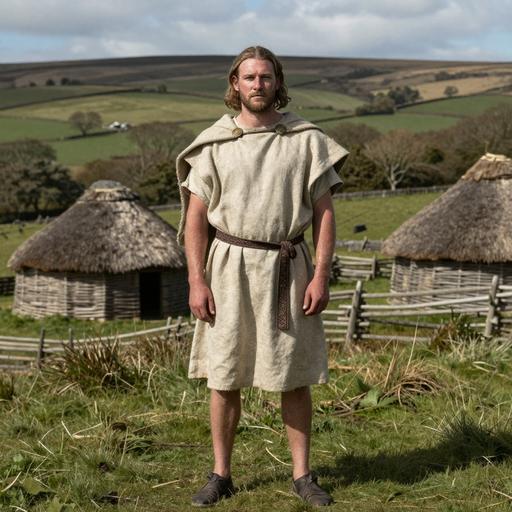
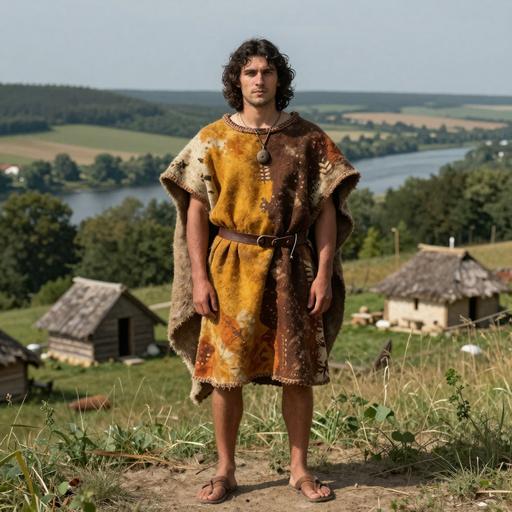
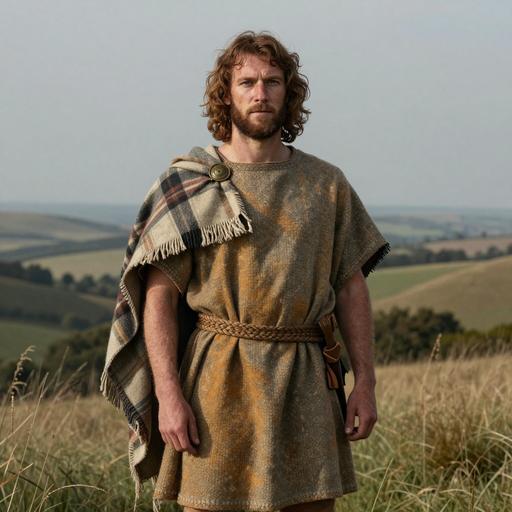
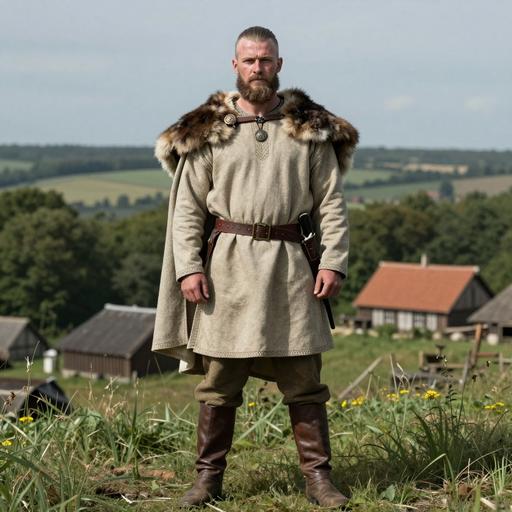
الصور الشخصية رسوم مولّدة بالذكاء الاصطناعي. تحدّد أسماء العينات ومعرّفات الإيداع السجلات المرجعية.

الصورة الشخصية العينة البلد الحقبة التاريخ الثقافة Y-DNA نوع التطابق
صورة توضيحية مولّدة بالذكاء الاصطناعي للعينة Celtic individual, England. Yorkshire. Driffield Terrace, United Kingdom (50-350 CE)
معرّف العينة: 6DT22
United Kingdom Iron Age to Roman England 50 CE - 350 CE Iron Age-Roman R1b1a1b1a1a2b1 تطابق مباشر
صورة توضيحية مولّدة بالذكاء الاصطناعي للعينة England LIA individual, England. North Yorkshire. Scorton Quarry, United Kingdom (162-26 BCE)
معرّف العينة: I14097
United Kingdom England LIA 162 calBCE - 26 calCE (2051±32 BP, SUERC-56654) British Late Iron Age R1b1a1b1a1a2b1 تطابق مباشر
صورة توضيحية مولّدة بالذكاء الاصطناعي للعينة Scotland LIA MIA individual, Scotland. East Lothian. Broxmouth, United Kingdom (364-121 BCE)
معرّف العينة: I16422
United Kingdom Middle to Late Iron Age Scotland 364-121 calBCE (2180±30 BP, SUERC-24252) Scottish Iron Age R1b1a1b1a1a2b1 تطابق مباشر
صورة توضيحية مولّدة بالذكاء الاصطناعي للعينة IA La Tene individual, Győr-Moson-Sopron county. Győr-Kert utca, Hungary (381-203 BCE)
معرّف العينة: I18530
Hungary Hungary IA LaTene 381-203 calBCE (2230±20 BP, PSUAMS-9423) La Tene Culture R1b1a1b1a1a2b1 تطابق مباشر
صورة توضيحية مولّدة بالذكاء الاصطناعي للعينة England LIA MIA Arras individual, England. East Riding of Yorkshire. Pocklington (Burnby Lane), United Kingdom (400-50 BCE)
معرّف العينة: I13758
United Kingdom East Yorkshire Iron Age 400-150 BCE East Yorkshire R1b1a1b1a1a2b1 تطابق مباشر
صورة توضيحية مولّدة بالذكاء الاصطناعي للعينة England LIA MIA Arras individual, England. East Riding of Yorkshire. Pocklington (Burnby Lane), United Kingdom (400-50 BCE)
معرّف العينة: I13759
United Kingdom East Yorkshire Iron Age 400-50 BCE East Yorkshire R1b1a1b1a1a2b1 تطابق مباشر
صورة توضيحية مولّدة بالذكاء الاصطناعي للعينة England LIA MIA individual, England. Hampshire. Middle Wallop. Suddern Farm, United Kingdom (450-1 BCE)
معرّف العينة: I20982
United Kingdom Middle to Late Iron Age England 450-1 BCE Late Iron Age British R1b1a1b1a1a2b1 تطابق مباشر
صورة توضيحية مولّدة بالذكاء الاصطناعي للعينة Norse individual, England. Oxford. St John's College Oxford, United Kingdom (880-1,000 CE)
معرّف العينة: VK177
United Kingdom England Viking 880 CE - 1000 CE Viking R1b1a1b1a1a2b1 تطابق مباشر
صورة توضيحية مولّدة بالذكاء الاصطناعي للعينة Scotland EBA individual, Scotland. Doune. Perth and Kinross, United Kingdom (1,872-1,547 BCE)
معرّف العينة: I5516
United Kingdom Early Bronze Age Scotland 1872-1547 calBCE (3400±35 BP, SUERC-2869) Scottish Bronze Age R1b1a1b1a1a2b1 تطابق مباشر
صورة توضيحية مولّدة بالذكاء الاصطناعي للعينة European Bronze Age individual, Prague 8. Kobylisy. Ke Stírce Street, Czech Republic (2,284-2,056 BCE)
معرّف العينة: I4889
Czech Republic Bell Beaker Culture, Czech Republic 2284 BCE - 2056 BCE Bell Beaker R1b1a1b1a1a2b1 تطابق مباشر
أبوية · الحمض النووي القديم

خريطة الأدلة القديمة للسلالة

تتبّع الفروع الأصلية المؤدية إلى هذا الفرع واستكشف مواقع العثور على العينات القديمة المرتبطة به.

جارٍ تحميل السجلات القديمة…

تشير العلامات إلى مواقع الاكتشافات الأثرية. يشير الخط المتقطّع إلى انتقال جغرافي محتمل بين فرعين متتاليين تدعمه عدة سجلات مؤرّخة. لا يحدّد مسارًا دقيقًا أو مكان نشأة ولا يثبت انحدارًا مباشرًا. قد تنتمي عينات الفروع الأصلية إلى فروع متفرّعة أخرى. تبقى الفجوات حيث لا تكفي الأدلة. تختلف تواريخ العينات عن تواريخ نشأة المجموعات الفردانية.

الملف المرجعي

خريطة توزيع العينات

التوزيع الجغرافي لعينات الحمض النووي القديم المطابقة مباشرةً للمجموعة R1B1A1B1A1A2B1 أو لفروعها الفرعية. عدد العينات: 18

عينة مطابقة مباشرةً عينة من فرع فرعي
التصفية حسب الفترة
جميع الفترات
تُعرض جميع العينات
الملف المرجعي

التوزيع الزمني

توزيع العينات عبر الفترات الأثرية

الملف المرجعي

التوزيع الجغرافي

عدد العينات حسب بلدها المسجّل. تعكس الأعداد العينات المرجعية المتاحة دون قياس تواتر المجموعات الفردانية بين السكان.

الملف المرجعي

توزيع العينات حسب البلد والحقبة

قارن أعداد العينات المسجّلة حسب البلدان والفترات الأثرية. اختر خلية تحتوي على نتائج للاطّلاع على إحدى العينات.

البيانات

البيانات ومصادرها

معلومات المصادر وجودة البيانات

آخر تحديث 2026-06-17
درجة الثقة 50/100
التغطية Low

مصدر البيانات

يعكس التصنيف والتواريخ التقديرية والسياق الجغرافي البيانات المرجعية المسجّلة، وقد تتغيّر مع مراجعة الأدلة. تختلف تغطية العينات، ولا تثبت المواقع المسجّلة والارتباطات الأثرية الأصول الشخصية أو الهوية الثقافية.