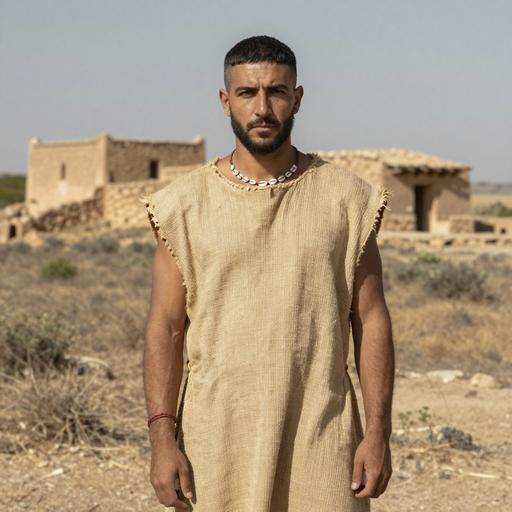
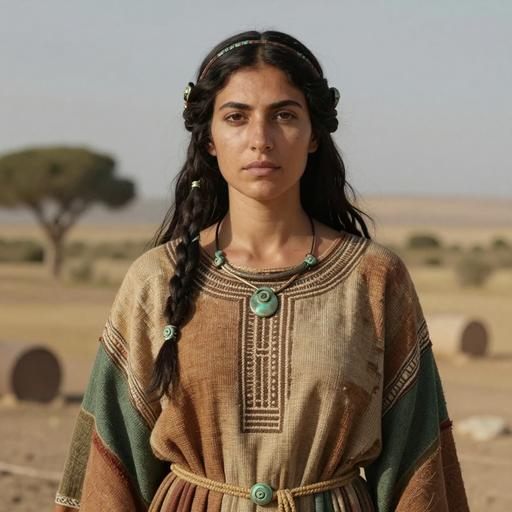
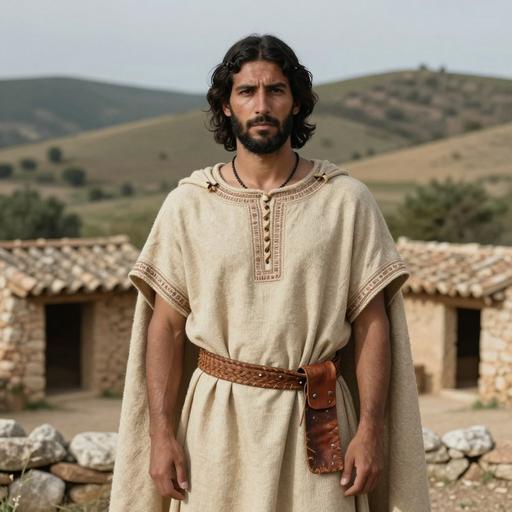
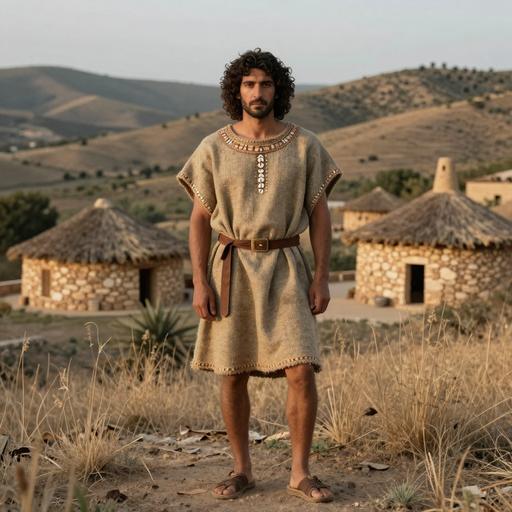
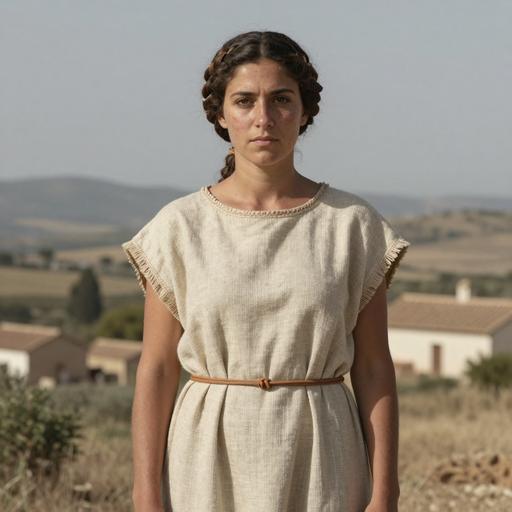
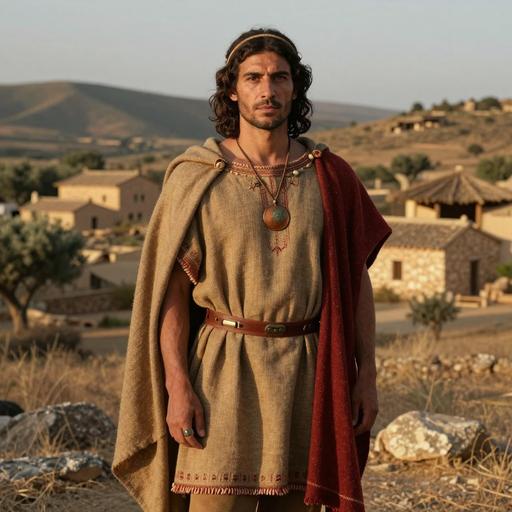
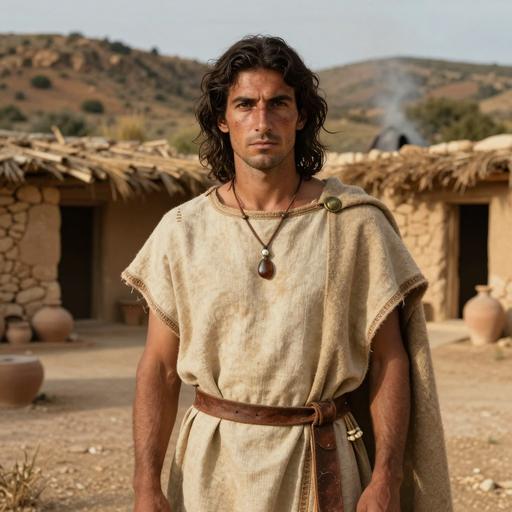
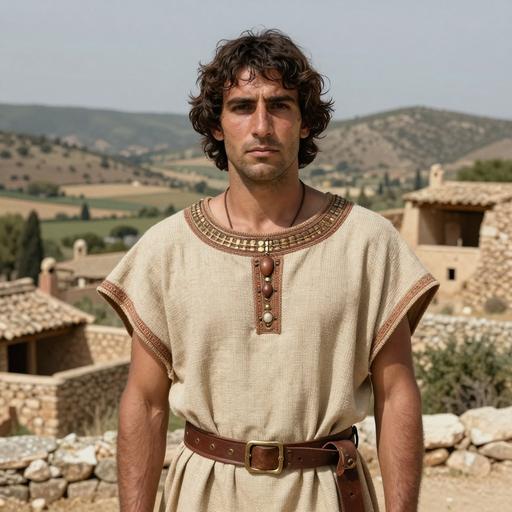
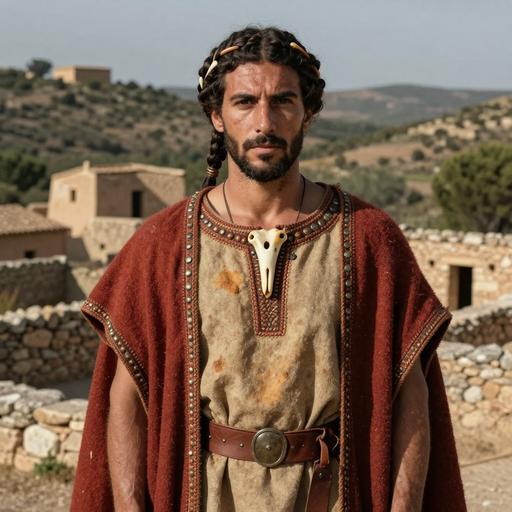
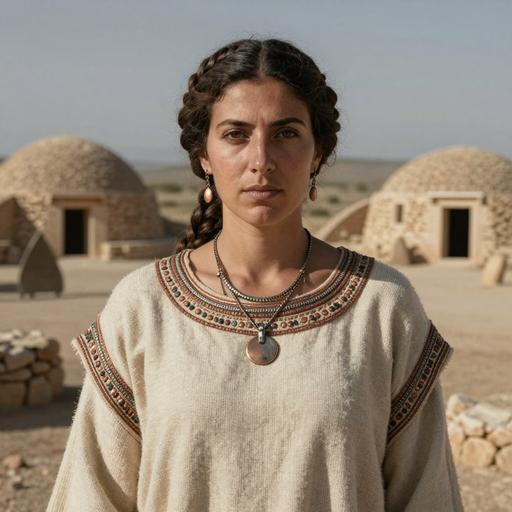
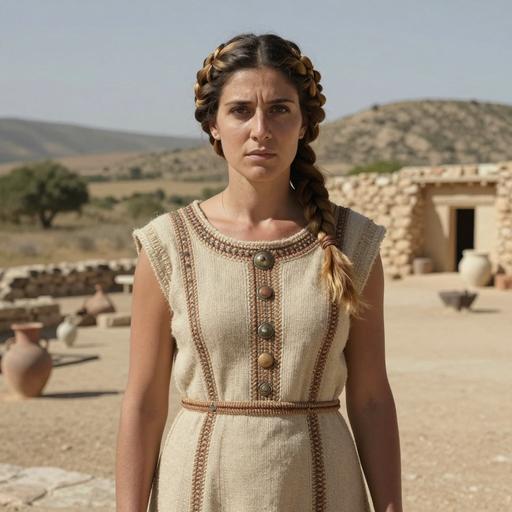
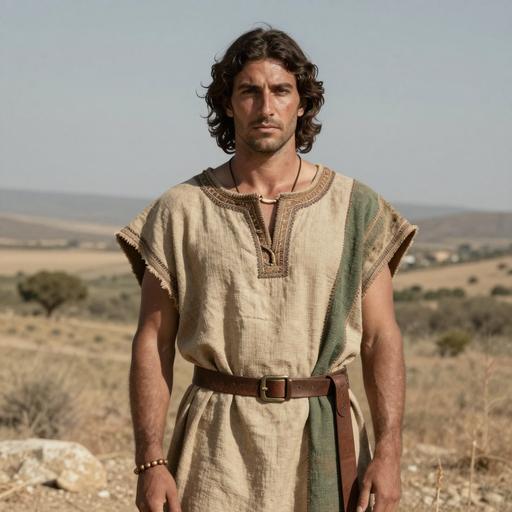
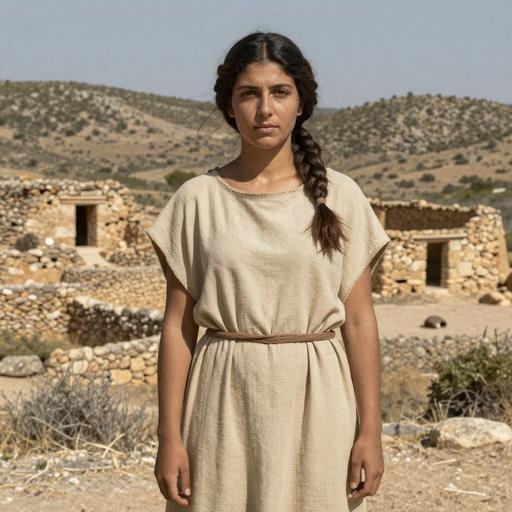
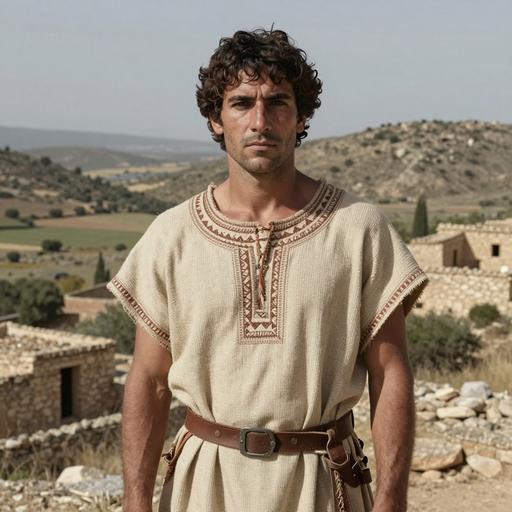
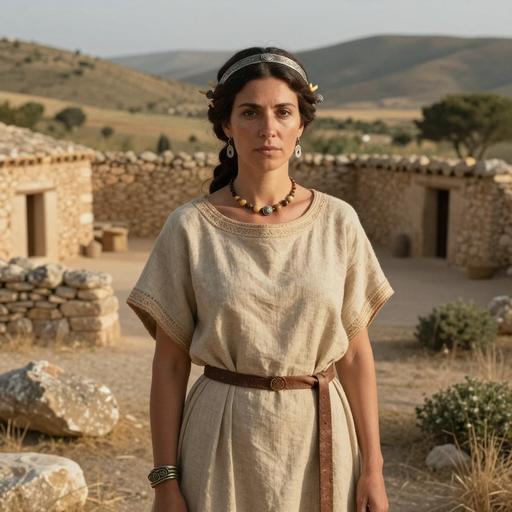
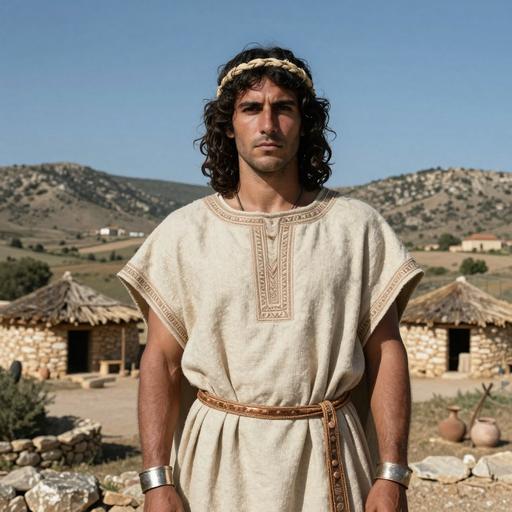
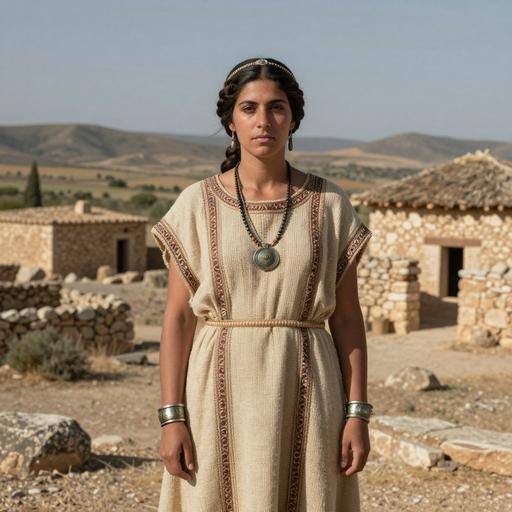
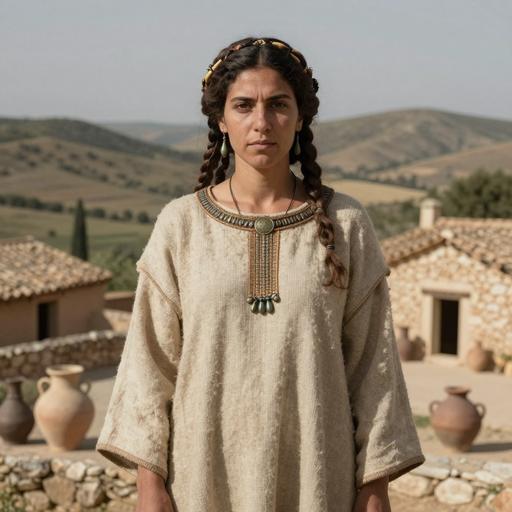
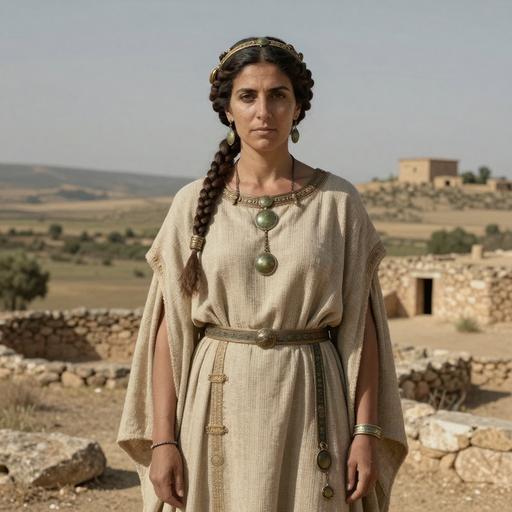
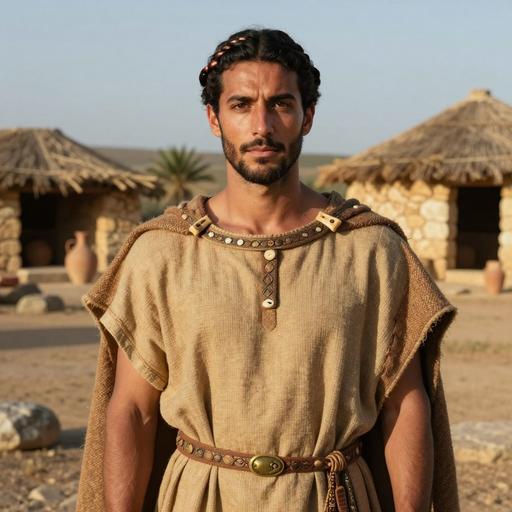
Archaeological and genetic study of Argaric communities (2192–1000 BCE) centered in Murcia — La Almoloya, La Bastida, Cerro del Morrón — links burial patterns and mtDNA/Y-DNA lineages to mobility, kinship, and social change.
الخريطة التفاعلية غير متاحة. يمكنك الاطلاع على المواقع المسجّلة في كتالوج العينات.
الخط الزمني
2192 BCE
Earliest Argaric contexts in Murcia
Radiocarbon-dated contexts around La Almoloya mark the early formation of Argaric settlements in southeast Iberia, initiating a Bronze Age trajectory of fortified towns and intramural burials.
Origins & Emergence
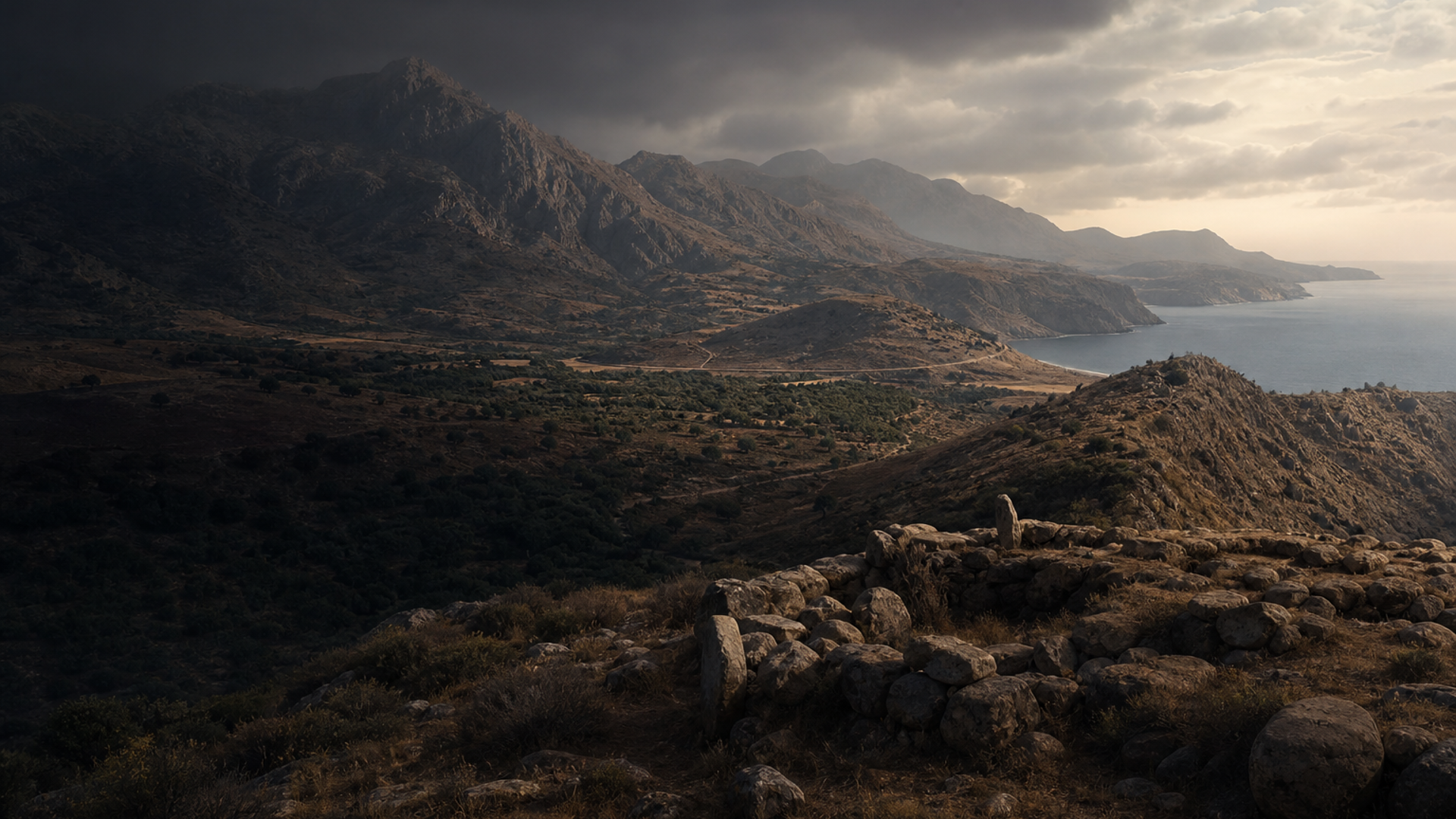
The Argaric phenomenon in southeast Iberia emerges in the early Bronze Age as densely inhabited hilltop towns and fortified settlements. Archaeological data indicates a florescence of metallurgy, craft specialization, and stratified burial practices from sites such as La Almoloya (Pliego), La Bastida (Totana) and Cerro del Morrón (Moratalla). Radiocarbon dates spanning 2192–1000 BCE frame a long arc of social transformation: earlier communal burial traditions give way to intramural tombs and differentiated grave goods that suggest increasing social inequality.
Material culture — fine pottery, bronze tools, and sealed storage — points to intensified control of resources and landscape. El Argar (La Almoloya) in particular yields monumental domestic architectures and elite burials containing rich assemblages. Limited evidence suggests exchange networks with other Iberian groups and Mediterranean contacts, but the scale and directionality of those ties remain debated. The genetic sampling of 82 individuals concentrated in Murcia allows a regionally focused view of population continuity and change, while acknowledging that these sites capture only part of a diverse Iberian mosaic.
Emergence of fortified towns and intramural burials
Metalworking and craft specialization centered in Murcia sites
Radiocarbon span: 2192–1000 BCE indicates long-term social change
Daily Life & Society
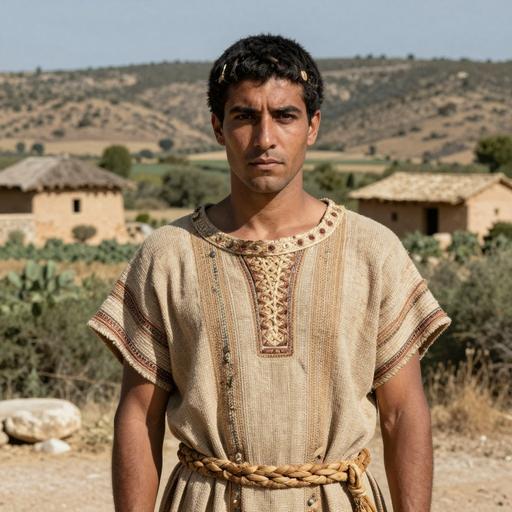
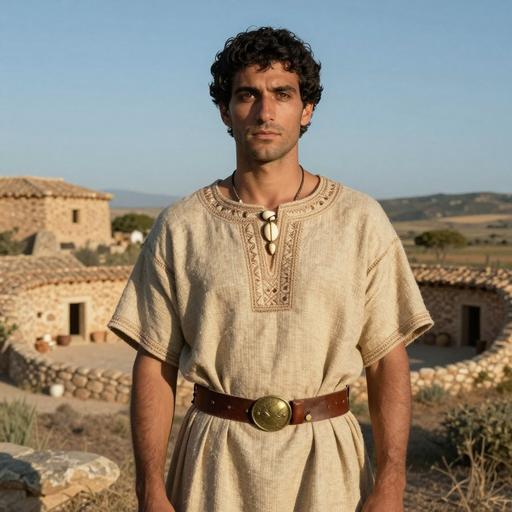
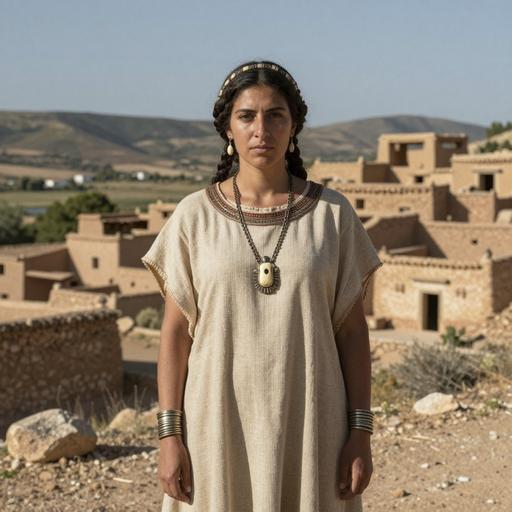
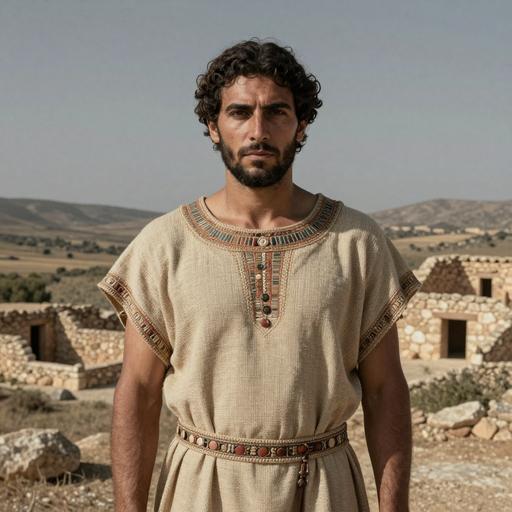
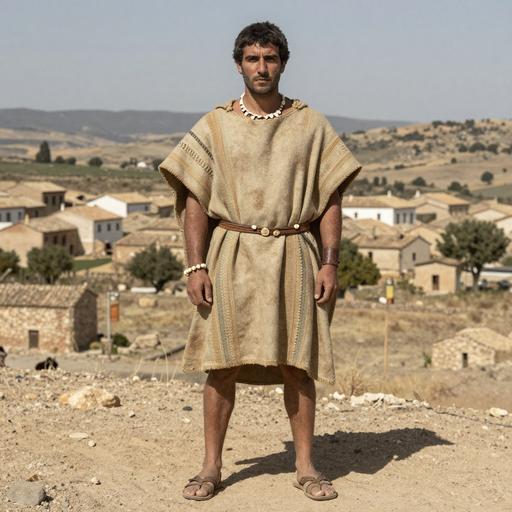
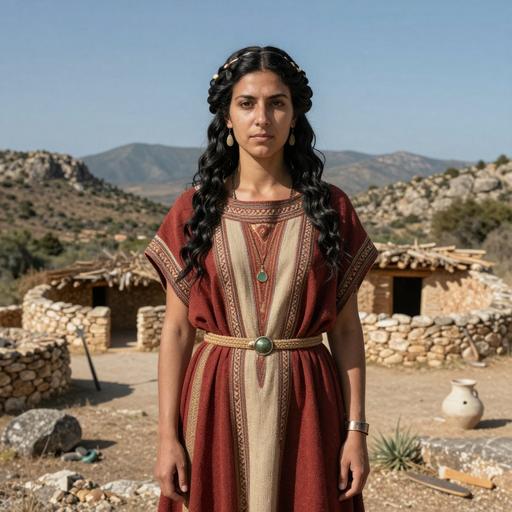
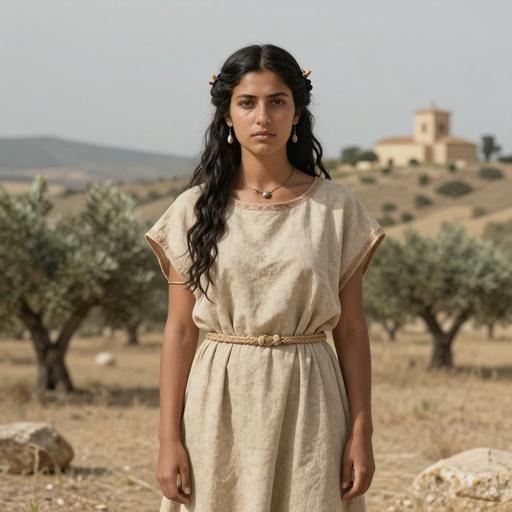
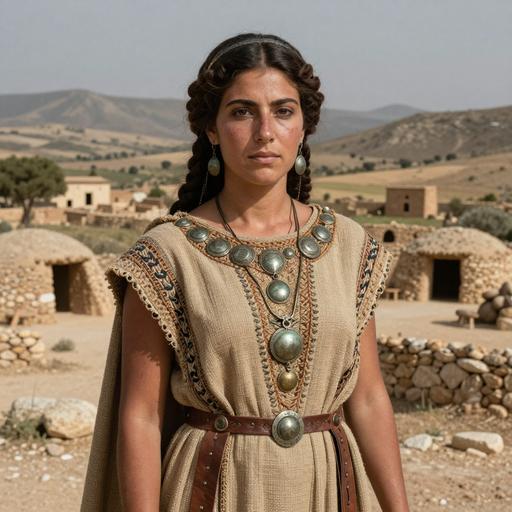
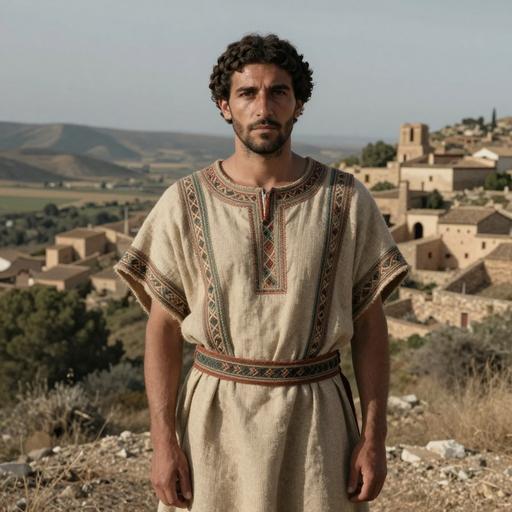
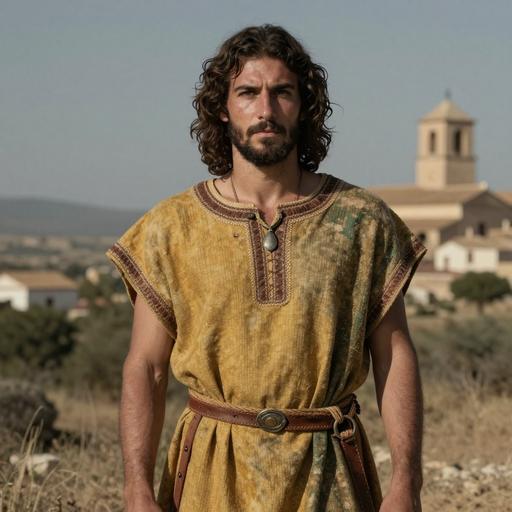
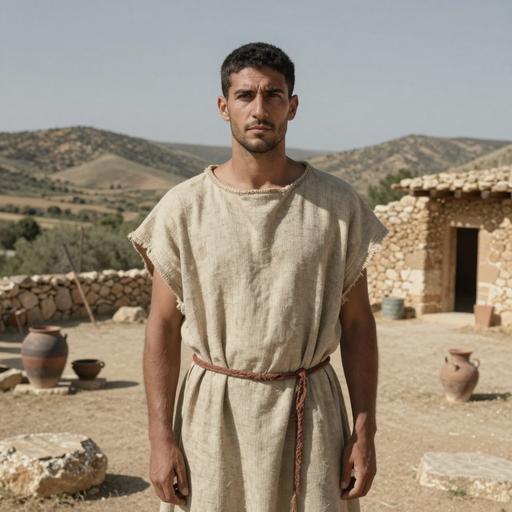
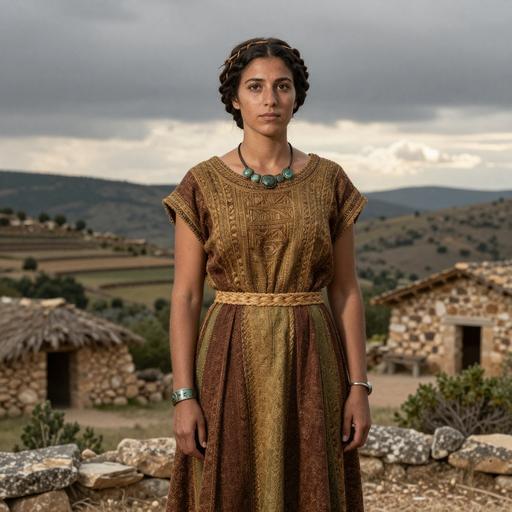
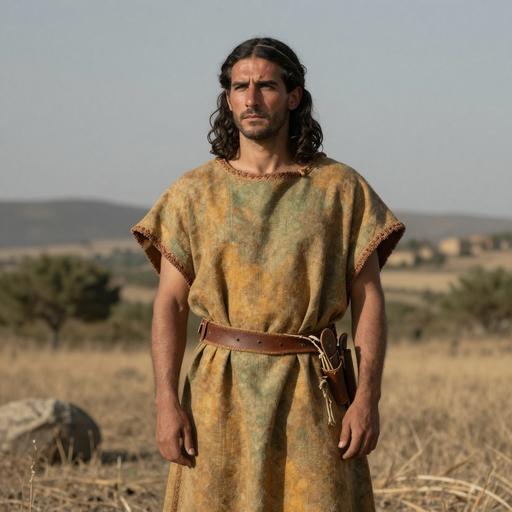
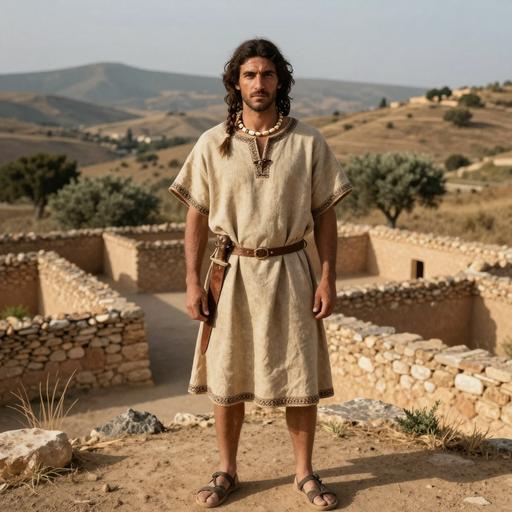
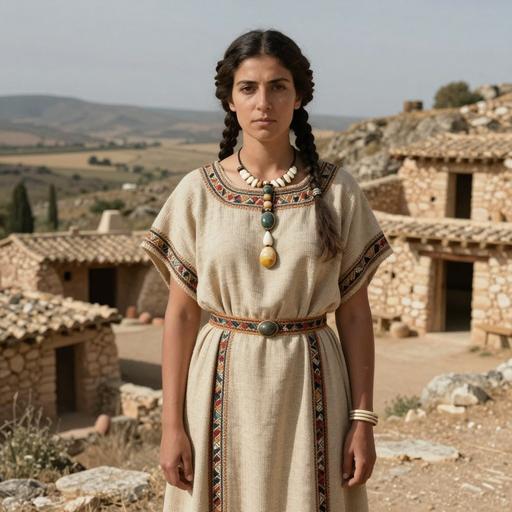
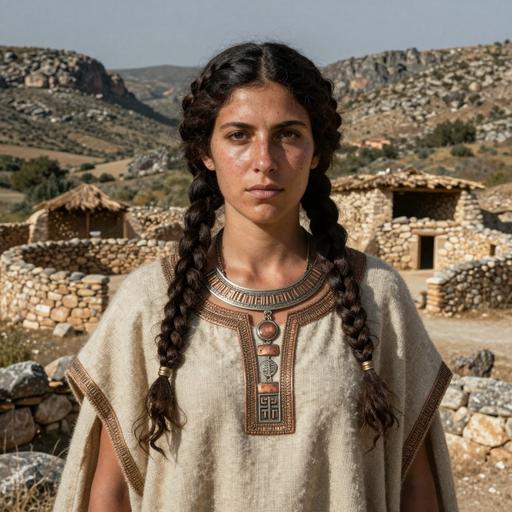
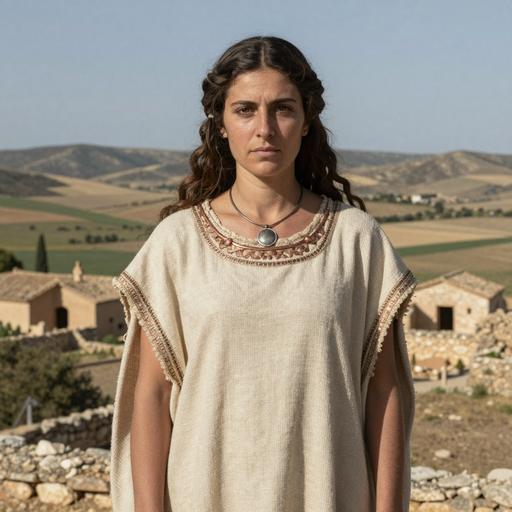
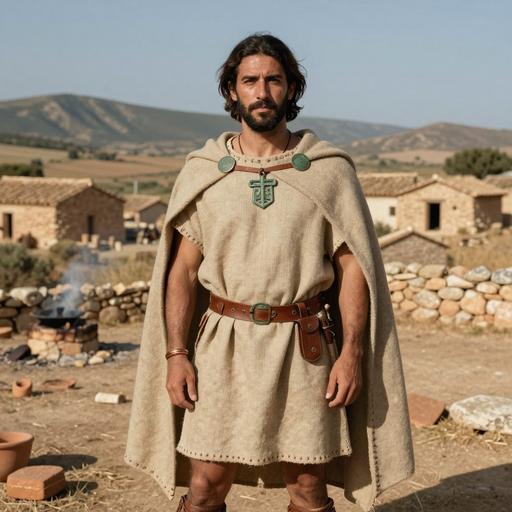
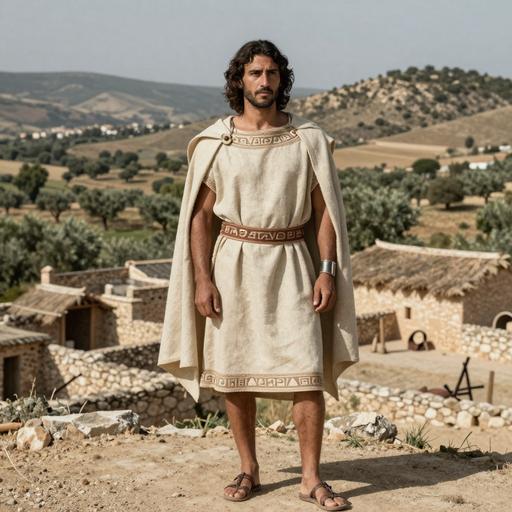
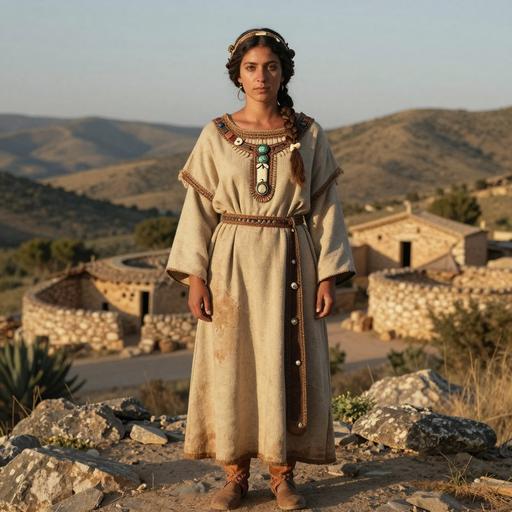
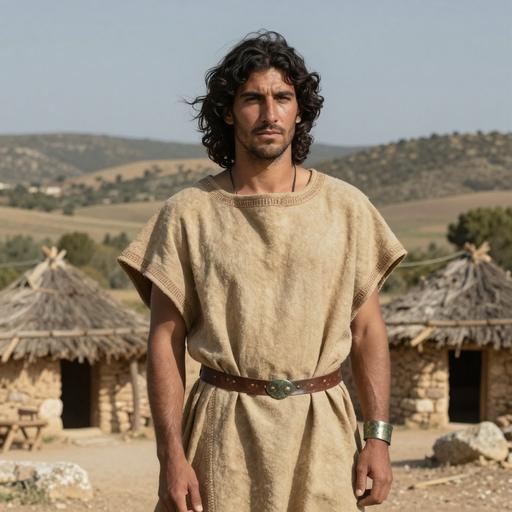
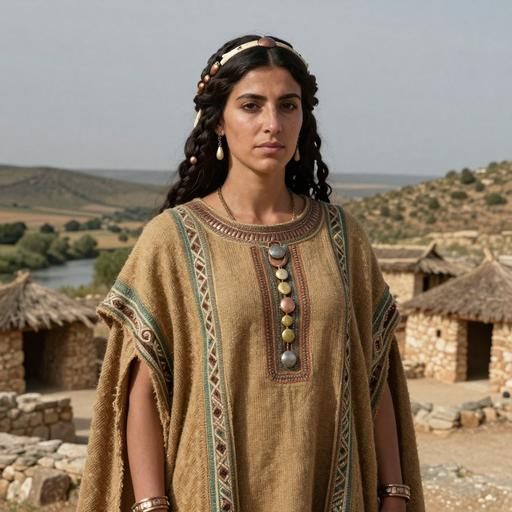
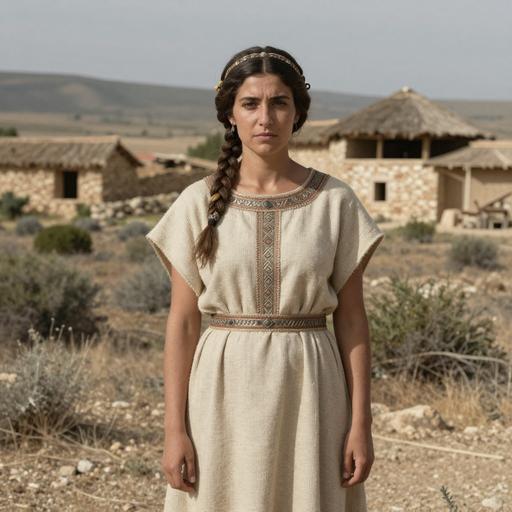
Life in Argaric communities combined intensive agriculture, pastoralism, and craft production in a landscape of terraced fields and dryland crops. Archaeological remains from household compounds at La Almoloya and La Bastida show contiguous living spaces with rooms for storage, workshops, and ritualized burial niches — a picture of households as economic and social units. Ceramic inventories and metal tools imply specialists who worked copper and bronze; slag and crucible fragments attest to on-site smelting and casting.
Burial practices reveal how social identities were performed. Some intramural graves contain rich ornaments and weaponry, while others are modest; sex- and age-related patterns in funerary goods suggest differentiated status, though interpretations must be cautious. Osteological data indicate varied diets and workloads, with markers of mobility in certain individuals. Archaeological data indicates frequent re-use of domestic spaces for burial, underscoring ancestor veneration and household continuity. Regional variation across Murcia sites shows both shared cultural vocabulary and local adaptations to environment and resource access.
Household compounds combined living, craft, and burial spaces
Specialized metalworking alongside agriculture shaped daily life
Genetic Profile
Genetic analysis of 82 individuals from multiple Argaric sites in Murcia offers a moderate-sized dataset for examining ancestry, kinship, and sex-biased patterns. Y-chromosome results show a strong predominance of haplogroup R (38 individuals) with a single occurrence of E (1 individual). Mitochondrial diversity is higher: haplogroups K (19), U (15), H (12, including H1 = 8), and T (4) are common. These distributions suggest patrilineal clustering alongside diverse maternal lineages, consistent with household-based social organization and possible male-line continuity in some lineages.
Interpreting these patterns requires caution. Haplogroup R in Europe is often associated with populations carrying Steppe-related ancestry in other contexts, but assigning broad migratory narratives to the Argaric record would be premature without genome-wide ancestry profiles. The mtDNA mix indicates enduring local maternal diversity and potential female mobility between communities. Kinship analyses at cemetery and household scales can reveal family focal points within settlements; preliminary osteogenetic ties at La Almoloya and La Bastida support the presence of related individuals interred in close domestic contexts. While sample size (82) is substantial compared with many ancient collections, geographic concentration in Murcia limits broader Iberian generalizations, and further genome-wide data will refine models of migration and social organization.
Y-DNA dominated by haplogroup R (38/82); rare E (1)
MtDNA shows diverse maternal lineages: K, U, H (incl. H1), T
Legacy & Modern Connections
The Argaric imprint endures in the landscape and in the genetic fabric of southeast Iberia. Archaeological continuity in settlement patterns and material craft suggests cultural transmission that influenced subsequent Iberian Bronze and Iron Age developments. Genetic continuity signals that some lineages persisted locally across centuries, while the mix of maternal haplogroups points to enduring regional connectivity.
Modern populations in Murcia and surrounding provinces likely carry fragments of this deep past, but direct lines between ancient individuals and living communities are complex and mediated by millennia of migration, admixture, and demographic change. Archaeological data indicates meaningful local persistence; genetic data from these 82 samples provides a regional snapshot that invites comparison with wider Iberian datasets. Together, the cultural and genetic records evoke a society shaped by craft, kinship, and mobility — a human tapestry still being unraveled by researchers today.
Cultural practices influenced later Iberian Bronze and Iron Age societies
Genetic snapshots suggest local persistence amid broader demographic change
اطرح أسئلة عن ثقافة Argaric Bronze of Southeast Iberia. يمكن للمساعد شرح النتائج الجينية والسياق التاريخي والأدلة الأثرية والصلات بالعصر الحديث.
AI-generated interpretation of genetic similarity, not proof of ancestry. Informational only, not professional advice.
Read full notice
Before you continue: the analysis you are about to generate is produced by an AI model. AI output can be incomplete, inaccurate, or simply wrong. It describes statistical genetic similarity to reference populations and is not proof of ancestry, ethnicity, identity, or descent. It is provided for informational and educational purposes only, and is not medical, diagnostic, genealogical, legal, or other professional advice. Do not rely on it to make health, financial, legal, or family decisions. To the fullest extent permitted by applicable law, DNA Genics, S.L. accepts no liability for any loss or decision arising from your use of this AI output.
مثال على تحليل بالذكاء الاصطناعي
لمحة عن ثقافة Argaric Bronze of Southeast Iberia
تساعد عينات الحمض النووي القديم الباحثين على دراسة أنماط الهجرة والعلاقات الجينية بين المجموعات السكانية القديمة.
هذه معاينة للتحليل. يتيح المساعد الكامل استكشاف الموضوعات التالية: