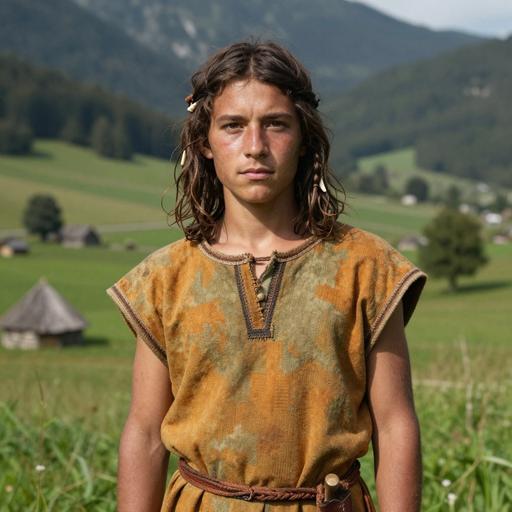
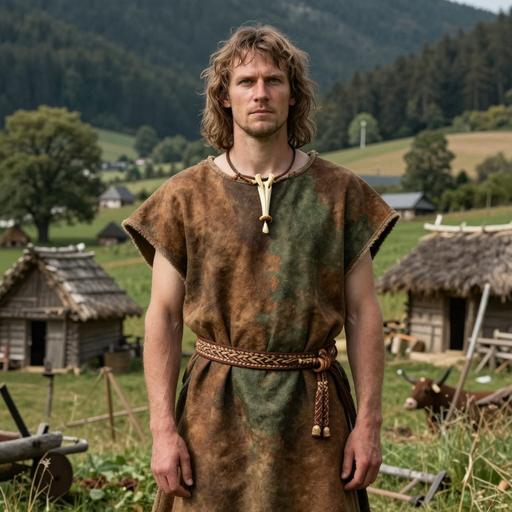
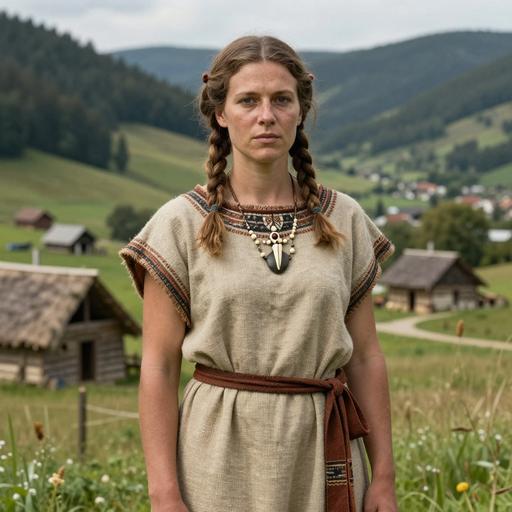
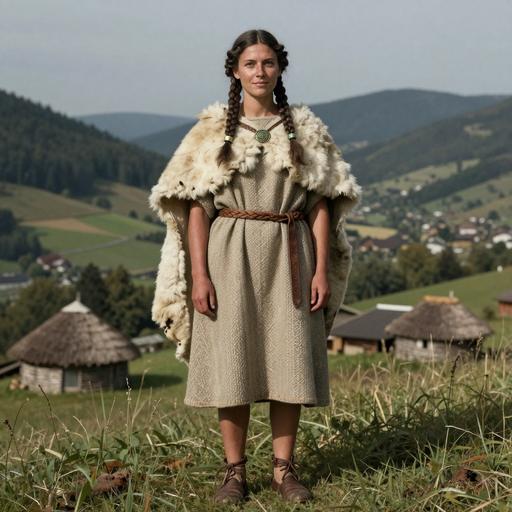
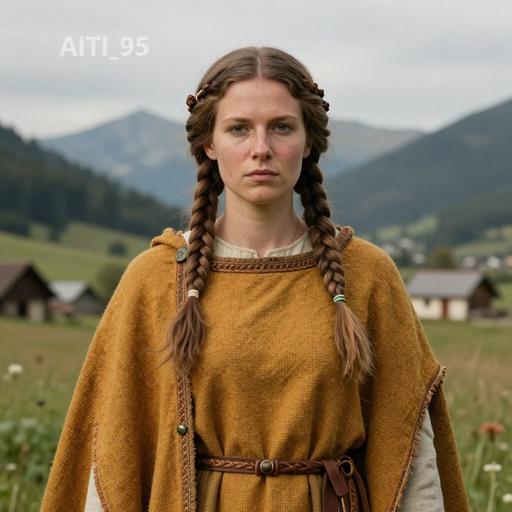
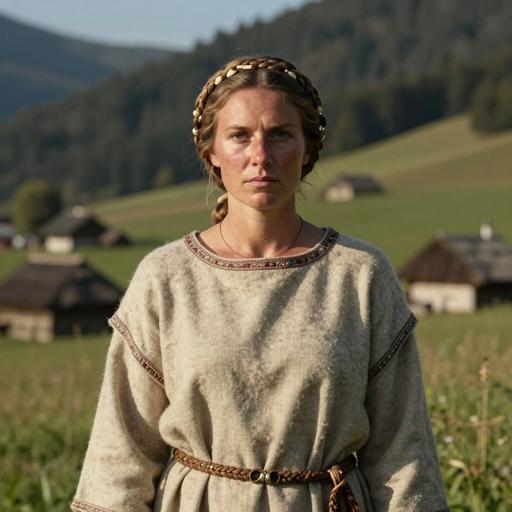
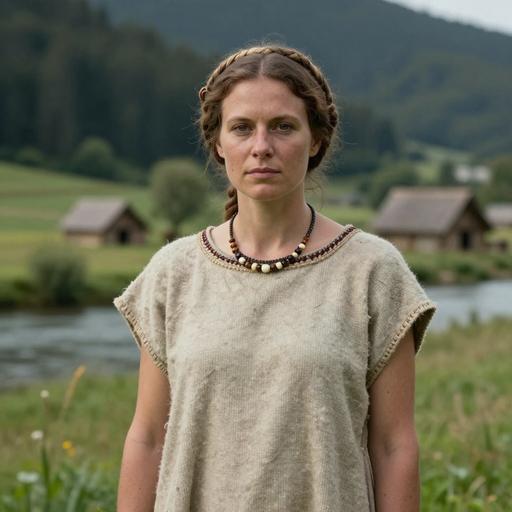
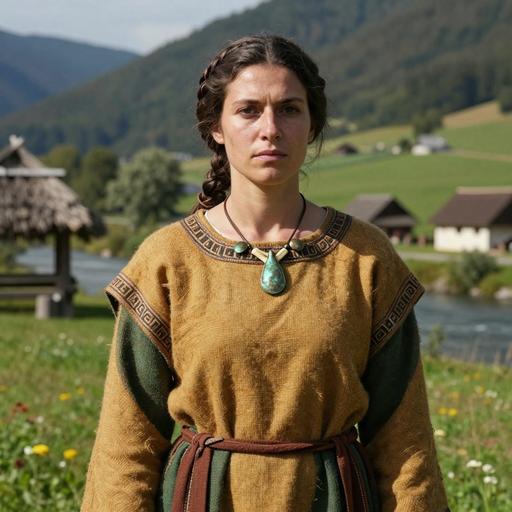
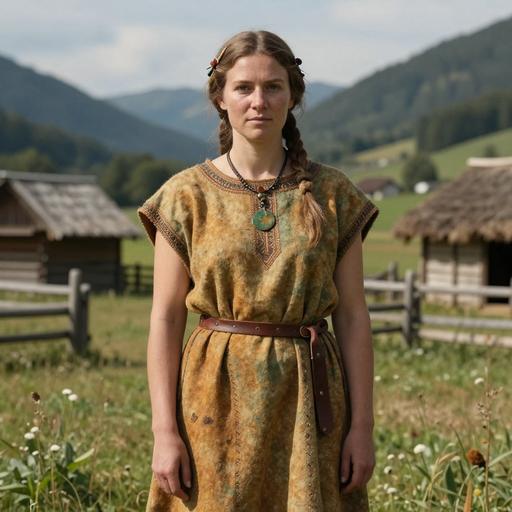
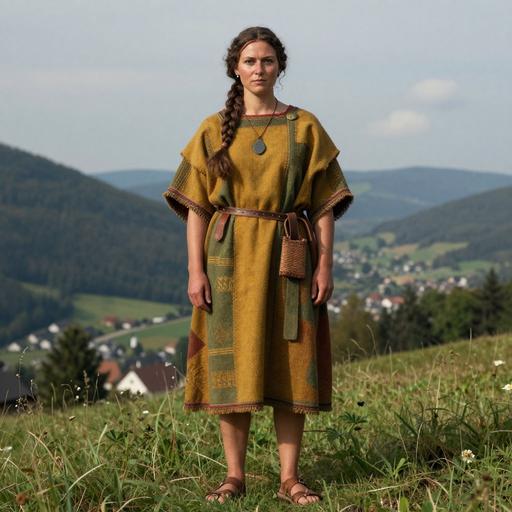
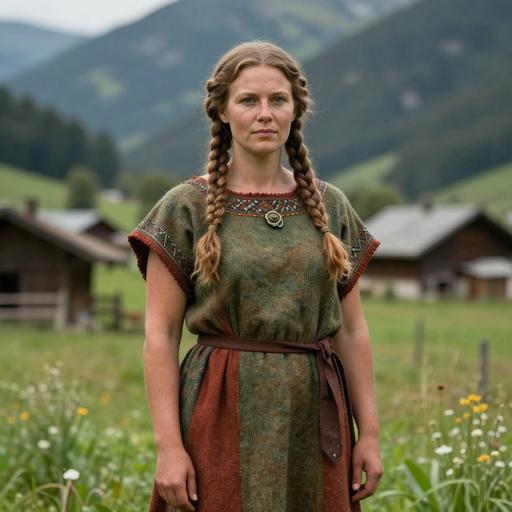
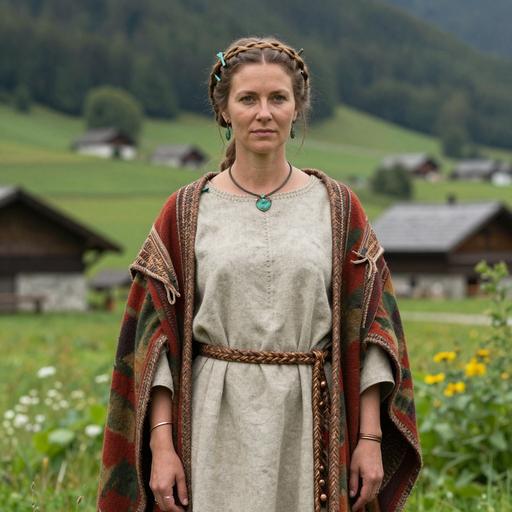
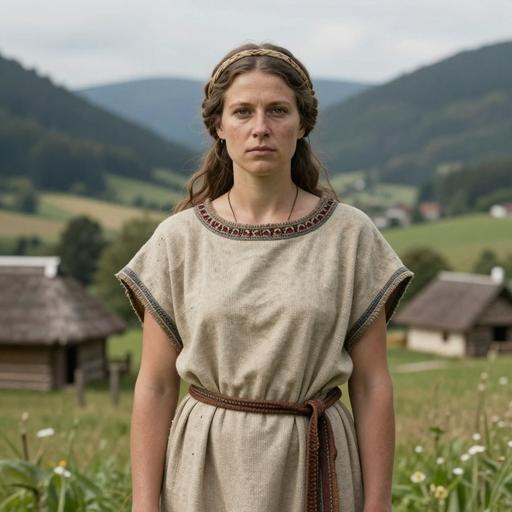
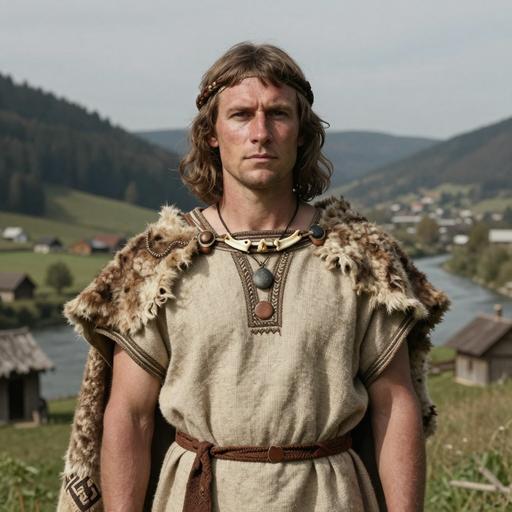
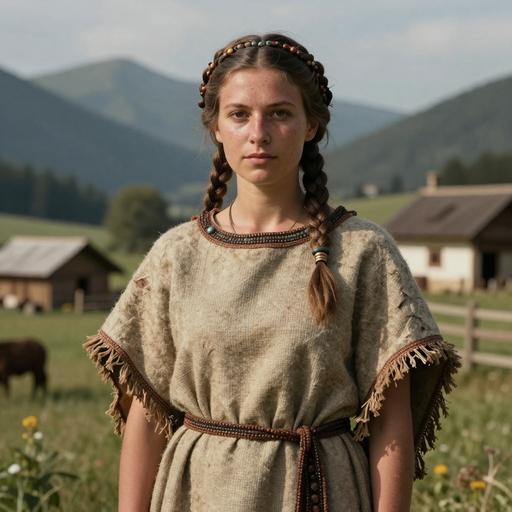
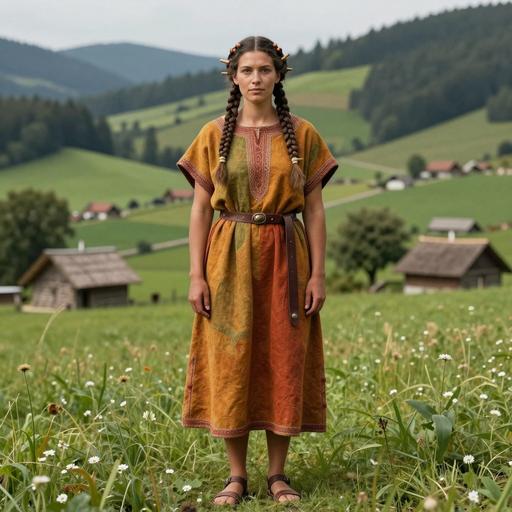
Archaeological and genetic evidence from 172 Bronze Age individuals across Germany and the Czech Republic (2199–800 BCE) illuminates cultural connections between the Lech Valley and Bohemia. Material culture, funerary practice, and a dominant R Y‑lineage point to complex mobility and local continuity.
الخريطة التفاعلية غير متاحة. يمكنك الاطلاع على المواقع المسجّلة في كتالوج العينات.
الخط الزمني
2200 BCE
Early Bronze Age consolidation
Settlements and metalwork flourish in Lech Valley and Bohemia as regional exchange intensifies (sites: Kleinaitingen, Hostivice).
1500 BCE
Middle Bronze Age craft intensification
Local bronze production and standardized tools spread; funerary practices diversify across Bohemia and Bavaria.
900 BCE
Late Bronze Age transitions
Cultural horizons such as Knovíz emerge; shifts toward urnfield burial and changing settlement patterns occur.
Origins & Emergence
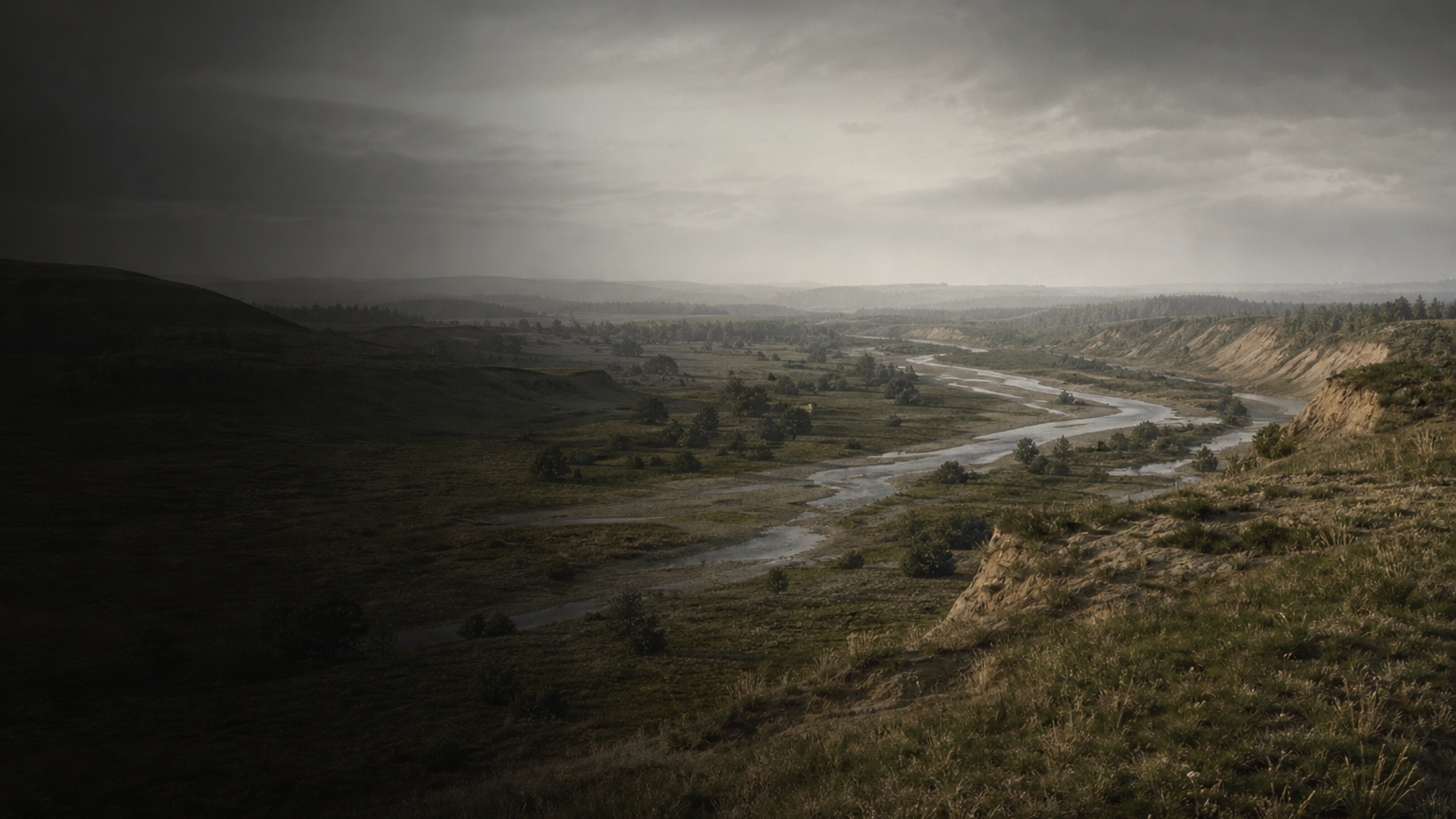
Dawn in River Valleys and High Plains
Archaeological data indicates that communities across the Lech Valley (Germany) and Central Bohemia coalesced into recognizable Bronze Age cultural landscapes after ~2200 BCE. Excavations at Kleinaitingen - Gewerbegebiet Nord and Friedberg - Metzgerwäldchen in Bavaria, and a cluster of sites around Prague‑West (Hostivice‑Palouky) and NW Bohemia (Chouč, Bílina, Konobrže, Břvany, Březno u Loun) show a patchwork of settlements, cemetery types, and metallurgical workshops. Material culture—bronze tools, socketed axes, and decorated pottery—traces artisan networks that connected river corridors and upland passes.
The genetic signal from 172 individuals in this dataset shows a predominance of Y‑lineage R, which is compatible with broader Bronze Age expansions from the Pontic–Caspian steppe documented elsewhere in Europe. This does not imply a single migration event; rather, archaeological and genetic evidence together point to repeated episodes of mobility, exchange, and local adaptation. Limited evidence suggests some continuity with preceding Neolithic populations, especially in maternal lineages, while male‑line signatures reflect wider, long‑distance connections. Ongoing fine-scale study of Y‑chromosome subclades and isotopic data is required to resolve timing and routes of these movements.
Material culture links Lech Valley and Bohemian sites
Dominant Y‑lineage R aligns with broader Bronze Age mobility
Archaeological continuity and influx both present
Daily Life & Society
Settlements, Craft, and Ceremony
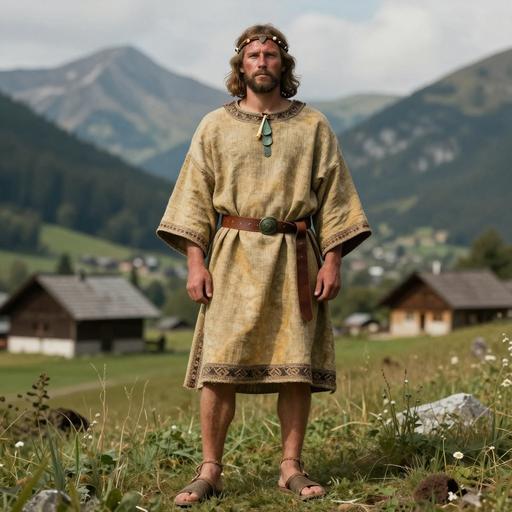
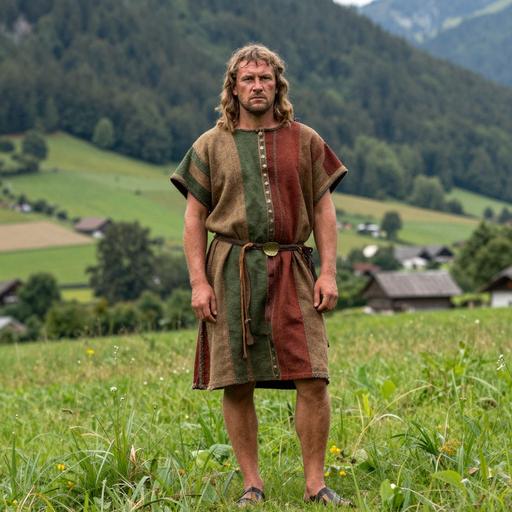
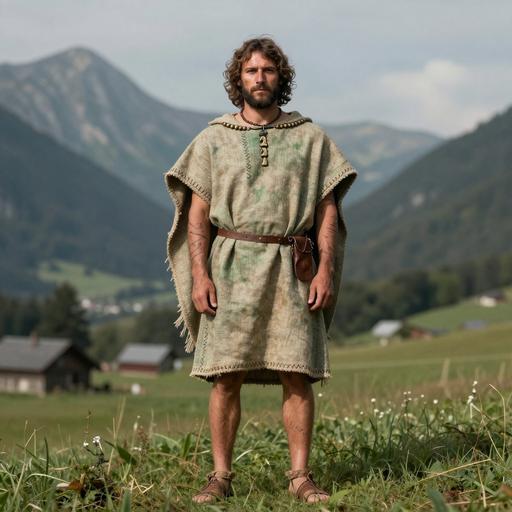
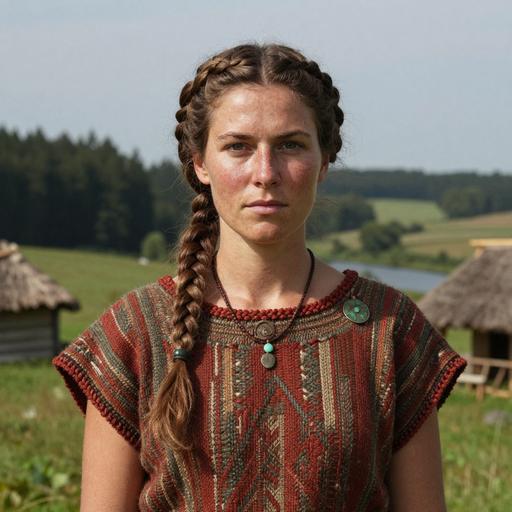
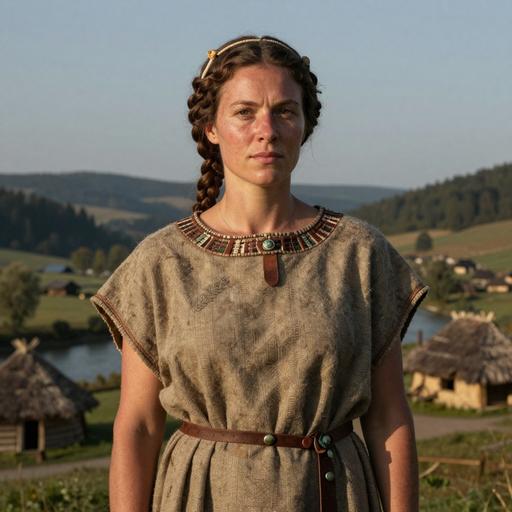
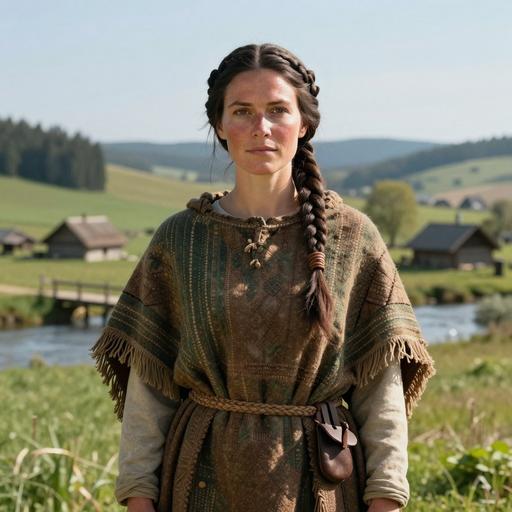
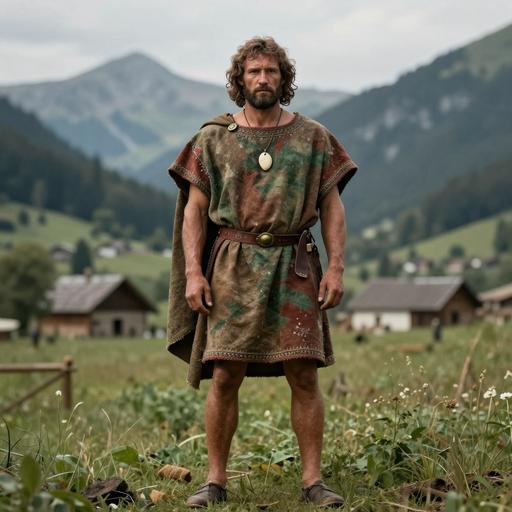
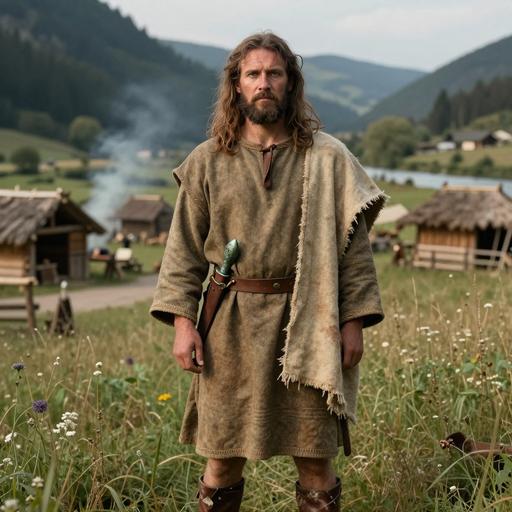
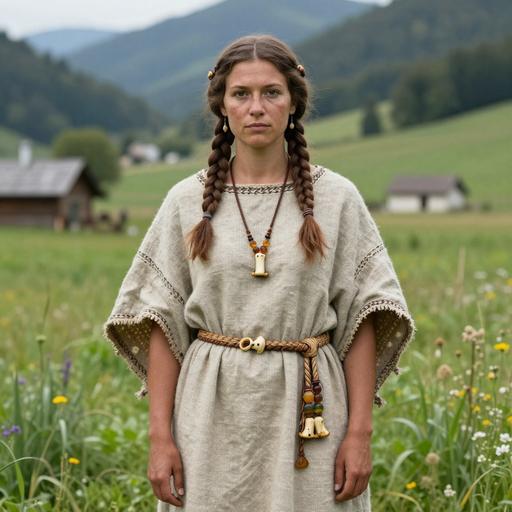
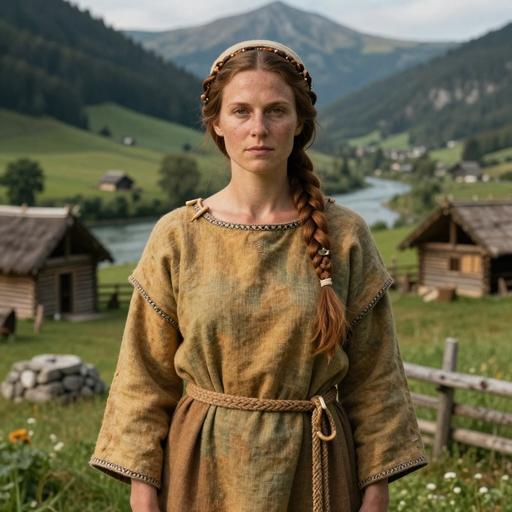
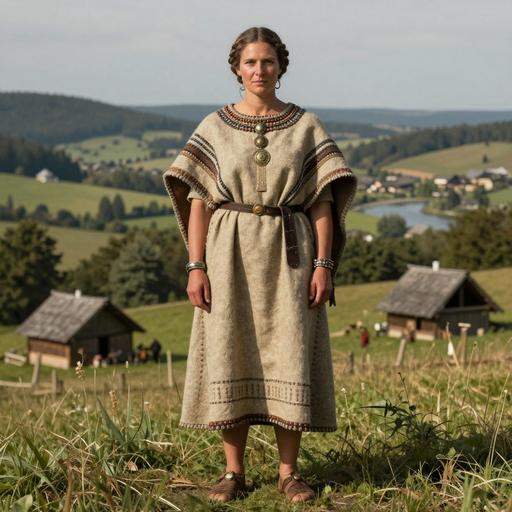
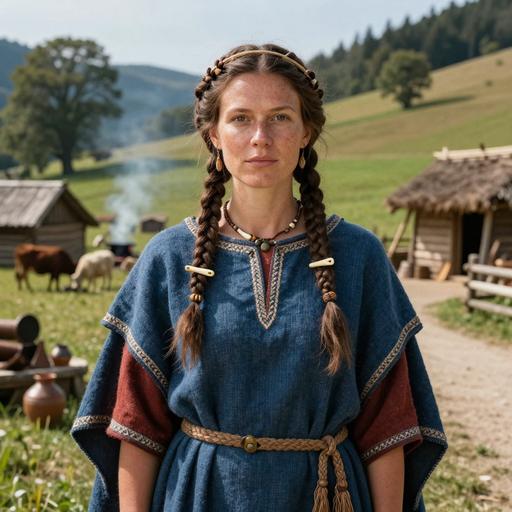
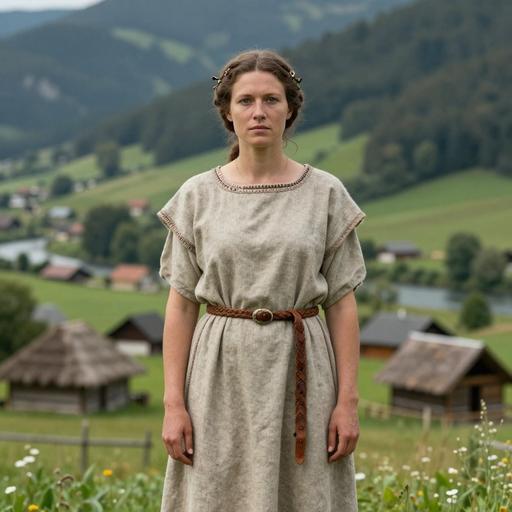
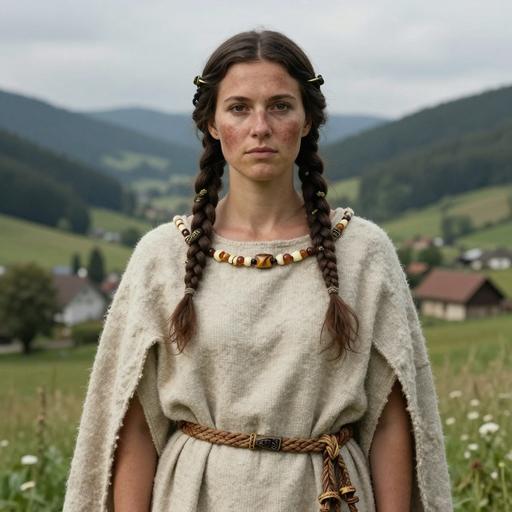
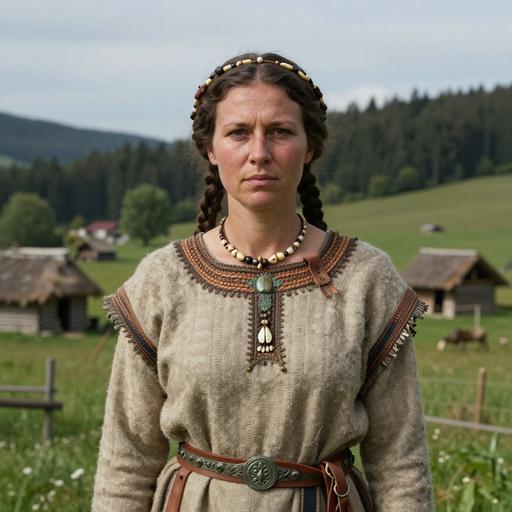
Life in these Bronze Age communities played out in clustered farmsteads, seasonal fields, and metallurgical workshops. Archaeological remains—slag, crucible fragments, and moulds—attest to local bronze production and recycling. Hoards and grave goods from sites in NW Bohemia and the Lech Valley suggest both localized craft traditions and participation in long‑distance exchange networks for copper and tin.
Funerary evidence is varied: in parts of Bohemia, cremation with urn burial becomes common in later centuries (consistent with the Knovíz cultural horizon), while in other places in Bavaria inhumation graves with grave goods persist. Burial treatments and the distribution of prestige objects indicate social differentiation, but the scale of hierarchy remains difficult to quantify. Limited osteological and isotopic studies suggest mixed subsistence—domestic cereals, animal husbandry, and seasonal wild resources—illustrating a mosaic economy tuned to valley soils and upland pastures.
Archaeological data indicates gendered craft roles in some contexts, but the degree of mobility for women versus men varies by site. Ethnographic analogy and new ancient DNA studies are beginning to reveal how family networks, marriage practices, and exchange shaped everyday life across these landscapes.
Local bronzeworking and long‑distance metal exchange
Varied funerary rites: cremation and inhumation reflect cultural change
Genetic Profile
DNA Patterns Across the Lech–Bohemia Corridor
This dataset of 172 individuals provides robust genetic insight into Bronze Age Central Europe from 2199 to 800 BCE. Y‑chromosome counts show a dominance of haplogroup R (38 samples), with smaller counts of BT (4), P (2), I (2), and F (1). The prominence of R is consistent with broader Bronze Age patterns where Steppe‑derived ancestries contributed strongly to male lines; however, the label “R” without subclade resolution should be treated cautiously—subclade data are needed to tie these Y‑lines to specific migration episodes.
Mitochondrial diversity is relatively high: H (33), U (27), K (23), J (16), and X (9) are the most frequent. This diversity suggests substantial maternal continuity and local ancestry contributions alongside incoming lineages. The contrast between a concentrated set of dominant Y‑lineages and a broad maternal pool can reflect male‑biased mobility or patrilocal practices, but alternative explanations—such as differential preservation or sampling bias—are possible.
Site‑level comparisons (e.g., Kleinaitingen vs. Hostivice) reveal geographic structure: some communities show stronger Steppe‑associated signatures, while others retain a higher proportion of Neolithic‑derived maternal haplotypes. Because counts for some haplogroups (P, I, F) are low, conclusions about their roles remain preliminary. Integration of genome‑wide ancestry, Y‑subclades, and strontium isotopes will refine models of kinship, migration, and social organization.
172 samples provide substantial statistical power for regional patterns
Dominant Y‑lineage R with diverse maternal haplogroups suggests sex‑biased processes
Legacy & Modern Connections
Echoes in the Present
The genetic and archaeological threads woven across the Lech Valley and Bohemia contributed to the biological and cultural foundations of later Central European populations. Maternal haplogroups common in this dataset—H and U—persist at notable frequencies in modern Central European populations, reflecting continuity of maternal lines through millennia. The prevalence of Y‑lineage R in Bronze Age contexts foreshadows its dominance in many modern European paternal pools, though later migrations and population turnovers also shaped the genetic landscape.
Cultural innovations from these heartlands—bronze technology, specialized metallurgy, and increasingly regionalized ritual practices—fed into the trajectories of subsequent Iron Age societies. Archaeological continuity at settlement locations around Prague and along the Lech suggests long‑standing habitation that influenced later urban and rural development. Yet caution is needed: genetic continuity is partial, and regional demographic changes during the first millennium BCE and beyond complicate direct lines of descent. Together, archaeology and ancient DNA reveal a story of persistence, transformation, and far‑reaching connections between past and present.
Maternal haplogroups H and U show continuity into later populations
Bronze Age metallurgy and exchange networks shaped regional cultural trajectories
كتالوج العينات
10 / 70 عينة
لا توجد عينات تطابق بحثك.
الصورة
العينة
البلد
الحقبة
التاريخ
الثقافة
الجنس
Y-DNA
mtDNA
Germany
Germany_Lech_EBA
2015-1830 calBCE (3574±19 BP, MAMS-18955)
Central European Bronze Age Cultures
M
R1b1a2a1a2
U5a1a1-b*
Germany
Germany_Lech_EBA
1888-1700 calBCE (3486±27 BP, MAMS-21571)
Central European Bronze Age Cultures
M
R1b1a2a1a2
X2b-a
Germany
Germany_Lech_EBA
1931-1742 calBCE (3508±34 BP, MAMS-21583)
Central European Bronze Age Cultures
M
R1b1a2a1a2
J1c2c2
Germany
Germany_Lech_EBA
2189-1976 calBCE (3681±23 BP, MAMS-18964)
Central European Bronze Age Cultures
M
R1b1a2a1a2
K1a3a
Germany
Germany_Lech_EBA
1885-1696 calBCE (3477±28 BP, MAMS-21562)
Central European Bronze Age Cultures
M
R1b1a2a1a2
H6a
Germany
Germany_Lech_EBA
1891-1690 calBCE (3474±34 BP, MAMS-21586)
Central European Bronze Age Cultures
M
R1b1a2a1a2
H3
Germany
Germany_Lech_EBA
2136-1955 calBCE (3664±24 BP, MAMS-18901)
Central European Bronze Age Cultures
M
R1b1a2a1a2
K1a3
Germany
Germany_Lech_EBA
2199-2027 calBCE (3707±24 BP, MAMS-18966)
Central European Bronze Age Cultures
M
R1b1a2a1a2
T1a1
Germany
Germany_Lech_EBA
1870-1623 calBCE (3417±27 BP, MAMS-21595)
Central European Bronze Age Cultures
M
R1b1a2a1a2
U4a1a
Germany
Germany_Lech_EBA
1883-1695 calBCE (3470±27 BP, MAMS-21594)
Central European Bronze Age Cultures
M
R1b1a2a1a
U4a1a
Germany
Germany_Lech_EBA
2022-1891 calBCE (3596±19 BP, MAMS-18928)
Central European Bronze Age Cultures
M
R1b1a2a1a
H13a2b2a*
Germany
Germany_Lech_EBA
2027-1898 calBCE (3608±20 BP, MAMS-18960)
Central European Bronze Age Cultures
M
R1b1a2a1a2
K2a5d
Germany
Germany_Lech_EBA
2133 BCE
Central European Bronze Age Cultures
F
-
K1a4a1
Germany
Germany_Lech_EBA
2116-1781 calBCE (3594±37 BP, MAMS-21582)
Central European Bronze Age Cultures
M
R1b1a2a1a2
J1c2c2
Germany
Germany_Lech_EBA
1952 BCE
Central European Bronze Age Cultures
F
-
V
Germany
Germany_Lech_EBA
1926 BCE
Central European Bronze Age Cultures
M
R1b1a2a1a
J1c3
Germany
Germany_Lech_EBA
1742-1544 calBCE (3370±27 BP, MAMS-21592)
Central European Bronze Age Cultures
M
R1b1a2a1a2
H49
Germany
Germany_Lech_EBA
2028-1891 calBCE (3602±25 BP, MAMS-18951)
Central European Bronze Age Cultures
M
R1b1a2
H
Germany
Germany_Lech_EBA
1883 BCE
Central European Bronze Age Cultures
M
R1b1a2
T2a1b1a1b
Germany
Germany_Lech_EBA
1926 BCE
Central European Bronze Age Cultures
F
-
U5b2a2b
Germany
Germany_Lech_EBA
1875 BCE
Central European Bronze Age Cultures
F
-
U4a1a
Germany
Germany_Lech_EBA
2014 BCE
Central European Bronze Age Cultures
F
-
H13a2b2a*
Germany
Germany_Lech_EBA
1917 BCE
Central European Bronze Age Cultures
F
-
U5b2b3a
Germany
Germany_Lech_EBA
2035 BCE
Central European Bronze Age Cultures
F
-
H41a
Germany
Germany_Lech_EBA
2008-1775 calBCE (3553±24 BP, MAMS-18943)
Central European Bronze Age Cultures
M
R1b1a2a
R1a1a
Germany
Germany_Lech_EBA
1872 BCE
Central European Bronze Age Cultures
F
-
X2b-a
Germany
Germany_Lech_EBA
2114 BCE
Central European Bronze Age Cultures
F
-
HV0h*
Germany
Germany_Lech_EBA
1890 BCE
Central European Bronze Age Cultures
F
-
H5a4a1
Germany
Germany_Lech_EBA
1885 BCE
Central European Bronze Age Cultures
F
-
H1af
Germany
Germany_Lech_EBA
2026 BCE
Central European Bronze Age Cultures
F
-
K1a2a*
Germany
Germany_Lech_EBA
2136-1952 calBCE (3662±24 BP, MAMS-18965)
Central European Bronze Age Cultures
M
P1/K2b2a
K2a5d
Germany
Germany_Lech_EBA
2022 BCE
Central European Bronze Age Cultures
M
I-M170
U4a1b*
Germany
Germany_Lech_EBA
1894 BCE
Central European Bronze Age Cultures
M
R-L2
U4a1a
Germany
Germany_Lech_EBA
2030 BCE
Central European Bronze Age Cultures
M
R-L151
V
Germany
Germany_Lech_EBA
2031-1895 calBCE (3611±23 BP, MAMS-18890)
Central European Bronze Age Cultures
F
-
V7
Germany
Germany_Lech_EBA
2026 BCE
Central European Bronze Age Cultures
F
-
K1a4a1
Germany
Germany_Lech_EBA
1890 BCE
Central European Bronze Age Cultures
F
-
I1a1
Germany
Germany_Lech_EBA
2016 BCE
Central European Bronze Age Cultures
F
-
I1a1
Germany
Germany_Lech_EBA
2011 BCE
Central European Bronze Age Cultures
M
BT
J1c2c2
Germany
Germany_Lech_EBA
2029 BCE
Central European Bronze Age Cultures
F
-
U4a
Germany
Germany_Lech_EBA
2026-1888 calBCE (3597±24 BP, MAMS-18938)
Central European Bronze Age Cultures
M
BT
K1a1b1g
Germany
Germany_Lech_EBA
2029-1899 calBCE (3612±20 BP, MAMS-18957)
Central European Bronze Age Cultures
F
-
T2f8a
Germany
Germany_Lech_EBA
2035 BCE
Central European Bronze Age Cultures
M
R-L2
K1a3
Germany
Germany_Lech_EBA
2016-1781 calBCE (3567±23 BP, MAMS-18899)
Central European Bronze Age Cultures
F
-
K1-a
Germany
Germany_Lech_EBA
2021 BCE
Central European Bronze Age Cultures
M
R-L151
V
Germany
Germany_Lech_EBA
2022-1825 calBCE (3575±25 BP, MAMS-18905)
Central European Bronze Age Cultures
F
-
V7
Germany
Germany_Lech_EBA
1886 BCE
Central European Bronze Age Cultures
M
-
H1e
Germany
Germany_Lech_EBA
2131-1946 calBCE (3648±19 BP, MAMS-18953)
Central European Bronze Age Cultures
F
-
-
Germany
Germany_Lech_EBA
2127-1901 calBCE (3631±24 BP, MAMS-18968)
Central European Bronze Age Cultures
M
R
X2b-a
Germany
Germany_Lech_EBA
2026 BCE
Central European Bronze Age Cultures
M
R-P312
K2a5*
Germany
Germany_Lech_EBA
2112 BCE
Central European Bronze Age Cultures
F
-
K1a4a1
Germany
Germany_Lech_EBA
2027-1891 calBCE (3600±24 BP, MAMS-18903)
Central European Bronze Age Cultures
F
-
X2b
Germany
Germany_Lech_EBA
2035 BCE
Central European Bronze Age Cultures
F
-
H2a1
Germany
Germany_Lech_EBA
2124-1927 calBCE (3631±20 BP, MAMS-18973)
Central European Bronze Age Cultures
M
R-L2
H41a*
Germany
Germany_Lech_EBA
1893-1701 calBCE (3493±28 BP, MAMS-21564)
Central European Bronze Age Cultures
F
-
H5d
Germany
Germany_Lech_EBA
2027 BCE
Central European Bronze Age Cultures
F
-
U5b2a1a1
Germany
Germany_Lech_EBA
1947 BCE
Central European Bronze Age Cultures
F
-
H4a1a1a6
Germany
Germany_Lech_EBA
2034 BCE
Central European Bronze Age Cultures
F
-
T2*
Germany
Germany_Lech_EBA
2016 BCE
Central European Bronze Age Cultures
F
-
H1j2a1
Germany
Germany_Lech_EBA
2026 BCE
Central European Bronze Age Cultures
U
BT-M42
K1a1b1g
Germany
Germany_Lech_EBA
1740-1542 calBCE (3364±28 BP, MAMS-21566)
Central European Bronze Age Cultures
M
F-M89
H2a2a1
Germany
Germany_Lech_EBA
1881-1687 calBCE (3454±28 BP, MAMS-21565)
Central European Bronze Age Cultures
F
-
X2b-a
Germany
Germany_Lech_EBA
1926 BCE
Central European Bronze Age Cultures
M
R-M269
K1c1
Germany
Germany_Lech_EBA
2011 BCE
Central European Bronze Age Cultures
F
-
U5b1c2*
Germany
Germany_Lech_EBA
2027 BCE
Central European Bronze Age Cultures
F
-
X2b
Germany
Germany_Lech_EBA
2139 BCE
Central European Bronze Age Cultures
M
-
J2b1a
Germany
Germany_Lech_EBA
2127 BCE
Central European Bronze Age Cultures
F
-
T2c1d-a
Germany
Germany_Lech_EBA
2018-1775 calBCE (3560±28 BP, MAMS-21569)
Central European Bronze Age Cultures
F
-
H1-d
Germany
Germany_Lech_EBA
2029 BCE
Central European Bronze Age Cultures
F
-
V1a
Germany
Germany_Lech_EBA
2138 BCE
Central European Bronze Age Cultures
U
-
-
Early Bronze Age Lech Valley, Germany - Germany - Haunstetten - Postillionstraße
Early Bronze Age Lech Valley, Germany - Germany - Königsbrunn - Obere Kreuzstraße (Baugebiet 110)
Germany Germany_Lech_EBA 2029 BCE
mt: V1a
Early Bronze Age Lech Valley, Germany - Germany - Friedberg - Metzgerwäldchen
Germany Germany_Lech_EBA 2138 BCE
مساعد الذكاء الاصطناعي
مساعد الذكاء الاصطناعي
من DNA Genics
فتح هذه الميزة
اطرح أسئلة عن ثقافة Heartlands of Bronze: Lech–Bohemia. يمكن للمساعد شرح النتائج الجينية والسياق التاريخي والأدلة الأثرية والصلات بالعصر الحديث.
AI-generated interpretation of genetic similarity, not proof of ancestry. Informational only, not professional advice.
Read full notice
Before you continue: the analysis you are about to generate is produced by an AI model. AI output can be incomplete, inaccurate, or simply wrong. It describes statistical genetic similarity to reference populations and is not proof of ancestry, ethnicity, identity, or descent. It is provided for informational and educational purposes only, and is not medical, diagnostic, genealogical, legal, or other professional advice. Do not rely on it to make health, financial, legal, or family decisions. To the fullest extent permitted by applicable law, DNA Genics, S.L. accepts no liability for any loss or decision arising from your use of this AI output.
مثال على تحليل بالذكاء الاصطناعي
لمحة عن ثقافة Heartlands of Bronze: Lech–Bohemia
تساعد عينات الحمض النووي القديم الباحثين على دراسة أنماط الهجرة والعلاقات الجينية بين المجموعات السكانية القديمة.
هذه معاينة للتحليل. يتيح المساعد الكامل استكشاف الموضوعات التالية: