انتقل إلى المحتوى الرئيسي
ملفات الحمض النووي

Island of the North: Bolshoy Oleniy MBA

Peat‑preserved burials on a Kola Island illuminate a fragile Bronze Age northern lifeway

1738 CE - 1461 BCE
Bolshoy‑Oleniy‑Ostrov, Murmansk Oblast, Russia

القصة

Ancient burials from Bolshoy‑Oleniy‑Ostrov (Murmansk Oblast) dated 1738–1461 BCE reveal maritime lifeways and northern maternal lineages (mtDNA U, Z). Limited samples (n=3) make genetic links tentative but suggest continuity with wider northern Eurasian hunter‑gatherer traditions.

Time Period

1738–1461 BCE (Middle Bronze Age)

Region

Bolshoy‑Oleniy‑Ostrov, Murmansk Oblast, Russia

Common Y-DNA

Unknown / not reported for these samples

Common mtDNA

U (2 samples), Z (1 sample)

الخط الزمني

2000 BCE

Island used in broader prehistoric sequence

Archaeological evidence indicates Bolshoy‑Oleniy‑Ostrov was a focal funerary place across multiple prehistoric phases.

1738 BCE

Oldest radiocarbon date in this set

Earliest dated burial from the sampled Middle Bronze Age interval on Bolshoy‑Oleniy‑Ostrov.

1461 BCE

Latest radiocarbon date in this set

Most recent burial within the 1738–1461 BCE range for the three analyzed individuals.

Origins & Emergence

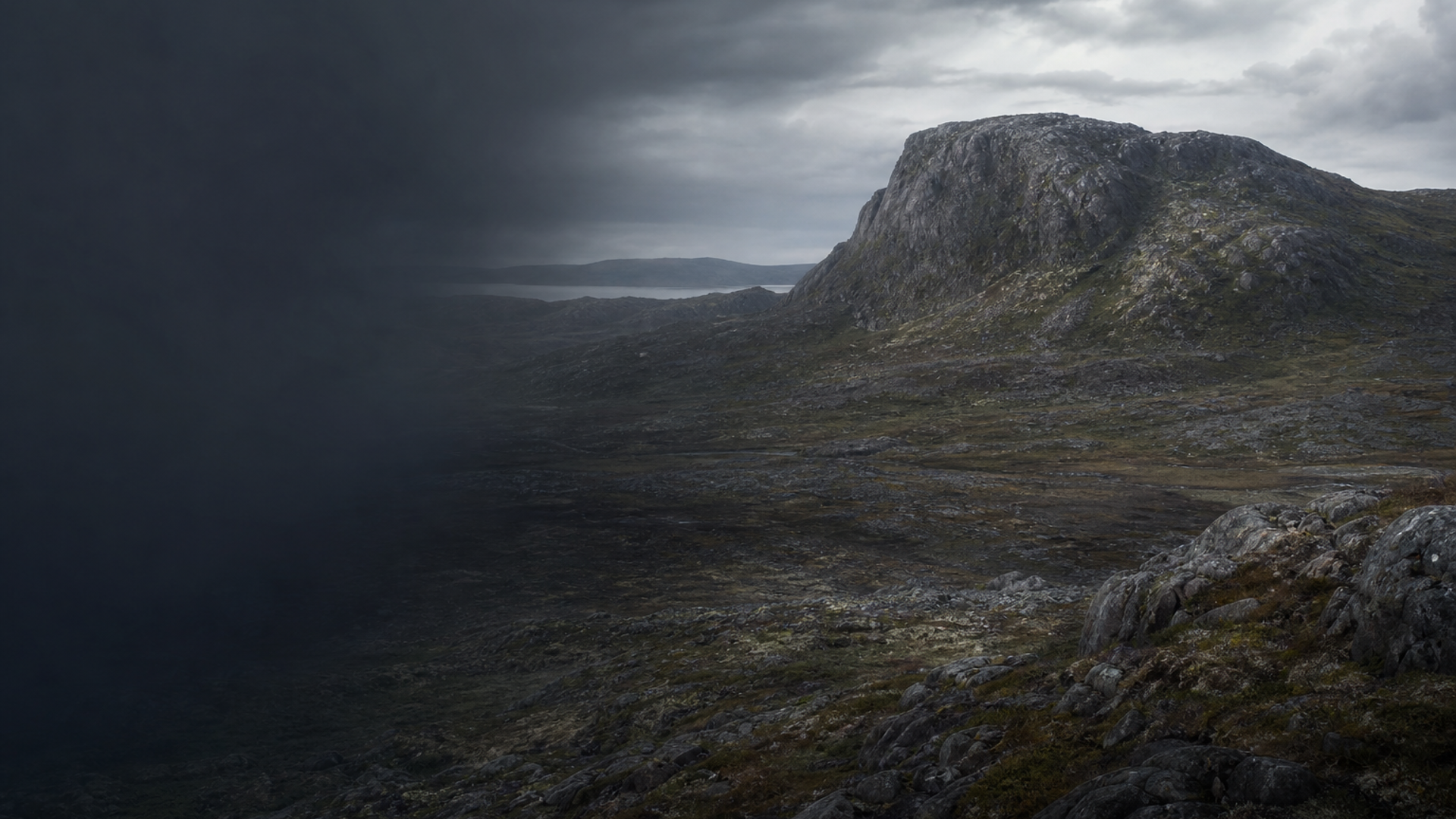
Bolshoy‑Oleniy‑Ostrov sits like a small, peat‑matted stage at the edge of the Barents Sea. Archaeological data indicates the island was used as a burial ground at multiple times in prehistory; the Middle Bronze Age component dated here to 1738–1461 BCE represents one later chapter in long island use. Limited excavations and radiocarbon dating link these burials to a regional tradition sometimes grouped with the Bolshoy Oleniy Ostrov Culture, itself known from organic‑rich graves preserved in peat and marsh.

Material traces are fragmentary but evocative: peat preservation can lock in textiles, bone, and wooden artifacts that are usually lost to northern soils, so the island provides rare direct insight into material culture in a high‑latitude environment. Archaeological data indicates continuity of funerary focus on the island, suggesting it served as a persistent ritual landscape rather than a large permanent settlement.

The environment—coastal waters rich in fish and marine mammals, tundra and river valleys—shaped human choices. Sea routes across the Kola coast connected islands to mainland camps, and exchange of raw materials and motifs across the peninsula is archaeologically plausible. Because the genetic sample set is very small (n=3), any model of population origin or movement must remain provisional and framed as a hypothesis to be tested by future finds.

  • Burials dated 1738–1461 BCE on Bolshoy‑Oleniy‑Ostrov
  • Site preserves organic materials in peat—rare for northern sites
  • Likely part of the broader Bolshoy Oleniy Ostrov cultural tradition

Daily Life & Society

Archaeological remains from the Kola littoral conjure an economy tuned to sea and shore. Faunal fragments and artifact distributions at comparable coastal sites indicate a diet rich in fish, seals, and migratory birds, supplemented by terrestrial hunting of reindeer and small game. Archaeological data indicates seasonal mobility: groups likely moved between island funerary loci, coastal camps, and inland hunting grounds following resources and daylight.

Craftsmen in these cold, wind‑scarred landscapes worked bone and antler, and where metal is present it appears in modest quantities—suggesting limited access to bronze technology or selective use for personal and ritual objects. The island cemetery’s very existence points to communal memory and ritual investment: returning to the same small island for burial implies territorial recognition and lineage claims tied to place.

Social scale was likely small: households and kin groups rather than dense villages. Exchange networks—carrying amber, raw materials, and stylistic traits along the Kola coast and into the wider Barents zone—connected these islanders to neighbors without implying mass migration. Organic preservation hints at clothing and textile skills adapted to polar conditions, but preservation is uneven and interpretations remain cautious.

  • Maritime‑focused subsistence (fish, seal) with terrestrial hunting
  • Seasonal mobility and small kin‑based social groups

Genetic Profile

Three Middle Bronze Age individuals from Bolshoy‑Oleniy‑Ostrov yield mitochondrial DNA lineages dominated by haplogroup U (2/3) and Z (1/3). These maternal markers are informative in a northern Eurasian context: mtDNA U lineages are widespread among Mesolithic and later hunter‑gatherer populations across Europe and into Russia, often associated with deep northern ancestry components. Haplogroup Z is less common in western Europe and is observed in northern and eastern Eurasia, hinting at genetic links that extend toward circumpolar and Siberian regions.

No Y‑chromosome haplogroups are reported for these three individuals, so male‑line inferences cannot be drawn from this dataset. The small sample size (n=3) is the most important caveat: with fewer than ten genomes, population‑level statements are preliminary. Archaeological context combined with these maternal lineages suggests continuity with northern hunter‑gatherer genetic backgrounds and possible inputs from eastern/northeastern gene pools, but robust conclusions will require more samples from the Kola Peninsula and adjacent regions.

Genetics thus complements archaeology by indicating maternal ancestries consistent with high‑latitude adaptations and wide‑ranging contacts; it does not yet resolve questions about social structure, mobility, or language. Future genomic sampling and isotopic analyses could test models of local continuity versus incoming groups.

  • mtDNA: U (2 samples) and Z (1 sample), suggesting northern Eurasian maternal ancestry
  • Sample size small (n=3); conclusions are tentative pending more data

Legacy & Modern Connections

The island graves of Bolshoy‑Oleniy‑Ostrov form a fragile bridge between present and deep past: organic remains and DNA offer threads that may connect Bronze Age islanders to later northern populations. Archaeological data indicates cultural continuity in funerary practice on the island across centuries, and the presence of mtDNA U and Z ties these individuals to maternal lineages that persist in northern Eurasia today.

Because genetic sampling is extremely limited, claims of direct descent from these specific people to modern groups are premature. However, the combination of peat‑preserved material culture and early genetic signals enriches our understanding of how coastal and island communities in the Barents region participated in wider networks of exchange and maintained distinct northern lifeways. This fragile archive urges continued, respectful study: each additional sample can shift the narrative from tentative suggestion to confident reconstruction.

  • Maternal lineages (U, Z) persist in northern Eurasia but direct continuity is unproven
  • Site underscores the value of organic‑preserving contexts for ancient DNA

مساعد الذكاء الاصطناعي

مساعد الذكاء الاصطناعي من DNA Genics

فتح هذه الميزة
اطرح أسئلة عن ثقافة Island of the North: Bolshoy Oleniy MBA. يمكن للمساعد شرح النتائج الجينية والسياق التاريخي والأدلة الأثرية والصلات بالعصر الحديث.
مثال على تحليل بالذكاء الاصطناعي

لمحة عن ثقافة Island of the North: Bolshoy Oleniy MBA

تساعد عينات الحمض النووي القديم الباحثين على دراسة أنماط الهجرة والعلاقات الجينية بين المجموعات السكانية القديمة.

هذه معاينة للتحليل. يتيح المساعد الكامل استكشاف الموضوعات التالية:

  • التركيب الجيني والأصول
  • أنماط الهجرة والأصول
  • الحياة اليومية والممارسات الثقافية
  • الإرث الجيني المعاصر