انتقل إلى المحتوى الرئيسي
ملفات الحمض النووي

Queensland Coasts: Pre‑European Peoples

A fragmentary genetic portrait of coastal Aboriginal life in Queensland, 410–1788 CE

410 CE - 1788 CE
Queensland, Australia (Flinders Is., Mapoon)
4 عينات قديمة

القصة

Archaeological remains from Flinders Island and Mapoon (410–1788 CE) reveal coastal lifeways and a consistent maternal lineage (mtDNA P) in four samples. Limited genomes suggest deep Australian ancestry and preliminary paternal diversity (Y F, P). Interpretations remain tentative given small sample size.

Time Period

410 CE – 1788 CE

Region

Queensland, Australia (Flinders Is., Mapoon)

Common Y-DNA

F, P (each observed in 1 of 4 samples; limited data)

Common mtDNA

P (observed in all 4 samples)

مواقع العينات

الخريطة التفاعلية غير متاحة. يمكنك الاطلاع على المواقع المسجّلة في كتالوج العينات.

الخط الزمني

1788 CE

Colonial contact intensifies

The arrival and expansion of European colonization in eastern Australia began profound social and demographic changes affecting Indigenous Queensland communities (summary is general; local impacts varied).

Origins & Emergence

Archaeological data indicates that the people identified here were part of long‑standing Aboriginal occupations of northeastern Australia. The dated samples (410–1788 CE) derive from coastal contexts at Flinders Island in the Great Barrier Reef Marine Park and from Mapoon on Cape York. These sites sit on landscapes shaped by sea levels, tidal ecologies and rich reef and estuarine resources.

Limited evidence suggests continuity with much older Pleistocene and Holocene populations across Australia: maternal lineages such as mtDNA P are deep‑rooted in the continent’s genetic record and are consistent with long regional persistence rather than recent arrival. The presence of Y‑chromosome lineages classified as F and P in single samples hints at paternal diversity but cannot resolve population structure on its own.

Archaeological indicators—shell middens, fishhooks, and rock art traditions in broader Queensland contexts—point to highly mobile, seasonally attuned lifeways that exploited both reef and mainland resources. However, the small number of ancient genomes (n=4) means that any model of emergence or demographic change remains provisional; further archaeological sampling and respectful collaboration with descendant communities are essential to refine this picture.

  • Samples dated 410–1788 CE from Flinders Island and Mapoon
  • mtDNA P present in all four individuals, suggesting deep maternal continuity
  • Paternal markers (Y F, P) observed but too few to define patterns

Daily Life & Society

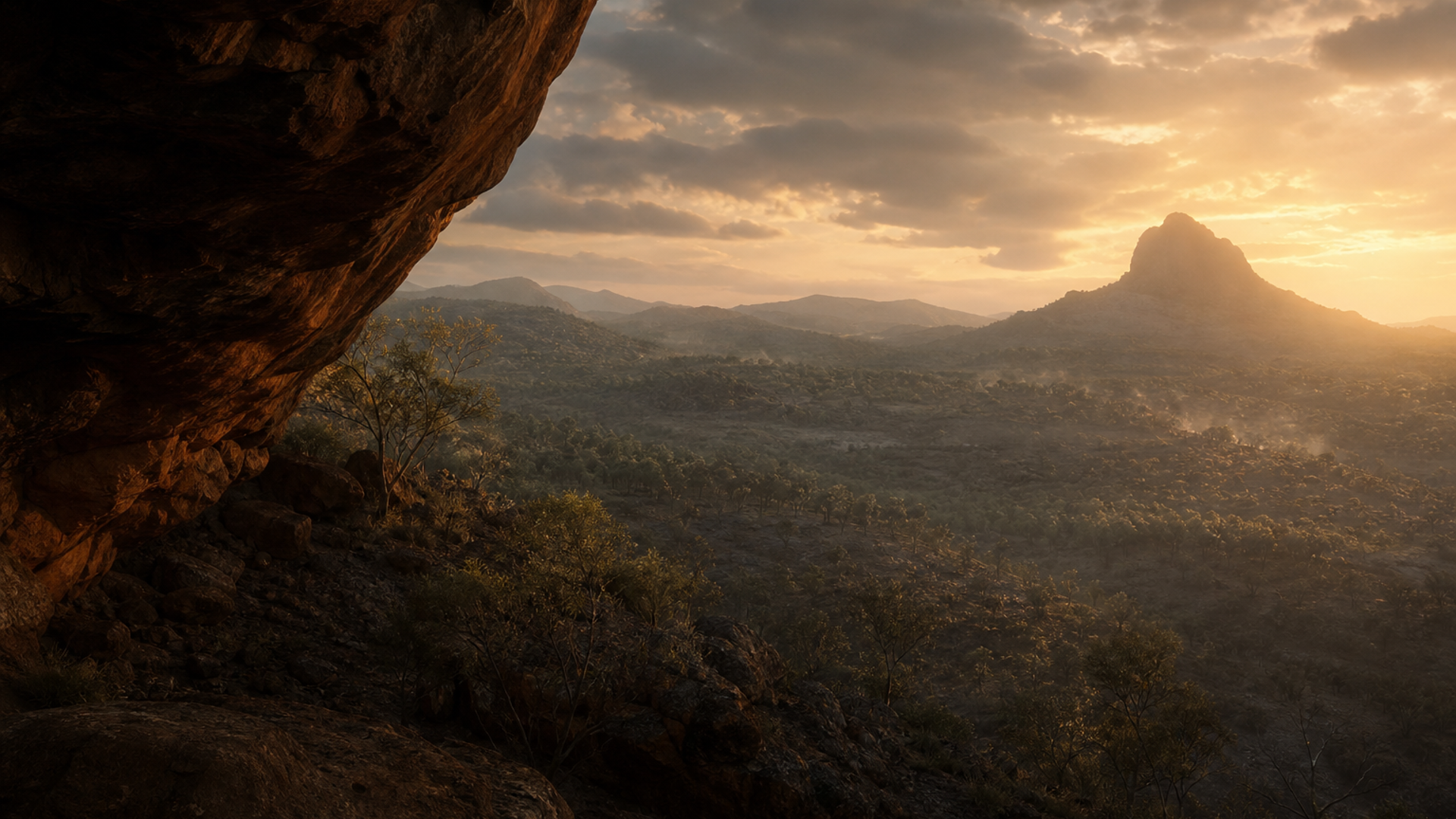
Coastal Queensland offered a cinematic mix of reefs, mangroves, estuaries and open ocean. Archaeological evidence from the region indicates dependence on marine resources—fish, shellfish, turtles and seabirds—supplemented by hunting, foraging and plant use on adjacent mainland and island environments. Sites such as Flinders Island preserve the echoes of repeated seasons: thick shell middens, working stone flakes and concentrations of food debris.

Social life in these settings was organized around kinship networks and mobility rhythms tied to resource availability. Canoe travel, inter‑island exchange and seasonal gatherings likely structured marriage ties and knowledge transmission, including songlines and navigational lore. Material culture would have included intricately made tools for fishing and shellworking, ornamentation, and portable goods carried along maritime routes. Rock art and oral traditions from the broader Cape York and Torres Strait regions testify to complex cosmologies that integrate sea and land.

Archaeological interpretations must be balanced with oral histories and contemporary Indigenous knowledge. The material record alone is incomplete; when combined with genetic data, it can illuminate patterns of relatedness, mobility and resilience, but only tentatively when sample numbers are low.

  • Coastal foraging dominant: reefs, mangroves, estuaries
  • Seasonal mobility and kin-based social organization

Genetic Profile

The genetic dataset for Australia_Queensland_PreEuropean is very small (n=4) and must be treated as preliminary. All four individuals carry mtDNA haplogroup P, a maternal lineage well attested in ancient and modern Australian samples and often interpreted as part of deep, continent‑wide maternal continuity. This uniformity in maternal markers across disparate coastal locations suggests either strong local continuity or shared maternal ancestry among these sampled individuals.

Paternal markers are more variable in this tiny set: one individual carries a Y‑haplogroup assigned to F and another to P. Both haplogroups are recognized within broader studies of Australian and nearby Oceanian populations but appear at low numbers here; with only two Y‑chromosome observations, it is impossible to infer demographic processes such as patrilineal structure or sex‑biased mobility.

When placed alongside regional ancient DNA and modern Aboriginal Australian genomes, these results fit a pattern of deep divergence from non‑Australian populations and long regional persistence. However, low sample counts (<10) severely limit statistical power; observed haplogroup frequencies may not represent pre‑European population diversity in Queensland. Future sampling—carried out in partnership with Indigenous communities—will be critical to test these early signals of maternal continuity and paternal variation.

  • mtDNA P in all four samples indicates deep maternal continuity
  • Y‑DNA shows F and P in single samples—preliminary and limited

Legacy & Modern Connections

The people reflected in these remains are part of living Aboriginal nations whose cultures, languages and custodial relationships to land and sea continue today. Genetic traces such as mtDNA P underscore long‑term connections to place, but genetics alone cannot capture the full depth of cultural continuity, law, or oral history.

Scientific findings should therefore be integrated respectfully with community knowledge and stewardship. For ancestry platforms and heritage projects, the ethical default is collaboration, consent and co‑interpretation—especially in regions where contact and colonization profoundly disrupted demographic and cultural patterns after 1788 CE. Limited ancient sampling provides tantalizing hints of continuity, but modern descendants and Indigenous scholarship remain central to understanding lineage, identity and legacy.

  • mtDNA continuity resonates with Indigenous ties to Country
  • Genetic results are provisional; community partnership is essential

كتالوج العينات

4 / 4 عينة
الصورة العينة البلد الحقبة التاريخ الثقافة الجنس Y-DNA mtDNA
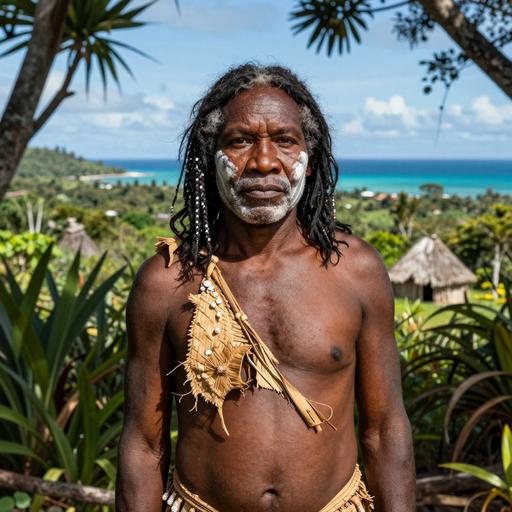
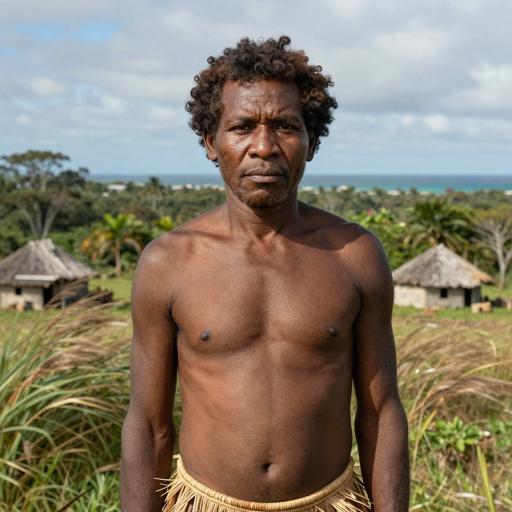
صورة معاد تصورها لـ Aboriginal Australian individual, Australia
Australia Australia_Queensland_PreEuropean 1513 CE Aboriginal Australian M F P5b1
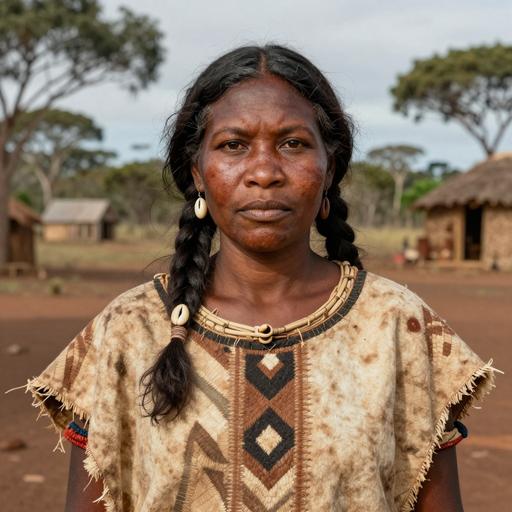
صورة معاد تصورها لـ Aboriginal Australian individual, Australia
Australia Australia_Queensland_PreEuropean 410 CE Aboriginal Australian F - P5a1a
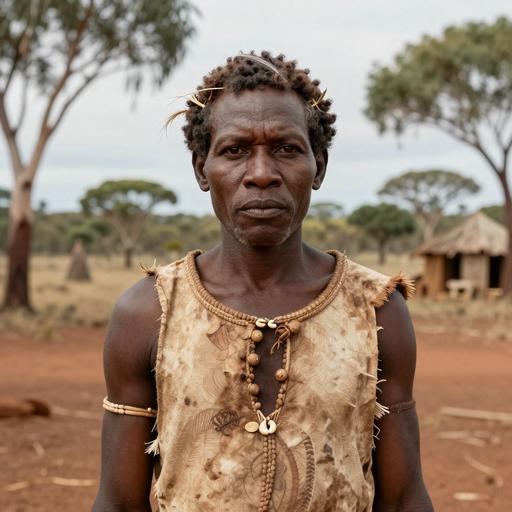
صورة معاد تصورها لـ Aboriginal Australian individual, Australia
Australia Australia_Queensland_PreEuropean 410 CE Aboriginal Australian M P P12a1
صورة معاد تصورها لـ Aboriginal Australian individual, Australia
Australia Australia_Queensland_PreEuropean 410 CE Aboriginal Australian M - P5a1a

مساعد الذكاء الاصطناعي

مساعد الذكاء الاصطناعي من DNA Genics

فتح هذه الميزة
اطرح أسئلة عن ثقافة Queensland Coasts: Pre‑European Peoples. يمكن للمساعد شرح النتائج الجينية والسياق التاريخي والأدلة الأثرية والصلات بالعصر الحديث.
مثال على تحليل بالذكاء الاصطناعي

لمحة عن ثقافة Queensland Coasts: Pre‑European Peoples

تساعد عينات الحمض النووي القديم الباحثين على دراسة أنماط الهجرة والعلاقات الجينية بين المجموعات السكانية القديمة.

هذه معاينة للتحليل. يتيح المساعد الكامل استكشاف الموضوعات التالية:

  • التركيب الجيني والأصول
  • أنماط الهجرة والأصول
  • الحياة اليومية والممارسات الثقافية
  • الإرث الجيني المعاصر