انتقل إلى المحتوى الرئيسي
ملفات الحمض النووي

Southeast Iberia Chalcolithic Echoes

Human stories from caves and copper, 3300–2146 BCE in southeastern Spain

3300 CE - 2146 BCE
Southeast Iberia (Murcia, Alicante)

القصة

Archaeological and genomic evidence from 23 Chalcolithic-era individuals in SE Iberia (3300–2146 BCE) links cave burial sites in Murcia and Alicante with a mixed ancestry—persistent farmer maternal lineages and diverse paternal markers—illuminating regional continuity and emerging social complexity.

Time Period

3300–2146 BCE

Region

Southeast Iberia (Murcia, Alicante)

Common Y-DNA

I, H2, G (counts: I=6, H2=4, G=2)

Common mtDNA

K, J, H (notably K=8, J=6, H=4)

الخط الزمني

2500 BCE

Local Chalcolithic Flourishing

Around 2500 BCE communities in SE Iberia show intensified metal use, diversified burial rites and stronger regional ties between cave sites and open settlements.

Origins & Emergence

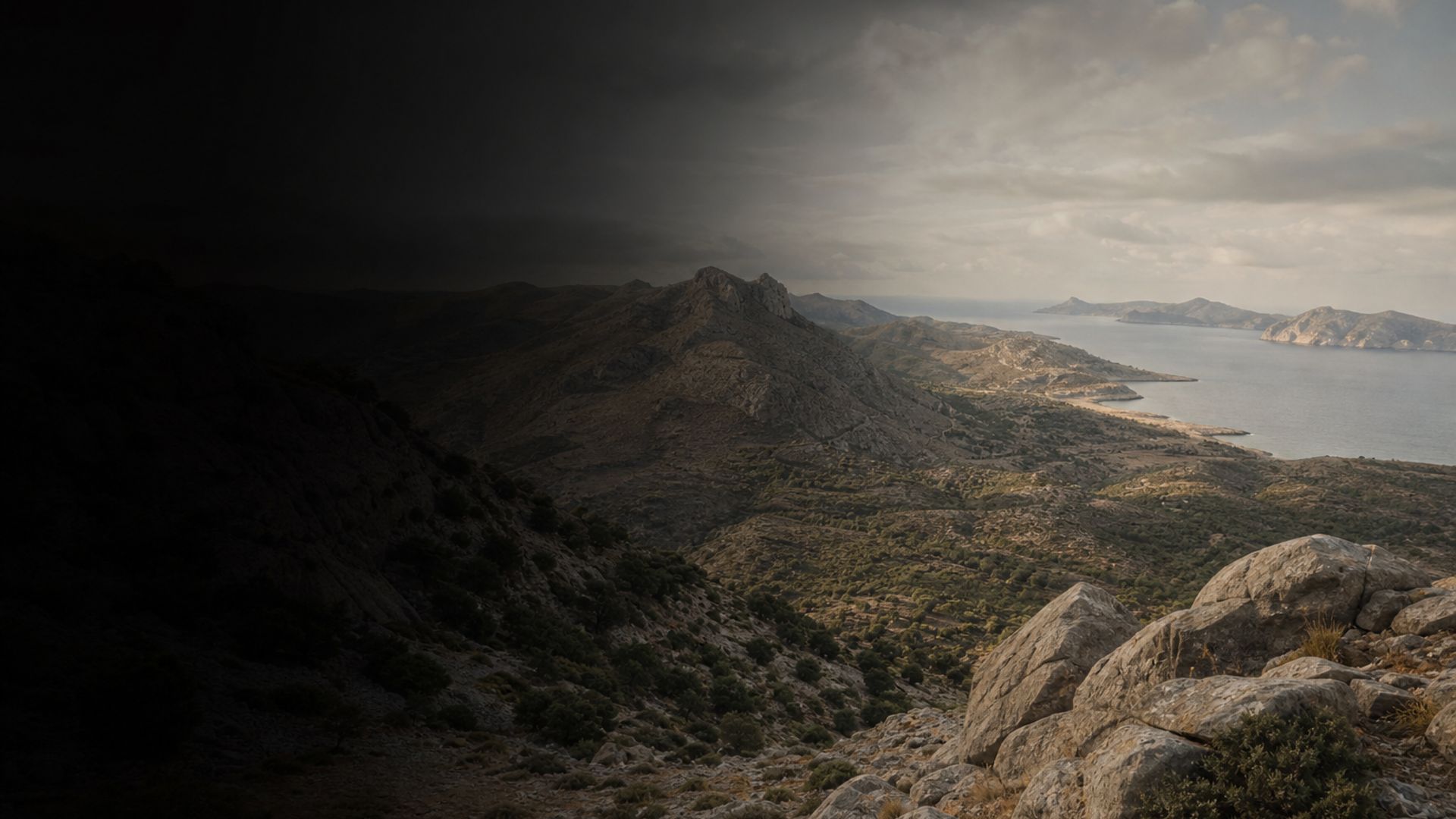
The people designated here as Spain_SE_Iberia_CA lived during the late Chalcolithic of southeastern Iberia, between roughly 3300 and 2146 BCE. Archaeological deposits from cave and rock-shelter sites — notably Camino del Molino (Caravaca, Murcia), Cova d'En Pardo (Planes, Alicante) and Cueva de las Lechuzas (Villena, Alicante) — preserve funerary contexts, pottery styles and occasional copper artefacts that signal a region in transition.

Material culture shows continuity with earlier Neolithic farming communities alongside innovations: more frequent copper tools, modified pottery forms, and rearranged burial practices. These patterns suggest local development rather than wholesale population replacement. Limited evidence points to growing social differentiation: some burials contain richer grave goods and isolated individuals, while many remain modest communal interments.

Archaeological data indicates mobility within the Mediterranean and inland uplands, probably driven by pastoralism, seasonal resources, and emerging exchange in raw materials. While the landscape of southeastern Iberia retains deep Neolithic roots, the Chalcolithic era reveals new social rhythms and technologies that set the stage for later Bronze Age transformations.

  • Sites: Camino del Molino (Caravaca), Cova d'En Pardo (Planes), Cueva de las Lechuzas (Villena)
  • Era: Late Chalcolithic / Copper Age, 3300–2146 BCE
  • Evidence of local continuity with technological and social innovation

Daily Life & Society

Life in Chalcolithic southeast Iberia unfolded between cultivated terraces, Mediterranean scrub, and limestone caves. Archaeobotanical and zooarchaeological signatures from the broader region point to mixed farming—wheat, barley, legumes—combined with sheep, goat and pig husbandry. Cave sites often served as collective burial places rather than domestic habitations; domestic evidence comes from nearby open-air settlements and terraces documented regionally.

Crafts and exchange shaped everyday experience: pottery styles vary but show local traditions; copper items appear intermittently and were likely valuable markers of status. Tools for textile production and bone implements indicate household economies rich in craft specialization. The presence of exotic materials—albeit infrequently—suggests participation in wider exchange networks across Iberia and the western Mediterranean.

Social life balanced communal rituals with emerging inequalities: some individuals received distinct burial treatment or goods, implying differential access to wealth or ritual roles. Mobility, both seasonal and episodic, connected mountain pastures, coastal resources, and interregional routes that knit communities together.

  • Mixed farming and herding with craft production (pottery, textiles, bone working)
  • Caves mainly used for burial; open-air sites hold domestic evidence

Genetic Profile

Genetic analysis of 23 individuals from southeast Iberia (3300–2146 BCE) provides a moderately robust window into Chalcolithic population dynamics. Maternal lineages are dominated by mtDNA haplogroups associated with early European farmers—K (8 samples) and J (6)—alongside H lineages (total H=4, including H1=2) and a lone V. This maternal profile aligns with continuity of Neolithic farmer ancestry in the region.

Paternal markers are more varied: Y-haplogroup I (6 individuals) is common here, with notable counts of H2 (4) and G (2). Haplogroup I is frequently linked to long-standing European male lineages and local hunter-gatherer persistence in some areas; H2 and G have been observed in Neolithic farmer contexts elsewhere. The mix of Y-lineages suggests a complex palimpsest of ancestry rather than a single migrating paternal source.

Autosomal signals for Chalcolithic Iberia often reflect predominantly Neolithic-farmer ancestry with varying contributions from local hunter-gatherers and, in some contemporary Iberian samples, low levels of steppe-related ancestry. In this dataset signals are heterogeneous: some individuals conform closely to farmer-like profiles, while others show elevated hunter-gatherer-associated components. Because autosomal inferences depend on comparative reference panels and regional sampling, interpretations should remain cautious. The sample size (n=23) gives moderate confidence in recurrent patterns, but spatial and temporal gaps mean conclusions are provisional.

  • mtDNA dominated by farmer-associated haplogroups K and J
  • Y-DNA mix (I, H2, G) implies layered paternal ancestries and regional continuity

Legacy & Modern Connections

The genetic and archaeological echoes of SE Iberia's Chalcolithic population continue into the present. Maternal haplogroups such as K, J and H remain common in modern Iberian populations, reflecting deep Neolithic roots preserved through millennia. Paternal lineages seen here—particularly I—are less frequent today but signal continuity of some ancient male lines; H2 and G are relatively rare in modern Iberia, hinting at demographic shifts after the Chalcolithic.

Culturally, the region's adoption of copper, the persistence of communal cave burial practices, and local craft traditions contributed to long-term trajectories in settlement and social organization. Genetic data tied to named sites—Camino del Molino, Cova d'En Pardo, Cueva de las Lechuzas—allows modern communities and researchers to trace threads of ancestry and migration, while reminding us that population histories are mixtures shaped by continuity, contact, and change. Where sample coverage is uneven, interpretations should be treated as evolving with new data.

  • Modern Iberian mtDNA retains many Neolithic-lineage signatures
  • Genetic continuity mixed with later demographic change; interpretations remain provisional

مساعد الذكاء الاصطناعي

مساعد الذكاء الاصطناعي من DNA Genics

فتح هذه الميزة
اطرح أسئلة عن ثقافة Southeast Iberia Chalcolithic Echoes. يمكن للمساعد شرح النتائج الجينية والسياق التاريخي والأدلة الأثرية والصلات بالعصر الحديث.
مثال على تحليل بالذكاء الاصطناعي

لمحة عن ثقافة Southeast Iberia Chalcolithic Echoes

تساعد عينات الحمض النووي القديم الباحثين على دراسة أنماط الهجرة والعلاقات الجينية بين المجموعات السكانية القديمة.

هذه معاينة للتحليل. يتيح المساعد الكامل استكشاف الموضوعات التالية:

  • التركيب الجيني والأصول
  • أنماط الهجرة والأصول
  • الحياة اليومية والممارسات الثقافية
  • الإرث الجيني المعاصر