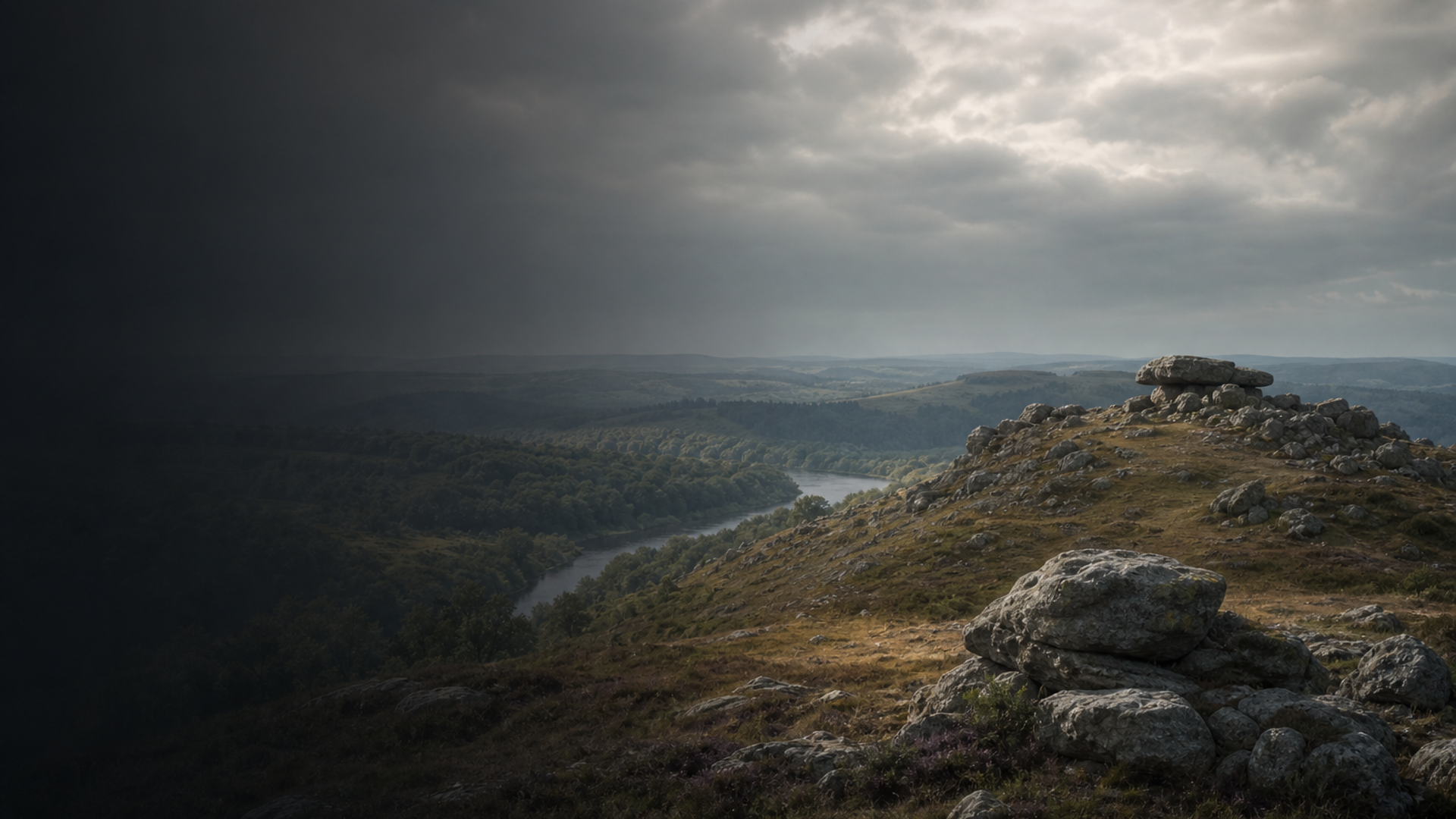
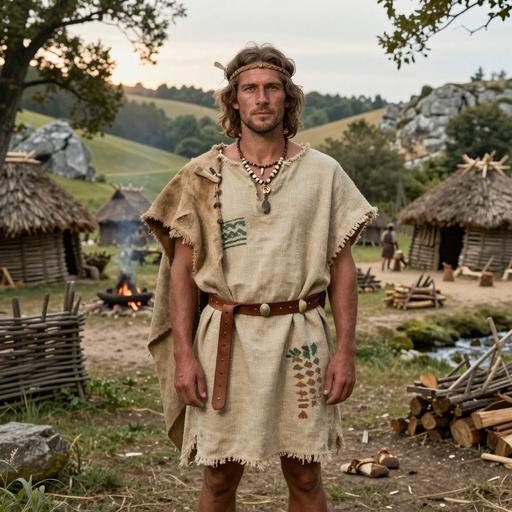
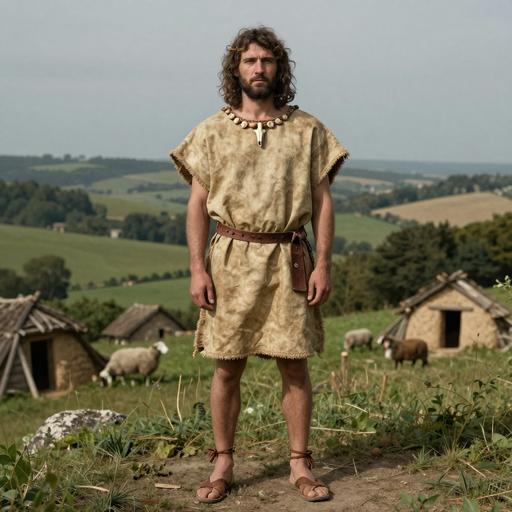
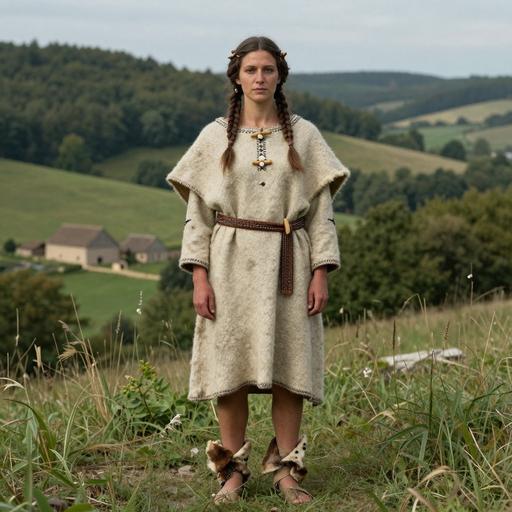
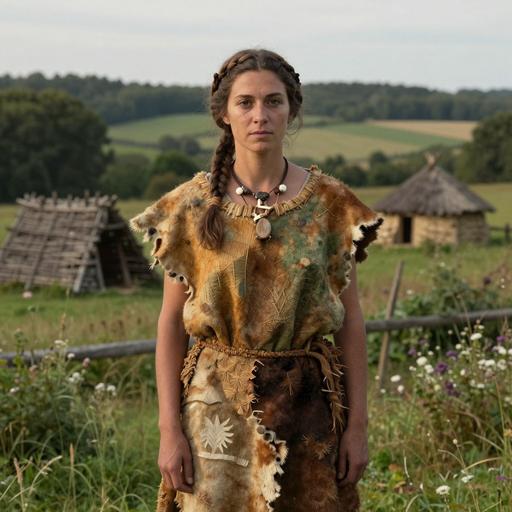
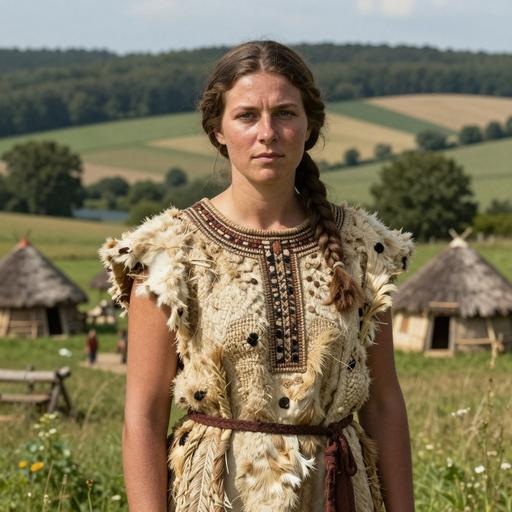
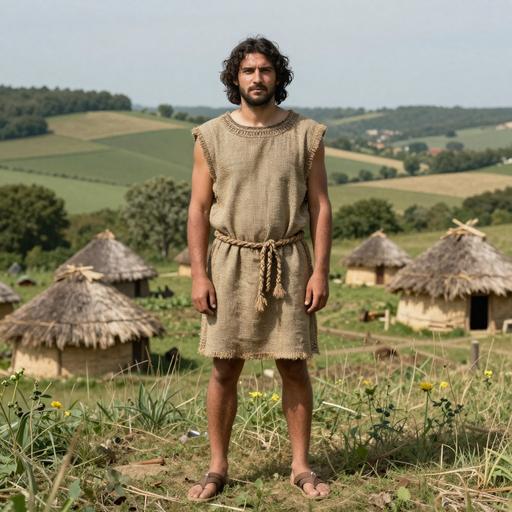
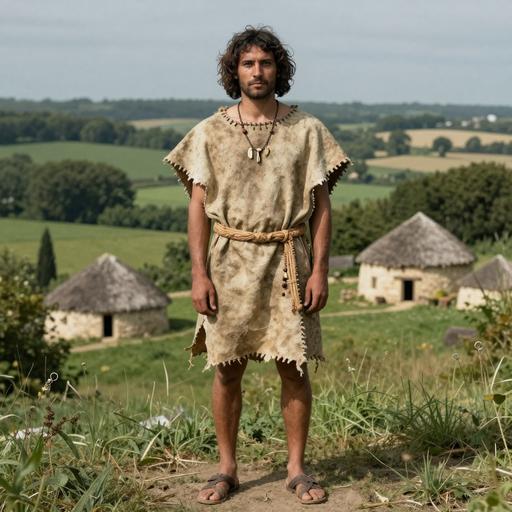
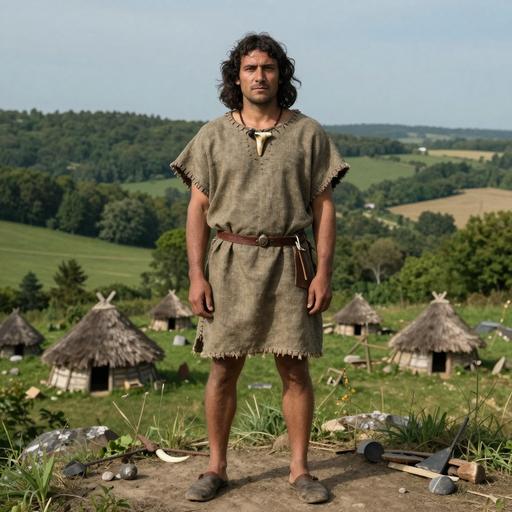
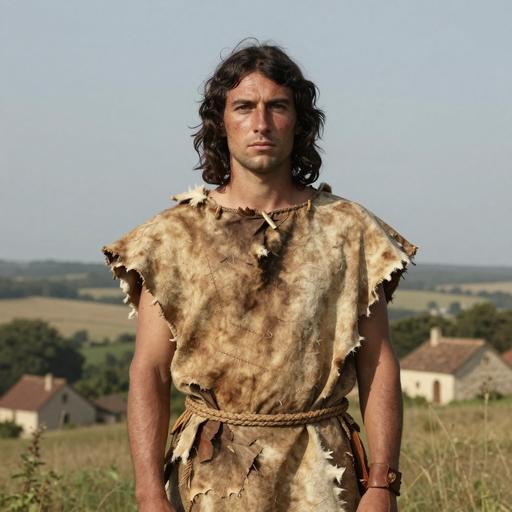
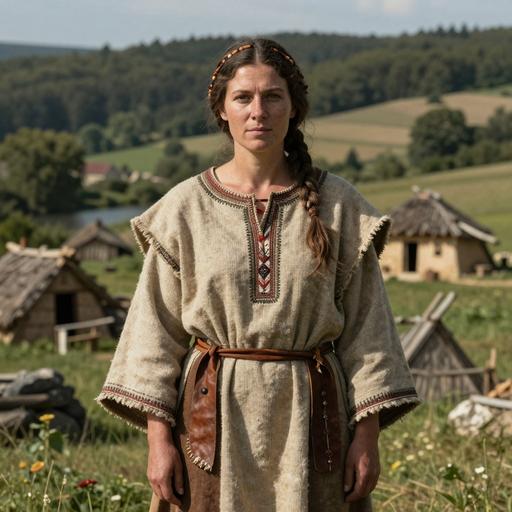
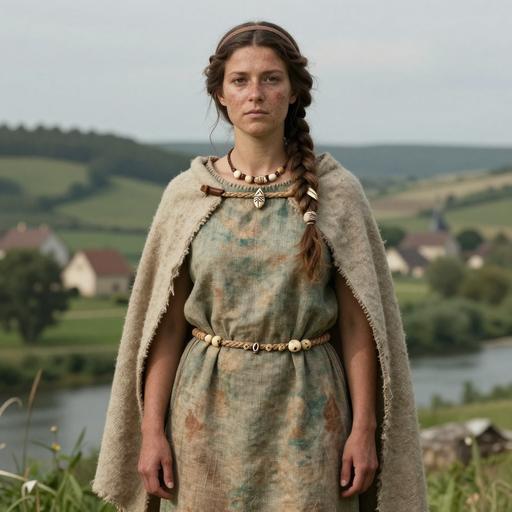
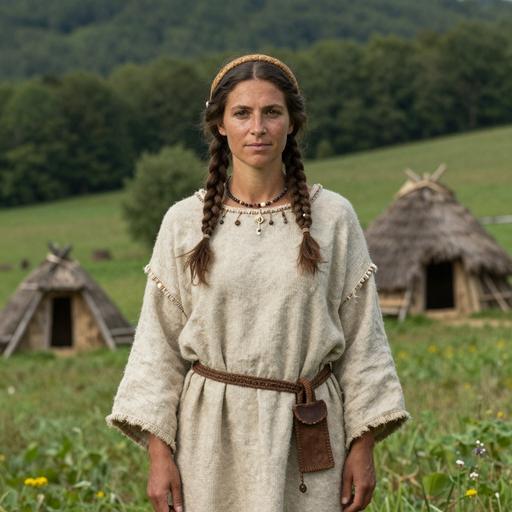
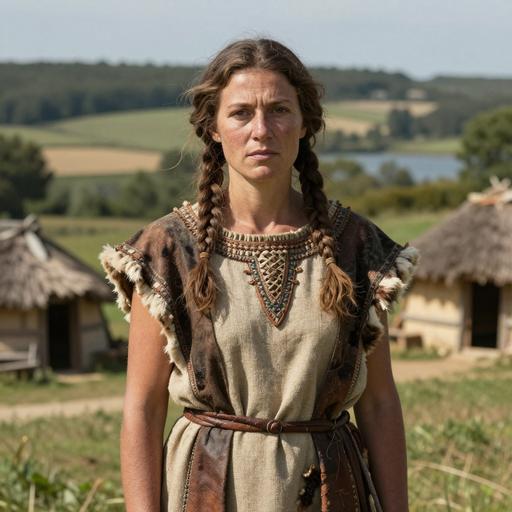
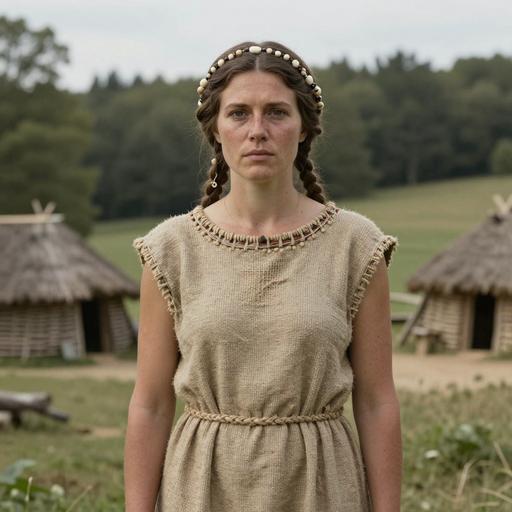
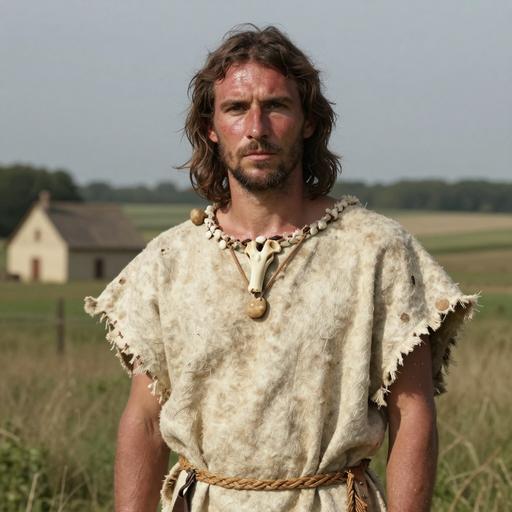
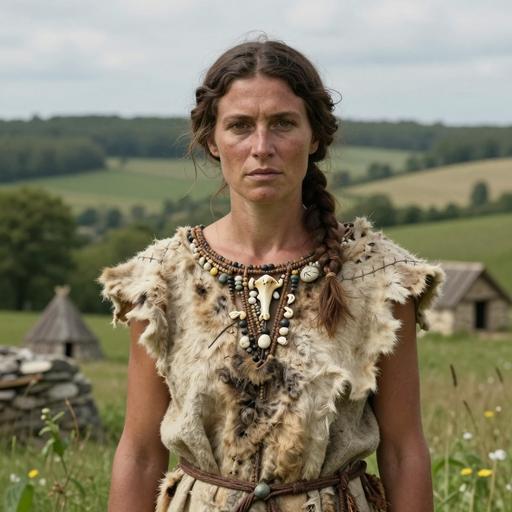
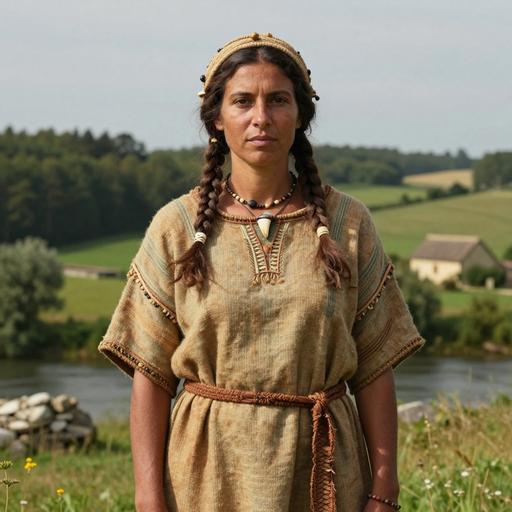
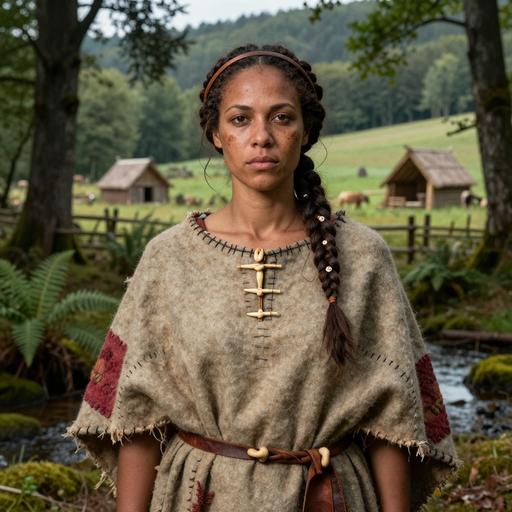
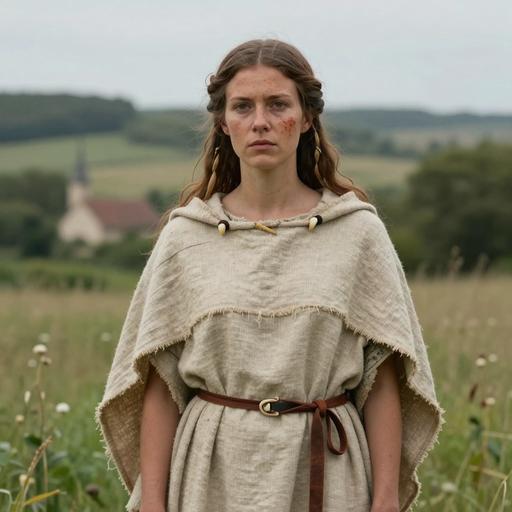
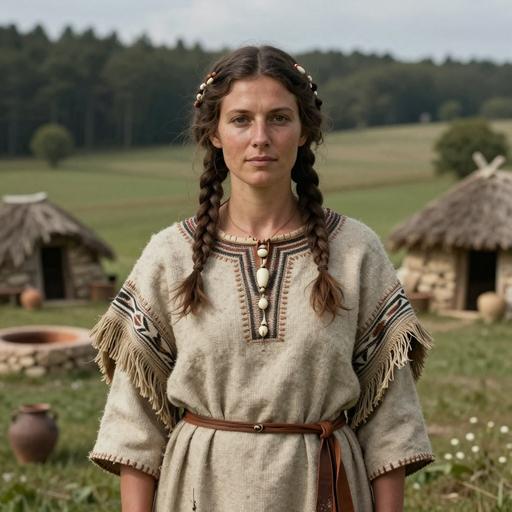
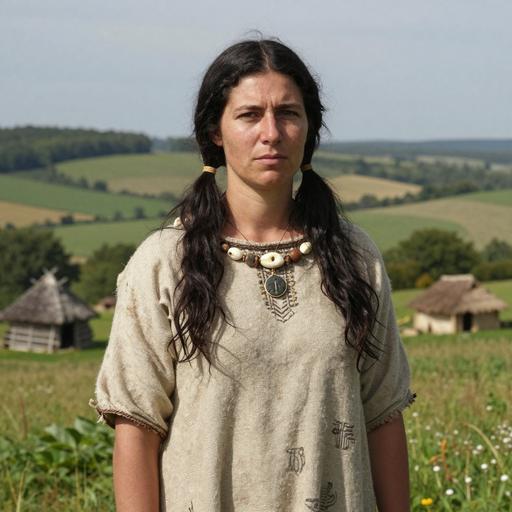
A panoramic, DNA-informed portrait of Neolithic communities (5479 BCE–200 BCE) across France, Iberia, Britain and the Low Countries. Draws on 324 ancient genomes and archaeological contexts — Mont-Aimé, Trumpington Meadows, Atapuerca and more — to link material culture with genetic ancestry.
الخريطة التفاعلية غير متاحة. يمكنك الاطلاع على المواقع المسجّلة في كتالوج العينات.
الخط الزمني
5479 BCE
Earliest dated sample in dataset
An early Neolithic sample near 5479 BCE marks one of the oldest genomes in this Western European series, attesting to early farming presence.
4000 BCE
Regional diversification
By c. 4000 BCE distinct regional pottery styles and burial practices emerge across Grand-Est, Hauts-de-France and Iberia.
2500 BCE
Increased gene flow and exchange
Around 2500 BCE the record shows heightened mobility and genetic inputs in some areas, coinciding with broader Late Neolithic transformations.
Origins & Emergence
Across river valleys and chalk plains, the Western European Neolithic emerges in archaeological layers as a slow, layered transformation rather than a single thunderclap. Radiocarbon-dated contexts in this dataset span from 5479 BCE (early farming horizons) to 200 BCE (late Neolithic and local continuities). Key sites such as Mont-Aimé hypogée I and II (Marne, France), Trumpington Meadows (Cambridgeshire, UK) and Atapuerca El Portalón (Burgos, Spain) record long sequences of burial, monument-building and settlement.
Material evidence — polished axes, pottery styles, and hypogea architecture — suggests regional interaction networks stretching from the Seine basin into the Iberian interior and across the Channel. Archaeological data indicates that early farmers brought domestic plants and animals and new burial practices; limited evidence of continuity with preceding Mesolithic lifeways appears in some coastal and upland locales.
Genomic data in this collection supports an origin story of farmer-descended ancestry derived largely from early Near Eastern/Anatolian-derived lineages that spread into Western Europe during the 6th–4th millennia BCE, mixing over generations with local hunter-gatherer groups. Spatial patterns in material culture and DNA together imply a mosaic of adoption, migration and regional adaptation rather than homogeneous replacement. Ongoing excavation and denser sampling will refine the tempo of these processes.
Earliest samples date to 5479 BCE; dataset spans to 200 BCE
Key sites: Mont-Aimé (Marne), Trumpington Meadows (UK), El Portalón (Atapuerca)
Archaeology + DNA indicate layered farmer expansion and local admixture
Daily Life & Society
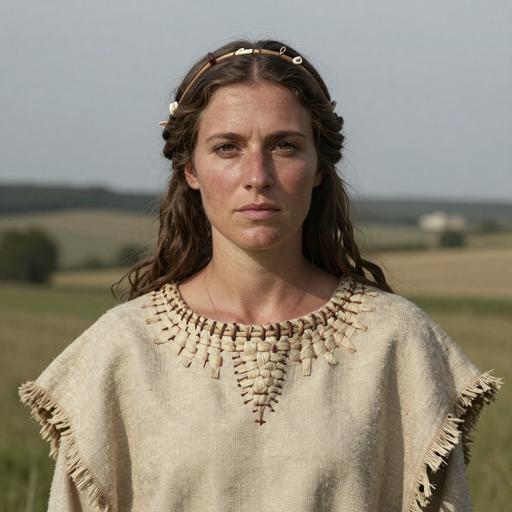
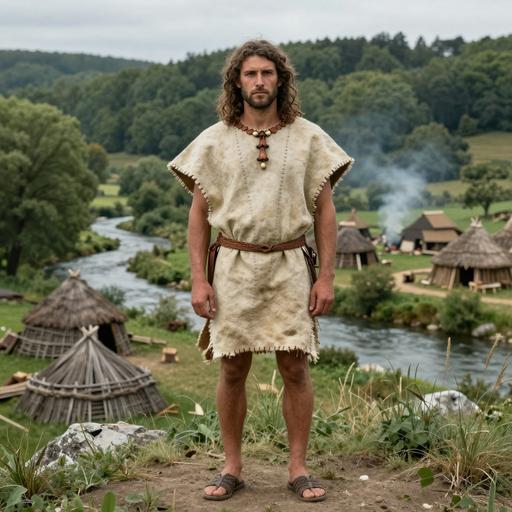
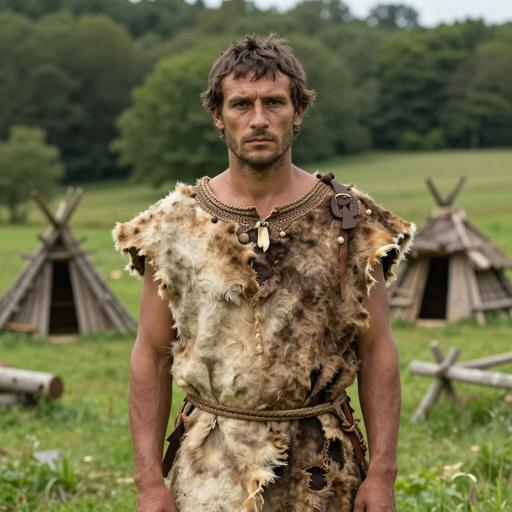
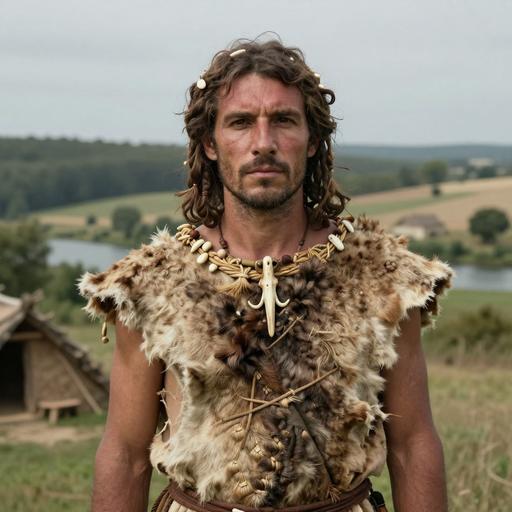
Imagine fog-laced river valleys where communities tend emmer and barley, shape pottery by hand and sink shafts or hypogea for the dead. Settlement evidence from Grand-Est (Buchères, Bergheim) and Hauts-de-France (Beaurieux, Ciry Salsogne) shows long-lived farmsteads, storage pits and crafted ceramics whose decoration marks regional identities. Shell middens and coastal deposits near Normandy and the Channel Islands hint at mixed marine and terrestrial subsistence in some locales.
Burial practice was diverse: monumental hypogea at Mont-Aimé contrast with simpler inhumations at Trumpington Meadows and the collective deposits at Cova Bonica (Barcelona). Grave goods — polished stone axes, personal ornaments and pottery — reflect social differentiation and long-distance exchange. Craft specialization is visible in finely made ceramics and polished tool forms; limited evidence for social hierarchy appears in varied burial richness. Seasonal mobility, local exchange and kin networks likely structured daily life, with households integrated into wider regional circuits of knowledge and goods transfer.
Mixed farming (cereals, pulses), herding and local fishing/gathering
Varied burial traditions: hypogea, collective caves, single inhumations
Genetic Profile
This assemblage of 324 ancient genomes provides a robust window into population structure across Western Europe during the Neolithic. Y-chromosome haplogroup G is the most frequent (100/324; ~31%), consistent with Neolithic farmer-associated paternal lineages originating from Anatolia and the Near East. Haplogroup I (42/324; ~13%) appears in many contexts and likely reflects local hunter-gatherer paternal ancestry that persisted and admixed with incoming farmers. Smaller counts of H (12), H2 (7) and R (5) are present; these low-frequency lineages hint at diverse paternal inputs, including rare survival of pre-farming lineages and later influxes in some regions.
Mitochondrial diversity is high: haplogroup K (81; ~25%) is frequent and characteristic of early farming maternal lineages, while U (44), J (42), H (37) and H1 (27) underscore mixed maternal ancestries. These mtDNA patterns align with autosomal signals of substantial Anatolian-derived farmer ancestry combined to varying degrees with European hunter-gatherer ancestry. Spatially, western coastal and highland sites sometimes show higher hunter-gatherer ancestry proportions than large river-basin settlements, although local sampling biases remain a caveat.
Because sample coverage is broad (324 individuals across France, Iberia, Britain, Germany and the Low Countries), conclusions about major ancestry components are robust; however, fine-scale demographic events, especially short-lived migrations or sex-biased processes, require denser localized sampling and contextual archaeological correlation. Limited but intriguing evidence suggests regionally variable admixture dynamics and occasional gene flow from steppe-associated groups in later Neolithic contexts.
Y-DNA dominated by haplogroup G (~31%); I also substantial (~13%)
mtDNA shows high K frequency (~25%) with diverse maternal lineages indicating admixture
Legacy & Modern Connections
The Neolithic communities represented here left an enduring imprint: the introduction of agriculture reshaped landscapes, social systems and genetic ancestry across Western Europe. Many modern European populations retain components of this Neolithic genetic legacy — especially the maternal K and paternal G signals — though later Bronze Age and historic movements layered additional ancestries.
Archaeologically, monuments and ceramic traditions from Mont-Aimé to La Clape resonate in regional identities, reminding us that cultural transmission and mobility were complex and often local. Genetic continuity is patchy: some regions show deep continuity from Neolithic farmers to later populations, while others record substantial turnover. As ancient DNA sampling grows, especially in underrepresented locales, we can better trace the threads from these early farming communities to present-day genetic landscapes. Limited evidence should caution against simple narratives; the picture is a mosaic of persistence, admixture and change.
Neolithic farmer ancestry contributed significantly to modern Western European gene pools
Cultural and genetic legacies are regionally variable; ongoing research will refine links
France France_MN 4791-4555 calBCE (5830±35 BP, PSUAMS-2226)
Y: I-M423mt: T2c1d-a
Middle Neolithic France - France - Clos de Roque
France France_MN 4784-4552 calBCE (5820±30 BP, PSUAMS-2260)
Y: I-M423mt: H3
Middle Neolithic France - France - Clos de Roque
France France_MN 4833-4612 calBCE (5860±35 BP, PSUAMS-2225)
mt: T2b3-a
Middle Neolithic France - France - Yonne. Gurgy "Les Noisats"
France France_MN 5000-4000 BCE
mt: J1c1b
Middle Neolithic France - France - Yonne. Gurgy "Les Noisats"
France France_MN 5000-4000 BCE
mt: V
Middle Neolithic France - France - Calvados. Fleury-sur-Orne
France France_MN 4446-4331 calBCE (5520±30 BP, Beta-416662)
Y: G2a2a1amt: U5b1c
Middle Neolithic France - France - Yonne. Gurgy "Les Noisats"
France France_MN 4840-4615 calBCE (5870±40 BP, Lyon-4444, SacA-8627)
Y: G2a2b2a1mt: H1
Middle Neolithic France - France - Bas-Rhin. Obernai
France France_MN 4686-4499 calBCE (5743±30 BP, SUERC-52378)
mt: HV-b
Middle Neolithic France - France - Yonne. Gurgy "Les Noisats"
France France_MN 5000-4000 BCE
Y: G2a2b2a1mt: K1a-a4
Middle Neolithic France - France - Calvados. Fleury-sur-Orne
France France_MN 4678-4458 calBCE (5720±30 BP, Beta-413158)
Y: H2mt: K1b1
Middle Neolithic France - France - Yonne. Gurgy "Les Noisats"
France France_MN 5000 BCE
Y: G2a2b2amt: H-d
Middle Neolithic France - France - Yonne. Gurgy "Les Noisats"
France France_MN 4310-3994 calBCE (5303±40 BP, Ly-12933)
mt: K1a-a4
Middle Neolithic France - France - Calvados. Fleury-sur-Orne
France France_MN 4531-4356 calBCE (5610±30 BP, Beta-416656)
Y: G2a2a1mt: J2a1a1
Middle Neolithic France - France - Yonne. Gurgy "Les Noisats"
France France_MN 5000-4000 BCE
Y: H2mt: K1a1b1
Middle Neolithic France - France - Yonne. Gurgy "Les Noisats"
France France_MN 4600-4250 BCE
Y: G2a2b2a1mt: H3-b
Middle Neolithic France - France - Yonne. Gurgy "Les Noisats"
France France_MN 4700-4450 BCE
mt: K1a3a
Middle Neolithic France - France - Yonne. Gurgy "Les Noisats"
France France_MN 4542 BCE
Y: G2a2b2a1mt: N1a1a1a
Middle Neolithic France - France - Yonne. Gurgy "Les Noisats"
France France_MN 4650-4450 BCE
Y: G2a2b2a1mt: U5b1-a1
Middle Neolithic France - France - Bas-Rhin. Obernai
France France_MN 4691-4496 calBCE (5744±33 BP, OxA-30278)
mt: K1a1b1
Middle Neolithic France - France - Bas-Rhin. Obernai
France France_MN 4537-4364 calBCE (5628±25 BP, LTL-18529A)
mt: T2b4
Middle Neolithic France - France - Yonne. Gurgy "Les Noisats"
France France_MN 4836-4606 calBCE (5855±40 BP, Lyon-4446, SacA-8629)
mt: X2b-a
Middle Neolithic France - France - Yonne. Gurgy "Les Noisats"
France France_MN 5000-4000 BCE
Y: G2a2b2a1amt: J1c1b
Middle Neolithic France - France - Yonne. Gurgy "Les Noisats"
France France_MN 4700-4500 BCE
Y: H2mt: K1a2
Middle Neolithic France - France - Yonne. Gurgy "Les Noisats"
France France_MN 4600-4300 BCE
Y: G2a2b2amt: H1-d
Middle Neolithic France - France - Calvados. Fleury-sur-Orne
France France_MN 4444-4262 calBCE (5500±30 BP, Beta-416661)
Y: G2a2a1mt: J1c1b1
Middle Neolithic France - France - Bas-Rhin. Obernai
France France_MN 4750-4400 BCE
mt: H45
Middle Neolithic France - France - Yonne. Gurgy "Les Noisats"
France France_MN 4786-4547 calBCE (5815±45 BP, Lyon-4449, SacA-8632)
Y: G2a2b2a1mt: H1
Middle Neolithic France - France - Deux-Sèvres. Prissé-la-Charrière
France France_MN 4342-4077 calBCE (5406±32 BP, OxA-15063)
Y: I2a1a2amt: X2b-a
Middle Neolithic France - France - Bas-Rhin. Obernai
France France_MN 5209-4954 calBCE (6124±25 BP, LTL-18527A)
Y: C1a2bmt: N1a1a1
Middle Neolithic France - France - Calvados. Fleury-sur-Orne
France France_MN 4214-3958 calBCE (5210±30 BP, Beta-416654)
Y: H2mt: J2b1a
Middle Neolithic France - France - Bas-Rhin. Obernai
France France_MN 4678-4496 calBCE (5732±25 BP, LTL-18525A)
Y: I2a1a2mt: K1a2b
Middle Neolithic France - France - Bas-Rhin. Obernai
France France_MN 4686-4504 calBCE (5749±25 BP, LTL-18531A)
Y: I2a1a2mt: H2a2?
Middle Neolithic France - France - Calvados. Fleury-sur-Orne
France France_MN 4542-4367 calBCE (5640±30 BP, Beta-421634)
Y: H2mt: U5b2b3a
Middle Neolithic France - France - Bas-Rhin. Obernai
France France_MN 4536-4349 calBCE (5601±45 BP, LTL-18528A)
Y: I2a1a2mt: K1
Middle Neolithic France - France - Yonne. Gurgy "Les Noisats"
France France_MN 5000-4000 BCE
mt: H26
Middle Neolithic France - France - Yonne. Gurgy "Les Noisats"
France France_MN 5000-4000 BCE
Y: G2a2b2a1mt: U8b1b
Middle Neolithic France - France - Bas-Rhin. Obernai
France France_MN 5023-4845 calBCE (6044±25 BP, LTL-18526A)
Y: I2a1a2mt: V
Middle Neolithic France - France - Bas-Rhin. Obernai
France France_MN 4750-4500 BCE
mt: V
Middle Neolithic France - France - Yonne. Gurgy "Les Noisats"
France France_MN 5000-4000 BCE
mt: U5b1c
Middle Neolithic France - France - Yonne. Gurgy "Les Noisats"
France France_MN 4600-4300 BCE
Y: G2a2b2amt: J2b1a
Middle Neolithic France - France - Yonne. Gurgy "Les Noisats"
France France_MN 4784-4537 calBCE (5795±45 BP, Lyon-5875, SacA-14823)
mt: U5b3
Middle Neolithic France - France - Calvados. Fleury-sur-Orne
France France_MN 4546-4368 calBCE (5650±30 BP, Beta-413164)
Y: H2mt: K1-a
Middle Neolithic France - France - Deux-Sèvres. Prissé-la-Charrière
France France_MN 4300-4100 BCE
mt: H3
Middle Neolithic France - France - Calvados. Fleury-sur-Orne
France France_MN 4486-4350 calBCE (5580±30 BP, Beta-413162)
mt: J2b1d
Middle Neolithic France - France - Calvados. Fleury-sur-Orne
France France_MN 4447-4346 calBCE (5550±30 BP, Beta-416659)
Y: G2a2amt: T2c1d-a
Middle Neolithic France - France - Bas-Rhin. Obernai
France France_MN 4777-4548 calBCE (5809±33 BP, OxA-30277)
mt: U5b1a
Middle Neolithic France - France - Yonne. Gurgy "Les Noisats"
France France_MN 4781-4460 calBCE (5773±58 BP, Ly-12934)
mt: K1a2c
Middle Neolithic France - France - Collet Redon
France France_MN 3600-3400 BCE
mt: U3a1
Middle Neolithic France - France - Deux-Sèvres. Prissé-la-Charrière
France France_MN 4300-4100 BCE
mt: H3
مساعد الذكاء الاصطناعي
مساعد الذكاء الاصطناعي
من DNA Genics
فتح هذه الميزة
اطرح أسئلة عن ثقافة Western European Neolithic Mosaic. يمكن للمساعد شرح النتائج الجينية والسياق التاريخي والأدلة الأثرية والصلات بالعصر الحديث.
AI-generated interpretation of genetic similarity, not proof of ancestry. Informational only, not professional advice.
Read full notice
Before you continue: the analysis you are about to generate is produced by an AI model. AI output can be incomplete, inaccurate, or simply wrong. It describes statistical genetic similarity to reference populations and is not proof of ancestry, ethnicity, identity, or descent. It is provided for informational and educational purposes only, and is not medical, diagnostic, genealogical, legal, or other professional advice. Do not rely on it to make health, financial, legal, or family decisions. To the fullest extent permitted by applicable law, DNA Genics, S.L. accepts no liability for any loss or decision arising from your use of this AI output.
مثال على تحليل بالذكاء الاصطناعي
لمحة عن ثقافة Western European Neolithic Mosaic
تساعد عينات الحمض النووي القديم الباحثين على دراسة أنماط الهجرة والعلاقات الجينية بين المجموعات السكانية القديمة.
هذه معاينة للتحليل. يتيح المساعد الكامل استكشاف الموضوعات التالية: