انتقل إلى المحتوى الرئيسي
ملفات الحمض النووي

Zagros–Caucasus Crossroads

Eight millennia of cultural fusion across Anatolia, the Zagros and the South Caucasus

8300 BCE - 330 CE
Armenia, Turkey, Iran, Levant, Caucasus, Turkmenistan
2 عينات قديمة

القصة

Ancient Near Eastern Civilization (8300 BCE–330 CE): 441 ancient genomes reveal millennia of farming, metallurgy, migration and cultural change linking sites from Tepe Abdul Hosein to Arslantepe and Kaps. Archaeology and DNA together trace population continuity and pulses of admixture.

Time Period

8300 BCE – 330 CE (focus: LBA–EIA Armenia)

Region

Armenia, Turkey, Iran, Levant, Caucasus, Turkmenistan

Common Y-DNA

J, T, R, G, E (most frequent: J)

Common mtDNA

U, K, H, T, J (diverse maternal lineages)

مواقع العينات

الخريطة التفاعلية غير متاحة. يمكنك الاطلاع على المواقع المسجّلة في كتالوج العينات.

الخط الزمني

8300 BCE

Early Neolithic occupations

First sedentary villages appear in the Zagros and Anatolia (e.g., Tepe Abdul Hosein), marking the transition to farming lifeways.

3500 BCE

Kura‑Araxes expansion

The Kura‑Araxes cultural horizon spreads across the South Caucasus into eastern Anatolia, visible in pottery and settlement types.

2500 BCE

Bronze Age urbanization

Urban centers and fortified tells like Arslantepe and Tell Atchana grow as regional exchange intensifies.

900 BCE

Rise of regional polities

Early Iron Age states and the Urartian polity reshape political landscapes in the Armenian Highlands and adjacent regions.

550 BCE

Imperial integration

Achaemenid imperial structures incorporate these regions, increasing long‑distance connections across the Near East.

Origins & Emergence

From the first sedentary houses of the Zagros to the fortified centers of the Late Bronze Age, this cultural arc unfolds as a long cinematic sequence of invention and contact. Archaeological layers at Tepe Abdul Hosein (Central Zagros, Iran), Neolithic settlements in eastern Anatolia such as Boncuklu and Kumtepe, and early Chalcolithic tells in the Levant demonstrate a millennia-long movement of farming knowledge, ceramics and metallurgy. The emergence of the Kura‑Araxes horizon (c. 3500–2200 BCE) created a striking material signature across the South Caucasus and into eastern Anatolia and northern Mesopotamia; archaeologists tie distinctive pottery, burial modes, and agro‑pastoral economies to this expansion. Later, Late Bronze Age centers such as Tell Atchana (Alalakh) and Arslantepe became nodes in long‑distance exchange, linking raw materials and ideas from the Zagros to the Mediterranean.

Ancient DNA from 441 individuals broadens the picture beyond artifacts: genetic continuity and patterned admixture appear alongside archaeological shifts. Limited evidence suggests early farmer ancestry remained a core component, while later epochs record pulses of additional ancestry from neighboring highlands and, occasionally, more distant steppe‑related sources. Where sample density is high—for example, across Armenian LBA–EIA contexts—archaeology and genetics align in showing regional persistence coupled with episodic influxes that reshaped local gene pools.

  • Neolithic roots in the Zagros and Anatolia (from c. 8300 BCE)
  • Kura‑Araxes expansion links South Caucasus with Anatolia (c. 3500–2200 BCE)
  • Late Bronze Age urban centers become long‑distance exchange hubs

Daily Life & Society

Life in this broad cultural sphere ranged from small farming hamlets to fortified palace complexes. Excavations at Arslantepe (Malatya Province), Tell Atchana/Alalakh (Hatay) and Hasanlu (Iran) reveal craft specialization—metallurgy, stone‑working and textile production—alongside agricultural staples such as wheat, barley and pulses. Domestic archaeology paints intimate scenes: plastered floors, storage jars, hearths and finely made pottery that testify to household economies and seasonal rhythms.

Burial practices were diverse: simple intramural burials, kurgan‑like mounds in the Caucasus, and rich chamber burials in Iron Age centers show varying social expressions. Fortifications, administrative architecture and monumental art in the Late Bronze and Early Iron Ages reflect increasing social complexity and competition for resources and trade routes. Archaeobotanical and zooarchaeological remains suggest mixed farming and herding economies tied to mountain pastures and river valleys. Mobility—both short‑range seasonal transhumance and longer moves prompted by trade or conflict—shaped community composition and material culture.

Archaeological evidence indicates social hierarchies existed, but the scale and mechanisms of power varied locally. Isotopic and genetic studies sometimes reveal individuals with non‑local signatures, hinting at marriage networks, migration, and the human stories behind the artifacts.

  • Craft specialization: metallurgy, textiles, stone‑working
  • Diverse burial customs and increasing social complexity in LBA–EIA

Genetic Profile

The genetic portrait assembled from 441 ancient genomes offers a richly detailed but careful narrative. Y‑chromosome markers in this dataset are led by haplogroup J (42 counts), followed by T (17), R (14), G (12) and E (8). Maternal lineages are diverse, with mtDNA U (53), K (44), H (44), T (37) and J (31) among the most frequent. These patterns reflect a long history of regional continuity with punctual influxes of new ancestries.

Haplogroup J is commonly associated with long‑standing Near Eastern male lineages and appears across sites from the Zagros to the Caucasus. The presence of R lineages—often linked in broader West Eurasia to steppe‑related ancestries—points to intermittent male‑biased inputs, though in most contexts such inputs are modest rather than dominant. Haplogroups G, T and E add further evidence of North Mesopotamian, Anatolian and Iranian connections.

Mitochondrial diversity—high frequencies of U, K, H, T and J—suggests broad maternal continuity and integration of local hunter‑gatherer and farmer ancestral components. Regional structure is visible: individuals from the South Caucasus and eastern Anatolia show elevated Caucasus‑related genetic signatures, while Zagros samples retain stronger Zagros/Iranian farmer ancestry. Because sample coverage varies by site and period, fine‑scale demographic models remain provisional; however, the sample size allows robust detection of recurrent admixture pulses and long‑term persistence of core Near Eastern ancestries.

  • Y‑DNA dominated by J; notable presence of R, T, G, E
  • mtDNA shows diverse maternal ancestry (U, K, H, T, J)

Legacy & Modern Connections

The material and genetic legacies of this long cultural arc continue into the present. Modern populations in Armenia, eastern Turkey, Iran and the southern Caucasus carry strands of ancestry that trace to the Neolithic, Bronze Age and Iron Age inhabitants documented here—archaeogenetics shows both continuity and later admixture. Cultural innovations such as metallurgy, highland pastoral systems, and certain ceramic and architectural traditions left durable imprints on regional lifeways.

Genetic continuity should not be read as cultural or linguistic determinism: DNA reveals ancestry and population movement but does not by itself identify languages or identities. Limited lines of genetic evidence are consistent with scenarios in which local peoples adopted new material practices or languages through elite emulation, migration, or mixed marriages. For the historical periods (Urartian, Achaemenid), archaeological records combined with genetics reveal increasing regional integration into wider imperial landscapes. Overall, the story is one of resilience—a tapestry woven from local roots, episodic inflows, and centuries of human creativity.




  • Modern gene pools show continuity plus later admixture
  • Archaeology + DNA reveal cultural innovation and long‑term resilience

كتالوج العينات

2 / 2 عينة
الصورة العينة البلد الحقبة التاريخ الثقافة الجنس Y-DNA mtDNA
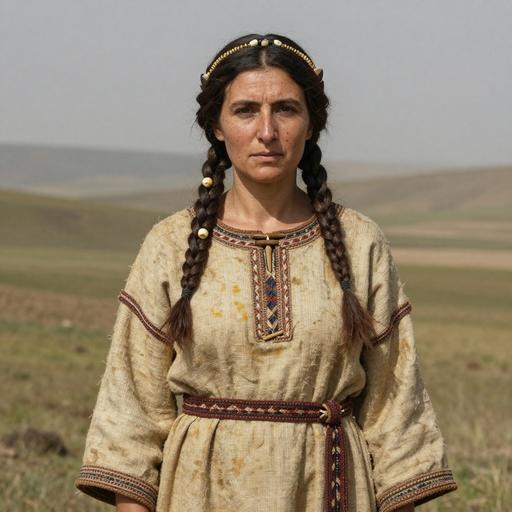
صورة معاد تصورها لـ Aknashen N individual, Armenia
Armenia Armenia_Aknashen_N 5984-5742 calBCE (6986±52 BP, UBA-39959) Ancient Near Eastern Civilization F - T1a
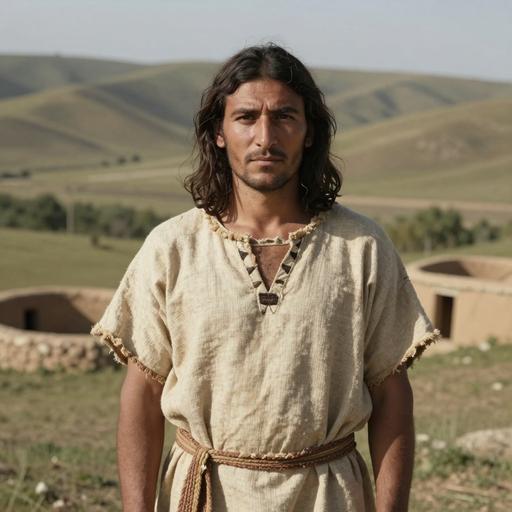
صورة معاد تصورها لـ Aknashen N individual, Armenia
Armenia Armenia_Aknashen_N 5985-5836 calBCE (7015±25 BP, PSUAMS-3058) Ancient Near Eastern Civilization M J-PF5174 I1

مساعد الذكاء الاصطناعي

مساعد الذكاء الاصطناعي من DNA Genics

فتح هذه الميزة
اطرح أسئلة عن ثقافة Zagros–Caucasus Crossroads. يمكن للمساعد شرح النتائج الجينية والسياق التاريخي والأدلة الأثرية والصلات بالعصر الحديث.
مثال على تحليل بالذكاء الاصطناعي

لمحة عن ثقافة Zagros–Caucasus Crossroads

تساعد عينات الحمض النووي القديم الباحثين على دراسة أنماط الهجرة والعلاقات الجينية بين المجموعات السكانية القديمة.

هذه معاينة للتحليل. يتيح المساعد الكامل استكشاف الموضوعات التالية:

  • التركيب الجيني والأصول
  • أنماط الهجرة والأصول
  • الحياة اليومية والممارسات الثقافية
  • الإرث الجيني المعاصر