


Why Europeans Have Different Paternal and Maternal Haplogroups
Explore how Bronze Age migration reshaped European DNA, leaving Steppe-linked paternal haplogroups and older maternal lineages in modern ancestry results.
Read articleDNA Genics / Journal
Imported from WordPress: DNA>Genetic history
The journal
Showing 133-144 of 247
Explore how Bronze Age migration reshaped European DNA, leaving Steppe-linked paternal haplogroups and older maternal lineages in modern ancestry results.
Read article
Explore how ancient migration, population genetics, and endogamy shaped North and South Indian DNA, from Steppe ancestry to IVC and AASI signals.
Read article
French DNA is not one genetic bloc, but a corridor linking Atlantic, Germanic, Alpine, and Mediterranean populations across Europe.
Read article
Blue or green eyes in Kabyles are real, but their genetics point to ancient Anatolian farmers, not Celtic or Nordic origins. Learn what the DNA shows.
Read article
Explore how Afrikaner DNA reflects Dutch, German, French Huguenot, and smaller non-European roots, and why ancestry calculators can seem to disagree.
Read article
Explore how a Central-Western Europe DNA calculator separates Bell Beaker, Germanic, Hallstatt Celtic, and Roman ancestry using ancient DNA and population genetics.
Read article
A long-running mystery from Roman Britain shows how ancient DNA, isotopes, and population genetics can overturn conclusions from skull shape alone.
Read article
Ancient DNA shows how vitamin D shortage drove lighter skin, lactase persistence, and other adaptations. Explore the genetics behind ancestry and migration.
Read article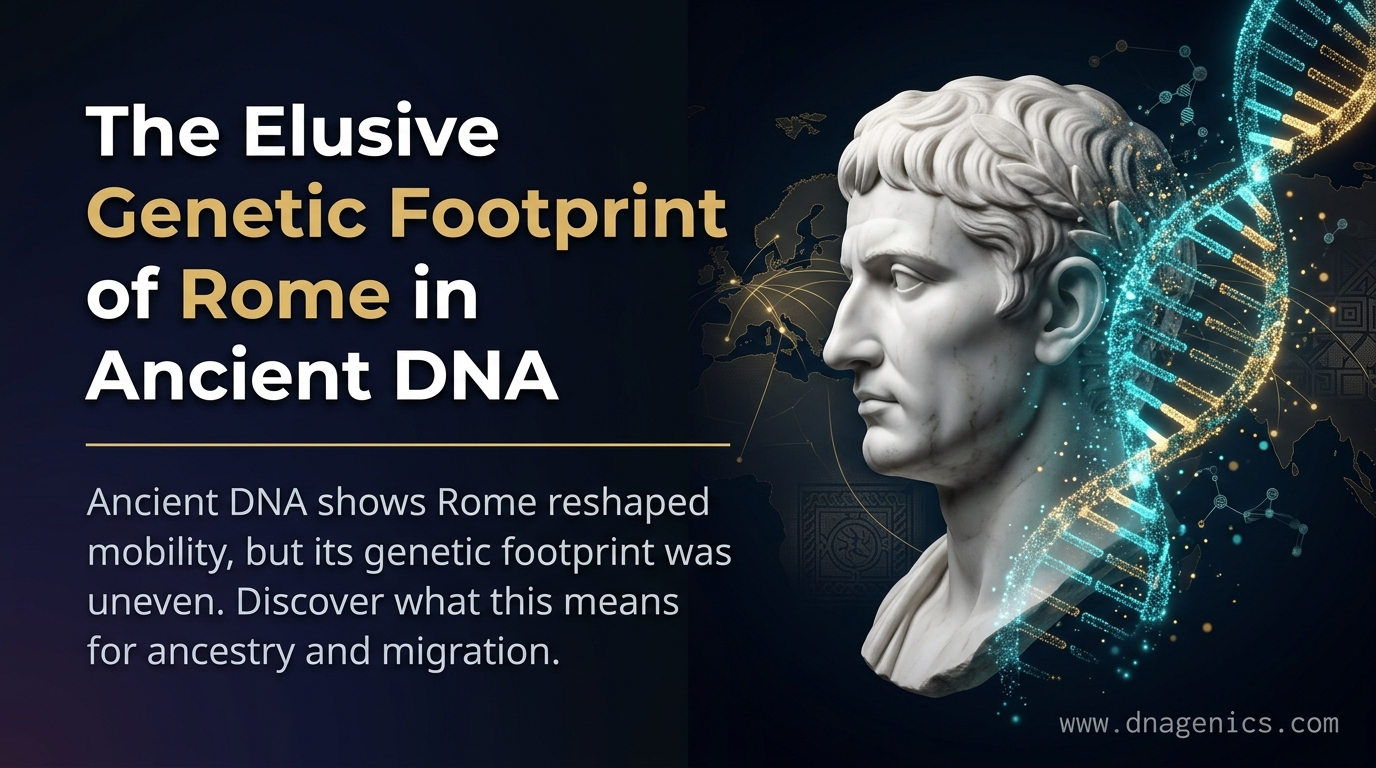
Ancient DNA shows Rome reshaped mobility and cities, but its genetic footprint was uneven. Discover what this means for ancestry, migration, and Europe.
Read article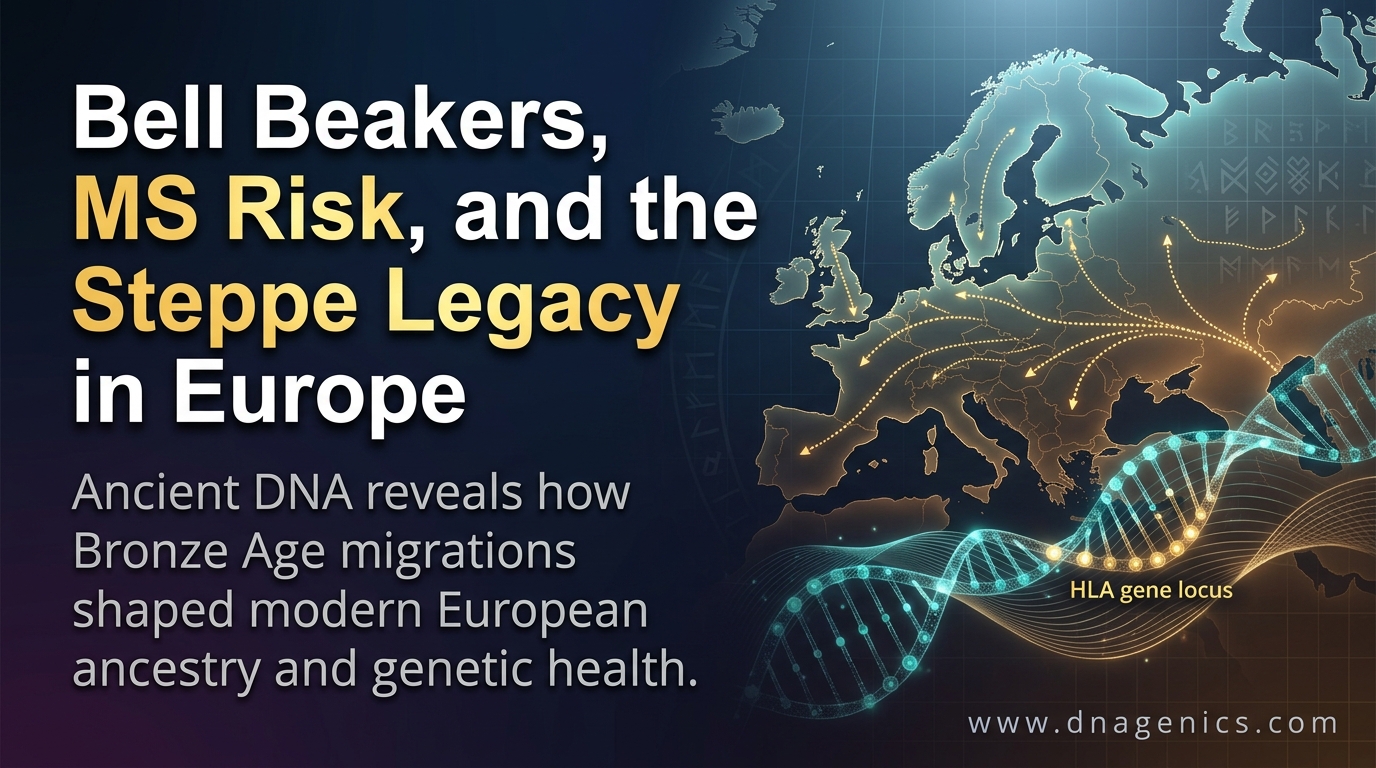
Ancient DNA reveals how Bronze Age steppe migrations shaped modern European ancestry, HLA risk variants, and why multiple sclerosis is more common in the north.
Read article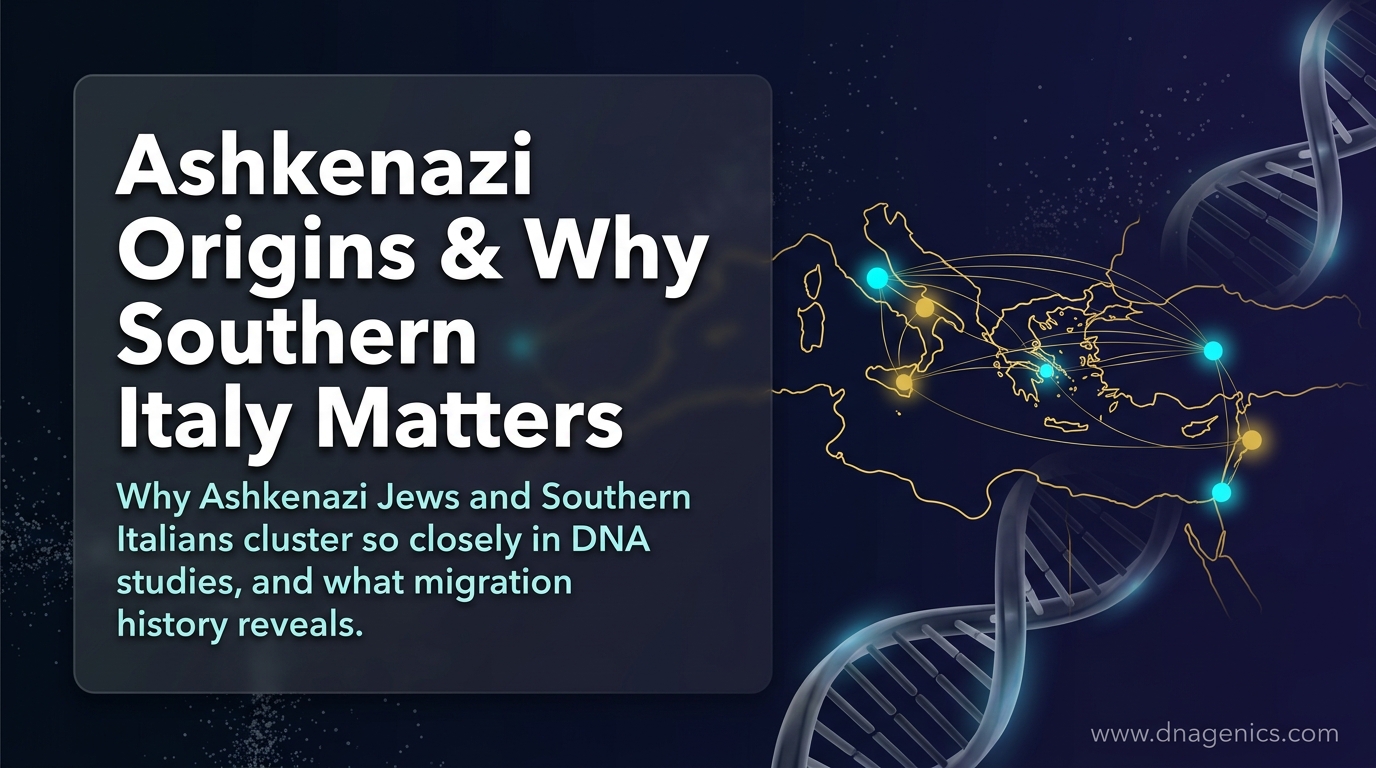
Why Ashkenazi Jews and Southern Italians cluster so closely in DNA studies, and what reference panels, ancient DNA, and migration history can reveal.
Read article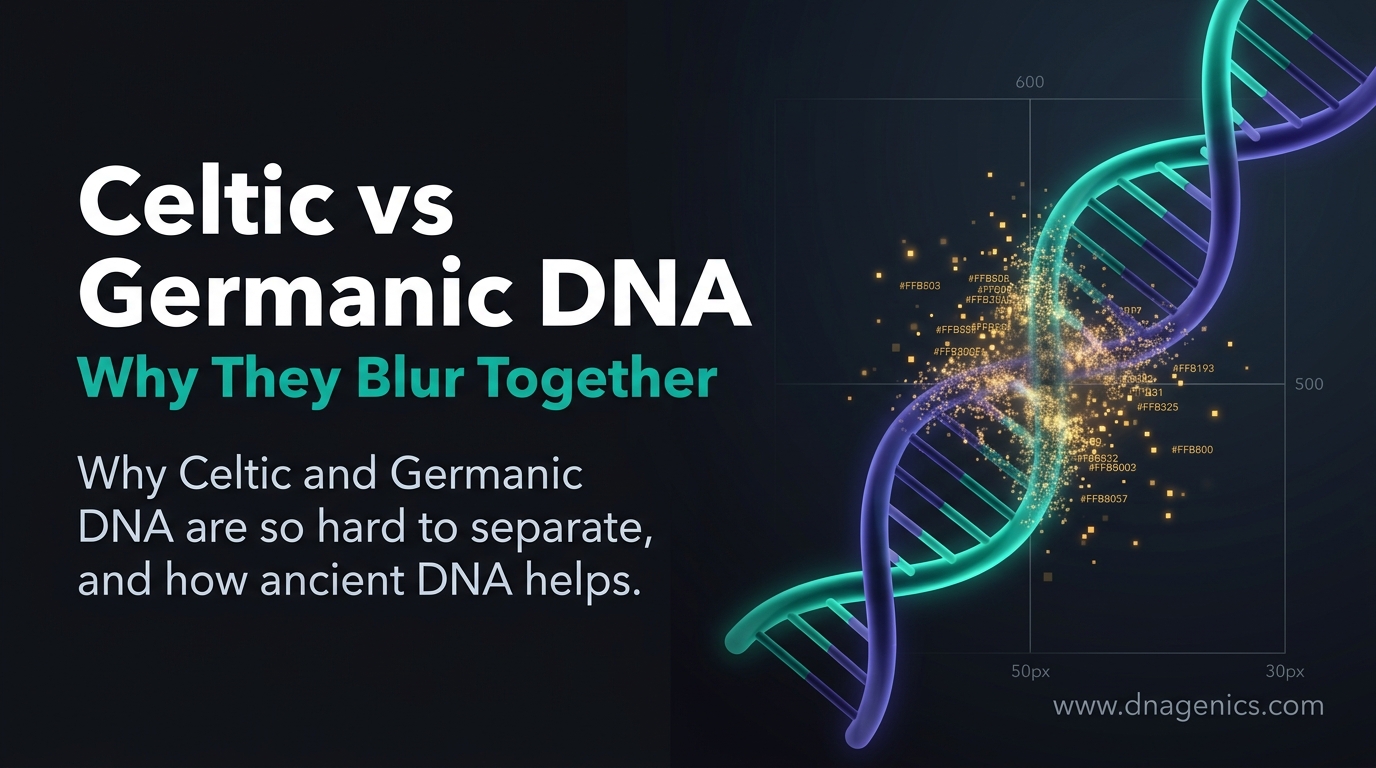
Why Celtic and Germanic DNA are so hard to separate, what G25 can and cannot tell you, and how haplogroups and ancient DNA help.
Read articleOur guides explain the methods we use, from population comparisons to matching segments of DNA.