Your Genetic Story - Ancient Balkans

Download PDF creates a visual, rasterized copy. Use Print for selectable text and better assistive-technology support.

Ancient Balkans

Your Genetic Story

Analyzing your genetic similarity to ancient Balkan and Southeast European reference samples...

Preparing your genetic-similarity report

Ancient Balkans

Your Genetic Story Through Time

A chronological reading of your similarity to ancient reference populations of the Balkans, from the earliest period to the most recent.

(UDAXVM) Balkan Generated Oct 8, 2026

The Balkans were a major meeting ground for early farmers, Steppe migrants, Classical civilizations, and medieval states.

Ancient Balkans

Your similarity, chapter by chapter

Your strongest regional connections fall within historical connections.

The Balkans were a major meeting ground for early farmers, Steppe migrants, Classical civilizations, and medieval states.

Ancient Balkans

Your Story at a Glance

7 chapters, from the earliest period to the most recent, showing how your similarity maps onto the history of the Balkans.

  1. 1 Mesolithic 10,000 BCE to 6,500 BCE
  2. 2 Neolithic 6,500 BCE to 4,500 BCE
  3. 3 Chalcolithic 4,500 BCE to 2,500 BCE
  4. 4 Bronze Age 2,500 BCE to 800 BCE
  5. 5 Iron Age 800 BCE to 146 BCE
  6. 6 Classical 146 BCE to 500 CE
  7. 7 Medieval 500 CE to 1,500 CE
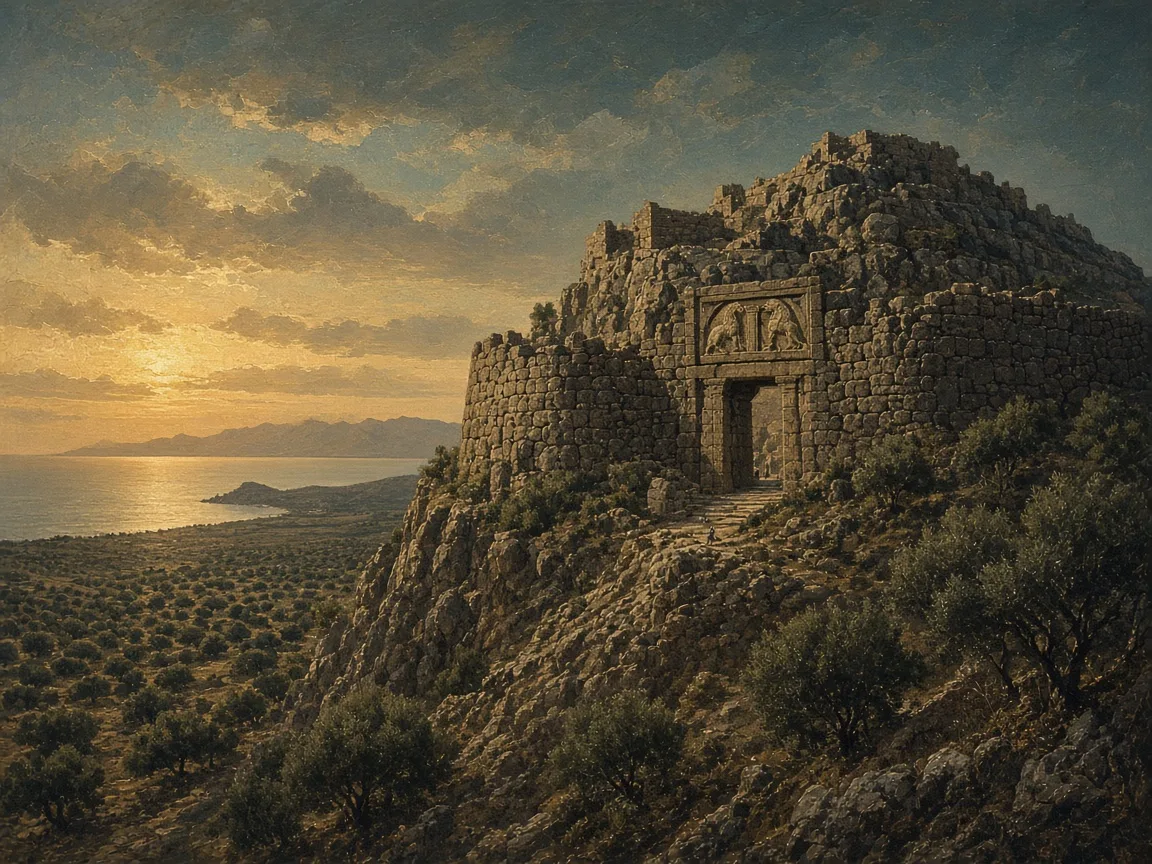
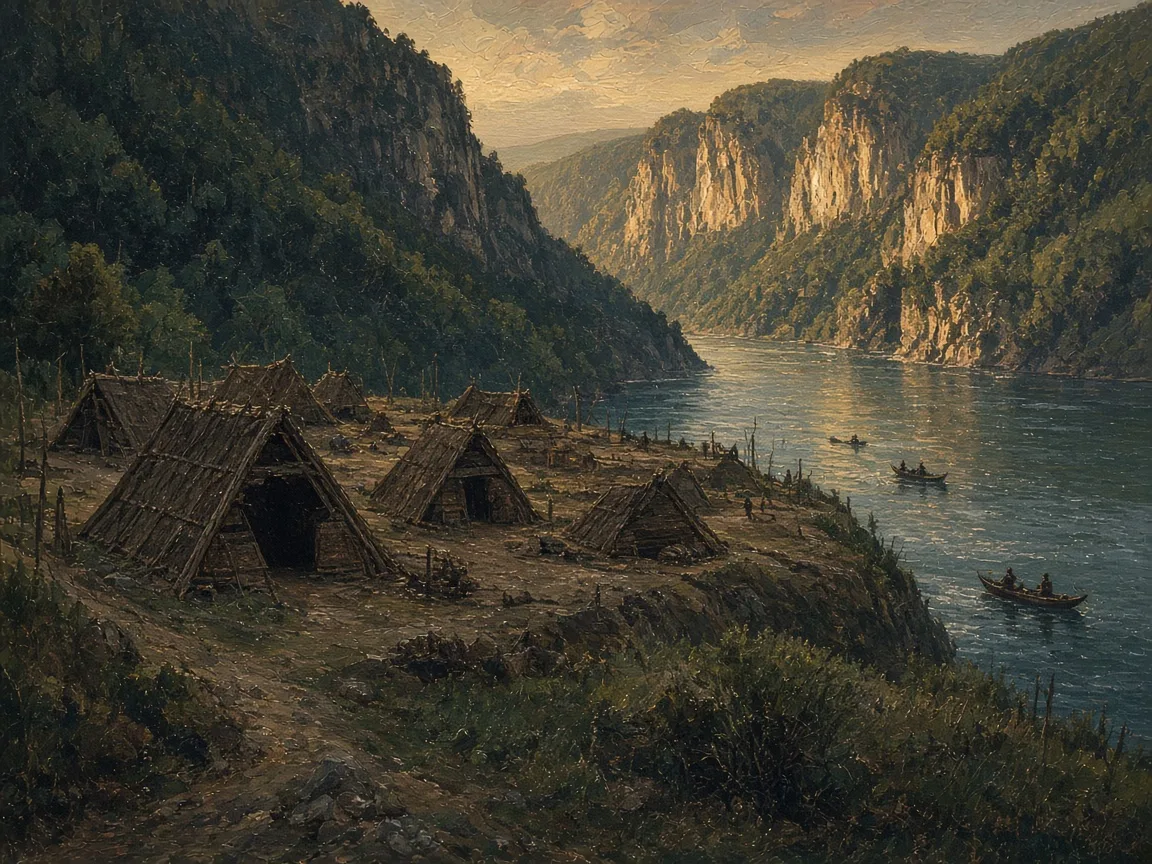
Illustration of Mesolithic landscape
Chapter 1

Mesolithic

10,000 BCE to 6,500 BCE

Balkan hunter-gatherer communities.

Explore this period

Overview

The Croatia Mesolithic hunter-gatherer era (8000–6000 BCE) describes communities living before widespread farming in the region. Their material record is dominated by everyday implements and evidence of flexible subsistence linked to seasonal resources.

Region & Environment

Croatia during the Mesolithic would have offered diverse habitats, including coastal zones, river systems, wetlands, and forested uplands. Such environments are well suited to mobile or semi-mobile hunter-gatherer strategies, allowing groups to exploit different resource patches through the year. Access to water and varied terrains supported hunting, gathering, and fishing.

Historical Context

Mesolithic lifeways belong to the broader European post-Pleistocene transition, when human groups adjusted to changing climates and ecosystems. In many parts of Europe, the Mesolithic preceded or overlapped with the adoption of farming. The label “Mesolithic HG” signals an archaeological focus on hunter-gatherer patterns rather than agricultural production.

Populations & Lifeways

Populations likely organized themselves around seasonal availability of wild foods, using mobility to reduce risk and take advantage of shifting resource peaks. Household activities would have included tool production and maintenance, preparation of gathered foods, hunting, and fishing. Social networks may have formed and re-formed as groups moved, supporting information exchange about resources and technology.

Archaeology & Material Culture

Archaeological visibility in this context typically centers on lithic technologies (stone tools), along with features such as activity areas or campsite traces, where preservation allows. Toolkits reflect the needs of hunting and processing plant and animal resources. In many Mesolithic settings, raw material procurement and tool recycling indicate careful management of materials.

Culture & Society

Mesolithic societies are best understood through their day-to-day practices: work organization, mobility, and the shared learning of effective toolmaking methods. Repeated patterns in tool types and manufacturing choices suggest cultural familiarity across groups, even where settlements shift over time. Cooperation may have been important for hunting and for exploiting larger or more seasonal resource opportunities.

Legacy & Transition

The Mesolithic hunter-gatherer world forms the background to later Neolithic transformations in the region. As farming and new social practices entered Europe from multiple directions, archaeological records increasingly show changes in settlement patterns and material culture. The Mesolithic legacy thus appears mainly in how local landscapes and subsistence knowledge shaped later lifeways.
What your data actually shows

20/100 period similarity
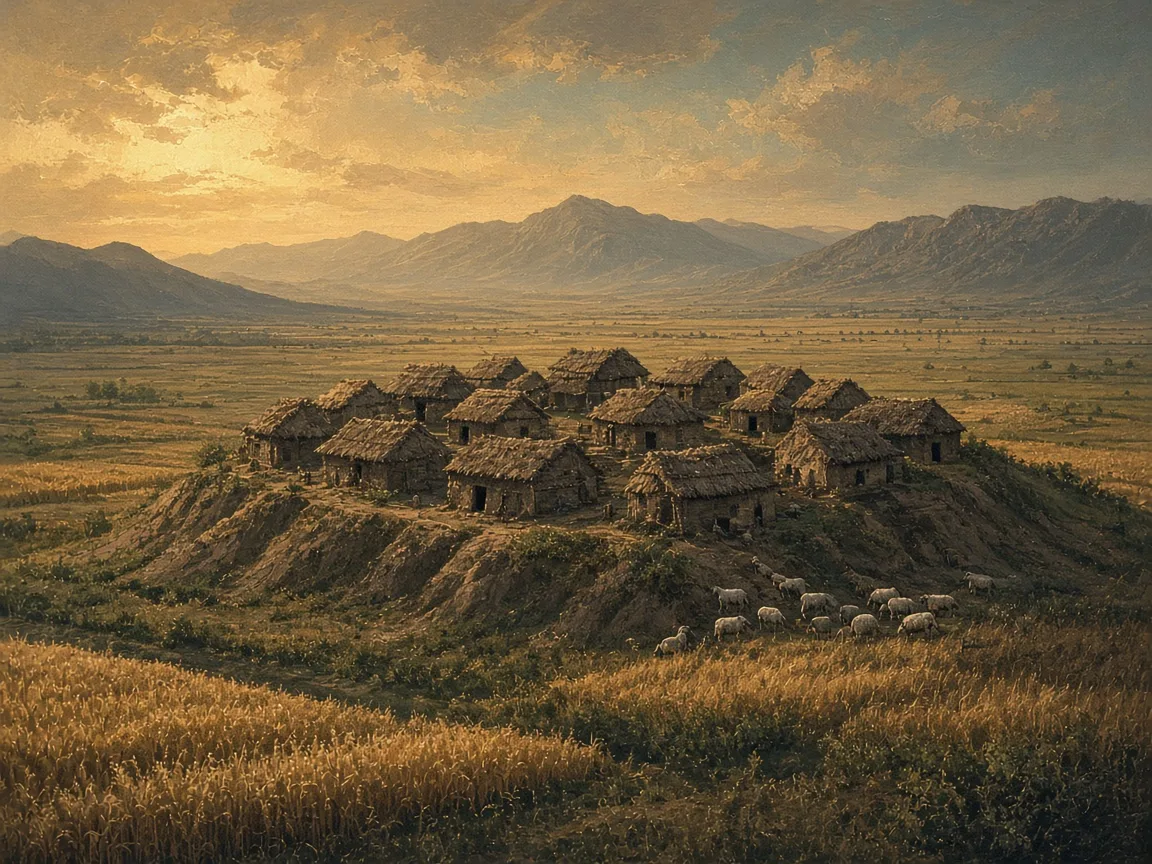
Illustration of Neolithic landscape
Chapter 2

Neolithic

6,500 BCE to 4,500 BCE

Early farming communities of Southeast Europe.

Explore this period

The Early Neolithic period in Albania marks a significant era in the development of prehistoric culture in the region, roughly dating from around 7000 to 4500 BCE. This era is characterized by profound changes in lifestyle, technology, and social organization, as people transitioned from nomadic hunter-gatherer groups to more settled, agrarian communities. This shift is a part of the broader Neolithic Revolution that occurred across Europe during this time, where agriculture began to supplant hunting and gathering as the main source of sustenance.

Geography and Settlement

Albania's early Neolithic communities were primarily located in fertile inland river valleys and coastal areas, which offered ideal conditions for early agriculture. The terrain of modern-day Albania, with its mixture of mountainous areas and plains, provided diverse resources. Settlements such as the one excavated at Blaz, near Durres, and those in the Korça basin, are key archaeological sites from this period. These early communities favored sites that were defensible yet fertile, allowing them to engage in agriculture while also being able to retreat to less accessible areas in times of conflict.

Agriculture and Economy

The introduction of agriculture was groundbreaking for early Albanian societies. Farmers began to cultivate cereals such as wheat and barley and legumes, alongside the domestication of animals like sheep, goats, and cattle. This agricultural basis significantly altered the social structure, as food surpluses allowed for population growth and the development of more complex societal structures. Archaeobotanical studies have revealed pollen and seed remains that help trace these early agricultural practices.

Material Culture and Technology

Early Neolithic Albanian communities developed a distinctive material culture. This period is noted for the emergence of pottery, which is crucial for understanding the technological and artistic advancements of the time. Early pottery from this era was often undecorated or simply adorned with geometric patterns and used for both practical purposes and ceremonial activities.

Stone tools remained prevalent, but there was a gradual advancement in their craftsmanship. These communities produced increasingly refined flint blades and tools, coupled with the innovative use of polished stone axes and adzes, which were crucial for agricultural activities and clearing forests.

Social Structure and Lifestyle

The shift to a sedentary lifestyle led to changes in social structures. Early Albanian Neolithic societies were likely organized in small, kin-based groups that cooperated in farming and food production. With settled life, these communities might have developed rudimentary forms of leadership and social stratification, although evidence of complex social hierarchies from this period is limited.

Rituals and religious practices are not well-documented, but as with other Neolithic cultures, it is probable that these communities engaged in some form of spiritual or religious activities, possibly centered around agricultural cycles and the veneration of fertility, as suggested by figurines and other artifacts.

Interaction and Influence

The Neolithic period in Albania saw the beginnings of more complex trade and interaction networks. These communities were not isolated; they exchanged goods, ideas, and technologies with neighboring regions. Evidence suggests influence from and interaction with other contemporary Neolithic cultures in the Balkans and the wider Mediterranean area.

Archaeological Evidence

Archaeology in Albania's Neolithic sites has relied heavily on excavations that have uncovered remains of settlements, pottery, tools, and occasional burial sites. The Korça basin, in particular, has provided significant insights into this era, with stratified sites offering layers that show the progression of Neolithic culture over several millennia.

Overall, the Early Neolithic period in Albania is a fascinating era that laid the foundations for subsequent cultural developments. This period witnessed the dawn of agricultural societies, the establishment of permanent settlements, and the growth of new social and technological paradigms that would continue to evolve in the Neolithic and beyond.

What your data actually shows

0/100 period similarity
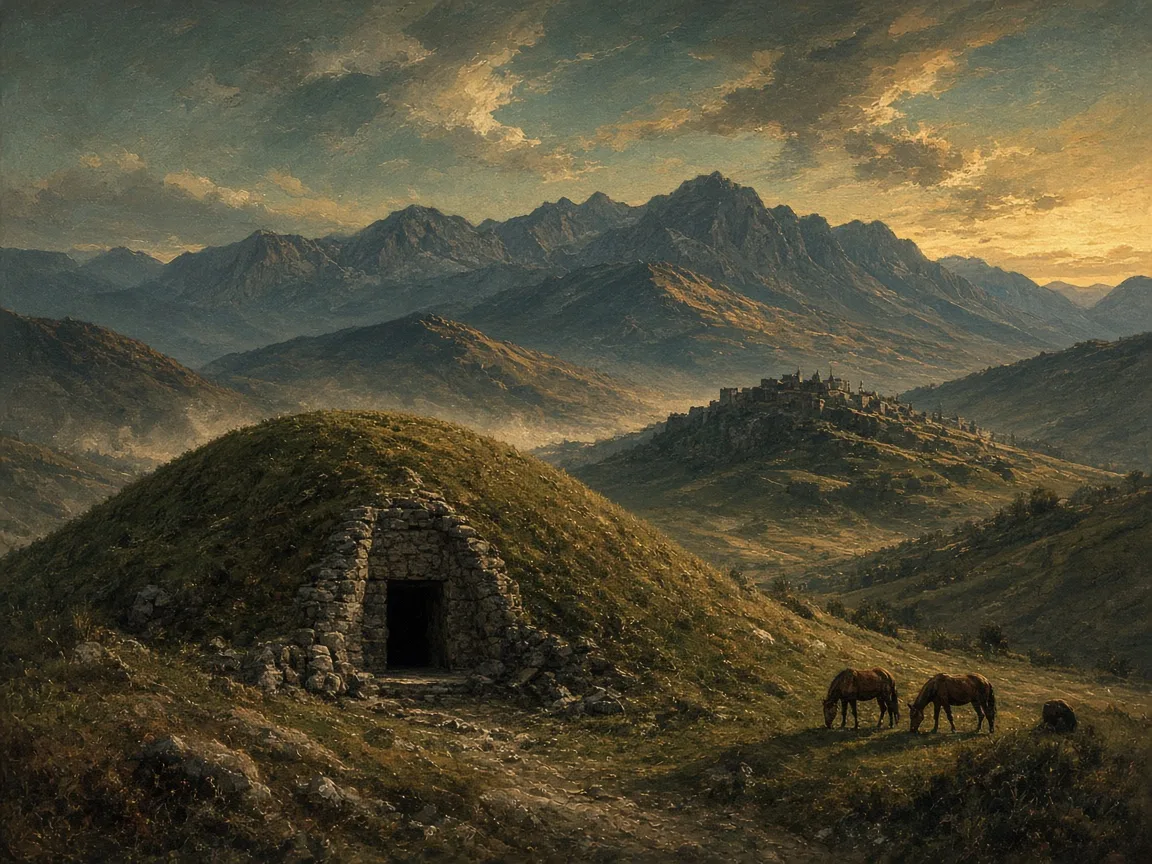
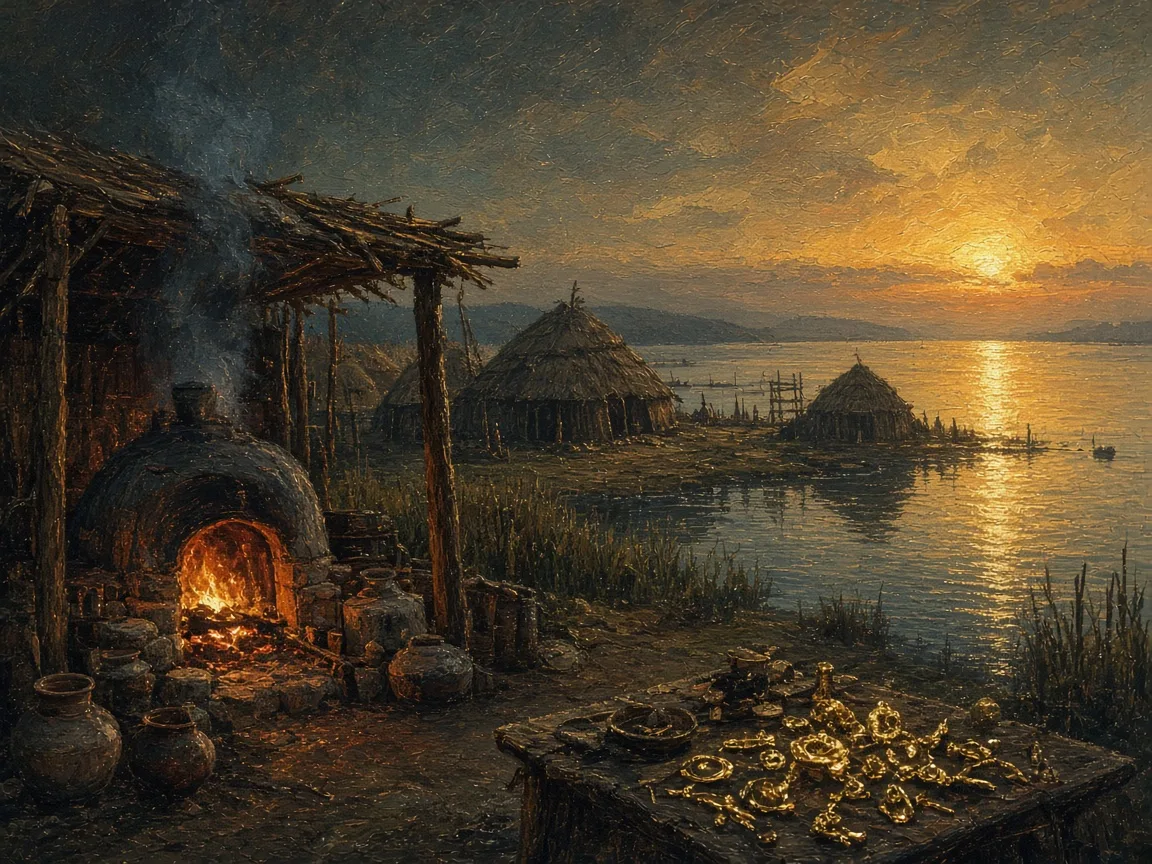
Illustration of Chalcolithic landscape
Chapter 3

Chalcolithic

4,500 BCE to 2,500 BCE

Copper Age societies and metallurgy.

Explore this period

The Late Neolithic to Chalcolithic period in Albania is a fascinating era that captures the transition of human societies from simple agrarian communities to more complex social and technological structures. This period, roughly dated between 4500 and 2300 BCE, is part of the broader cultural context known as Old Europe, which encompasses a variety of advanced prehistoric cultures in Southeastern Europe.

Geographical Context

Albania, strategically located on the western Balkan Peninsula, features a diverse landscape of coastal areas, river valleys, and mountainous regions. This geographical diversity had a significant impact on the development of prehistoric cultures in the area, providing resources and natural barriers that influenced settlement patterns, agriculture, and trade.

Archaeological Sites and Settlements

Numerous archaeological sites from this period have been discovered throughout Albania, offering insights into the Neolithic and Chalcolithic communities. Prominent sites include those in the Mati River Valley and near Lake Ohrid. Settlements were often located near water sources and fertile land, indicative of the agrarian lifestyle of these communities.

The structures within these settlements varied from simple, single-room dwellings to more complex multi-room constructions. Construction materials primarily included wattle and daub, stones, and timber. Some settlements were fortified, suggesting a need for protection and indicating social stratification and emerging conflicts.

Economy and Subsistence

The economy during this era was primarily based on agriculture and animal husbandry. Archaeological evidence indicates the cultivation of wheat, barley, and legumes, along with the domestication of animals such as cattle, sheep, and goats. The presence of grindstones and other agricultural tools in settlements underscores the importance of cereal processing.

Subsistence patterns were supplemented by hunting, fishing, and foraging, as evidenced by remains of wild animal bones and fish, as well as shellfish in coastal areas.

Technology and Craftsmanship

The period is marked by a significant evolution in technology and craftsmanship. Pottery from this era includes a variety of forms and decorations, such as bowls, jars, and figurines. The pottery was often decorated with complex geometric patterns, demonstrating advanced artistic skills and cultural expressions.

The advent of metallurgy marks the transition towards the Chalcolithic (Copper Age). Artefacts such as copper tools, weapons, and ornaments have been found, indicating early metalworking skills. The introduction of metal tools gradually transformed agricultural practices, craftsmanship, and trade.

Social Structure and Religion

The social structure during this period is believed to have been increasingly complex, with evidence pointing towards hierarchical communities. This is suggested by the presence of burial mounds, megalithic structures, and differential grave goods, indicating varying social statuses and roles within communities.

Religious and spiritual life was likely centered around nature and fertility, as evidenced by figurines and symbols related to female deities, animals, and natural elements. Ritualistic artifacts, such as altars and ceremonial pottery, suggest communal religious practices.

Trade and Cultural Interactions

During the Late Neolithic to Chalcolithic period, Albania was part of a broader network of cultural and trade exchanges across the Balkans and beyond. The exchange of goods, such as obsidian, flint, pottery, and metals, facilitated cultural interactions and the diffusion of technological innovations.

Challenges and Changes

Towards the end of this era, environmental changes, population pressures, and increasing social complexity might have led to shifts in settlement patterns, migrations, and the eventual decline or transformation of some Neolithic cultures into Bronze Age societies.

In summary, the Late Neolithic to Chalcolithic period in Albania represents a time of significant transformation, characterized by advancements in agriculture, technology, and social organization. It laid the groundwork for the successive cultural and technological developments in the region, echoing the broader patterns of change and continuity within Old Europe.

What your data actually shows

0/100 period similarity
Illustration of Bronze Age landscape
Chapter 4

Bronze Age

2,500 BCE to 800 BCE

Bronze Age population movements.

Explore this period

Overview

The Early Bronze Age in Albania spans roughly the third and second millennia BCE, when copper/bronze production and new material traditions became increasingly visible in the archaeological record. Rather than replacing older lifeways overnight, these developments are better understood as gradual shifts in technology, consumption, and social display within local communities.

Region & Environment

Albania’s environment combines mountainous interiors with coastal and river-valley farming zones. Archaeologically visible settlements were often placed to exploit arable land, access to water, and communication corridors through passes. Seasonal mobility in pastoral use likely complemented agriculture, especially in upland settings.

Historical Context

This period belongs to the broader Balkan Early Bronze Age, when metallurgy and long-distance exchange expanded across parts of Southeastern Europe. While Albania did not form a single, clearly attested state, communities participated in regional interaction networks that influenced artifact styles and likely the movement of raw materials. Social change in the Early Bronze Age is often visible through differences in burial wealth and the increasing emphasis on metal objects.

Populations & Lifeways

Populations were predominantly settled, engaged in crop cultivation and herding. Household production would have supported everyday needs, while access to metals and metalworking knowledge created new opportunities for prestige. Differences in wealth—expressed in richer graves or metal items—suggest that social differentiation existed, though the scale and mechanisms of hierarchy varied by locality.

Archaeology & Material Culture

Material culture is characterized by the growing presence of metalwork (typically copper/bronze in the long-term tradition), alongside stone and ceramic technologies used for daily tasks. Ceramics, decorative practices, and evidence of burial customs provide key chronological markers. Metallurgical items, when recovered, are particularly important for understanding regional connections and changing patterns of display.

Culture & Society

Archaeological patterns indicate communities sharing elements of material tradition across the western Balkans. Household economies remained rooted in farming and herding, but metallurgy and objects of status likely increased the visibility of some individuals or groups. Burial practice—especially when it includes metal items—suggests that mortuary customs could express social roles and aspirations within a regional cultural framework.

Legacy & Transition

The Early Bronze Age helped establish trajectories for later Bronze Age developments in Albania, including more consistent use of metal and evolving symbolic systems expressed through artifact styles. Subsequent periods build on these foundations, with changing regional influences and continuing transformation of settlement and burial traditions.

What your data actually shows

16/100 period similarity
Illustration of Iron Age landscape
Chapter 5

Iron Age

800 BCE to 146 BCE

Iron Age Balkan communities.

Explore this period

Region & Environment

In the western Balkans, the study region of Albania includes coastal zones, river valleys, and upland areas. Diverse landscapes shaped access to arable land, routes for movement, and the ways communities exploited forests, metals, and mineral resources. Settlement choices and road networks would have been influenced by terrain and by proximity to routes linking inland areas to the Adriatic.

Historical Context

The timeframe 1100–800 BCE falls within a long regional transition from Late Bronze Age lifeways to early Iron Age developments. Across the Balkans and the wider eastern Adriatic, changing political and economic conditions affected patterns of exchange and the adoption of new metal technologies. In Albania, the transition is commonly framed as a shift in material culture that includes the gradual incorporation of iron into tools and fittings, while older Bronze Age traditions did not disappear overnight.

Populations & Lifeways

Communities in this era likely continued largely local forms of agriculture and animal husbandry, with household and community labor organizing food production. Social and economic life would have been reinforced by regional networks—especially those connected to metal resources and craft production. As iron-working spread, changes in everyday equipment would have accompanied broader shifts in craft specialization and the circulation of goods.

Archaeology & Material Culture

Archaeologically, the transition is observed through evolving assemblages: changes in metalwork composition and styles, variations in weapon and tool forms, and shifts in pottery typologies and decorative patterns. Iron items and iron-associated practices appear alongside enduring Bronze Age traits, making the period identifiable through combinations of features rather than a single innovation. Settlement evidence may also show altered building practices or reorganization in response to shifting economic conditions.

Culture & Society

Material change suggests real social and economic adjustments, including new ways of producing and valuing durable metal goods and potentially reconfiguring craft and exchange relationships. Cultural continuity is important: many stylistic elements and aspects of domestic life can persist even as new iron technologies are taken up. The period therefore represents not a clean replacement, but a staged transformation in how communities expressed status, organized production, and participated in wider networks.

Legacy & Transition

By the later first millennium BCE, Iron Age patterns become more prominent across the region, with durable metal technologies supporting new generations of tools, fittings, and weapons. The 1100–800 BCE transition in Albania forms part of the wider Balkan and Adriatic shift toward iron-based economies, laying foundations for subsequent developments in regional identities and long-distance connectivity.

What your data actually shows

0/100 period similarity
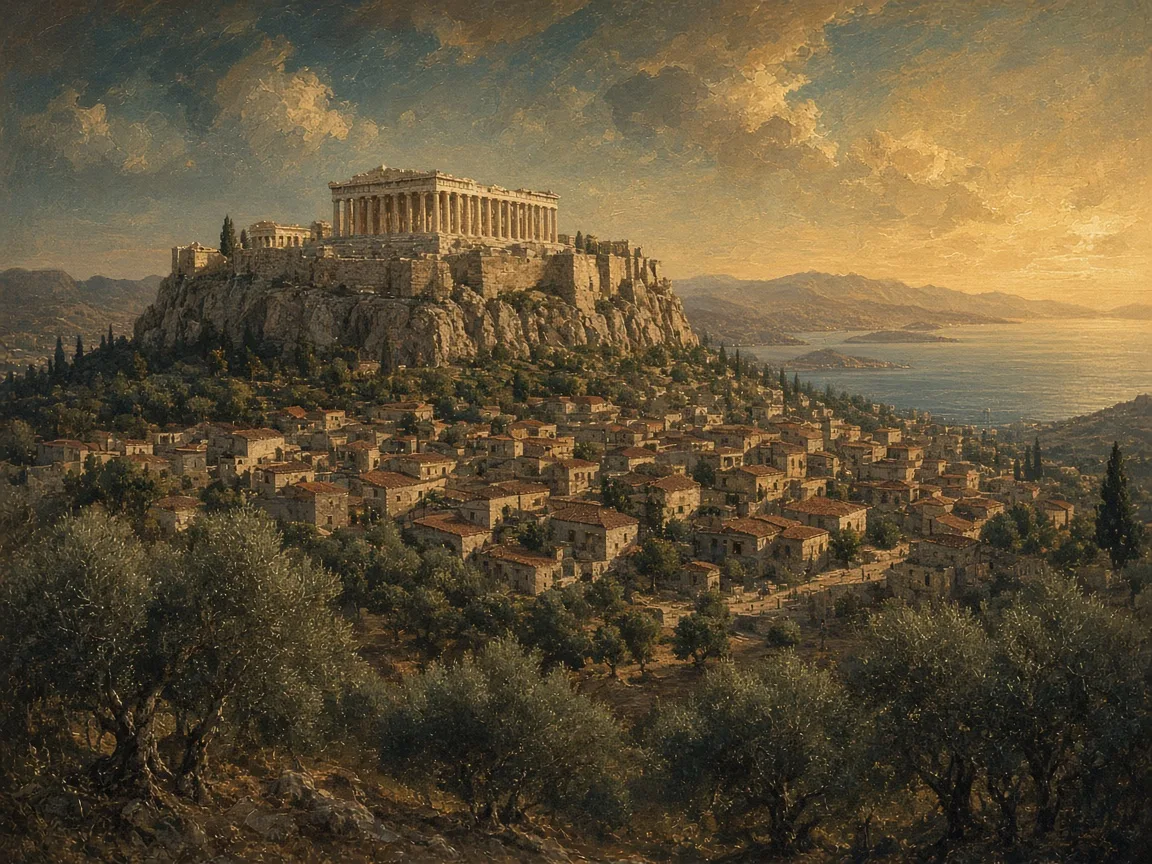
Illustration of Classical landscape
Chapter 6

Classical

146 BCE to 500 CE

Greek, Roman, and Hellenistic populations.

Explore this period

The Classical and Hellenistic periods of Macedonian history form a pivotal chapter in the annals of the ancient world. From the early tribal kings to the expansionist strategies of Philip II and the legendary conquests of Alexander the Great, Macedonia played a crucial role in shaping the course of Hellenic civilization and influencing cultures across three continents.

Classical Macedonia (circa 5th to early 4th century BCE):

During the Classical period, Macedonia was largely viewed by its contemporaries in Southern Greece as a peripheral and somewhat barbarous kingdom. However, it was an entity with enormous potential, given its abundant natural resources, including timber, silver, and iron, as well as fertile agricultural land. The inhabitants of early Macedonia were a mix of Illyrian, Thracian, and Greek influences, with their own distinct dialect and customs that nonetheless bore many similarities to classical Greek culture.

The political landscape in the Classical era was dominated by the tribes and clans ruled by kings who were often more akin to regional chieftains. The Argead dynasty, traditionally seen as founding Macedonian society, claimed descent from the Greek city of Argos to assert their Hellenic lineage and integrate more closely with the culture of southern Greece. Despite their peripheral status, these kings were sometimes involved in Greek affairs, offering mercenary support or forging alliances through marriage and diplomacy.

Rise of Macedonia under Philip II:

The transformation of Macedonia into the preeminent military and political power in the Greek world began with the ascension of Philip II in 359 BCE. Philip, a shrewd and innovative leader, reformed the Macedonian army by introducing the phalanx, a revolutionary military formation characterized by long spears (sarissas) that extended the reach of his infantry beyond that of traditional hoplite soldiers. He also leveraged Macedonia’s wealth to forge political alliances and utilized both diplomatic cunning and military might to exert influence over other Greek city-states.

Under Philip's rule, Macedonia emerged as a unifying force in Greece, culminating in the establishment of the League of Corinth after his victory at the Battle of Chaeronea in 338 BCE. This league essentially placed most of Greece, except for Sparta, under Macedonian hegemony, laying the groundwork for his planned invasion of Persia.

Hellenistic Macedonia and the Era of Alexander the Great (336-323 BCE):

Upon Philip's assassination in 336 BCE, his son Alexander the Great ascended the throne and embarked on one of history’s most celebrated military campaigns. Within a decade, Alexander managed to overthrow the Achaemenid Empire, pushing his conquests as far east as the Indus River. His campaigns spread Hellenic culture across the known world, establishing cities like Alexandria in Egypt, which became pivotal centers of learning and culture.

The cultural fusion initiated during this era is known as Hellenistic, characterized by the amalgamation of Greek and local cultures across the former Persian Empire. Hellenistic art, architecture, and philosophy flourished, and the cross-cultural interactions significantly impacted the regions Alexander conquered.

The Diadochi and the Fragmentation of Alexander's Empire:

Following Alexander's untimely death in 323 BCE, his vast empire began to disintegrate as his generals, known as the Diadochi, vied for control. This led to the fragmentation into several Hellenistic kingdoms, including the Ptolemaic Kingdom in Egypt, the Seleucid Empire in the Near East, and the Antigonid dynasty in Macedonia itself.

In Macedonia, the Antigonid dynasty established itself as the rulers, maintaining a degree of political and cultural continuity with the era of Alexander. However, despite continued efforts to exert influence over southern Greece, the era was marked by internal instability and external pressures, particularly from rising Roman power to the west.

Throughout the Hellenistic period, Macedonia retained aspects of Greek culture, arts, and learning while also serving as a bridge between different cultures of Europe and Asia. The legacy of Macedonian dominance and the spread of Hellenism profoundly shaped the cultural landscape of the Mediterranean and Near East in the centuries that followed, influencing Rome and the broader Hellenistic world long after the demise of Macedonian sovereignty.

In conclusion, the Classical and Hellenistic periods of Macedonia saw the transformation of a once marginal kingdom into a dominant power with a profound and lasting impact on ancient civilization. From the military innovations of Philip II to the vast conquests and cultural cross-pollination initiated by Alexander the Great, Macedonia’s influence extended far beyond its borders, leaving an indelible mark on history.

What your data actually shows

58/100 period similarity Strongest period
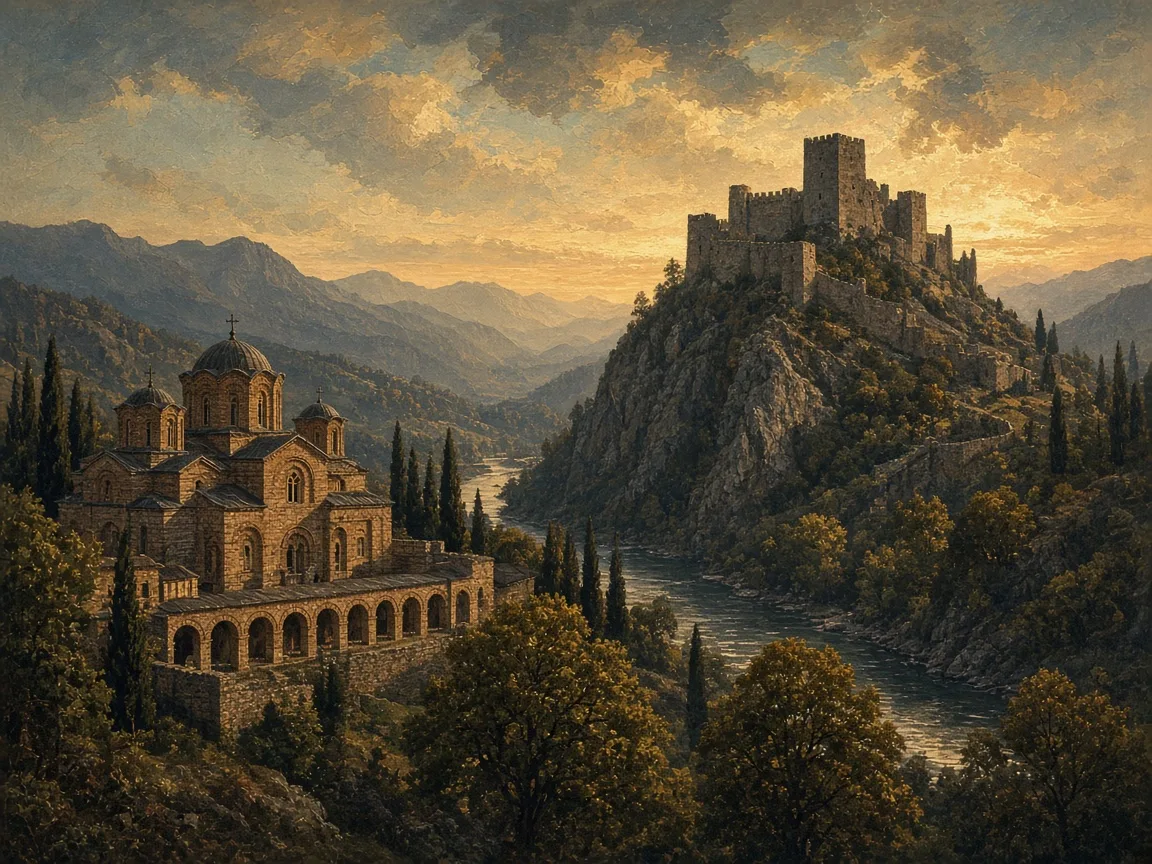
Illustration of Medieval landscape
Chapter 7

Medieval

500 CE to 1,500 CE

Medieval Southeast European communities.

Explore this period

The medieval period in Albania, known as the Barc era, is a fascinating chapter in the history of the Balkans, marked by cultural evolution, political upheavals, and significant interactions with neighboring cultures and empires. Spanning from the early Middle Ages into the late medieval period, this era saw Albania's development under various influences, contributing to its unique cultural and historical tapestry.

Geography and Societal Structure

Medieval Albania was situated at the crossroads of Eastern and Western civilizations, which profoundly influenced its cultural and political landscape. The region's geography, characterized by rugged mountains, fertile valleys, and a lengthy coastline along the Adriatic Sea, played a crucial role in shaping its societal structure. The mountains acted as natural barriers, fostering isolated, self-sufficient communities with strong ties to local customs and traditions. These geographical features also served as natural fortifications against frequent invasions and conflicts.

Political Landscape

Throughout the medieval period, Albania's political landscape was marked by fragmentation and fluidity. A multitude of principalities, petty kingdoms, and feudal lordships emerged across the region. Notable among these were the Principality of Arbanon in the 12th century, the Kingdom of Albania established by the Anjou family in the 13th century, and later, various regional powers such as the House of Thopia and the Dukagjini family.

The persistent threat of external domination by empires like the Byzantine, Bulgarian, Serbian, and later the Ottoman Empire, added a dynamic and often tumultuous element to Albania's political narrative. The Albanian feudal lords frequently alternated between autonomy and submission, depending on the prevailing power dynamics, but maintained a strong network of alliances and a distinctly local identity.

Culture and Society

Medieval Albanian culture was a blend of indigenous Illyrian elements and influences from Greek, Roman, Byzantine, and Slavic cultures, among others. This cultural synthesis was evident in various aspects of everyday life, including language, religion, art, and architecture.

Language and Literature

The Albanian language, a significant marker of national identity, survived through the medieval era despite repeated attempts at cultural assimilation by foreign rulers. Although the first written records in Albanian appeared slightly later, the oral tradition was strong, with epic poetry and folklore pre-dating written texts. Over time, these oral traditions were documented, contributing to a rich tapestry of medieval Albanian literature.

Religion

Throughout the medieval period, religion played a central role in Albanian society. Initially, the population adhered primarily to Christianity, split between the Roman Catholic Church in the north and the Orthodox Church in the south. Churches and monasteries were centers of learning and culture, adorned with iconography that reflected a blend of religious influences. The gradual spread of Islam occurred towards the late medieval period, influenced by the Ottoman presence, which began in the 15th century.

Arts and Architecture

Medieval Albanian art and architecture reflected the diverse cultural influences of the era. Castles, church frescoes, and fortifications were prominent features of the landscape, blending Romanesque, Byzantine, and Gothic styles. Notable examples include the impressive Rozafa Castle and the many Orthodox monasteries that are dotted across the regions.

Economy and Trade

Economically, medieval Albania was characterized by agriculture, pastoralism, and trade. The fertile land supported various crops, while mountainous regions were ideal for livestock. The strategic position along the Adriatic coast facilitated trade with other Mediterranean cultures, contributing to economic and cultural exchanges.

Legacy

The medieval era in Albania laid the groundwork for the preservation of a distinct Albanian identity. Despite the myriad of external influences and pressures, the period solidified cultural traditions and socio-political structures that have persisted into modern times. The resilience and adaptability of the Albanian people during this era are reflected in their continued reverence for historical heroes like Skanderbeg, who symbolized resistance against foreign domination.

In summary, the medieval Albanian era was a complex and dynamic period that shaped the cultural, linguistic, and political identity of Albania. It is a testament to the enduring legacy of a people who have navigated numerous challenges while maintaining a rich cultural heritage.

What your data actually shows

0/100 period similarity

What this means

Your results show similarity to reference populations across several periods of the Balkans's past, with the strongest similarity in the Classical period. This pattern reflects how later populations mixed with and partly replaced earlier ones. It describes statistical similarity between your DNA and ancient reference samples from each period, not a record of your personal ancestors or family tree, and as with all genetic research there is still much we do not know.

Explore the individuals
  • ContinuitySimilarity that persists across periods
  • MigrationLayers added by new arrivals
  • UncertaintyReference panels keep evolving
Use code for 35% off • Expires Oct 09