Epipaleolithic
20,000 BCE to 10,000 BCE
Late hunter-gatherer communities.
Explore this period
Region & Environment
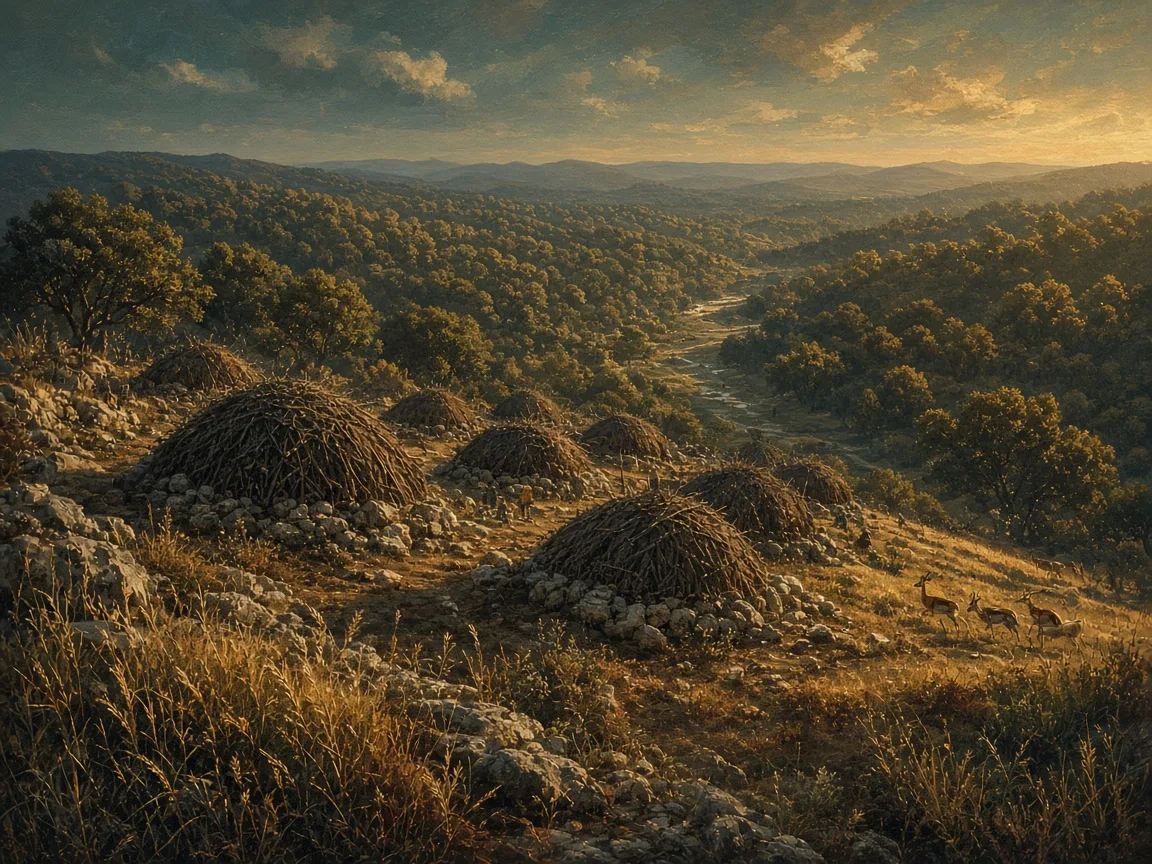
In this period, Anatolia experienced changing climatic conditions across the late Pleistocene. Landscapes included forested and open habitats, with resources distributed patchily across coasts, valleys, and upland areas. As conditions fluctuated, hunter-gatherers adjusted movement and subsistence strategies accordingly.
Historical Context
The Epipaleolithic is a broad term for late Pleistocene foraging societies in transition toward later prehistoric developments. In Anatolia, stone tool traditions and settlement evidence indicate continued regional variability rather than a uniform “one culture” across the entire peninsula. This time span precedes the widespread establishment of agricultural villages.
Populations & Lifeways
Populations were primarily hunter-gatherers using diversified diets that would have varied by season and local ecology. Mobility patterns likely ranged from short seasonal movements to longer-range contacts, depending on resource availability and local knowledge. Social learning and shared technological conventions would have supported cooperation within groups.
Archaeology & Material Culture
Archaeological remains for the Epipaleolithic typically focus on stone tools and knapping debris, which document how people procured raw materials and shaped implements. Toolkits often show emphasis on microlithic or small cutting elements in many Epipaleolithic contexts, reflecting functional needs for hunting and processing activities. Preservation varies widely, so reconstructions rely on patterned lithic assemblages and site context.
Culture & Society
Because Epipaleolithic societies lacked writing, culture is best approached through recurring technological and behavioral patterns visible in archaeological assemblages. Regional traditions in stone tool making suggest both learning networks and local adaptations. Sites may represent repeated use of favorable locations, indicating an understanding of landscapes and seasonal resources.
Legacy & Transition
The Epipaleolithic forms part of the long sequence leading toward the Neolithic. Over time, changing climates and resource landscapes contributed to shifts in settlement and technology, creating conditions for later experimentation with new subsistence strategies. The transition to farming is not instantaneous, and evidence for that shift appears later in the Anatolian archaeological sequence.