The Story
The journey of mtDNA haplogroup B2A4A
Origins and Evolution
mtDNA haplogroup B2A4A is a subclade nested within B2A4, itself part of the broader Native American B2 lineage derived from macro-haplogroup B. Based on the phylogenetic position of B2A4 and the geographic patterning of sampled lineages, B2A4A most likely diversified in Central or northern South America during the mid-to-late Holocene (several thousand years after the initial peopling of the Americas). The lineage is defined by downstream control-region and coding-region mutations that differentiate it from other B2A4 branches and reflect localized maternal diversification after the initial arrival and spread of B2 lineages in the continent.
Subclades (if applicable)
Current sampling and published mitogenomes indicate that B2A4A is an intermediate clade with limited internal diversity in published datasets. Some studies and population screenings show private or regionally restricted variants within B2A4A, suggesting the existence of short, localized sublineages (often reported as unnumbered branches or provisionally named subclades in phylogenies). As larger whole-mitogenome surveys of Indigenous American groups continue, further named subclades of B2A4A may be defined, clarifying patterns of local expansion and isolation.
Geographical Distribution
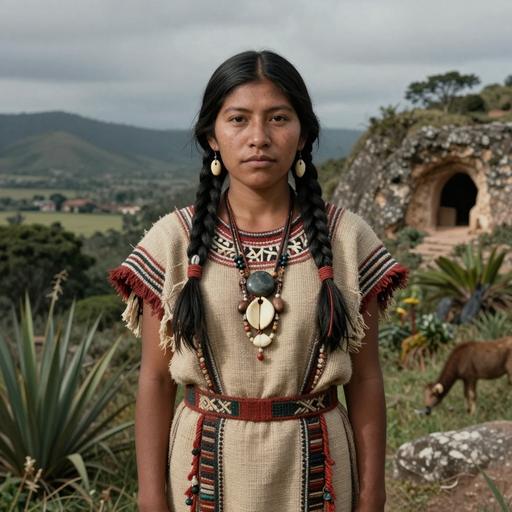
B2A4A is concentrated in northern South America and adjacent Central American regions, with the highest frequencies reported among certain Amazonian and Andean indigenous groups. Its presence in Central America and southern Mexico appears at moderate frequencies in some Indigenous populations, while occurrences in North America and the Caribbean are generally low and often localized. Ancient DNA studies have recovered B2-derived lineages in early and mid-Holocene contexts across the Americas; B2A4A specifically shows a pattern consistent with regional diversification during the Holocene rather than representing an early pan-American founding branch.
Historical and Cultural Significance
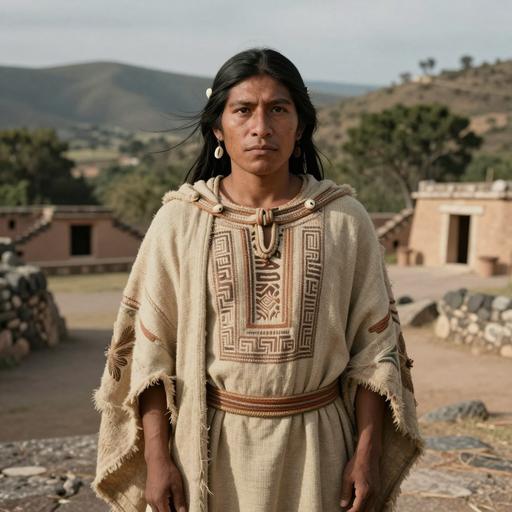
While not associated with a single pan-continental expansion, B2A4A likely tracks local demographic events during the Holocene — including population growth linked to the spread of regional horticulture, riverine adaptations in the Amazon, and the complex demographic history of Andean societies. Its distribution among present-day Indigenous groups and its appearance (at low frequency) in ancient samples indicate both continuity in some regions and later movements or gene flow in others. In modern populations, B2A4A can also appear at low frequency in admixed individuals of the Americas as a result of post-contact demographic processes.
Conclusion
B2A4A is a regionally informative Native American maternal lineage that provides insight into mid-to-late Holocene maternal diversification in Central and northern South America. It currently serves as a marker of local population history in Amazonian and Andean contexts, and continued mitogenome sequencing of under-sampled Indigenous groups and ancient remains will refine its substructure, timing, and the demographic events it reflects.
Key Points
- Origins and Evolution
- Subclades (if applicable)
- Geographical Distribution
- Historical and Cultural Significance
- Conclusion