Menu
mtDNA Haplogroup • Maternal Lineage

B2A

mtDNA Haplogroup B2A

~12,000 years ago
Central / South America (Beringia-derived)
4 subclades
19 ancient samples
Scroll to explore
Chapter I

The Story

The journey of mtDNA haplogroup B2A

Origins and Evolution

mtDNA haplogroup B2a is a subclade of the Native American maternal lineage B2, which itself derives from East/Southeast Asian haplogroup B and likely entered the Americas via Beringia during the Late Pleistocene. Based on its phylogenetic position beneath B2 and patterns of diversity in modern and ancient samples, B2a most plausibly arose after the initial peopling of the Americas, during the early Holocene (roughly ~12 kya), as founder populations dispersed and became regionally differentiated across Central and South America.

The formation of B2a reflects local diversification after the Beringian/early-American bottleneck: while B2 represents one of the major pan-American maternal lineages, B2a shows a more restricted geographic footprint and reduced age relative to its parent, consistent with post-glacial southward expansions and subsequent regional demographic growth.

Subclades (if applicable)

B2a comprises several internal branches detectable with high-resolution full mitogenome sequencing; however, compared with the parent B2, its internal diversity is modest and often geographically localized. Some named sub-branches (reported in population and aDNA studies) appear concentrated in Amazonian, Andean and Central American contexts. Because resolution depends on sequencing depth and sampling, additional subclades of B2a may be recognized as more mitogenomes from diverse indigenous groups and ancient samples are published.

Geographical Distribution

B2a is primarily a New World lineage with the highest frequencies and diversity in parts of South America and notable presence in Central America. It is detected at lower frequencies in parts of North America (usually in geographically localized indigenous groups), in the Caribbean (reflecting pre-contact networks and later movements), and only rarely in East/Southeast Asia where occurrences are generally attributable to either deep shared ancestry of B-haplogroups or recent admixture.

Ancient DNA studies have identified B2a (or closely related B2 branches) in early Holocene and late Pleistocene archaeological contexts across the Americas, supporting its antiquity within the hemisphere and its role in regional maternal lineages that shaped modern indigenous diversity.

Historical and Cultural Significance

While mtDNA haplogroups do not map neatly onto archaeological cultures, the distribution and timing of B2a are consistent with demographic processes tied to: the terminal Pleistocene to early Holocene dispersal of hunter-gatherer groups, localized expansions during the Archaic period, and later population structuring connected to regional adaptations (for example, highland Andean and Amazonian population histories).

B2a's presence in coastal and island archaeological contexts suggests participation in coastal and maritime networks that influenced gene flow in the Caribbean and along Pacific and Atlantic coasts. In modern genetic surveys, B2a contributes to the maternal diversity of many indigenous populations and can be informative for reconstructing maternal genealogies, regional demographic change, and post-contact admixture patterns.

Conclusion

mtDNA haplogroup B2a is a regionally important descendant of the pan-American B2 lineage, reflecting post-peopling diversification within the Americas, especially in Central and South America. Its modest internal diversity and geographic distribution make it a useful marker for studies of early Holocene demographic expansion, regional population history, and the maternal ancestry of contemporary indigenous groups. Continued mitogenome sequencing of under-sampled populations and ancient remains will refine the internal structure, age estimates, and migratory inferences for B2a.

Key Points

  • Origins and Evolution
  • Subclades (if applicable)
  • Geographical Distribution
  • Historical and Cultural Significance
  • Conclusion
Chapter II

Tree & Relationships

Phylogenetic context and subclades

Evolution Path

This haplogroup's evolutionary journey from its earliest ancestor to the present.

Steps Haplogroup Age Estimate Archaeology Era Time Passed Immediate Descendants Tested Modern Descendants Ancient Connections
1 B2A Current ~12,000 years ago 🌾 Neolithic 12,000 years 4 10 19
2 B2 ~15,000 years ago 🏹 Mesolithic 15,000 years 11 768 4
3 B ~50,000 years ago 🦴 Paleolithic 50,000 years 4 1,196 75

Siblings (10)

Other branches from the same parent haplogroup

Chapter III

Where in the World

Geographic distribution and modern presence

Place of Origin

Central / South America (Beringia-derived)

Modern Distribution

The populations where mtDNA haplogroup B2A is found include:

  1. Indigenous peoples of South America (especially Amazonian and Andean groups)
  2. Indigenous populations of Central America and southern Mexico
  3. Indigenous North American groups (lower frequency, localized occurrences)
  4. Pre-contact coastal and island populations of the Caribbean and Pacific (regional occurrences)
  5. Admixed populations in the Americas affected by historic movements (low frequency)
  6. Samples from ancient DNA studies in early Holocene/Paleo-Indian contexts across the Americas
CHAPTER IV

When in Time

Your haplogroup in the context of human history

~12k years ago

Haplogroup B2A

Your mtDNA haplogroup emerged in Central / South America (Beringia-derived)

Central / South America (Beringia-derived)
~10k years ago

Neolithic Revolution

Agriculture begins, settled communities form

~5k years ago

Bronze Age

Metalworking, writing, and early civilizations

~3k years ago

Iron Age

Iron tools, expanded trade networks

~2k years ago

Classical Antiquity

Greek and Roman civilizations flourish

Present

Present Day

Modern era

Your Haplogroup
Historical Era
Chapter IV-B

Linked Cultures

Ancient cultures associated with mtDNA haplogroup B2A

Cultural Heritage

These ancient cultures have been linked to haplogroup B2A based on matching ancient DNA samples from archaeological excavations. The presence of this haplogroup in these cultures provides insights into the migrations and population movements of populations carrying this haplogroup.

Ancient Beringian Island Chumash Lapa do Santo Lauricocha Culture Loma San Gabriel Tayopa Trail Creek Culture
Culture assignments are based on archaeological context of ancient DNA samples and may represent regional associations during specific time periods.
Chapter V

Sample Catalog

3 direct carriers and 16 subclade carriers of haplogroup B2A

19 / 19 samples
Portrait Sample Country Era Date Culture mtDNA Match
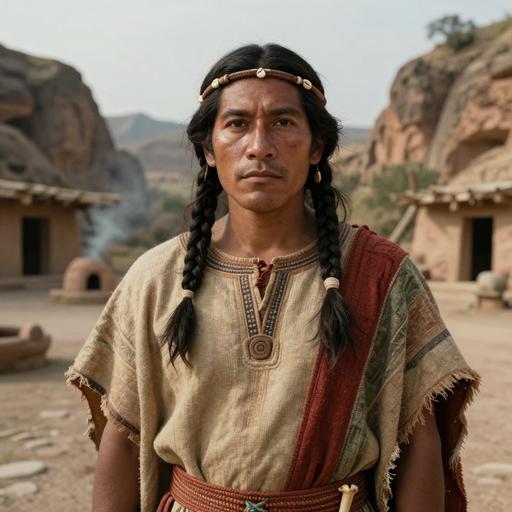
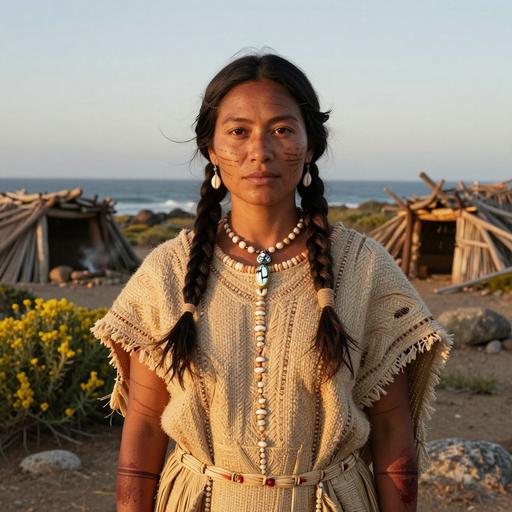
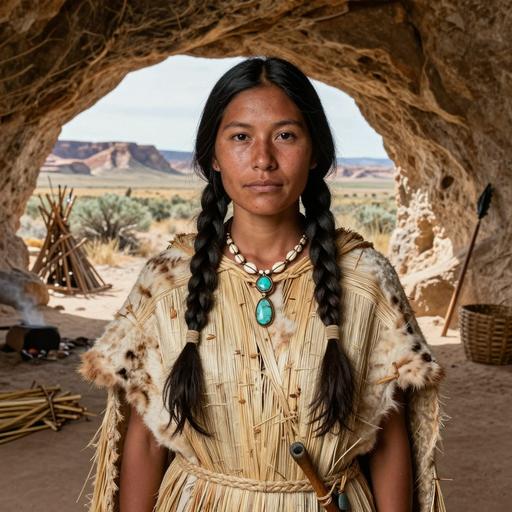
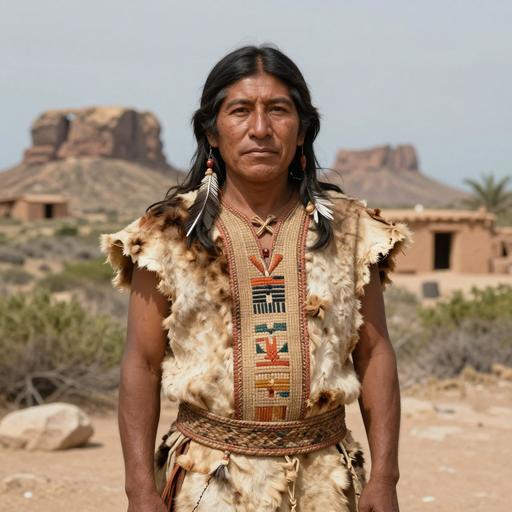
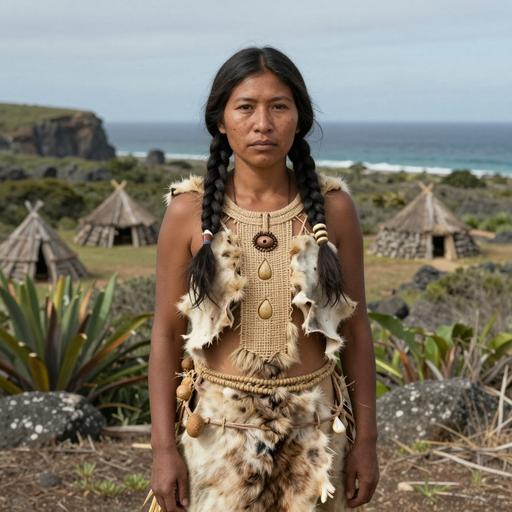
Portrait of ancient individual I12574 from Mexico, dated 131 CE - 318 CE
I12574
Mexico Cueva de los Muertos Chiquitos 131 CE - 318 CE Loma San Gabriel B2a Direct
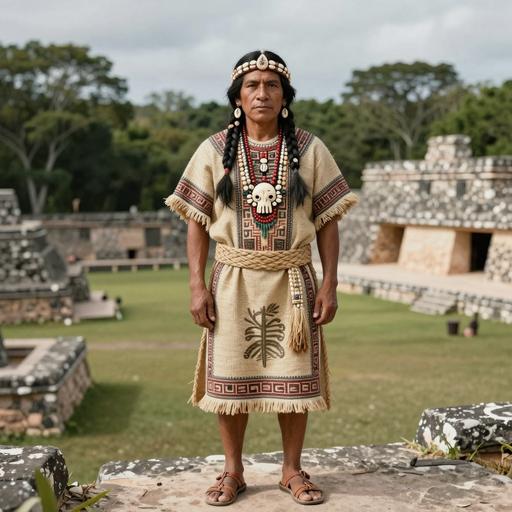
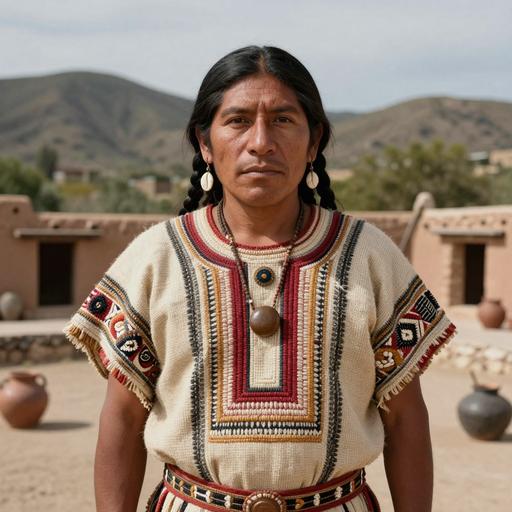
Portrait of ancient individual I17114 from Mexico, dated 500 CE - 1400 CE
I17114
Mexico Tayopa Culture 500 CE - 1400 CE Tayopa B2a Direct
Portrait of ancient individual I17125 from Mexico, dated 500 CE - 1400 CE
I17125
Mexico Tayopa Culture 500 CE - 1400 CE Tayopa B2a Direct
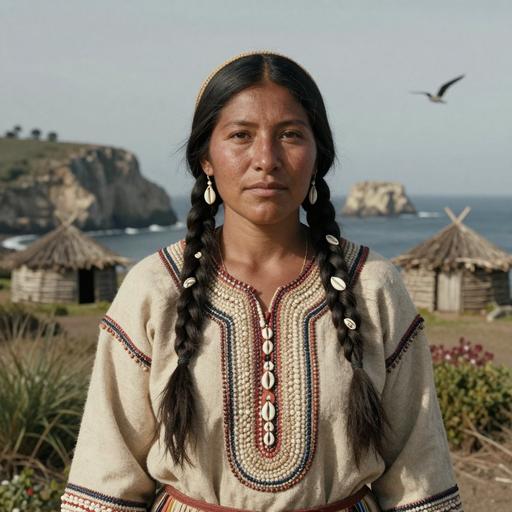
Portrait of ancient individual SC-04 from USA, dated 1039 CE - 1255 CE
SC-04
USA Late Santa Cruz Island, California, USA 1039 CE - 1255 CE Island Chumash B2a5 Downstream
Portrait of ancient individual SC-04 from USA, dated 1039 CE - 1255 CE
SC-04
USA The First Peoples of North America 1039 CE - 1255 CE B2a5 Downstream
Portrait of ancient individual SN-53 from USA, dated 1165 CE - 1264 CE
SN-53
USA Late San Nicolas Island, California, USA 1165 CE - 1264 CE Island Chumash B2a5 Downstream
Portrait of ancient individual SN-53 from USA, dated 1165 CE - 1264 CE
SN-53
USA The First Peoples of North America 1165 CE - 1264 CE B2a5 Downstream
Portrait of ancient individual Lovelock3 from USA, dated 1270 CE - 1384 CE
Lovelock3
USA Lovelock Cave, Nevada, USA 600 Years Ago 1270 CE - 1384 CE Lovelock B2a1 Downstream
Portrait of ancient individual Lovelock3 from USA, dated 1270 CE - 1384 CE
Lovelock3
USA The First Peoples of North America 1270 CE - 1384 CE B2a1 Downstream
Portrait of ancient individual MX-01 from Mexico, dated 3000 BCE - 1500 CE
MX-01
Mexico Baja California, Mexico 3000 BCE - 1500 CE La Jolla B2a5 Downstream
Chapter VI

Carrier Distribution Map

Geographic distribution of 19 ancient DNA samples (direct and subclade carriers of B2A)

Direct carrier Subclade carrier
Time Period Filter
All Time Periods
Showing all samples
Chapter VII

Temporal Distribution

Distribution of carriers across archaeological periods

Chapter VIII

Geographic Distribution

Distribution by country of origin (direct and subclade carriers shown by default)

Chapter IX

Country × Era Distribution

Cross-tabulation of carrier countries and archaeological periods (direct and subclade carriers shown by default)

Data

Data & Provenance

Source information and data quality

Last Updated 2026-02-16
Confidence Score 50/100
Coverage Low
Data Source

We use the latest phylotree for MTDNA haplogroup classification and data.