Menu
mtDNA Haplogroup • Maternal Lineage

B2A5

mtDNA Haplogroup B2A5

~4,000 years ago
Central / South America (Beringia-derived)
0 subclades
Scroll to explore
Chapter I

The Story

The journey of mtDNA haplogroup B2A5

Origins and Evolution

B2A5 is a downstream branch of mtDNA haplogroup B2A, itself a daughter clade of Native American haplogroup B2. B2A diversified within the Americas after the initial peopling events that derived from Beringia during the terminal Pleistocene and early Holocene. Based on its placement as a terminal subclade of B2A and its relative rarity compared with more basal B2 lineages, B2A5 most plausibly arose in the Late Holocene (several thousand years ago) as a regional maternal lineage that expanded locally within parts of South and Central America.

Phylogenetically, B2A5 carries the defining mutations that characterize the B2A branch plus one or more private mutations that distinguish it from sibling subclades (B2A1–B2A4, etc.). The limited number of reported samples and the subclade's presence in a modest number of ancient and modern sequences indicate a moderately recent founder event or local differentiation from a B2A maternal ancestor.

Subclades

As a specific terminal clade, B2A5 may have minimal or no widely recognized named downstream subclades in currently published phylogenies; additional fine-scale structure could emerge with denser complete mitogenome sampling. When present, substructure within B2A5 is expected to reflect micro‑regional diversification (for example, river basin or highland vs lowland splits) consistent with demographic patterns seen in other Native American maternal lineages.

Geographical Distribution

B2A5 shows a concentration in South America, especially among indigenous groups of the Amazon basin and certain Andean populations, with lower-frequency occurrences in parts of Central America and occasional detections in pre-contact and historic samples from the Caribbean and coastal regions. Sparse occurrences in northern North America or among admixed modern populations reflect either rare long-distance movement, post-contact migration, or low-level retention from pre-contact distributions. Ancient DNA hits attributed to B2A-related lineages indicate the clade has an archaeological presence in multiple early- to mid-Holocene contexts across the Americas, although B2A5 itself is better represented in later Holocene contexts.

Historical and Cultural Significance

Because B2A5 is a regional derivative of the widespread Native American B2 clade, its significance lies in reconstructing local maternal histories rather than continent-wide migrations. The distribution of B2A5 can inform questions about population continuity, micro‑regional expansions (for example, demographic pulses associated with late-Holocene cultural transitions), and maternal gene flow between lowland and highland ecological zones. In combination with archaeological and linguistic data, B2A5 occurrences can help identify maternal line continuity in preceramic to formative era contexts and trace more recent pre-contact population structure.

Conclusion

B2A5 is a locally differentiated mtDNA lineage nested within the Native American B2A clade. It likely originated within South or Central America in the late Holocene and today serves as a marker of regional maternal ancestry in Amazonian, Andean, and some Central American indigenous populations. Broader mitogenome sampling and additional ancient DNA recovery will refine its age estimate, internal substructure, and detailed geographic history.

Key Points

  • Origins and Evolution
  • Subclades
  • Geographical Distribution
  • Historical and Cultural Significance
  • Conclusion
Chapter II

Tree & Relationships

Phylogenetic context and subclades

Evolution Path

This haplogroup's evolutionary journey from its earliest ancestor to the present.

Steps Haplogroup Age Estimate Archaeology Era Time Passed Immediate Descendants Tested Modern Descendants Ancient Connections
1 B2A5 Current ~4,000 years ago 🔶 Bronze Age 4,500 years 0 0 0
2 B2A ~12,000 years ago 🌾 Neolithic 12,000 years 4 10 19
3 B2 ~15,000 years ago 🏹 Mesolithic 15,000 years 11 768 4
4 B ~50,000 years ago 🦴 Paleolithic 50,000 years 4 1,196 75

Subclades (0)

Terminal branch - no known subclades

Siblings (3)

Other branches from the same parent haplogroup

Chapter III

Where in the World

Geographic distribution and modern presence

Place of Origin

Central / South America (Beringia-derived)

Modern Distribution

The populations where mtDNA haplogroup B2A5 is found include:

  1. Indigenous peoples of South America (especially Amazonian and select Andean groups)
  2. Indigenous populations of Central America and southern Mexico (localized occurrences)
  3. Indigenous North American groups (low frequency, localized occurrences)
  4. Pre-contact coastal and island populations of the Caribbean and Pacific (regional occurrences)
  5. Admixed populations in the Americas affected by historic movements (low frequency)
  6. Samples from ancient DNA studies in mid- to late-Holocene contexts across the Americas
CHAPTER IV

When in Time

Your haplogroup in the context of human history

~10k years ago

Neolithic Revolution

Agriculture begins, settled communities form

~5k years ago

Bronze Age

Metalworking, writing, and early civilizations

~4k years ago

Haplogroup B2A5

Your mtDNA haplogroup emerged in Central / South America (Beringia-derived)

Central / South America (Beringia-derived)
~3k years ago

Iron Age

Iron tools, expanded trade networks

~2k years ago

Classical Antiquity

Greek and Roman civilizations flourish

Present

Present Day

Modern era

Your Haplogroup
Historical Era
Chapter IV-B

Linked Cultures

Ancient cultures associated with mtDNA haplogroup B2A5

Cultural Heritage

These ancient cultures have been linked to haplogroup B2A5 based on matching ancient DNA samples from archaeological excavations. The presence of this haplogroup in these cultures provides insights into the migrations and population movements of populations carrying this haplogroup.

Island Chumash La Jolla Tayopa
Culture assignments are based on archaeological context of ancient DNA samples and may represent regional associations during specific time periods.
Chapter V

Sample Catalog

14 direct carriers of haplogroup B2A5

14 / 14 samples
Portrait Sample Country Era Date Culture mtDNA Match
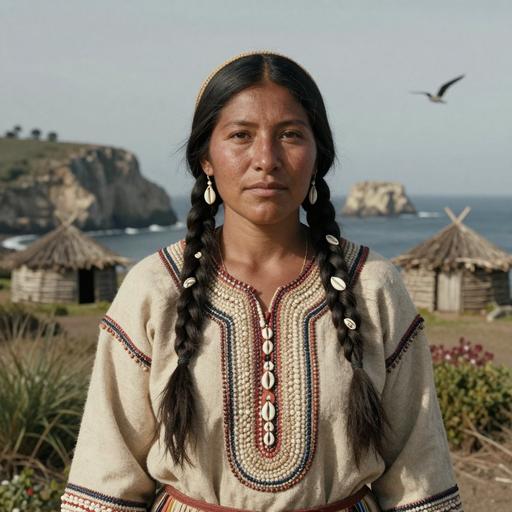
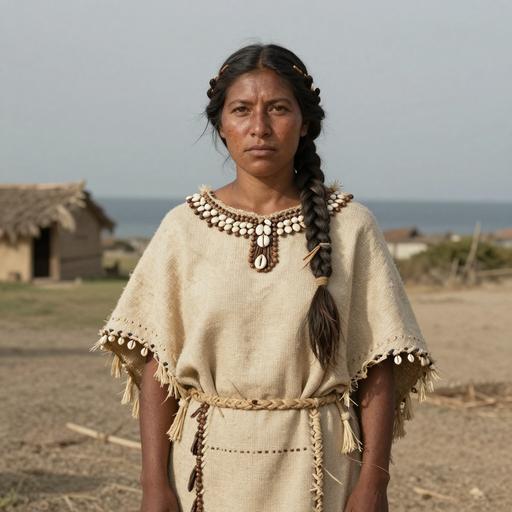
Portrait of ancient individual SC-04 from USA, dated 1039 CE - 1255 CE
SC-04
USA Late Santa Cruz Island, California, USA 1039 CE - 1255 CE Island Chumash B2a5 Direct
Portrait of ancient individual SC-04 from USA, dated 1039 CE - 1255 CE
SC-04
USA The First Peoples of North America 1039 CE - 1255 CE B2a5 Direct
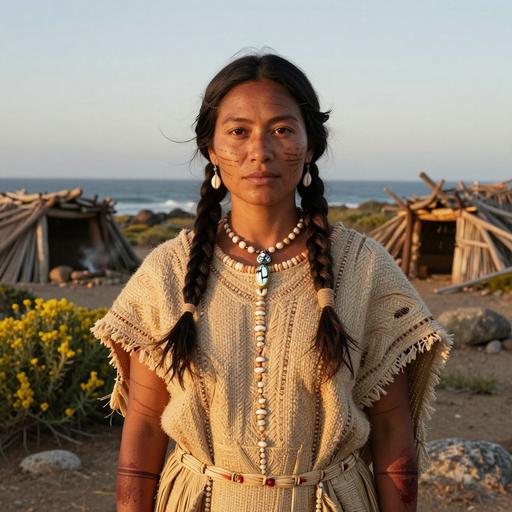
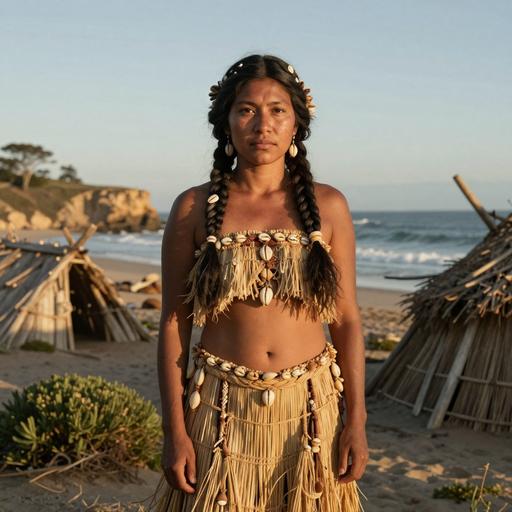
Portrait of ancient individual SN-53 from USA, dated 1165 CE - 1264 CE
SN-53
USA Late San Nicolas Island, California, USA 1165 CE - 1264 CE Island Chumash B2a5 Direct
Portrait of ancient individual SN-53 from USA, dated 1165 CE - 1264 CE
SN-53
USA The First Peoples of North America 1165 CE - 1264 CE B2a5 Direct
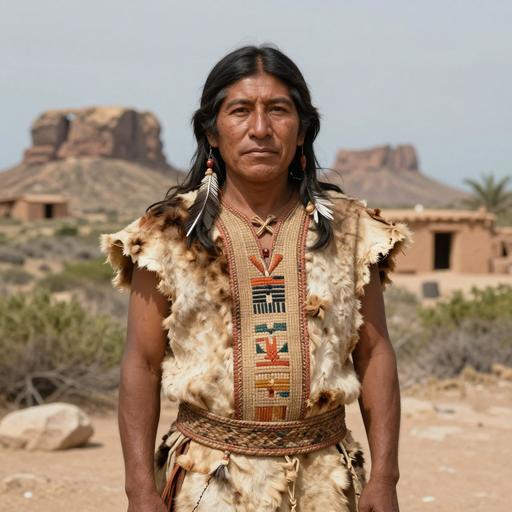
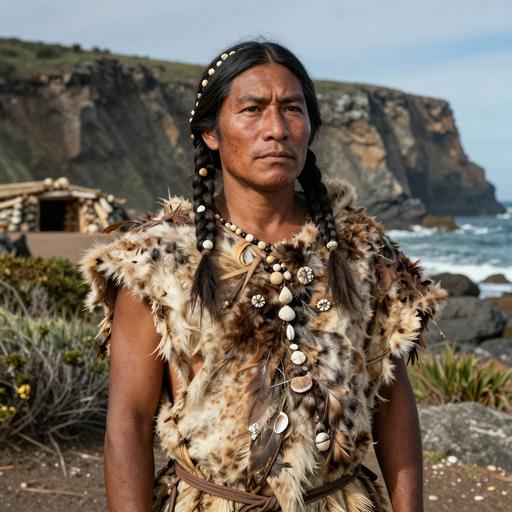
Portrait of ancient individual MX-01 from Mexico, dated 3000 BCE - 1500 CE
MX-01
Mexico Baja California, Mexico 3000 BCE - 1500 CE La Jolla B2a5 Direct
Portrait of ancient individual MX-01 from Mexico, dated 3000 BCE - 1500 CE
MX-01
Mexico The First Peoples of North America 3000 BCE - 1500 CE B2a5 Direct
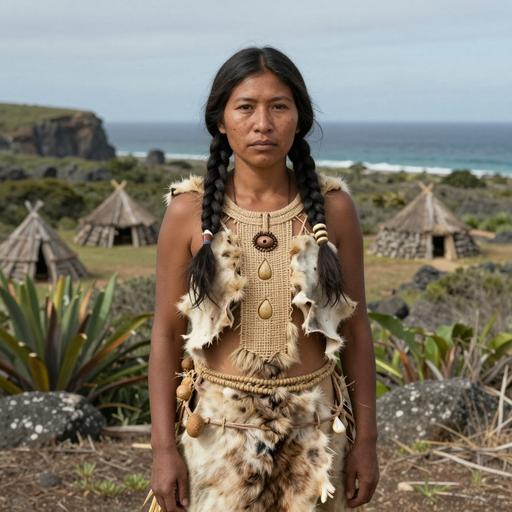
Portrait of ancient individual SN-10 from USA, dated 3700 BCE - 1300 CE
SN-10
USA Late San Nicolas Island, California, USA 3700 BCE - 1300 CE Island Chumash B2a5 Direct
Portrait of ancient individual SN-16 from USA, dated 3700 BCE - 1300 CE
SN-16
USA Late San Nicolas Island, California, USA 3700 BCE - 1300 CE Island Chumash B2a5 Direct
Portrait of ancient individual SN-01 from USA, dated 3700 BCE - 1300 CE
SN-01
USA Late San Nicolas Island, California, USA 3700 BCE - 1300 CE Island Chumash B2a5 Direct
Portrait of ancient individual SN-09 from USA, dated 3700 BCE - 1300 CE
SN-09
USA Late San Nicolas Island, California, USA 3700 BCE - 1300 CE Island Chumash B2a5 Direct
Chapter VI

Carrier Distribution Map

Geographic distribution of 14 ancient DNA samples (direct and subclade carriers of B2A5)

Direct carrier
Time Period Filter
All Time Periods
Showing all samples
Chapter VII

Temporal Distribution

Distribution of carriers across archaeological periods

Chapter VIII

Geographic Distribution

Distribution by country of origin (direct and subclade carriers shown by default)

Chapter IX

Country × Era Distribution

Cross-tabulation of carrier countries and archaeological periods (direct and subclade carriers shown by default)

Data

Data & Provenance

Source information and data quality

Last Updated 2026-02-16
Confidence Score 50/100
Coverage Low
Data Source

We use the latest phylotree for MTDNA haplogroup classification and data.